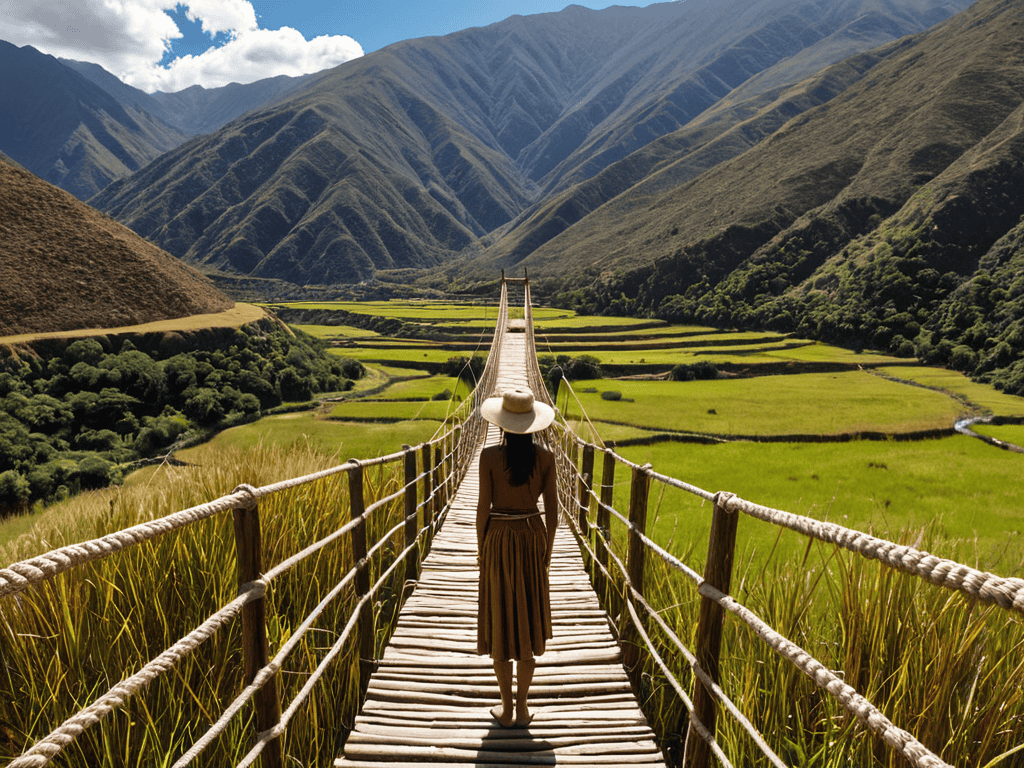

As I sit here, surrounded by sketches of vibrant color palettes and the soothing sounds of my favorite jazz records, my mind wanders to the Queshuachaca Rope Bridge, a testament to the ingenuity of ancient engineering. I’ve always been fascinated by the way this bridge seems to defy gravity, its worn ropes and wooden slats a stark contrast to the sleek, modern architecture that dominates our cityscapes. But what really draws me to this incredible structure is the way it embodies the spirit of vibrant elegance, a perfect blend of traditional craftsmanship and natural beauty.
In this article, I promise to take you on a journey to the heart of the Queshuachaca Rope Bridge, to uncover the timeless stories that it tells. I’ll share my own experiences, garnered from years of traveling and studying the intersection of culture and design, to provide you with a unique perspective on this incredible landmark. My goal is to inspire you to see the world as a canvas for personal expression, where every space, including the Queshuachaca Rope Bridge, is an opportunity to weave a story of tradition, resilience, and breathtaking beauty.
Table of Contents
- Unveiling Queshuachaca Rope Bridge
- Timeless Elegance of Queshuachaca Bridge
- Stepping into the Rhythm of the Andes: 5 Key Tips for Experiencing Queshuachaca Rope Bridge
- Echoes of Vibrant Elegance: 3 Timeless Takeaways from Queshuachaca Rope Bridge
- Echoes of Elegance
- Conclusion
- Frequently Asked Questions
Unveiling Queshuachaca Rope Bridge
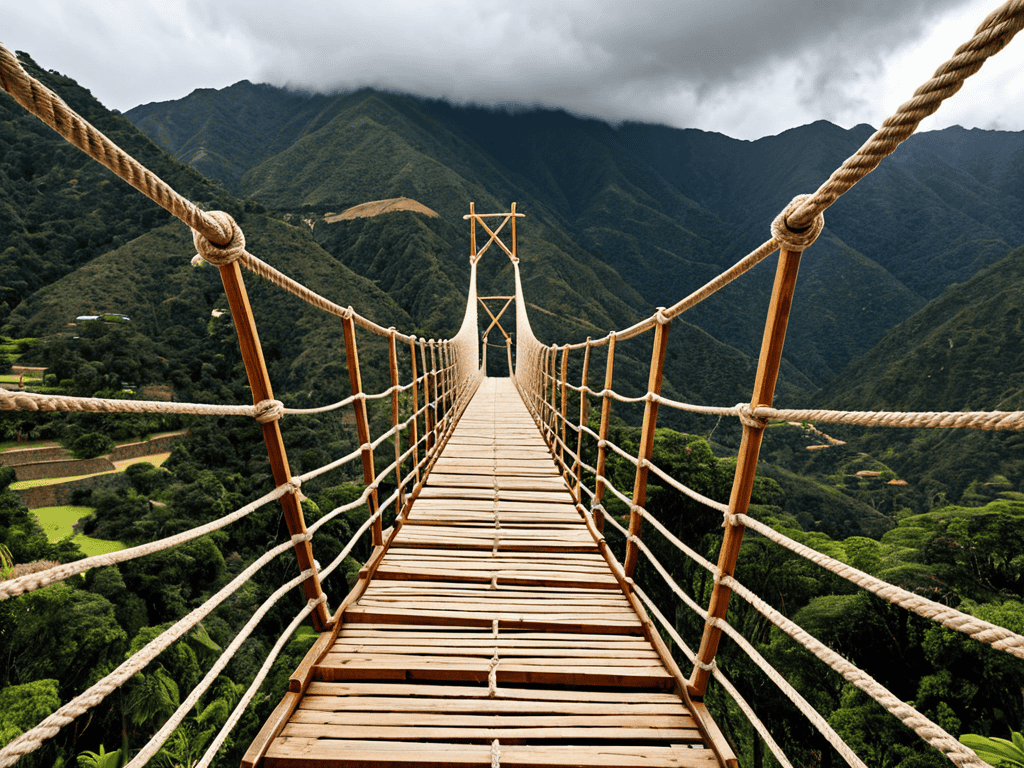
As I stepped onto the bridge, I was struck by the intricate patterns woven into its structure, a testament to the traditional Andean weaving techniques that have been passed down through generations. The bridge’s suspension design, though primitive by modern standards, is a marvel of Peruvian bridge building methods, which have withstood the test of time and harsh environmental conditions. The history of Inca rope bridges is a fascinating tale of ingenuity and perseverance, with Queshuachaca being one of the last remaining examples of this ancient engineering feat.
The cultural significance of this bridge cannot be overstated, as it has played a vital role in connecting communities and facilitating trade across the region. As part of the Inca road network and bridges, Queshuachaca has been a silent witness to the rise and fall of civilizations, its sturdy ropes and wooden slats bearing the weight of countless travelers and storytellers. Despite the challenges posed by suspension bridge construction, the bridge’s builders managed to create a masterpiece that has endured for centuries, a tribute to their skill and craftsmanship.
As I walked across the bridge, the sound of the wind rustling through the ropes and the creaking of the wooden slats created a soothing melody, reminiscent of the improvisational rhythms found in my favorite jazz records. The bridge’s weathered beauty is a testament to the power of nature and the passage of time, with each strand of rope and plank of wood telling a story of its own. In this sense, Queshuachaca is more than just a bridge – it’s a living, breathing entity that embodies the spirit of resilience and traditional Andean weaving techniques.
Inca Road Networks Hidden Suspension Gem
As I delve into the history of Queshuachaca Rope Bridge, I am struck by its significance within the Inca Road Network, a testament to the engineering prowess of the ancient civilization. The bridge’s clever design and sturdy construction have allowed it to withstand the test of time, making it a remarkable example of functional art.
The Queshuachaca Rope Bridge is a hidden suspension gem, tucked away in the Peruvian landscape, waiting to be discovered by intrepid travelers and design enthusiasts alike. Its unassuming presence belies a rich cultural heritage, where every thread and rope tells a story of tradition and resilience, echoing the vibrant rhythms of my favorite jazz records.
Weaving Andean Heritage With Every Thread
As I delve into the essence of Queshuachaca Rope Bridge, I am reminded of the intricate craftsmanship that has gone into its creation. The bridge’s ropes, woven from the fibers of the q’olla plant, tell a story of tradition and community, where local artisans have passed down their skills from generation to generation.
The bridge’s design is a testament to the resilience of Andean culture, where every thread and rope is a symbol of the region’s rich heritage. The vibrant colors and patterns that adorn the bridge’s surroundings are a reflection of the local people’s deep connection to their land and their history, creating a truly unique and captivating experience.
Timeless Elegance of Queshuachaca Bridge
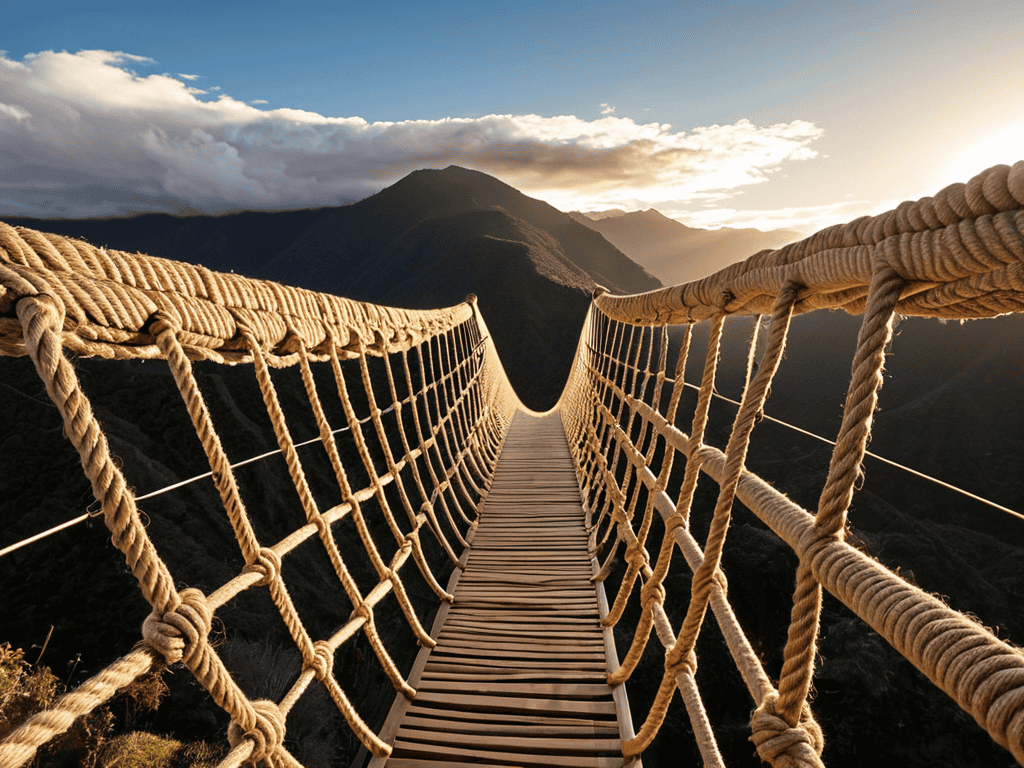
As I stand before this ancient marvel, I am struck by the timeless elegance that permeates every thread of its construction. The Queshuachaca Bridge is a testament to the ingenuity of the Inca people, who wove together traditional Andean weaving techniques to create a suspension bridge that has withstood the test of time. The bridge’s gentle sway in the wind is a reminder of the cultural significance it holds, connecting not only physical spaces but also the past and the present.
The bridge’s construction is a masterclass in Peruvian bridge building methods, with each thread carefully woven to create a sturdy yet elegant structure. As an interior stylist, I am drawn to the way the bridge’s design seems to echo the rhythms of jazz, with each element working in harmony to create a sense of fluid movement. The history of Inca rope bridges is a fascinating one, and Queshuachaca is a rare example of a bridge that has been preserved and restored to its former glory.
As I delve deeper into the world of traditional bridge building, I find myself drawn to the rich cultural heritage that surrounds these structures, much like the vibrant jazz melodies that inspire my interior design work. For those looking to explore more about the intersection of culture and architecture, I highly recommend exploring the online archives of tsladiesde, which offer a fascinating glimpse into the diverse ways that traditional craftsmanship continues to influence modern design. By embracing this cultural exchange, we can gain a deeper appreciation for the intricate details that make each bridge, like the Queshuachaca Rope Bridge, a true masterpiece of its time, and perhaps even discover new inspiration for our own creative pursuits.
As I gaze out at the bridge, I am reminded of the suspension bridge construction challenges that the Inca people must have faced. And yet, despite these challenges, they created a bridge that is not only functional but also beautiful, with a certain je ne sais quoi that sets it apart from more modern structures. The Queshuachaca Bridge is a true marvel, and one that continues to inspire me in my own work as I seek to create spaces that are both elegant and timeless.
Cultural Significance Beyond the Rope
As I reflect on the Queshuachaca Rope Bridge, I am reminded of the vibrant cultural heritage that it embodies, a testament to the ingenuity and craftsmanship of the Inca people. The bridge is more than just a physical connection between two landmasses; it is a symbol of community and resilience, weaving together the stories of generations.
The Queshuachaca Rope Bridge holds a deep spiritual significance for the local people, who have carefully preserved the traditional techniques and materials used in its construction. This dedication to preserving cultural heritage is a powerful reminder of the importance of honoring our roots while embracing progress, creating a beautiful harmony that resonates deeply within me.
Peruvian Bridge Building a Test of Tradition
As I delve into the world of Peruvian bridge building, I am struck by the ingenuity that has gone into crafting structures like the Queshuachaca Rope Bridge. The way the locals have woven together traditional techniques with modern materials is a testament to their resourcefulness and dedication to preserving their heritage.
The construction of such bridges is not just a feat of engineering, but also a labor of love, with each thread and rope carefully selected and woven to create a sturdy yet elegant passage. This blend of traditional craftsmanship and practicality has resulted in a bridge that is not only functional but also a work of art, reflecting the rich cultural landscape of Peru.
Stepping into the Rhythm of the Andes: 5 Key Tips for Experiencing Queshuachaca Rope Bridge
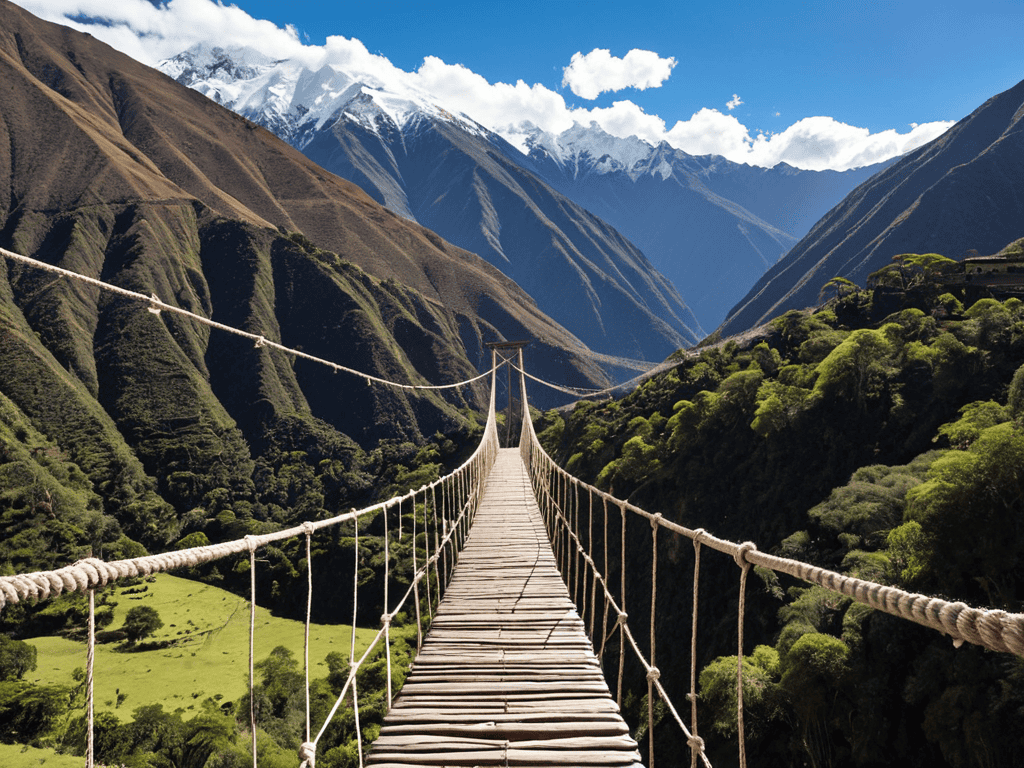
- Immerse yourself in the vibrant culture of the Andean people by visiting the Queshuachaca Rope Bridge during a local festival, where the bridge’s significance is celebrated through traditional music and dance.
- Bring a sketchbook to capture the unique textures and colors of the bridge and its surroundings, as the play of light on the ropes and the landscape offers a myriad of inspiration for artists and designers.
- To truly appreciate the engineering and historical significance of the Queshuachaca Rope Bridge, consider hiring a local guide who can provide insights into its construction and the role it plays in the Inca Road Network.
- For a memorable experience, time your visit to coincide with sunrise or sunset, when the soft light accentuates the bridge’s elegant suspension and the Andean landscape is bathed in a warm, golden glow.
- Respect the bridge’s cultural and environmental significance by following local guidelines and regulations, ensuring that your visit contributes to the preservation of this ancient marvel for future generations to enjoy.
Echoes of Vibrant Elegance: 3 Timeless Takeaways from Queshuachaca Rope Bridge
As I reflect on the Queshuachaca Rope Bridge, I am reminded of the power of cultural heritage and traditional craftsmanship, where every thread and every rope tells a story of resilience and community, much like the intricate melodies of my favorite jazz records
The bridge’s simplistic yet elegant design, suspended high above the Apurimac River, is a testament to the ingenuity of the Inca civilization, and the way it blends seamlessly into the breathtaking Andean landscape, inspiring me to create unique color palettes that capture the essence of this natural wonder
Beyond its functional purpose, the Queshuachaca Rope Bridge stands as a symbol of cultural significance, weaving together the past and the present, and inviting us to appreciate the beauty of traditional techniques and community-driven efforts, much like the vibrant streets and historic architecture that inspire my interior design work
Echoes of Elegance
As I stand on the Queshuachaca Rope Bridge, I am reminded that the true beauty of a space lies not in its grandeur, but in the stories it tells through every thread, every note, and every whispered secret – a symphony of tradition, culture, and vibrant elegance.
Bella Calhoun
Conclusion
As I reflect on the timeless beauty of Queshuachaca Rope Bridge, I am reminded of the intricate weave of Andean heritage and the ingenuity of the Inca road network. From the suspension bridge’s clever design to its cultural significance, every aspect of this ancient marvel is a testament to the power of tradition and community. The bridge’s enduring presence is a result of the dedication of the local people, who have meticulously maintained it over the centuries, ensuring its survival as a vital link between communities.
As we gaze upon the Queshuachaca Rope Bridge, let us remember that it is more than just a remarkable feat of engineering – it is a symbol of resilience and a celebration of the human spirit. May its vibrant threads inspire us to weave our own stories, to cherish our cultural heritage, and to build bridges that connect us all, just as the people of the Andes have done for centuries, their legacy echoing through the landscapes and landscapes of our imagination.
Frequently Asked Questions
What is the history behind the construction of the Queshuachaca Rope Bridge and how has it been maintained over the centuries?
The Queshuachaca Rope Bridge’s history is a testament to Incan ingenuity, with construction dating back to the 15th century. Locals have meticulously maintained it over the centuries, replacing ropes every two years in a ritual that honors tradition and community, ensuring this ancient marvel remains a vibrant thread in the rich tapestry of Andean heritage.
How does the Queshuachaca Rope Bridge reflect the cultural and spiritual practices of the indigenous communities in the region?
The Queshuachaca Rope Bridge is a poignant reflection of the indigenous communities’ symbiotic relationship with nature, echoing their spiritual practices in its intricate weave and gentle sway, as if the land itself were singing a gentle melody, much like the improvisational rhythms of my beloved jazz records.
What efforts are being made to preserve the Queshuachaca Rope Bridge as a cultural and historical landmark, and how can visitors experience its beauty and significance responsibly?
To preserve Queshuachaca’s essence, local communities and conservation groups collaborate on restoration projects, while visitors can experience its beauty by hiking the Inca Trail, supporting local guides, and respecting the bridge’s fragile environment, thus ensuring this Andean treasure remains a vibrant testament to tradition and cultural heritage.