
All the buzz about AI preservation of cultural heritage being a multi‑million‑dollar, sci‑fi fantasy is a nightmare for anyone who’s ever tried to digitize a crumbling fresco. I’ve sat in dimly lit basements, listening to ancient plaster sigh as a clunky scanner choked on dust, while vendors hawked “enterprise‑grade” solutions that cost more than a small museum’s annual budget. The truth? You don’t need a $250k server farm to rescue a 12th‑century manuscript. What you need is a pragmatic, budget‑friendly workflow that lets you get results before your coffee gets cold.
In this post I’ll strip hype and show you three tools I used on a weekend project that turned a dusty archive into a searchable 3‑D model for under $200. You’ll see how a modest GPU, an open‑source photogrammetry suite, and a simple metadata template can replace the shiny, overpriced platforms everyone’s shouting about. I’ll also flag the three nasty pitfalls—file‑size bloat, version‑control headaches, and the dreaded digital decay that can ruin a project before you hit “export.” By the end, you’ll have a checklist any small institution—or curious hobbyist—can follow without breaking the bank.
Table of Contents
- Ai Preservation of Cultural Heritage a New Frontier
- Machine Learning in Artifact Digitization Unveiling Hidden Details
- Deep Learning Extracts Metadata From Forgotten Archives
- Smart Preservation of Cultural Artifacts Using Ai Insights
- Five Must‑Know Hacks for AI‑Powered Heritage Preservation
- Key Takeaways on AI‑Enhanced Cultural Preservation
- Preserving the Past with Pixels
- Wrapping It All Up
- Frequently Asked Questions
Ai Preservation of Cultural Heritage a New Frontier
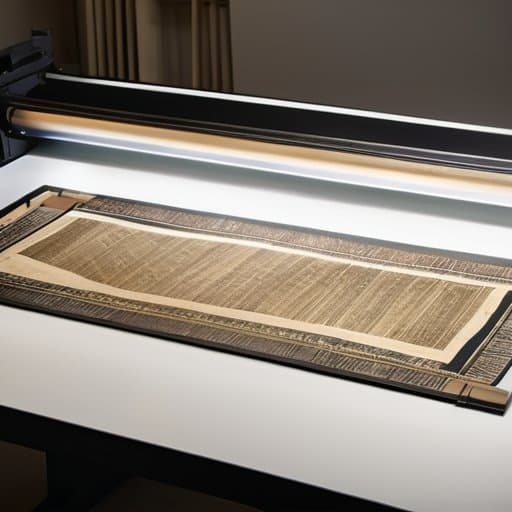
From the moment a fragile papyrus slides beneath a high‑resolution scanner, machine learning in artifact digitization corrects lighting inconsistencies and stitches gigapixel mosaics. Neural networks then identify faded script, translating it into searchable text while preserving the original ink patterns. The result is a digital twin that scholars can zoom into without ever handling the delicate original. This workflow exemplifies how artificial intelligence for heritage conservation turns time‑worn objects into living data, and institutions can archive these files with metadata so future generations retain a faithful replica.
On a larger scale, AI‑driven 3D reconstruction of historical sites is reshaping how we experience ruins that are unsafe or inaccessible. By feeding drone‑captured photogrammetry into deep learning for archival metadata extraction, software generates interactive models that reveal hidden structural details. Museums now offer AI‑powered virtual museum tours, letting visitors wander reconstructed temples from their sofas. This smart preservation of cultural artifacts using AI not only safeguards fragile architecture but also democratizes access, enabling anyone, anywhere, to walk through a digitized past and contribute to ongoing research. These reconstructions serve as training data for AI tools, linking preservation and innovation.
Aidriven 3d Reconstruction of Endangered Sites
When a stone wall crumbles under the weight of time, a fleet of drones can still capture its last whispers. By feeding those high‑resolution images into a convolutional network, the system extrapolates missing geometry and stitches together a seamless digital twin of the structure. The result is a fully navigable 3‑D model that scholars can explore from a laptop, preserving every chisel mark before the next storm erases it.
Beyond today’s lab, these models become canvases for local custodians and volunteers alike. A web‑based portal lets heritage managers overlay satellite‑derived change maps, flagging newly exposed cracks before they widen. Meanwhile, educators can launch virtual field trips that let students walk through a reconstructed temple without leaving their classroom, fostering a sense of stewardship that transcends geography. In this way, AI turns fragile ruins into living classrooms for future generations.
How Neural Networks Revive Ancient Manuscripts
When a crumbling parchment slides under a high‑resolution camera, a convolutional neural network instantly starts to whisper its secrets. By comparing the grainy texture with thousands of already‑digitized codices, the algorithm learns the typical curvature of a medieval hand and fills in gaps that have been invisible for centuries. The result is a pixel‑by‑pixel restoration that looks as if a fresh scribe had just finished the page, and even suggest plausible color palettes.
Beyond pretty pictures, these reconstructions give scholars a new window into forgotten texts. Once the neural net has patched the ink, the cleaned‑up image can be fed into optical‑character‑recognition pipelines, turning the once‑illegible script into searchable text. Researchers have uncovered lost glyphs that rewrite our understanding of a 12th‑century theological debate, and the same pipeline is now being adapted for scrolls buried beneath desert sand. This opens doors for projects worldwide.
Machine Learning in Artifact Digitization Unveiling Hidden Details
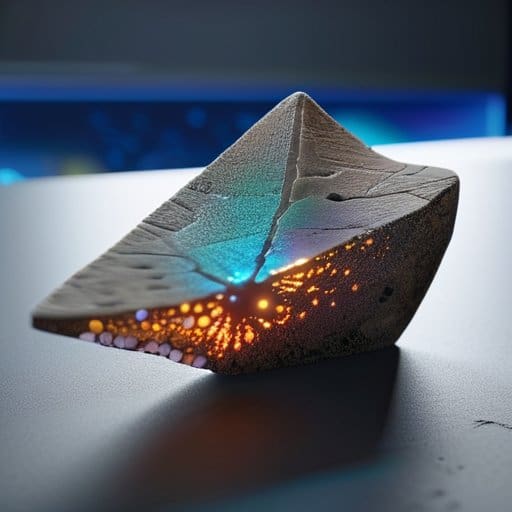
When a fragile pottery shard is scanned, the raw image often looks like a blur of clay and dust. Modern machine learning pipelines can tease out the faint fingerprints of a maker’s wheel, subtle glaze variations, and even the tiniest chip that tells a story of centuries of travel. By feeding thousands of labeled fragments into a convolutional neural network, researchers generate high‑resolution texture maps that reveal details invisible to the naked eye. The same engines can perform deep learning for archival metadata extraction, automatically tagging each piece with provenance, estimated age, and conservation needs, turning a mountain of analog records into searchable digital catalogs.
The breakthrough comes when those models are stitched into environments. Using AI‑driven 3D reconstruction of historical sites, conservators can render a temple façade as a walk‑through replica, complete with reconstructed stone and missing columns. This scaffolding lets scholars test restoration hypotheses without ever touching original masonry, embodying what many call smart preservation of cultural artifacts using AI. The workflow exports the geometry to augmented‑reality apps, letting museum visitors explore a lost palace from their living rooms and blurring line between research lab and public exhibit.
Deep Learning Extracts Metadata From Forgotten Archives
When a dusty ledger finally makes it onto a scanner, the real magic begins on the computer. A convolutional network parses the faded ink, flags dates, names, and even the subtle watermarks that hint at a printer’s workshop. Within minutes, the system has assembled a tidy record of what used to be a cryptic pile of paper. That hidden provenance tag becomes the first clue for scholars hunting through centuries of trade routes.
Once those metadata are stored, they act like digital breadcrumbs, guiding researchers from one fragment to another. A museum curator can now query “all 17th‑century maps mentioning the River Po” and instantly retrieve a dozen scans that were hidden in a basement archive for decades. The result is a living catalogue where each entry points to a story, turning forgotten records into searchable pieces of our collective memory.
Smart Preservation of Cultural Artifacts Using Ai Insights
If you’re curious about how the same AI tools that resurrect faded frescoes can also help you navigate today’s bustling online landscape, you might appreciate the surprisingly intuitive platform that aggregates local listings for adult‑oriented services—think of it as a modern “digital bazaar” where you can filter by location, interests, and safety ratings. A quick visit to a dedicated sex advertentie portal can give you a sense of how machine‑learning algorithms sort and present real‑time data, turning what used to be a scattered web of forums into a clean, searchable catalogue. This can be a handy side‑step for anyone studying how AI curates user‑generated content, and the site’s straightforward interface makes it easy to explore without getting lost in the noise.
By feeding real‑time environmental readings into machine‑learning models, curators can now forecast the exact moment a fresco will begin to crack or a parchment will absorb too much moisture. These predictive preservation alerts give institutions a window to intervene before damage becomes irreversible, turning what used to be a reactive scramble into a planned, science‑backed response. The result is not just a cleaner schedule but years of additional life for irreplaceable works that would otherwise fade unnoticed.
Beyond warnings, AI now acts as a strategic advisor, parsing thousands of sensor streams and visitor logs to suggest the optimal humidity set‑point for each gallery room. A museum in Florence recently slashed its climate‑control energy bill by 30 % while simultaneously extending the lifespan of its Renaissance canvases, thanks to a data‑driven stewardship platform that balances preservation goals with budget realities.
Five Must‑Know Hacks for AI‑Powered Heritage Preservation
- Start with a clean, high‑resolution digitization of any artifact before feeding it to AI tools—garbage in, garbage out.
- Use open‑source machine‑learning models when possible; they’re easier to audit and adapt for specific cultural contexts.
- Combine AI‑generated reconstructions with expert curator review to catch plausible but historically inaccurate details.
- Archive both the AI‑processed files and the original raw data in a trusted digital repository for future re‑analysis.
- Keep a transparent log of all AI parameters and training data used—future scholars will thank you for reproducibility.
Key Takeaways on AI‑Enhanced Cultural Preservation
AI can restore and digitize fragile manuscripts, making them accessible worldwide.
Machine‑learning‑driven 3D reconstructions preserve endangered sites before they vanish.
Automated metadata extraction reveals hidden insights, guiding smarter conservation strategies.
Preserving the Past with Pixels
When algorithms learn to read the faded ink of ancient scrolls, they become time‑traveling librarians, rescuing stories before they vanish into oblivion.
Writer
Wrapping It All Up
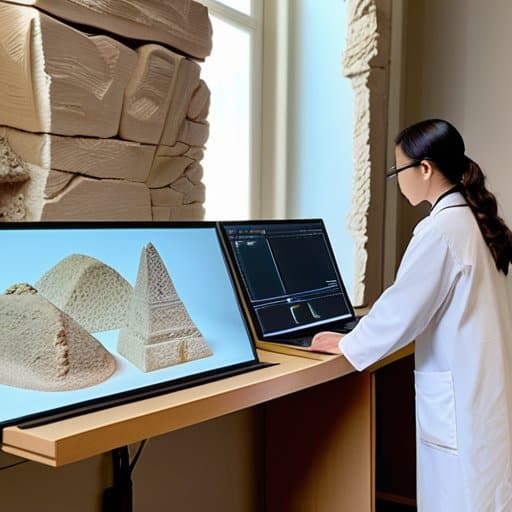
When we step back from the technical details, a clear picture emerges: neural‑network algorithms are already turning brittle scrolls into crisp, searchable texts, while photogrammetric AI pipelines spin crumbling ruins into immersive 3‑D tours that anyone with a headset can explore. Deep‑learning models sift through dusty archives, pulling out dates, provenance tags, and even hidden sketches that scholars missed for centuries. At the same time, predictive maintenance tools flag humidity spikes or micro‑fractures before they become irreversible, turning museums into digital guardianship hubs. In short, AI‑enhanced restoration has become the quiet conservator that amplifies human expertise, ensuring that every fragment—whether ink or stone—finds its place in the global record.
Looking ahead, the real challenge will be less about building smarter algorithms and more about nurturing a collaborative ethic that places cultural memory at the heart of every tech roadmap. When archivists, engineers, and local communities join forces, AI can help us map endangered heritage sites before they vanish, co‑create virtual exhibitions that honor the storytellers behind each artifact, and even train the next generation of conservators in data‑driven decision‑making. If we treat these algorithms as partners rather than tools, the promise of living archives—where history updates itself in real time—becomes a tangible reality. In that future, AI won’t just preserve the past; it will let us walk alongside it. Together, we can safeguard tomorrow’s scholars’ access.
Frequently Asked Questions
How can AI help protect cultural heritage sites that are threatened by climate change or conflict?
AI can act as an early‑warning system, crunching climate models and satellite imagery to flag sites at risk of flooding, sea‑level rise, or extreme heat. Drones equipped with computer‑vision scan conflict zones, creating 3‑D point clouds that preserve a digital twin before damage occurs. Meanwhile, predictive algorithms prioritize conservation resources, suggesting where reinforcement or relocation will have the biggest impact, turning data into a practical defense for our most vulnerable heritage for future generations worldwide.
What ethical considerations arise when using AI to digitally recreate or alter historical artifacts?
Using AI to recreate or tweak historic artifacts raises a handful of ethical questions. First, we risk blurring the line between what’s original and what’s generated, misleading scholars and the public. Respect for the cultures that produced the objects matters—who decides what changes are acceptable? Data bias can skew reconstructions, and without clear provenance, AI‑altered pieces might be mistaken for authentic heritage. Transparency about the technology and safeguards against misuse are essential to keep trust intact.
In what ways can community members engage with AI‑driven tools to contribute to preserving their own cultural heritage?
When a community wants to protect its own story, the first step is to get hands‑on with the tools. Attend a local digitization workshop where volunteers use smartphone‑scanning apps to capture photos of fragile documents, then upload them to a cloud‑based AI platform that auto‑tags, cleans and stitches the images. Join citizen‑science projects that let you train machine‑learning models to recognize regional motifs, or contribute oral histories to voice‑to‑text services that transcribe and archive them.