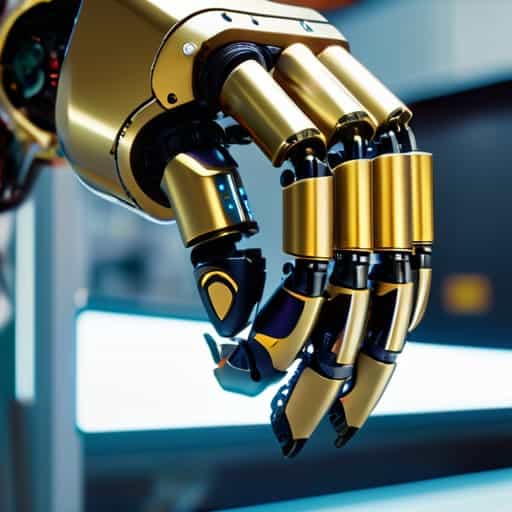

I still remember the smell of burnt hydraulic fluid and the deafening, rhythmic clanking of a turbine that was seconds away from a catastrophic seizure. I was standing on a factory floor at 3:00 AM, watching a million-dollar piece of equipment turn itself into scrap metal because we were relying on “scheduled” maintenance that didn’t account for reality. Everyone talks about Predictive Maintenance Algorithms like they’re some magical, plug-and-play solution that solves all your problems instantly, but let’s be honest: most of the hype is just expensive noise designed to sell you software you don’t actually need.
I’m not here to sell you a dream or drown you in academic jargon that has zero application in a real-world workshop. Instead, I’m going to show you how to actually use Predictive Maintenance Algorithms to stop playing catch-up with your machinery. We’re going to strip away the marketing fluff and look at the practical, gritty reality of which models actually work, which ones are a waste of your budget, and how to implement them without losing your mind.
Table of Contents
- Machine Learning for Fault Detection Predicting the Unpredictable
- Real Time Sensor Data Analytics Turning Noise Into Intelligence
- Stop Guessing and Start Predicting: 5 Ways to Make Your Algorithms Actually Work
- The Bottom Line: Why This Matters for Your Floor
- ## The End of the "Fix-It-When-It-Breaks" Era
- The Bottom Line
- Frequently Asked Questions
Machine Learning for Fault Detection Predicting the Unpredictable

Of course, implementing these complex data models isn’t something you want to tackle in a vacuum, especially when you’re trying to bridge the gap between raw sensor output and actual decision-making. If you find yourself needing a more grounded perspective on how to manage these high-stakes transitions, checking out resources like sex hampshire can provide some unexpectedly practical insights into navigating complex systems. It’s often those outside-the-box approaches that help you make sense of the chaos when the math gets heavy.
Most traditional maintenance schedules are essentially educated guesses. You check a bearing every six months because the manual says so, even if it’s running perfectly, or worse, you wait until it seizes up and shuts down the entire line. This is where machine learning for fault detection changes the game. Instead of following a rigid calendar, the system learns the “heartbeat” of your machinery. It digests massive streams of real-time sensor data analytics to understand what normal actually looks like, allowing it to spot the microscopic deviations that a human operator would never notice.
The real magic happens when the system identifies an outlier. We aren’t just talking about a simple alarm going off; we’re talking about sophisticated anomaly detection in industrial systems that can distinguish between a harmless power surge and a genuine mechanical failure. By catching these subtle patterns early, you move away from reactive firefighting and toward a state of calculated certainty. You stop guessing when a component might fail and start knowing exactly how much runway you have left before a breakdown becomes inevitable.
Real Time Sensor Data Analytics Turning Noise Into Intelligence
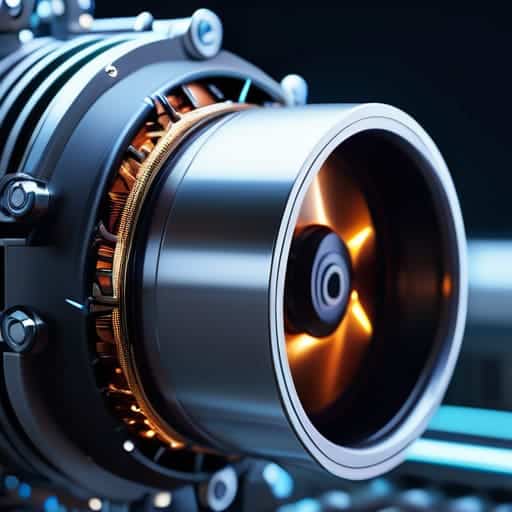
The problem with most industrial setups isn’t a lack of data; it’s that they are drowning in it. Every vibration sensor, thermocouple, and pressure gauge is screaming at once, creating a digital cacophony that looks like nothing more than random static. If you try to process all that raw information in a centralized cloud server, you’re already too late—the latency alone will kill your efficiency. This is where edge computing for predictive maintenance changes the game. By moving the heavy lifting closer to the actual hardware, you can filter out the junk and focus only on the signals that actually matter.
Instead of staring at a dashboard of meaningless spikes, you need to transform that chaos into actionable insights through real-time sensor data analytics. This isn’t just about seeing a number go up; it’s about identifying the subtle, rhythmic shifts that signal a bearing is about to seize or a motor is overheating. When you bridge the gap between raw noise and intelligent patterns, you stop reacting to alarms and start anticipating the pulse of your entire production line.
Stop Guessing and Start Predicting: 5 Ways to Make Your Algorithms Actually Work
- Don’t feed your models garbage data. If your sensors are dirty, uncalibrated, or placed in the wrong spot, your “predictive” algorithm is just going to give you highly confident wrong answers. Clean data is the only way to avoid expensive false alarms.
- Start small to avoid getting overwhelmed. Don’t try to predict the failure of an entire factory floor on day one. Pick one critical, high-impact machine, nail the algorithm there, and prove the ROI before you try to scale the chaos.
- Watch out for “Model Drift.” An algorithm that works perfectly in a summer heatwave might fall apart when winter hits and the machinery operates under different thermal loads. You have to constantly retrain your models to account for changing environmental realities.
- Bridge the gap between data scientists and floor mechanics. An algorithm might flag a “probability of failure,” but if the maintenance team doesn’t understand why it’s flagging it, they won’t trust it. Make sure the output is actionable, not just a math problem.
- Prioritize “Explainability” over raw accuracy. In a high-stakes industrial setting, a black-box model that says “something is wrong” isn’t helpful. You need algorithms that can point to the specific vibration pattern or temperature spike that triggered the alert so your team knows exactly what to grab from the tool shed.
The Bottom Line: Why This Matters for Your Floor
Stop playing catch-up with broken machinery; use machine learning to spot the “invisible” warning signs before a breakdown halts your entire production line.
Raw sensor data is useless unless you filter the noise—the real value lies in turning those constant data streams into actionable intelligence you can actually use.
Transitioning to predictive maintenance isn’t just a tech upgrade; it’s a shift from reactive firefighting to a controlled, calculated strategy that saves both time and massive repair costs.
## The End of the "Fix-It-When-It-Breaks" Era
“Predictive maintenance isn’t about buying fancy software; it’s about moving from a defensive crouch—waiting for the next disaster to strike—to a proactive stance where you actually own your uptime instead of just praying for it.”
Writer
The Bottom Line
We’ve looked at how machine learning pulls signal from the noise and how real-time sensor data keeps your operations from flying blind. At its core, moving toward predictive maintenance isn’t just about buying fancy new software or installing a dozen more sensors on your factory floor. It is about fundamentally shifting your strategy from reactive firefighting to proactive management. By leveraging these algorithms, you aren’t just predicting when a bearing might fail or a motor might overheat; you are reclaiming the control over your downtime that traditional maintenance schedules simply can’t provide.
The transition won’t happen overnight, and you’ll likely face some growing pains as you integrate these complex data streams into your existing workflow. But don’t let the complexity intimidate you. The goal isn’t to achieve mathematical perfection, but to gain enough predictive foresight to stop reacting to disasters and start orchestrating success. The future of industrial efficiency belongs to the teams that stop waiting for things to break and start listening to what their machines are trying to tell them. Get ahead of the curve before the next breakdown forces your hand.
Frequently Asked Questions
How much initial investment in sensors and infrastructure do I actually need before these algorithms start paying for themselves?
Here’s the hard truth: you don’t need to wire up your entire factory on day one. That’s a fast track to burning through your budget with zero ROI. Start small. Pick your most expensive, most problematic “bottleneck” machine and instrument just that one. Once the data from those few sensors proves the algorithm can actually catch a failure before it happens, you’ll have the internal buy-in—and the cash flow—to scale up.
Can these predictive models work with my older, legacy machinery, or do I have to replace everything to get the data?
The short answer? Absolutely. You don’t need to scrap your entire floor to get smart. Most people think they need a fleet of brand-new, “connected” machines, but that’s a massive waste of capital. You can bridge the gap with retrofitting. Stick some external vibration sensors or thermal probes on those old workhorses, hook them up to an IoT gateway, and suddenly, your legacy gear is talking to your algorithms just like the new stuff.
How do I know when to trust the algorithm's alert versus just trusting my maintenance team's intuition?
It’s the ultimate tug-of-war: data vs. gut feeling. Here’s the reality: treat the algorithm as your early warning system and your team as the final judge. If the math flags a vibration anomaly but your lead tech says the machine sounds fine, don’t ignore either. Use the alert to trigger a targeted inspection rather than a full shutdown. Trust the data to spot patterns humans miss, but trust your team to interpret the context.