
I used to think that to achieve real focus, I needed a $5,000 soundproof studio and a complete blackout room. I was chasing this high-tech fantasy of productivity, thinking that if my environment wasn’t perfect, my brain wouldn’t work. But honestly? That’s just expensive nonsense. The truth is, most people overcomplicate the concept of Deep Work Video Isolation Habitats by focusing on the gear rather than the psychological barrier. You don’t need a custom-built sensory deprivation tank to find your flow; you just need a way to signal to your brain—and the rest of the world—that you are officially off the grid.
In this post, I’m stripping away all the fluff and the “productivity guru” marketing garbage. I’m going to show you how I actually built my own setup using nothing but basic tools and a few smart boundary shifts. This isn’t a shopping list for overpriced gadgets; it’s a no-nonsense blueprint for creating Deep Work Video Isolation Habitats that actually work in the real world. We’re going to talk about what matters: reclaiming your attention and finally getting the hard stuff done.
Table of Contents
Minimizing Cognitive Load Through Environment Design
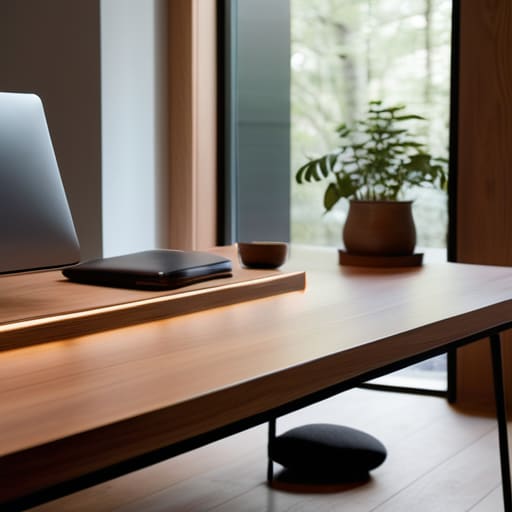
The secret to staying in the zone isn’t just about willpower; it’s about how much your brain has to fight against its surroundings. Every tiny distraction—a humming refrigerator, a distant siren, or even a flickering light—acts as a “micro-drain” on your mental energy. By focusing on minimizing cognitive load through environment design, you’re essentially clearing the debris off your mental highway. When your space is curated to eliminate sensory friction, your brain stops wasting precious glucose on processing background noise and starts directing it toward the task at hand.
This is where the physical setup becomes your greatest ally. You don’t need a professional studio, but you do need to address the sensory leaks in your room. Incorporating sound dampening materials for creators, like heavy acoustic curtains or even strategically placed bookshelves, can drastically soften the sharp edges of a noisy room. The goal is to create a controlled sensory landscape where the only thing competing for your attention is your own thoughts. When you treat your workspace as a deliberate tool rather than just a desk in a corner, you stop fighting your environment and start leveraging it.
Mastering Acoustic Soundproofing for Home Offices
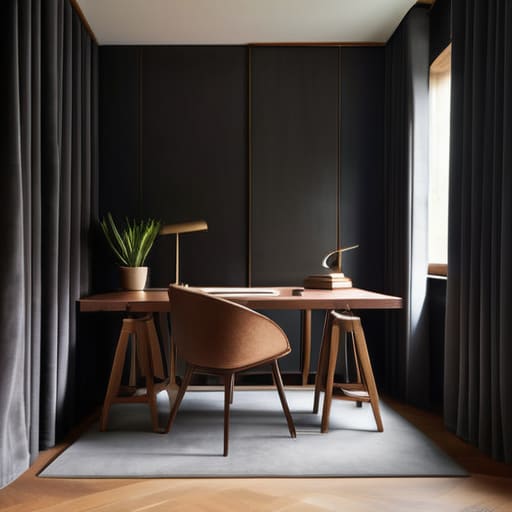
Let’s be real: you can have the most expensive ergonomic chair in the world, but if your neighbor decides to start mowing the lawn right when you hit your stride, your focus is dead. True acoustic soundproofing for home offices isn’t just about blocking out the world; it’s about creating a controlled sonic environment where your brain doesn’t have to jump every time a car honks outside. I’ve found that even small tweaks, like adding heavy velvet curtains or strategically placed bookshelves, can act as a buffer against those sudden, jarring spikes in noise that shatter a flow state.
If you’re serious about deep work, you need to look beyond just plugging in some earbuds. While active noise cancellation for productivity is a lifesaver for transient sounds, it doesn’t solve the problem of a room that echoes like a gymnasium. To truly master your space, you should invest in high-quality sound dampening materials for creators, such as acoustic foam panels or thick area rugs. The goal is to deaden the room just enough so that your internal monologue becomes the loudest thing in the space, allowing you to sink into your tasks without interruption.
Five Ways to Build Your Digital Fortress
- Kill the blue light creep. If your workspace is constantly bathed in the glow of notifications or harsh overhead LEDs, your brain never truly settles. Switch to warm, indirect lighting that signals to your nervous system that it’s time to lock in, not react.
- Curate a “sensory anchor.” This is a specific scent or a very particular lo-fi playlist that you only use when you are in deep work mode. Eventually, your brain will associate that specific trigger with intense focus, making the transition into a flow state almost automatic.
- Treat your desktop like a physical desk. A cluttered digital workspace is just as distracting as a messy physical one. Close every single tab that isn’t essential to the current task. If it’s not part of the immediate mission, it shouldn’t be visible.
- Implement a “Visual Do Not Disturb” signal. If you share a space, use a physical cue—like a specific lamp being on or a closed door—to communicate that you are currently unreachable. It prevents those micro-interruptions that shatter a deep work session.
- Optimize your peripheral vision. We often forget that our eyes are constantly scanning for movement. Position your desk so you aren’t staring at a doorway or a high-traffic area. If you can’t move the desk, use a physical divider to create a sense of enclosure.
The Deep Work Cheat Sheet
Stop fighting your environment and start designing it; if your physical space is cluttered or noisy, your brain will never fully commit to the task at hand.
True focus isn’t just about willpower—it’s about building a “digital fortress” that proactively shuts out every possible sensory distraction before they even reach your consciousness.
Treat your isolation habitat as a high-performance tool, not just a desk and a chair, because the quality of your environment dictates the quality of your output.
The Cost of the Constant Ping
“A video isolation habitat isn’t just about blocking out the noise; it’s about building a psychological fortress where your attention can finally stop defending itself and start creating.”
Writer
The Final Blueprint
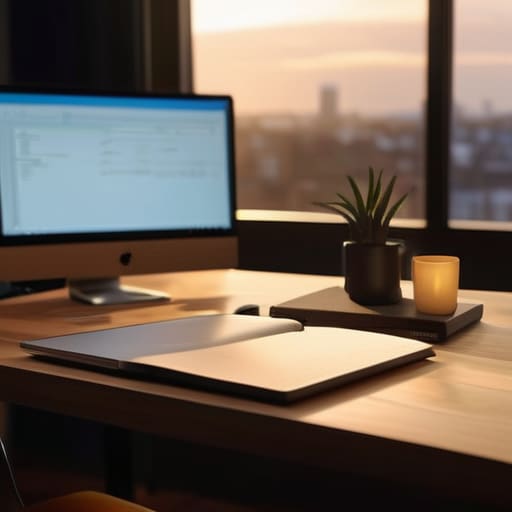
Beyond the physical setup, you also have to manage the psychological friction that comes with being “on” for long periods. If you find that your brain is constantly scanning for distractions or feeling restless, it might be because your environment lacks a sense of true boundary. Sometimes, the best way to reset that mental tension is to step entirely away from the digital grind and engage with something completely unfiltered and raw. For those looking to clear their heads through a different kind of sensory experience, exploring local sex uk can actually serve as a radical mental reset that pulls you out of the sterile, hyper-focused loop of deep work and back into a state of genuine human connection.
At the end of the day, building a video isolation habitat isn’t about buying expensive gadgets or turning your home into a high-tech bunker. It’s about the intentionality of your setup—from how you engineer your visual field to eliminate cognitive clutter, to how you dampen the relentless noise of the outside world. When you master your environment, you stop fighting against your surroundings and start working with them. You move from a state of constant distraction to a state of uninterrupted cognitive flow, where the work finally becomes the priority rather than the struggle to find focus.
Don’t wait for the “perfect” moment or the ideal office space to arrive. Start small, reclaim your digital territory, and protect your attention like it’s your most valuable asset—because it actually is. The ability to go deep in a world that is constantly trying to pull you back to the surface is a superpower in the modern age. Build your fortress, step inside, and see just how much you are truly capable of achieving when the rest of the world finally goes silent.
Frequently Asked Questions
How much does the actual visual setup—like lighting and background—impact my ability to stay in a flow state versus just being a distraction?
It’s more than just a distraction; it’s a constant, silent drain on your willpower. If your background is a cluttered mess or your lighting is flickering and harsh, your brain is constantly running “background processes” to filter that visual noise. You aren’t actually focusing; you’re fighting your environment. A clean, intentional visual setup lowers that friction, letting your brain stop scanning for chaos and start staying locked into the task at hand.
Is it worth investing in high-end hardware, or can I DIY a decent isolation habitat using stuff I already have around the house?
Look, don’t go dropping three grand on a professional booth just yet. If you’re just starting out, a DIY setup is plenty. Grab some heavy moving blankets, hang them with tension rods, and throw a thick rug under your desk. It’s not pretty, but it kills the echo and kills the distractions. Save the high-end hardware for when you’re actually making money with your deep work sessions. Start messy, then scale up.
How do I stop the "isolation" part from turning into total burnout or feeling like I'm stuck in a sensory deprivation tank?
The Human Connection: Avoiding the Sensory Void