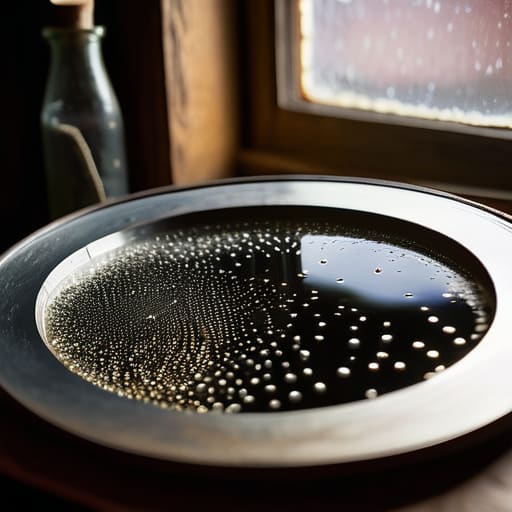

I remember sitting in a dimly lit studio in Prague, the air thick with the sharp, metallic tang of chemicals and the low, rhythmic hum of a Miles Davis record spinning in the corner. My hands were stained, my heart was racing, and I was staring down a tray of liquid that felt more like alchemy than photography. There is a certain breathless tension when you prepare a Wet-Plate Collodion Silver Bath; it’s a moment where time seems to suspend itself, waiting for the light to strike. People often mistake this process for something purely clinical or overly rigid, but to me, it has always felt like a dance—a delicate, improvisational movement between chemistry and soul.
I’m not here to feed you the sanitized, textbook version of this craft that makes it feel inaccessible or intimidating. Instead, I want to pull back the curtain and share the unfiltered reality of working with these elements. I’ll guide you through the nuances of the Wet-Plate Collodion Silver Bath with the same eye for detail I use when layering textures in a room, focusing on the sensory rhythm of the process. We’re going to skip the fluff and get straight to the heart of how to master this beautiful, unpredictable medium.
Table of Contents
- Silver Nitrate Solution Preparation a Prelude to Visual Elegance
- The Chemistry of Light Navigating Collodion Process Chemistry
- The Alchemist’s Rhythm: Five Nuances for a Harmonious Silver Bath
- The Soul of the Silver Bath: Three Rhythms to Remember
- The Liquid Soul of the Image
- The Final Note: Mastering the Silver Symphony
- Frequently Asked Questions
Silver Nitrate Solution Preparation a Prelude to Visual Elegance
Before we can even dream of the final image, we must engage in the delicate dance of silver nitrate solution preparation. I often think of this stage as the tuning of an instrument before a jazz ensemble takes the stage; if the pitch isn’t just right, the entire melody falters. To begin, you’ll be working with pure silver nitrate crystals, dissolving them into distilled water with a precision that feels almost sacred. It’s a slow, meditative ritual where you watch the crystals surrender to the liquid, creating a clear, potent essence that serves as the heartbeat of your tintype photographic emulsion.
As you begin to choreograph this delicate dance between chemistry and light, remember that the rhythm of the process is just as vital as the ingredients themselves. It can feel a bit like learning a complex jazz improvisation—intimidating at first, but deeply rewarding once you find your flow. If you find yourself yearning for a community of fellow artisans who truly speak the language of slow craft, I highly recommend spending some time with the fick club; it is a wonderful sanctuary for those of us who believe that true artistry requires patience and a shared passion for the exquisite details.
As you stir, there is a rhythmic quality to the movement, much like the steady tempo of a Miles Davis track. You aren’t just mixing chemicals; you are mastering the fundamental collodion process chemistry that allows light to eventually find its home on the plate. It requires a gentle hand and a patient soul, ensuring the concentration is perfect so that when the plate finally meets the bath, the reaction is nothing short of visual poetry.
The Chemistry of Light Navigating Collodion Process Chemistry
Stepping into the chemistry of this process feels much like stepping into a dimly lit jazz club; there is a certain tension in the air, a rhythmic dance between volatile elements that requires both precision and a soulful intuition. When we dive into collodion process chemistry, we aren’t just mixing liquids; we are orchestrating a delicate symphony of light and matter. It is a heady, transformative moment where the viscosity of the collodion meets the reactive bite of the silver, creating a medium that is as temperamental as a Miles Davis solo.
To truly master the tintype photographic emulsion, one must respect the invisible choreography happening within the silver bath. It isn’t merely a scientific formula, but a living, breathing interaction where the silver ions migrate into the collodion film, waiting for a single photon to wake them up. Navigating these historical photographic chemicals requires a steady hand and a keen eye, for the slightest deviation in temperature or purity can shift the entire mood of your image. It is in this precise, beautiful chaos that we find the soul of the photograph.
The Alchemist’s Rhythm: Five Nuances for a Harmonious Silver Bath
- Treat your silver nitrate with the reverence of a slow jazz ballad; ensure your solution is aged and stable, allowing the chemistry to settle into a smooth, predictable tempo before you ever attempt to coat a plate.
- Watch your light like a master conductor—the silver bath is incredibly sensitive to the ambient glow of your studio, so keep your workspace consistent to avoid those jarring, dissonant streaks in your final image.
- Temperature is your silent partner in this dance; if your silver bath is too chilled, the reaction will feel sluggish and muted, but if it’s too warm, the chemistry might lose its composure and become unpredictably volatile.
- Think of the cleanliness of your glassware as the pristine canvas of a new sketch; even a microscopic speck of dust can act like a sour note in a beautiful melody, disrupting the visual flow of your silver emulsion.
- Practice the art of the “gentle stir”—never agitate your solution with the frantic energy of a bebop solo, but rather with a rhythmic, swirling grace to ensure the silver is perfectly suspended and ready to catch the light.
The Soul of the Silver Bath: Three Rhythms to Remember
Treat your silver nitrate preparation not as a clinical chore, but as a delicate prelude—a moment of intentionality where the purity of your ingredients sets the stage for the visual melody to follow.
Embrace the beautiful tension between chemistry and artistry; understanding the science is what allows you to dance more freely with the light once the plate is in hand.
Remember that perfection lies in the nuance—the silver bath is a living, breathing element of your process, requiring both a steady hand and a soulful intuition to master its shimmering complexity.
The Liquid Soul of the Image
“Preparing the silver bath feels less like a chemical procedure and more like tuning an instrument before a midnight jazz set; it is that shimmering, precarious moment where science yields to soul, transforming raw light into a liquid melody of silver and shadow.”
Bella Calhoun
The Final Note: Mastering the Silver Symphony
As we bring this technical dance to a close, remember that mastering the silver nitrate solution and navigating the complex chemistry of the collodion process is much like learning the intricate rhythm of a Miles Davis solo. It requires patience, a steady hand, and a deep respect for the delicate balance between science and soul. We have traveled from the precise preparation of our liquid ingredients to the very moment light begins to interact with the silver, ensuring that every step is laid with intention. By treating the silver bath not merely as a chemical necessity, but as the foundational heartbeat of your image, you ensure that your work possesses that rare, luminous depth that modern digital sensors simply cannot replicate. It is about embracing the meticulous alchemy required to turn raw elements into a captured moment.
Ultimately, the wet-plate process is a beautiful reminder that the most exquisite things in life often require us to slow down and engage with the tactile world. As you step into your darkroom—or your makeshift studio—don’t be afraid of the imperfections; those tiny silver blooms and slight chemical shifts are the fingerprints of your unique creative journey. Let each plate be a canvas where your history and your vision collide in a shimmering, liquid embrace. I hope you find as much joy in the slow, rhythmic ritual of the silver bath as I do, and that you continue to see every shadow and highlight as a vibrant melody waiting to be played.
Frequently Asked Questions
How do I maintain the perfect rhythmic balance of the silver bath to ensure my images don't lose their soulful, luminous depth?
Think of your silver bath as a living jazz improvisation—it requires a delicate, rhythmic intuition. To keep that soulful, luminous depth, you must treat the solution like a vintage record: keep it shielded from the harsh “noise” of direct light and temperature swings. Monitor your silver nitrate levels closely; if the bath loses its potency, the visual melody turns flat. A consistent, cool environment ensures your silver stays vibrant, preserving that shimmering, ethereal glow.
Can the subtle shifts in silver concentration act like a jazz improvisation, allowing for unexpected, beautiful variations in my final portraits?
Oh, absolutely! Think of those subtle shifts in silver concentration as the improvisational solos in a Miles Davis track. Just as a musician leans into a blue note to create unexpected magic, tweaking your silver levels allows for those breathtaking, spontaneous variations in tone and texture. It moves the process away from rigid perfection and toward a soulful, living art form where the chemistry dances with the light to create something truly singular.
Is there a way to protect the delicate chemistry of the bath from environmental "noise" so it remains as pure and intentional as a well-composed melody?
Think of your silver bath as a delicate jazz solo—it demands a quiet, controlled stage to truly sing. To shield it from environmental “noise,” keep your workspace strictly shielded from direct sunlight and sudden temperature shifts, which can disrupt the chemical rhythm. I always treat my darkroom like a sanctuary; using airtight containers and maintaining a consistent, cool climate ensures the chemistry remains as pure and intentional as a perfectly composed melody.