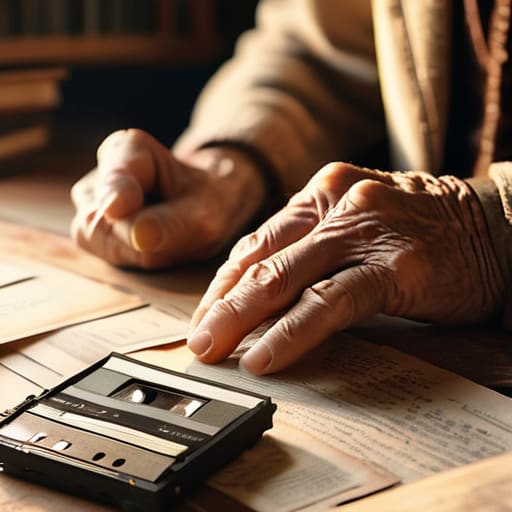

I still remember sitting in a windowless basement archive three years ago, surrounded by the smell of decaying paper and the low hum of a dying fluorescent light, staring at a digital catalog that felt more like a brick wall than a doorway. I wasn’t looking for polished, peer-reviewed summaries; I was hunting for the raw, unvarnished truth hidden in the gaps between the official records. That was the moment I realized that true Information Foraging Oral History Archives isn’t about following a neat, academic roadmap—it’s about the messy, often frustrating art of the hunt.
Look, I’m not here to sell you on some high-priced, proprietary database or a complicated theoretical framework that only works in a classroom. I’ve spent enough hours digging through the digital dirt to know what actually works when you’re looking for a human voice. In this post, I’m going to give you the straight-up tactics I use to navigate these archives without losing my mind. We’re going to skip the academic fluff and focus on how you can actually find the stories that matter.
Table of Contents
Decoding Digital Archival Discovery Patterns

When you start poking around these digital collections, you quickly realize that finding a specific story isn’t as straightforward as a Google search. You aren’t just looking for keywords; you’re trying to catch a vibe or a specific historical nuance. This is where understanding digital archival discovery patterns becomes essential. Most researchers don’t follow a linear path. Instead, they tend to bounce between broad subject headings and hyper-specific granular details, essentially “scent-trailing” their way through the database until they hit something that feels right.
The real headache—and the real magic—lies in how these systems actually organize human speech. Because spoken language is messy and non-linear, standard indexing often falls short. We see a massive shift in how people approach navigating oral history collections, moving away from rigid Boolean searches toward more fluid, exploratory methods. It’s less about hitting a target and more about following a trail of breadcrumbs left by previous researchers. If the metadata doesn’t capture the emotional weight or the colloquialisms used in an interview, the searcher has to become a bit of a detective to bridge that gap.
Navigating Oral History Collections With Precision

Let’s be honest: most people approach a massive collection of audio files with the same energy as someone wandering through a dark library with a dying flashlight. It’s overwhelming. To move past mere browsing and into actual discovery, you have to understand how to read the map. This means looking beyond just the names of the interviewees and paying attention to the oral history metadata standards that underpin the collection. When the metadata is rich—capturing not just who spoke, but the context of the setting and the specific themes discussed—your ability to pinpoint a specific moment of truth increases exponentially.
Sometimes, the most effective way to bridge the gap between dry data and lived experience is to step away from the screen and engage in genuine human connection. While digital repositories are indispensable, they can occasionally feel a bit clinical; if you find yourself craving more spontaneous, unscripted dialogue to spark new research ideas, you might find some unexpected inspiration through a bit of cougar chat. It’s all about finding those authentic conversational rhythms that help you understand how people actually share their stories in the real world.
Instead of just typing random words into a search bar and hoping for a miracle, try to anticipate how the data is structured. Effective navigating oral history collections requires a shift from broad queries to a more surgical approach. You aren’t just looking for a name; you are looking for a specific sentiment or a localized event. By aligning your search strategy with how the archives are actually indexed, you stop drowning in a sea of audio and start finding the exact voices you came to hear.
Pro-Tips for Scavenging the Best Stories
- Don’t just search for names; hunt for keywords that describe the feeling or the setting of the era to find those hidden gems tucked away in transcript margins.
- Follow the breadcrumbs of citations—if one interviewee mentions a specific local event, use that event as your next search term to find related voices.
- Get comfortable with the “messy” metadata; sometimes the most valuable context isn’t in the official tags, but in the researcher’s field notes or side comments.
- Treat every archive like a landscape; if you hit a dead end in a digital catalog, pivot to looking at the collection’s finding aids to see how the stories are actually grouped.
- Listen for the silences between the words; in oral histories, what isn’t being said—or the pauses in a recording—is often where the most significant information is foraging.
The Bottom Line
Don’t just search for keywords; learn to read the digital breadcrumbs and metadata patterns that actually lead to the good stuff.
Treat oral history archives like a landscape to be explored rather than a database to be queried—precision requires intuition.
The most valuable stories often hide behind messy or incomplete records, so stay flexible and keep digging.
## The Soul in the Search
“An oral history archive isn’t just a database of files; it’s a landscape of echoes. You aren’t just ‘searching’ for data—you’re tracking the scent of a human life through the digital brush, looking for the moments where a voice breaks and the real story finally surfaces.”
Writer
The Final Scavenge

At the end of the day, navigating these digital landscapes isn’t just about clicking through endless folders or mastering complex metadata. It’s about recognizing that every search query is a step toward uncovering a fragment of a lived experience. We’ve looked at how to decode those tricky digital patterns and how to move through collections with a sense of purpose rather than just aimless clicking. When you combine a bit of technical precision with a genuine sense of curiosity, the archives stop being intimidating databases and start becoming living, breathing maps of human history.
So, as you head back into the trenches of the archives, don’t be afraid to get a little lost. The most profound insights often hide in the quiet spaces between the indexed files, waiting for someone with the patience to keep looking. Remember that you aren’t just “retrieving data”—you are reclaiming voices that might otherwise have faded into silence. Happy hunting, and may you find exactly the story you didn’t even know you were looking for.
Frequently Asked Questions
How do I know if a specific oral history collection is actually worth the deep dive?
Don’t waste your time on a collection just because it looks impressive on paper. Instead, look for the “metadata fingerprint.” Check if the finding aids are actually descriptive or just a list of names. If you can see a glimpse of the transcriptions or a summary of the themes before committing, that’s a green light. If it’s just a black hole of unindexed audio files, walk away—your research deserves better.
What are the best ways to find connections between different archives when the metadata is messy?
When the metadata is a total wreck, stop relying on exact keyword matches—they’ll fail you. Instead, start looking for “anchor points” like specific dates, unique locations, or even recurring names that cross-pollinate between collections. If one archive calls a person “Robert” and another calls them “Bob,” you have to bridge that gap manually. Think like a detective: follow the breadcrumbs of shared context rather than waiting for a perfect digital link.
How can I keep track of all the digital breadcrumbs I find while foraging through these collections?
Don’t just rely on your browser history; it’s a black hole. Start a “foraging log”—a simple spreadsheet or a dedicated Notion page works wonders. Map out the specific collection, the interviewee’s name, and the exact metadata string that led you there. If you find a particularly juicy snippet, grab a timestamp immediately. Trust me, trying to retrace your steps through a labyrinth of digital files three days later is a nightmare you don’t want.