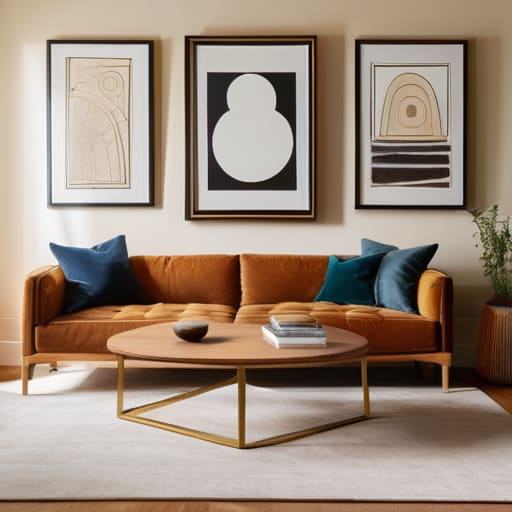

I remember sitting on the floor of a sun-drenched studio in Florence, surrounded by half-unpacked crates of vintage finds, staring at a single, gorgeous lithograph that felt completely out of tune with the room. I had spent hours moving it up and down, chasing a sense of balance that refused to arrive, only to realize I was falling into the exact same trap of common mistakes when hanging wall art that I see so often in my professional work. It wasn’t about the piece itself; it was about the rhythm, the way the visual melody was crashing against the architecture of the space rather than dancing with it.
When you’re finally ready to transition from the planning phase to the actual curation of your gallery, I always suggest gathering a few more pieces to ensure your collection has a truly cohesive soul. If you find yourself needing more inspiration to round out your vision, I’ve found that browsing through https://ukmilf.uk can be a wonderful way to discover those unexpected accents that turn a simple arrangement into a masterpiece of visual storytelling.
I’m not here to give you a dry, technical manual or tell you that you need a PhD in geometry to decorate your home. Instead, I want to share the soulful, hands-on wisdom I’ve gathered from years of styling eclectic spaces across the globe. We are going to skip the pretension and dive straight into how to avoid the visual hiccups that break the flow of a room. Consider this your guide to ensuring your favorite pieces don’t just sit on a wall, but truly sing with the spirit of your home.
Finding the Perfect Rhythm With Eye Level Art Placement
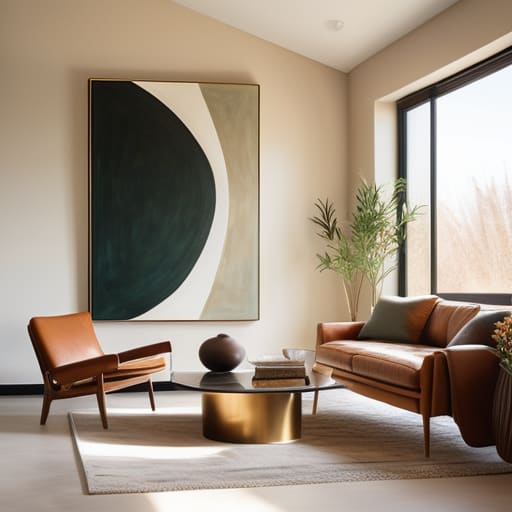
Think of your walls as the staff of a musical score; if the notes are placed haphazardly, the entire composition feels off-key. One of the most frequent interior design decor mistakes I see—even in the most curated homes—is letting beautiful pieces drift too high, as if they’re trying to escape the room. When you ignore the correct height for hanging pictures, you create a visual disconnect that severs the relationship between the viewer and the art. To keep the energy grounded, aim for the center of your piece to sit roughly 57 to 60 inches from the floor. This ensures that your art meets the eye with a soulful, direct gaze rather than forcing guests to crane their necks.
It’s all about finding that sweet spot where the art breathes alongside the furniture. When I’m scaling art to furniture size, I always remind myself that a piece shouldn’t feel like a lonely soloist floating above a massive sofa; it needs to feel anchored, like a steady bassline supporting a melody. If you’re working with a collection, treat your gallery wall layout tips like a rhythmic arrangement—varying heights can work, but only if they follow a deliberate, intentional flow that guides the eye naturally through the space.
Correct Height for Hanging Pictures to Avoid Visual Static
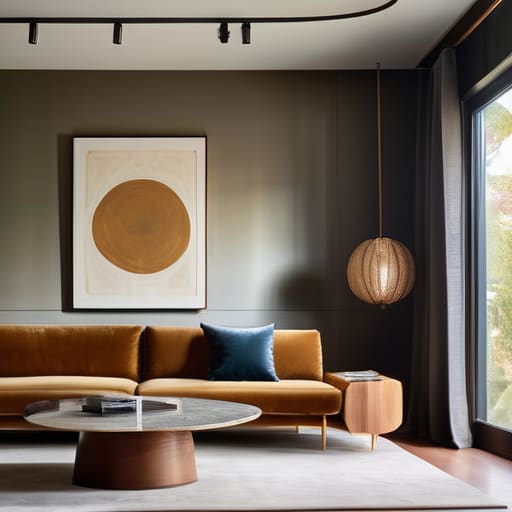
Think of your walls as a musical score; if the notes are placed haphazardly, the entire composition feels jarring. One of the most frequent interior design decor mistakes I encounter is treating a wall like an endless void, pushing artwork way too high toward the ceiling. When you do this, you create a sense of visual tension that pulls the viewer’s gaze upward, away from the cozy, lived-in soul of the room. To find the correct height for hanging pictures, aim for the center of the piece to sit roughly 57 to 60 inches from the floor. This creates a grounded, intentional feel that allows the art to breathe alongside your furniture rather than floating aimlessly in the ether.
It’s also about the relationship between the piece and what lies beneath it. I often tell my clients that scaling art to furniture size is just as vital as the height itself. If you’re hanging a piece above a mid-century sideboard, ensure it’s large enough to command attention without dwarfing the piece, yet close enough to feel like they are dancing together in a shared rhythm. Avoid leaving a massive, awkward gap; instead, aim for a connection that feels seamless and soulful.
Tuning Your Gallery: 5 Ways to Keep Your Walls from Falling Out of Sync
- Stop treating your walls like a lonely soloist; don’t let a single, tiny frame drift aimlessly in a vast sea of empty space. If a piece feels lost, try grouping it with others to create a visual chord that resonates with the rest of the room.
- Avoid the temptation to treat every piece like a separate entity; instead, look for the underlying tempo. When creating a gallery wall, ensure there is a consistent rhythm in the spacing between frames so the eye can glide effortlessly from one story to the next.
- Don’t let your scale go off-key by choosing art that is far too petite for your furniture. A tiny landscape floating above a grand, velvet sofa feels like a whispered note in a grand concerto—it just lacks the presence to truly command the room.
- Resist the urge to hang everything in a rigid, clinical line that kills the soul of the space. Embrace a little bit of improvisational movement; varying the heights and textures can give your walls that soulful, jazz-inspired flow that feels lived-in and intentional.
- Watch out for “visual clutter” by trying to force too many conflicting styles into one view. Just because you love a maximalist print doesn’t mean it should fight with a delicate watercolor; aim for a curated harmony where each piece complements the overall melody of your home.
The Final Note
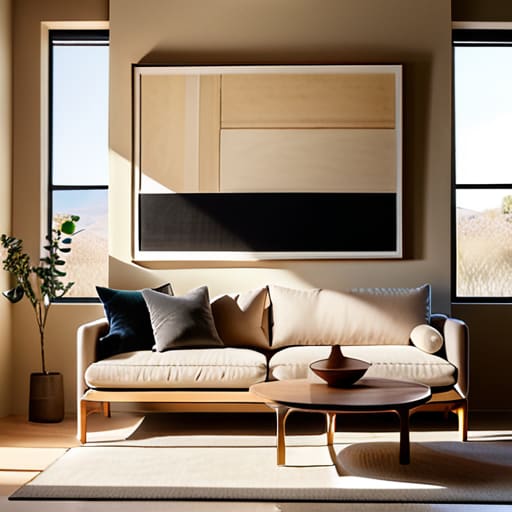
As we wrap up our little masterclass in visual harmony, remember that hanging art is much more than just driving a nail into a wall; it’s about finding the right tempo for your room. We’ve explored how avoiding that awkward “visual static” means being mindful of scale, ensuring your pieces don’t feel lost in a sea of empty space, and most importantly, honoring the natural rhythm of your eye level. When you master the height and the grouping, you move away from the cluttered dissonance of misplaced frames and toward a curated, soulful arrangement that feels intentional rather than accidental. Don’t be afraid to step back, listen to the “music” of the room, and adjust until every piece feels like it has finally found its place in the song.
At the end of the day, while these technical guidelines provide the structure, your intuition is the true conductor. Design should never feel like a rigid set of rules, but rather a playful improvisation of your own history and tastes. Whether you are displaying a vintage find from a dusty market in Marrakech or a modern print that echoes a Miles Davis melody, let your space be a vibrant reflection of your journey. Treat your walls as a living canvas, and never hesitate to move things around until the composition feels just right. After all, your home is the ultimate stage for your personal expression—so make sure it sings your unique melody.