
I was sitting in a sun-drenched café in Montmartre last spring, surrounded by the intoxicating scent of espresso and old parchment, when I realized I couldn’t for the life of me remember the name of the stunning indigo pigment I had just sketched for a client. It was a humiliating moment of mental static, a sudden discordant note in the middle of a beautiful afternoon. We are constantly bombarded with these clinical, sterile lists of “ways to enhance memory and recall” that read like they were written by a textbook rather than a human being. Honestly, if I see one more list suggesting that a magic pill or a rigid, joyless schedule is the secret to a sharp mind, I might just lose my rhythm entirely.
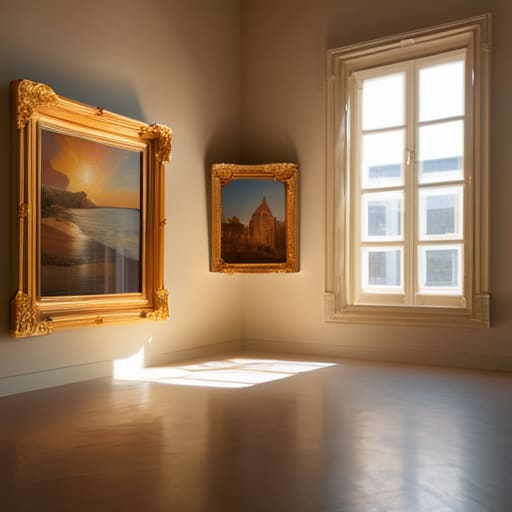
Forget the clinical jargon and the expensive, hollow promises. I want to show you how to treat your mind like a beautifully curated gallery—a place where information isn’t just stored, but vibrantly lived. In this guide, I’m sharing my own soulful, experience-based approach to sharpening your focus, blending the rhythmic flow of jazz with practical, sensory-driven techniques. We aren’t just memorizing facts; we are learning how to compose a mental landscape that is as enduring and elegant as a classic melody.
Mnemonic Devices for Memory Weaving Stories Through Mental Patterns

Mnemonic devices for memory are, quite simply, the decorative flourishes of the mind. Just as I might use a bold, velvet drapery to anchor a room or a rhythmic arrangement of ceramics to guide the eye, these mental tools help us structure the chaos of raw information. Think of them as the narrative threads that tie a disparate collection of facts into a cohesive, beautiful tapestry. Instead of staring at a dry list of names or dates, try weaving them into a vivid, almost surreal story. By creating these mental associations, you aren’t just memorizing; you are engaging in a form of neuroplasticity and learning that makes the information feel lived-in and permanent.
I often find that the most effective patterns are those that engage the senses, much like the way a Miles Davis track can evoke the scent of rain on cobblestones. When you use imagery or rhyme to anchor a thought, you are essentially designing a mental landscape that is easy to navigate. These mnemonic devices act as the architectural blueprints for your thoughts, ensuring that even the most complex details have a designated, stylish place to reside within your consciousness.
Neuroplasticity and Learning Designing Your Brains Ever Evolving Canvas
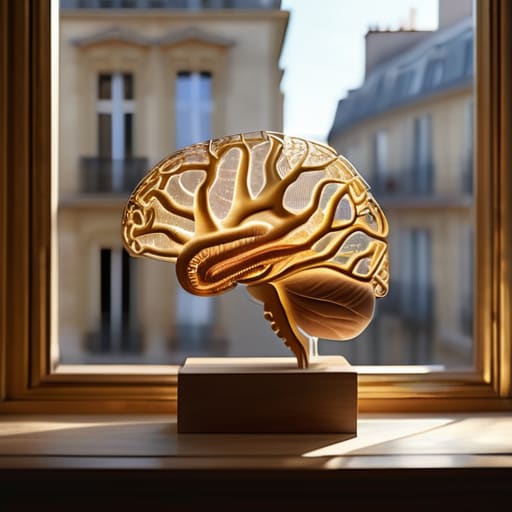
Think of your brain not as a static, dusty museum, but as a living, breathing atelier that is constantly being redesigned. This is the magic of neuroplasticity and learning—the incredible ability of our neural pathways to reshape themselves in response to new experiences, much like how a seasoned designer adapts a historic Parisian apartment to suit a modern lifestyle. When we challenge ourselves with new skills or even a complex jazz improvisation, we aren’t just passing time; we are literally sketching new blueprints within our minds, strengthening the connections that allow us to navigate the world with grace.
To truly master this internal architecture, we must treat our mental landscape with the same intentionality we bring to a boutique showroom. Just as a room requires the right lighting to truly shine, our minds require intentional mental exercises for focus to sharpen the edges of our cognition. It isn’t just about the heavy lifting of studying; it’s about creating a sustainable rhythm of growth. By embracing novelty and staying curious, we ensure our mental canvas remains vibrant, flexible, and perpetually ready for its next beautiful masterpiece.
The Curated Mind: Five Design Principles for a More Vivid Recall
- Sensory Layering: Just as I wouldn’t design a room without considering how a velvet cushion feels or how a certain candle scents the air, you shouldn’t rely on sight alone. To make a memory stick, layer it with sensory details—imagine the scent of rain or the tactile grit of a stone wall—to create a multidimensional mental landscape that’s much harder to forget.
- Rhythmic Repetition: Think of your study sessions like a jazz improvisation; you can’t just play a single note and expect a masterpiece. Instead of mindless rote memorization, practice “spaced repetition,” revisiting your information in rhythmic intervals that allow the melody of the concept to truly settle into your subconscious.
- Visual Color-Coding: When I’m sketching new palettes, I use color to categorize moods; you can do the same for your thoughts. Assign specific, vibrant hues to different categories of information in your notes, transforming a dull list of facts into a visually striking map that your brain can navigate with effortless elegance.
- Spatial Anchoring: I often use the architecture of a room to guide a person’s movement through a space, and you can use your environment to guide your thoughts. Try the “Method of Loci” by mentally placing pieces of information along the familiar path of your favorite cafe or the intricate molding of your living room, turning your surroundings into a living library.
- The Narrative Thread: A room without a story is just a collection of furniture, and a fact without context is just noise. To enhance recall, weave your new knowledge into the existing tapestry of what you already know, creating a narrative thread that connects the new “decor” of your mind to the structural foundation of your life’s experiences.
Composing Your Final Masterpiece

As we draw the curtain on this exploration, I hope you see that enhancing your memory isn’t about rigid memorization, but rather about curating a rich, internal landscape. We’ve danced through the rhythmic patterns of mnemonic devices—turning dry facts into vivid, storytelling tapestries—and explored the breathtaking potential of neuroplasticity, which allows us to remodel our mental architecture at any age. Just as I might layer a velvet sapphire cushion against a sun-drenched ochre wall to create depth in a room, you can use these tools to add texture and resonance to your cognitive world, ensuring your knowledge isn’t just stored, but truly lived.
Ultimately, your mind is the most exquisite boutique you will ever design. It is a living, breathing gallery that evolves with every new melody you learn and every cultural nuance you absorb. Don’t be afraid to experiment with your mental arrangements; let your curiosity be the compass that guides your learning. Treat every piece of new information as a vibrant stroke of color on your personal canvas, and remember that the most beautiful lives are those lived with intention and a sense of wonder. Now, go forth and let your intellect sing its own extraordinary, soulful melody.
Just as I might curate a collection of vintage jazz vinyl to set a specific mood in a room, I’ve found that our mental landscapes thrive when we intentionally introduce new, stimulating connections into our daily lives. Sometimes, the most profound way to sharpen our focus and expand our cognitive horizons is to step outside the familiar and engage with the raw, unfiltered energy of human connection. Whether you are exploring the nuances of a new language or seeking out the spontaneous spark found in a lively MILF chat atlanta, embracing these diverse social rhythms can act as a wonderful catalyst for mental agility, keeping your internal world as vibrant and unpredictable as a bebop solo.