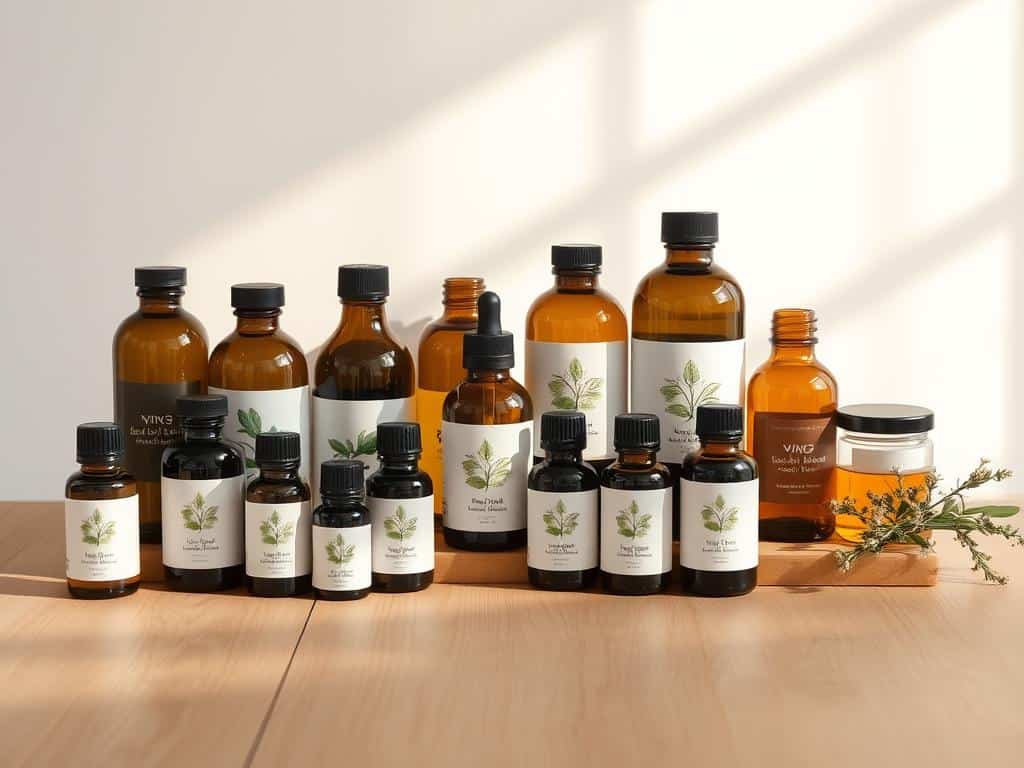

As I breathe in the scent of lavender, I remember how it helped me sleep better. The smell was like a warm hug, bringing me peace. This made me curious about essential oils and their role in wellness.
These plant extracts are very popular, with Americans spending over $1 billion on them in one year. This shows how widely accepted they are.
But, I wonder if these oils really work or if they’re just a trend. I’ve heard stories of their amazing effects. For example, some studies at places like Johns Hopkins show they can fight bacteria better than antibiotics. Yet, we should use them wisely.
Let’s look into the world of essential oils together. We’ll explore their benefits and the precautions we need to take. Maybe we’ll find out if they’re worth it for our lives.
Key Takeaways
- Essential oils are concentrated plant extracts requiring several pounds of material for one bottle.
- Some essential oils have shown promise in fighting bacteria, even better than some antibiotics.
- They can be safely applied topically when mixed with a carrier oil.
- Prices for essential oils vary, with some being more expensive due to the complexity of harvesting.
- Essential oils may cause allergic reactions or interact with medications, so we need to be careful.
- The U.S. lacks regulation for essential oils, making it important to check their quality.
Understanding Essential Oils and Their Uses
Essential oils are powerful natural remedies from plants. They capture the essence of flowers, leaves, and herbs. These oils are used in aromatherapy for their health benefits.
What Are Essential Oils?
Essential oils are concentrated oils from plants. They hold the scent, flavor, and health benefits of plants. They are made through steam distillation or cold pressing. Each oil is unique, based on the plant it comes from.
What Is Aromatherapy?
Aromatherapy uses essential oils for health. It’s a mix of art and science. It works by using scents to affect our mood and health.
Common Uses and Health Benefits
Essential oils have many health benefits. Lavender oil helps with sleep and relaxation. Tea tree oil fights bacteria for skin issues. Peppermint oil helps with headaches and digestion.
But, more research is needed to prove their effectiveness. This is because results are not always consistent.
Essential Oils Guide: How to Use Them Safely
Using essential oils safely is key. These powerful substances can be helpful but need careful handling. Here are some tips for safe use and choosing the best oils.
Safe Application Methods
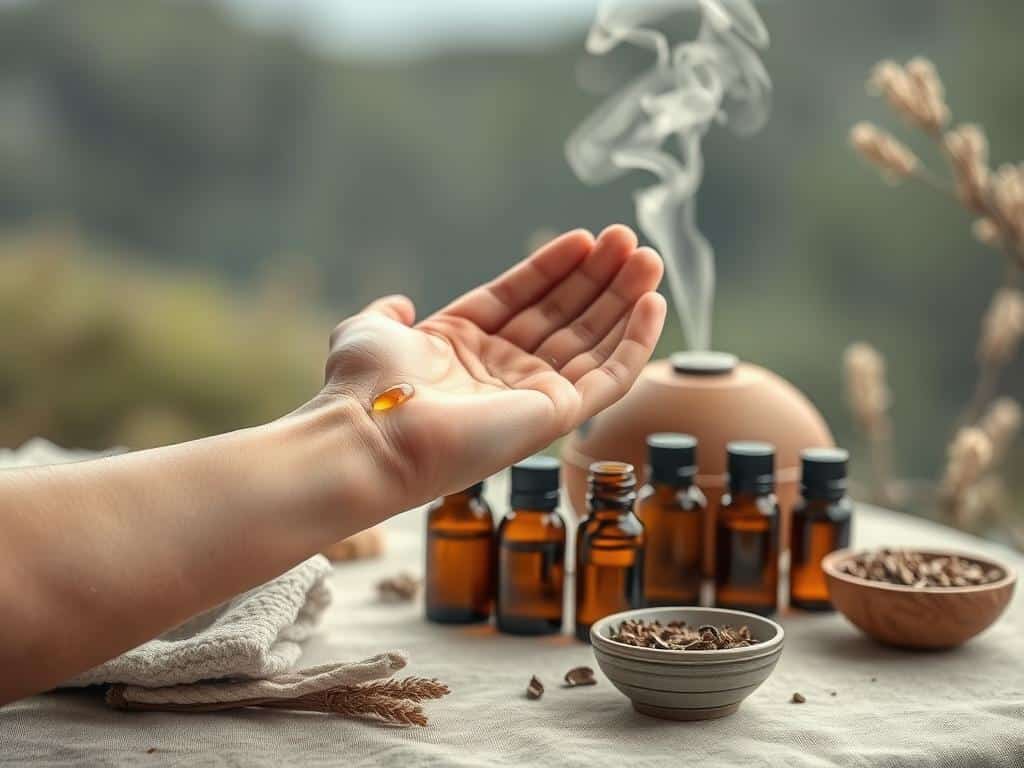
For skin use, I mix essential oils with carrier oils like coconut or jojoba. This step helps avoid skin irritation. Never apply undiluted oils directly to the skin, as it can cause burns.
Using diffusers or inhalers is safer for breathing in oils. I never eat essential oils without a doctor’s advice, as they are very concentrated.
Choosing Quality Essential Oils
I look closely at labels for purity and where the oils come from. Avoiding “therapeutic grade” labels is wise. Choosing oils from trusted sources reduces the chance of allergic reactions.
Doing research and reading reviews helps me pick the best oils. This way, I know I’m getting quality products.
Potential Allergic Reactions
Even with the best care, some oils can cause allergies. Oils like lemon and bergamot can make skin more sensitive to the sun. This can lead to burns or irritation.
I always do a patch test on my skin before using a new oil. If I see any bad reactions, I stop using it and wash the area. It’s smart to talk to a doctor before using essential oils, too.
Conclusion
In wrapping up this Essential Oils Guide, I want to stress how essential oils can boost wellness and act as natural remedies. Many of us are attracted to aromatherapy for its nice smells and health perks. But, it’s key to use these oils wisely and choose high-quality ones for the best results.
Even though essential oils have health benefits, not all claims are backed by strong science. I’ve found that while they can be helpful, the quality can vary a lot. It’s important to keep safety first, like when using them on pregnant women, kids, or pets.
I encourage readers to keep exploring and talk to health experts when needed. More research is needed to fully grasp oils like coriander, parsley, and thyme. By focusing on safety and staying informed, we can make smart choices about using essential oils in our wellness routines.