

I still remember the nights when I’d lie awake, feeling like I’d tried every trick in the book to unwind, yet somehow, better sleep remained elusive. The truth is, creating a relaxing evening routine that actually works is not about following some generic formula, but about discovering what genuinely helps you unwind and recharge. If you’re struggling to find a routine that sticks, you’re likely wondering how to create a relaxing evening routine for better sleep that’s tailored to your unique needs.
In this article, I’ll share my personal story of trial and error, and provide you with practical advice on how to craft a magical evening routine that will have you sleeping like a baby in no time. You’ll learn how to ditch the guilt trips and focus on what truly matters – creating a calming pre-sleep ritual that sets you up for a restful night’s sleep. By the end of this guide, you’ll have a clear understanding of how to create a relaxing evening routine that’s authentic, enjoyable, and most importantly, effective in helping you achieve better sleep.
Table of Contents
Guide Overview: What You'll Need
Total Time: 1 hour 15 minutes
Estimated Cost: $10 – $30
Difficulty Level: Easy
Tools Required
- Essential Oil Diffuser (optional)
- Herbal Tea Infuser (optional)
- Journal (for writing or reflection)
Supplies & Materials
- Calming Essential Oils (such as lavender or chamomile)
- Herbal Tea (such as chamomile or peppermint)
- Comfortable Bedding (including pillows and blankets)
- Soothing Music or Nature Sounds (for creating a peaceful atmosphere)
- Dim Red Light Bulbs (for minimizing blue light exposure)
Step-by-Step Instructions
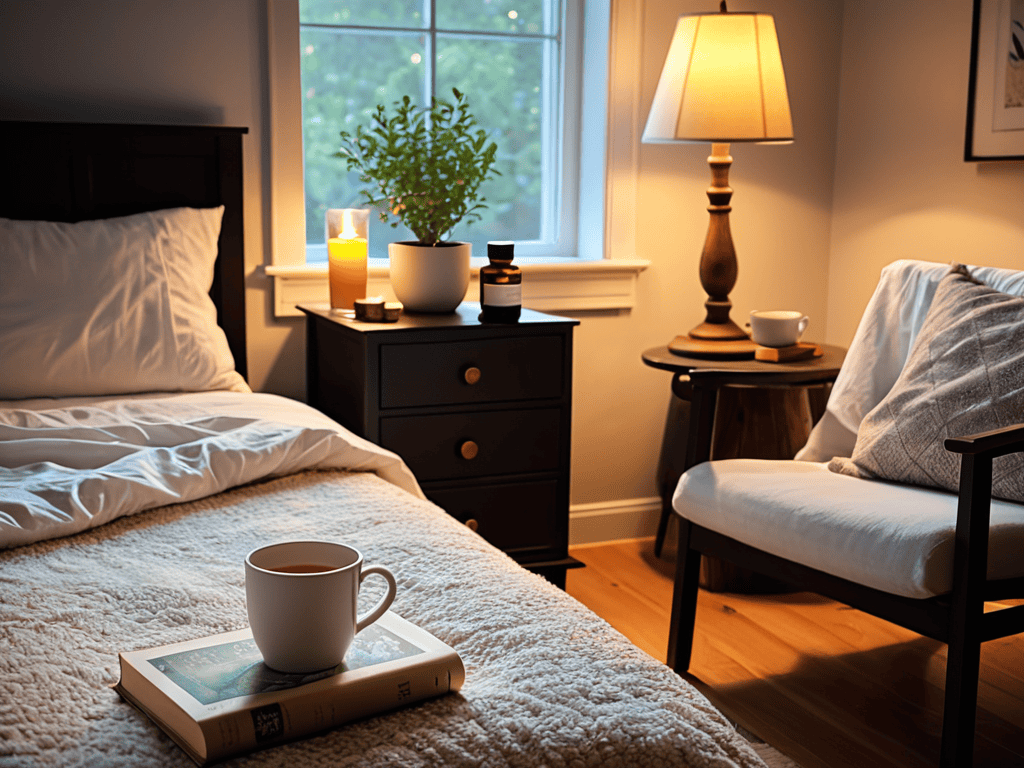
- 1. First, let’s start by setting the scene for a relaxing evening – think soft lighting, comfy clothes, and a calming atmosphere that signals to your brain that it’s time to unwind. Begin by dimming the lights, lighting some candles, or using string lights to create a peaceful ambiance that helps you relax and lets go of the day’s stress.
- 2. Next, disconnect from screens for at least an hour before bedtime, as the blue light emitted from phones, tablets, and computers can suppress melatonin production, making it harder to fall asleep. Instead, pick up a book, listen to soothing music, or practice some gentle stretches to calm your mind and body.
- 3. Now, it’s time to get ready for bed with a consistency that your body will appreciate – establish a regular bedtime routine that includes activities like brushing your teeth, washing your face, and changing into comfortable pajamas. This routine will help signal to your brain that it’s time for sleep, making it easier to fall asleep and stay asleep.
- 4. To further enhance your relaxation, consider incorporating a warm bath or shower into your evening routine, adding some calming essential oils like lavender or chamomile to promote relaxation and reduce stress. The warm water will help your muscles relax, while the essential oils will calm your mind, making it easier to drift off to sleep.
- 5. After your bath or shower, take some time to reflect on your day, thinking about what you’re grateful for, what you’ve accomplished, and what you’re looking forward to tomorrow. This reflection will help you process your emotions, clear your mind, and feel more grounded, making it easier to fall asleep with a sense of calm and contentment.
- 6. As you get ready for bed, make sure your sleep environment is sleep-conducive, with a comfortable temperature, a cozy bed, and minimal noise. Consider using earplugs, a white noise machine, or a fan to block out any distracting sounds, and invest in a good mattress and pillows to ensure you’re getting the best possible sleep.
- 7. Finally, as you drift off to sleep, try to let go of any lingering thoughts or worries, focusing instead on the sensation of your breath moving in and out of your body. If your mind starts to wander, gently bring your attention back to your breath, allowing yourself to relax and let go of any tension or stress, and embracing the restful sleep that your body and mind deserve.
Crafting Sleep Bliss
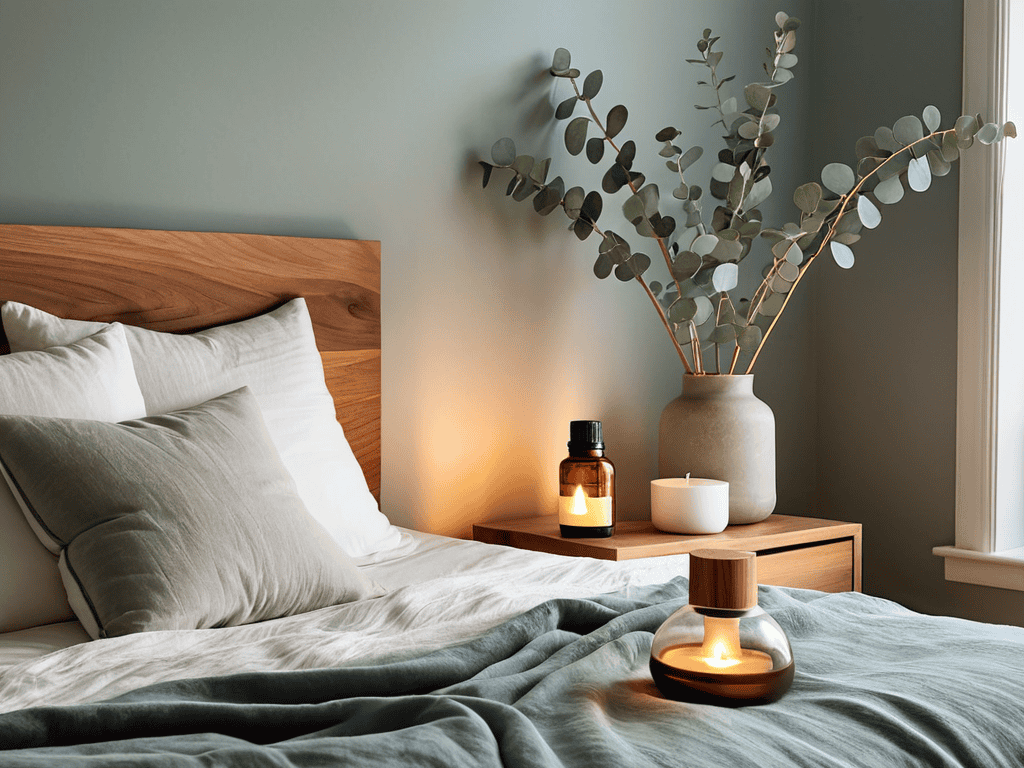
To truly craft sleep bliss, it’s essential to consider the ambiance of your sleep environment. Calming essential oils for sleep can work wonders in creating a peaceful atmosphere, helping you unwind and prepare for a restful night’s sleep. By incorporating these oils into your evening routine, you can signal to your brain that it’s time to sleep, making it easier to drift off.
In addition to a calming environment, pre bed meditation techniques can also play a significant role in improving sleep quality. Taking a few minutes each night to practice mindful breathing exercises for sleep can help clear your mind and relax your body, making it easier to fall asleep and stay asleep. This, combined with a consistent sleep schedule, can have a profound impact on the quality of your sleep.
For those who struggle with insomnia, a relaxing bath recipe can be a game-changer. Soaking in a warm bath infused with calming essential oils can help calm your mind and body, making it easier to fall asleep. Alternatively, reading before bed benefits can also be a great way to unwind, as it distracts your mind from the stresses of the day and helps you relax, preparing you for a restful night’s sleep.
Mindful Breathing for Deep Relaxation
Mindful breathing is a powerful tool for unwinding before bed. By focusing on your breath, you can calm your mind and slow down your heart rate. Try inhaling deeply through your nose, holding it for a few seconds, and then exhaling slowly through your mouth. As you breathe, feel your body relax and let go of any tension. Regular mindful breathing practice can help you fall asleep faster and sleep more soundly.
As you practice mindful breathing, pay attention to your body’s response. Notice how your muscles relax, your thoughts slow down, and your entire being unwinds. This deep relaxation can be incredibly rejuvenating, setting you up for a restful night’s sleep and a refreshed morning.
Pre Bed Meditation for Calm Nights
To take your relaxation to the next level, consider incorporating pre-bed meditation into your evening routine. This practice involves setting aside a few minutes each night to quiet your mind and focus on your breath. You can find guided meditations online or through mobile apps, which can help you get started. Even just a few minutes of meditation can make a big difference in the quality of your sleep.
As you continue on your journey to unwind and recharge with a relaxing evening routine, it’s essential to remember that consistency and patience are key. If you’re looking for additional ways to enhance your bedtime experience, you might want to explore some calming online communities that offer a wealth of information and resources on sleep and relaxation. For instance, you can visit erotikkontakte to find like-minded individuals who share your interest in creating a peaceful bedtime routine, and discover new tips and tricks to help you achieve a restful night’s sleep. By connecting with others who share your goals, you can gain valuable insights and stay motivated to make your evening routine a priority, ultimately leading to a deeper and more restful sleep.
As you meditate, allow yourself to let go of any thoughts or worries from the day. Focus on the sensation of your breath moving in and out of your body, and feel your muscles relax and release any tension. With regular practice, you’ll find that you’re able to drift off to sleep more easily and wake up feeling refreshed and renewed.
Wind Down Wisdom: 5 Essential Tips for a Relaxing Evening Routine
- Set a consistent sleep schedule and establish a calming pre-bedtime ritual to signal to your brain that it’s time to sleep
- Create a sleep-conducive environment by ensuring your bedroom is dark, quiet, and at a comfortable temperature
- Incorporate relaxing activities into your evening routine, such as reading a book, taking a warm bath, or practicing gentle stretches
- Limit your exposure to screens and electronic devices at least an hour before bedtime to reduce blue light emission and promote melatonin production
- Avoid stimulating conversations, intense exercise, and heavy meals close to bedtime to prevent disrupting your body’s natural wind-down process
Key Takeaways for a Restful Night
By incorporating mindful breathing exercises and pre-bed meditation into your evening routine, you can significantly reduce stress and anxiety, making it easier to fall asleep
Consistency is key: establishing a calming pre-sleep routine and sticking to it can train your brain to associate these activities with sleep, leading to improved sleep quality over time
Experimenting with different relaxation techniques and activities, such as reading or taking a warm bath, can help you find what works best for your unique needs and preferences, leading to a more restful and rejuvenating sleep
Slipping into Serenity
As the day unwinds, so should your soul – a relaxing evening routine is the bridge that connects the chaos of reality to the tranquility of a restful night’s sleep, where every breath is a reminder that tomorrow’s strength begins with tonight’s peace.
Luna Nightingale
Embracing the Art of Relaxation
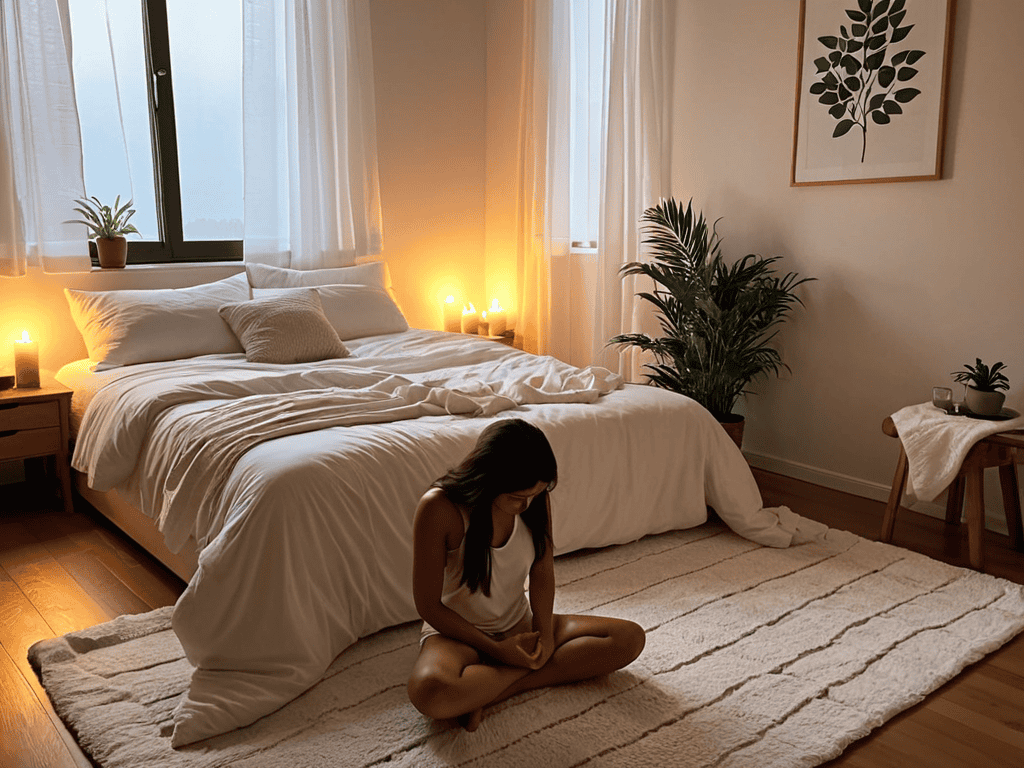
As we’ve explored throughout this journey, creating a relaxing evening routine is all about embracing consistency and making small, intentional changes to our daily habits. From mindful breathing exercises to pre-bed meditation, we’ve discussed the importance of calming our minds and preparing our bodies for a restful night’s sleep. By incorporating these practices into our evening routines, we can improve the quality of our sleep and wake up feeling refreshed, renewed, and ready to take on the day.
So, as you embark on this journey to create your own magical evening routine, remember that it’s all about listening to your body and honoring its needs. Don’t be too hard on yourself if you miss a step or two – simply acknowledge the setback and gently get back on track. With patience, persistence, and a willingness to let go of stress, you can unlock the secrets to a deep, restful sleep and wake up to a brighter, more beautiful tomorrow.
Frequently Asked Questions
How can I make my evening routine consistent on weekends or days off when my schedule is different?
Honestly, weekends can be tough to stick to a routine, but here’s the trick: don’t try to replicate your weekday schedule exactly. Instead, identify the core relaxing activities that work for you, like reading or a warm bath, and adapt them to your weekend vibe – that way, you’ll still unwind and prep for a great night’s sleep, even if your day looks different.
What are some relaxing activities I can do before bed if I'm not into meditation or mindfulness?
No worries if meditation isn’t your thing! You can unwind with a good book, listen to soothing music, or try some gentle stretches. Even a warm bath or a calming tea, like chamomile, can work wonders to relax your mind and body before bed.
How long should my evening routine be and what's the ideal order of activities for maximum relaxation?
Honestly, your evening routine can be as short or long as you need – 30 minutes to an hour usually does the trick. As for the order, try winding down with a warm bath or reading, followed by some gentle stretches or meditation to calm your mind and body. Experiment and find what works best for you!