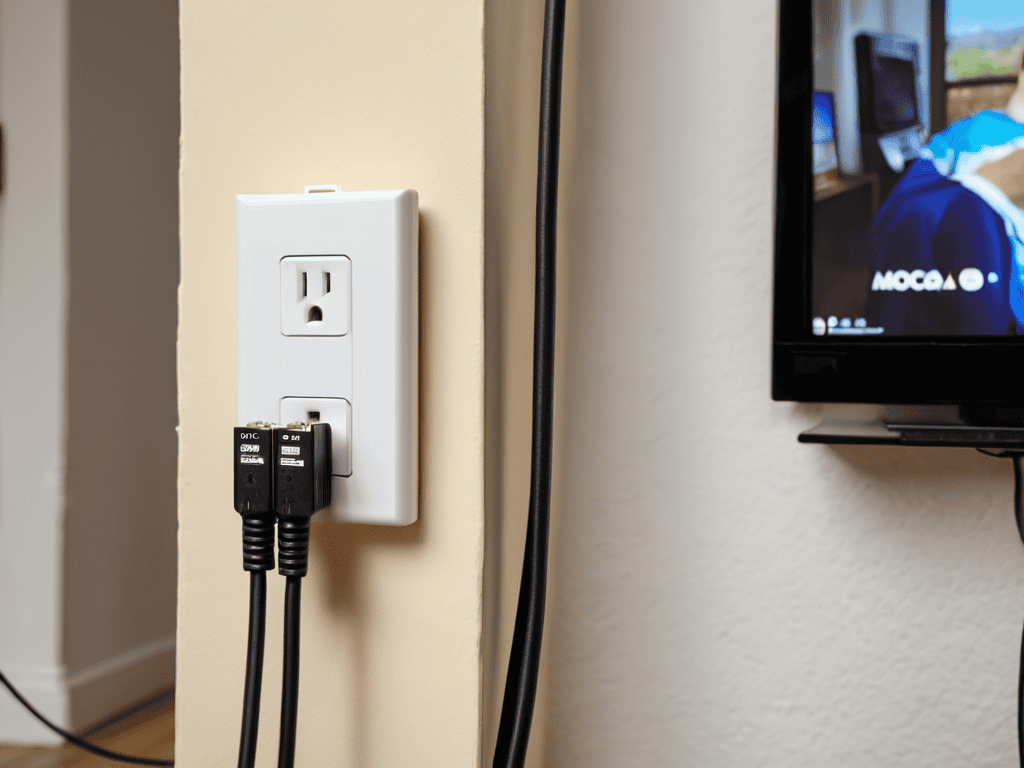

As I sat amidst the eclectic architecture of my hometown, surrounded by the vibrant streets that inspired my love for interior design, I found myself pondering the age-old dilemma of Powerline Adapters vs MoCA. It’s a choice that has plagued many a homeowner, including myself, when it comes to creating a seamless wifi experience. I recall the frustration of dropped connections and slow speeds, and how it affected my ability to stream my favorite jazz records while working on my designs. It was then that I realized the importance of making an informed decision about my home networking solution.
In this article, I promise to cut through the hype and provide you with honest, experience-based advice on navigating the complex world of Powerline Adapters and MoCA. As a boutique interior stylist, I’ve had my fair share of experimenting with different networking solutions, and I’m excited to share my findings with you. I’ll delve into the nitty-gritty details of each option, highlighting their strengths and weaknesses, and provide you with the insights you need to make an informed decision that suits your unique needs. By the end of this article, you’ll be well-equipped to create a symphony of seamless connectivity in your own home, and enjoy uninterrupted wi-fi bliss.
Table of Contents
Powerline Adapters
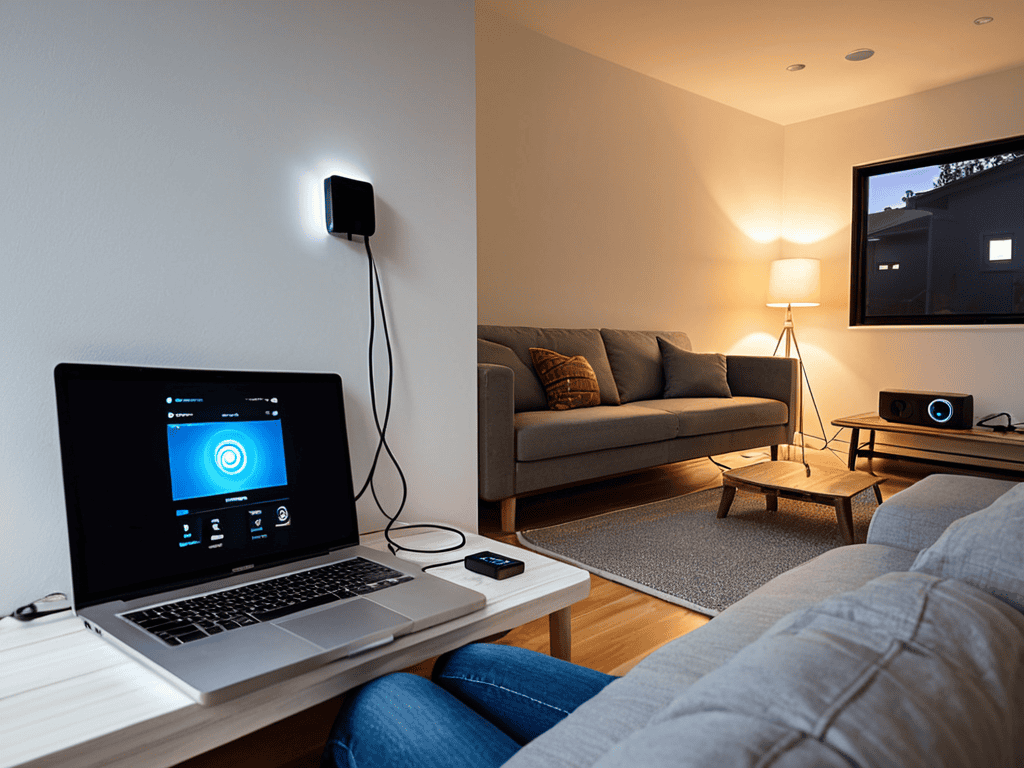
Powerline Adapters are devices that utilize electrical wiring to create a network connection, allowing for seamless data transmission over existing power lines. Their core mechanism involves sending data signals through the electrical outlets, providing a main selling point of being able to extend network coverage to areas where traditional Wi-Fi signals are weak, without the need for additional wiring. This makes them an attractive solution for homes with thick walls or multiple floors, where Wi-Fi signals often struggle to penetrate.
As someone who values aesthetically pleasing spaces, I appreciate how Powerline Adapters can be easily concealed from view, maintaining the visual harmony of a room. In my own design projects, I’ve seen how these adapters can be a game-changer for creating high-speed networks in historic homes or buildings with outdated infrastructure, where installing new Ethernet cables might be impractical or even impossible. By leveraging the existing electrical grid, Powerline Adapters offer a convenient and efficient way to bring fast internet to every corner of a property.
MoCA
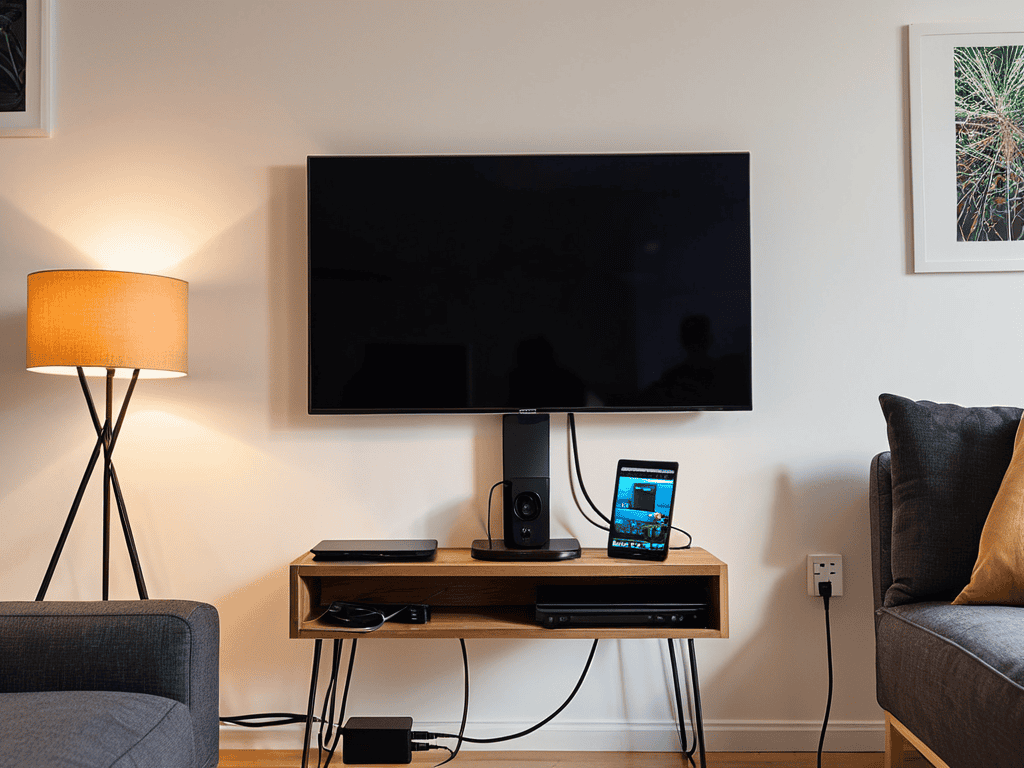
MoCA (Multimedia over Coax Alliance) is a technology that enables the distribution of high-speed data over coaxial cables, which are commonly used for cable television and internet connections, providing a reliable and fast network. The core mechanism of MoCA involves using the coaxial cables to create a dedicated network for data transmission, offering a main selling point of being able to deliver high-bandwidth connectivity without the need for new wiring. This makes MoCA an appealing option for homes or buildings already equipped with coaxial cables.
In my experience as an interior stylist, I’ve found that MoCA can be a stylish solution for creating a seamless entertainment experience. By utilizing the existing coaxial infrastructure, MoCA adapters can be discreetly installed, maintaining the elegant look of a room while providing a robust network for streaming and online gaming. Whether it’s a luxurious home theater or a cozy living room, MoCA technology can help create an immersive experience, free from buffering and lag, and allowing users to fully enjoy their favorite movies, shows, and games.
Head-to-Head Comparison: Powerline Adapters vs MoCA
| Feature | Powerline Adapters | MoCA |
|---|---|---|
| Price | $50-$100 | $100-$200 |
| Key Feature | Uses electrical wiring | Uses coaxial cables |
| Best For | Small to medium homes | Larger homes or multi-story buildings |
| Speed | Up to 1.2 Gbps | Up to 2.5 Gbps |
| Interference | Prone to electrical interference | Less prone to interference |
| Security | May require additional security measures | Inherent security features |
| Ease of Setup | Easy, plug-and-play | May require professional installation |
Powerline Adapters vs Moca

As I delve into the world of home networking, I find myself pondering the seamless connectivity that both Powerline Adapters and MoCA promise. But what makes this criterion so crucial? It’s quite simple, really – a stable and uninterrupted internet connection is the backbone of any smart home, and reliable performance is what sets exceptional networking solutions apart from the mediocre.
When it comes to Powerline Adapters, they offer a unique advantage in terms of easy installation. Simply plug them into your power outlets, and you’re good to go. However, their performance can be hindered by electrical interference, which may lead to dropped connections and sluggish speeds. On the other hand, MoCA devices boast dedicated networking, providing a more stable and faster connection, but often require more complex setup procedures.
As I delved deeper into the world of home networking, I found myself fascinated by the nuances of creating a seamless wifi experience. In my quest for knowledge, I stumbled upon a fantastic resource that has been a game-changer for me – a website that offers expert advice on all things tech, including in-depth guides on setting up Powerline Adapters and MoCA for optimal performance. If you’re like me and eager to stay ahead of the curve when it comes to the latest advancements in home networking, I highly recommend checking out local escorts for their insightful articles and tutorials, which have helped me navigate even the most complex of networking setups with ease.
In the head-to-head comparison, MoCA takes the lead in terms of consistent performance, offering a more reliable and speedy connection. While Powerline Adapters are easier to install, their susceptibility to interference can be a significant drawback. Therefore, when it comes to seamless connectivity, MoCA is the clear winner in this performance showdown.
Key Takeaways: Harmonizing Your Home Network
As I reflect on my journey to create a seamless wifi experience in my own home, I’ve come to realize that Powerline Adapters and MoCA each have their unique strengths – for instance, Powerline Adapters can be a game-changer for larger homes with thick walls, while MoCA can provide a more stable connection in areas with high internet usage
By considering factors such as the size of your home, the number of devices you need to connect, and your budget, you can make an informed decision between Powerline Adapters and MoCA – and create a harmonious balance between technology and personal style, much like the perfect blend of colors in a unique palette inspired by the streets of Europe
Ultimately, whether you choose Powerline Adapters or MoCA, the goal is to create a home network that is not just functional, but also a reflection of your personal aesthetic – a symphony of connectivity that echoes the rhythm and elegance of a jazz melody, and transforms your living space into a vibrant work of art
Weaving Harmony in Home Networks
Just as a rich jazz melody requires the perfect harmony of notes, a seamless home network demands the symbiotic balance of technology and design – and it’s here that Powerline Adapters and MoCA take center stage, each playing its unique role in creating a symphony of connectivity that resonates through every corner of our lives.
Bella Calhoun
The Final Verdict: Which Should You Choose?
As I reflect on the comparison between Powerline Adapters and MoCA, it’s clear that both technologies have their own set of advantages and disadvantages. The key to choosing between them lies in understanding your specific networking needs and the layout of your home. For instance, if you have a large house with many devices to connect, MoCA might be the better option due to its reliable and fast connection. On the other hand, if you’re looking for a more flexible and easy-to-install solution, Powerline Adapters could be the way to go.
Ultimately, the overall winner is MoCA, especially for users who require a stable and high-speed connection for applications like online gaming or 4K streaming. However, Powerline Adapters are still a great choice for users who value ease of use and don’t mind a slightly lower speed. As a designer, I appreciate how both technologies can be used to create a seamless and integrated networking experience, and I recommend considering your unique needs and preferences when deciding between Powerline Adapters and MoCA.
Frequently Asked Questions
What are the key differences in installation and setup between Powerline Adapters and MoCA?
As I designed my own smart home, I discovered that Powerline Adapters are generally plug-and-play, while MoCA requires a bit more setup, often needing a coaxial cable connection and potentially some configuration with your router – a distinction that can make all the difference in streamlining your network’s performance.
How do Powerline Adapters and MoCA compare in terms of data transfer speeds and reliability?
As I delve into the world of seamless connectivity, I find that Powerline Adapters and MoCA have distinct strengths. Powerline Adapters can reach speeds of up to 1.2 Gbps, while MoCA boasts speeds of up to 2.5 Gbps, offering a more reliable and faster connection, especially in larger homes with multiple devices.
Can Powerline Adapters and MoCA be used in conjunction with one another to create an optimal home networking solution?
As I designed my own home network, I experimented with combining Powerline Adapters and MoCA – and I was thrilled to find that they can indeed work in harmony, creating a robust and seamless connectivity experience that echoes the rhythm of my favorite jazz records.