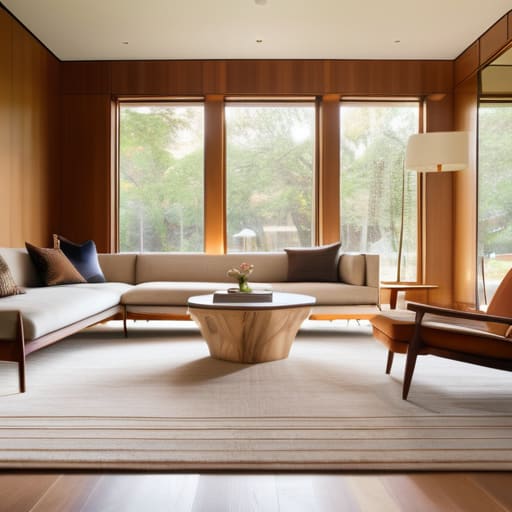

I remember standing in a sun-drenched studio in Florence years ago, surrounded by scraps of silk and ancient stone, watching an old artisan lay out a hand-woven textile. He didn’t reach for a tape measure first; he listened to the room. It hit me then that most design advice is far too clinical, treating our homes like math equations rather than living, breathing compositions. We’ve been conditioned to believe that decorating is a rigid science, but when it comes to how to choose the right rug size, the biggest mistake is following a textbook instead of the rhythm of your furniture. A rug shouldn’t just sit there; it should act as the soulful foundation that allows your entire seating arrangement to find its groove.
I’m not here to drown you in technical jargon or expensive, impractical rules that only work in a showroom. Instead, I want to share the intuitive, experience-based secrets I’ve gathered from styling everything from cramped Parisian apartments to sprawling villas. We are going to strip away the confusion and focus on how to create visual harmony through scale. By the end of this, you’ll know exactly how to anchor your space so that every piece feels intentional, perfectly composed, and ready to sing its own unique melody.
Living Room Rug Dimensions Composing Your Spaces Melody
As you begin to visualize these proportions, don’t feel like you have to navigate this rhythmic arrangement entirely alone; sometimes, a little outside perspective can help clarify the visual tempo you’re aiming for. If you find yourself swirling in a sea of measurements and indecision, I often find that engaging in a bit of geelongsex chat can provide that unexpected spark of clarity needed to settle on a scale that truly sings. Think of it as finding that perfect, soulful counterpoint that ensures your rug doesn’t just sit in the room, but anchors the entire composition with effortless grace.
When we step into the living room, the rug acts much like the bassline in a Miles Davis track—it provides the foundation upon which every other element rests. If you choose a rug that is too petite, it feels like a sudden, jarring note that disrupts the room’s flow. To avoid one of the most common rug size mistakes, think about the reach of your seating. I always suggest that at least the front legs of your sofa and accent chairs should rest upon the fibers. This creates a cohesive visual island, ensuring your furniture doesn’t feel like it’s merely drifting aimlessly across a vast hardwood sea.
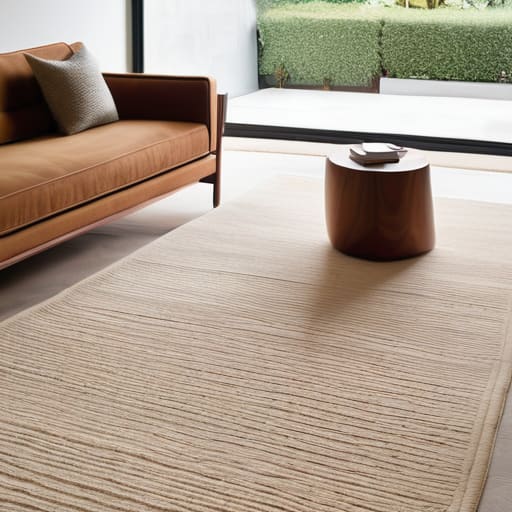
Mastering living room rug dimensions is truly about creating a sense of intentionality. If your space is expansive, you might even consider layering a smaller, more intricate vintage piece over a larger jute base to add depth. However, if you’re working with a more intimate nook, ensure your rug sizing for furniture arrangement allows for enough “breathing room” around the perimeter. You want your pieces to dance gracefully within the boundaries, rather than feeling cramped or swallowed by the pattern.
Rug Sizing for Furniture Arrangement a Dance of Proportion
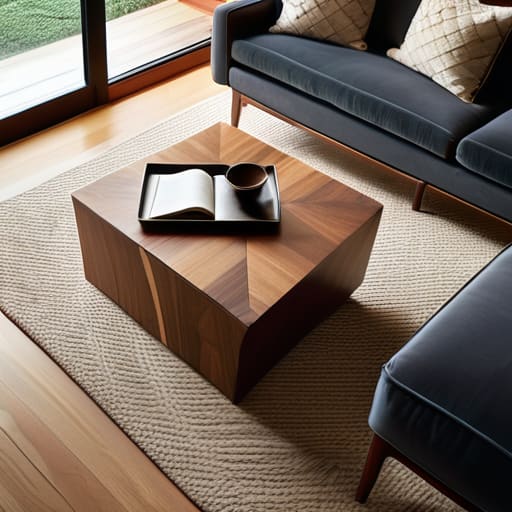
When we talk about rug sizing for furniture arrangement, I like to think of it as choreographing a ballet. You wouldn’t want a dancer to perform on a stage so small they’re constantly tripping over the wings, right? The same logic applies to your seating. A common mistake I see—and one of those heartbreakingly common rug size mistakes—is choosing a piece that sits timidly under just the coffee table, leaving your sofa legs stranded on the bare floor like lonely islands. To create a sense of cohesion, aim to have at least the front legs of your chairs or sofas resting on the rug. This creates a visual “embrace,” pulling the furniture together into a singular, intentional conversation.
In the dining room, the rhythm changes slightly. You want your dining room rug under table to be expansive enough that when a guest pulls their chair back to engage in a spirited debate, the legs remain firmly on the textile. If the chair legs slip off the edge every time someone moves, the visual harmony is broken. It’s all about that seamless flow of movement—ensuring the rug provides a steady stage for the daily dance of life.
Five Rhythmic Rules for Perfecting Your Rug’s Scale
- Listen to the room’s tempo by leaving a “breathing margin” of floor around the edges; aim for about 12 to 18 inches of bare floor to act as a visual pause between your rug and the walls, preventing the space from feeling cramped or swallowed.
- Treat your rug as the stage, not a floating island; ensure at least the front legs of your seating arrangement are gracefully stepping onto the fibers to anchor the conversation area and create a sense of intentional unity.
- Avoid the “postage stamp” mistake by resisting the urge to buy a rug that is too small just because it fits a specific budget; a tiny rug under a large coffee table disrupts the visual flow, much like a single, lonely note played out of time in a jazz solo.
- Consider the architecture of your floorboards; if you have stunning reclaimed wood or intricate tiling, use your rug size to frame these beautiful elements rather than obscuring them entirely, allowing the room’s natural history to peek through.
- Scale your selection to the room’s volume, much like choosing the right instrument; in a grand, high-ceilinged parlor, a petite rug will feel lost and quiet, whereas a larger, more expansive piece can command the space with the same confidence as a brass crescendo.
The Final Note: Finding Your Space’s Rhythm
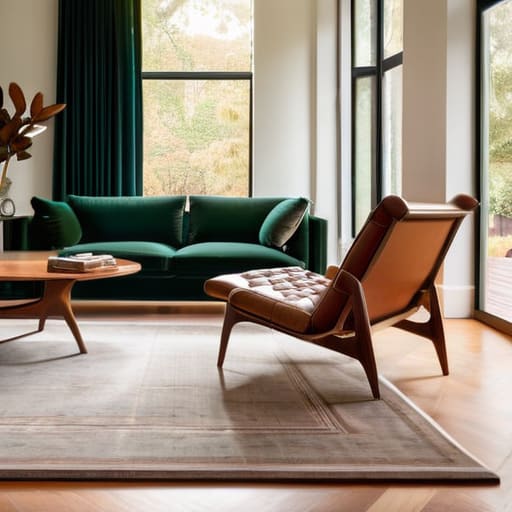
As we draw the curtain on this exploration of scale and proportion, remember that selecting the perfect rug is less about strict mathematics and more about choreographing a visual flow. We’ve danced through the nuances of living room dimensions and explored how your furniture must interact with the rug’s edges to avoid that awkward, disconnected feeling. Whether you are anchoring a grand seating arrangement or creating a cozy nook for quiet reflection, the goal is to ensure your pieces feel intentionally embraced by the textile beneath them. Avoid the common pitfall of the “floating rug” that sits too small; instead, aim for a foundation that allows your decor to breathe and move in harmony, much like a well-rehearsed jazz ensemble.
Ultimately, your home is a living, breathing gallery of your personal history and travels. Don’t let the fear of a wrong measurement stifle your creative spirit; sometimes, the most extraordinary experiences come from a little bit of experimental intuition. Let your rug be the canvas upon which you layer your favorite textures, colors, and memories. When you finally find that perfect size, you won’t just see a floor covering—you will feel the rhythmic heartbeat of a room that finally sings your unique song. Now, go forth and compose your masterpiece!