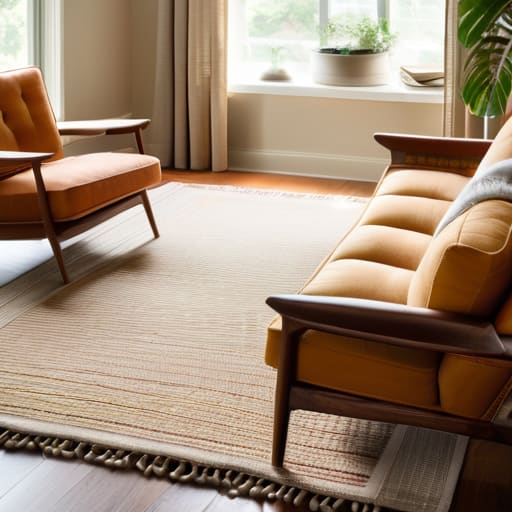

I remember sitting on the floor of a sun-drenched studio in Florence, surrounded by scraps of silk and heavy wool, trying to understand why a room could feel so disjointed despite having the most exquisite furniture. I had spent hours obsessing over the patterns, but the entire composition felt off-key, like a jazz soloist playing beautifully but completely out of time with the rhythm section. It wasn’t the colors or the textures that were failing me; it was the scale. Most people treat rug shopping like a math problem, but when you’re learning how to pick a rug size, you aren’t just measuring floor space—you are deciding how to anchor the soul of the room.
When you’re navigating the delicate geometry of a dining area, remember that the rug should act as a stage for your gathering, providing enough room for chairs to glide gracefully without losing their footing. It’s a bit like finding the right tempo in a jazz standard; if the scale is off, the whole composition feels strikingly out of sync. If you find yourself feeling a little overwhelmed by the sheer number of options and measurements, I always find it helpful to lean on curated guides or even browse through local lifestyle inspiration like casual dating north carolina to see how different textures and layouts breathe life into everyday settings. Taking that extra moment to visualize the flow ensures your rug isn’t just a piece of fabric, but the rhythmic foundation of your home’s most soulful conversations.
Forget those rigid, soul-crushing formulas you find in generic home decor manuals that treat your living room like a sterile laboratory. I’m here to pull back the curtain and share the intuitive, experience-based secrets I’ve gathered from years of styling boutique spaces across the globe. I promise to guide you through the art of scaling your textiles so that your furniture doesn’t just sit on the floor, but actually dances together in a perfectly composed melody.
Mastering Living Room Rug Dimensions for Dramatic Flair
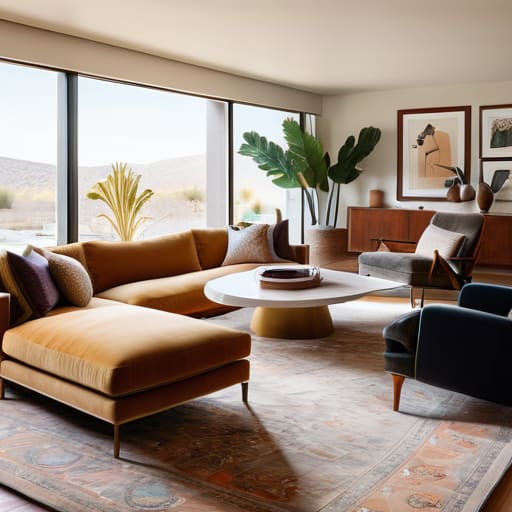
When it comes to the living room, I like to think of the rug as the stage upon which your life’s most beautiful performances unfold. If you’re aiming for that high-drama, editorial look I adore, you must resist the urge to go small. A tiny rug floating in the center of the room feels like a single, lonely note in a vast auditorium. Instead, lean into more generous living room rug dimensions where the edges extend well beyond your seating arrangement. By ensuring all your furniture legs—or at least the front ones—rest comfortably on the pile, you create a cohesive “island” of comfort that anchors the room with intention.
The secret to achieving that effortless, sophisticated flow lies in the negative space. I often find myself sketching out floor plans to figure out exactly how much floor should show around a rug to prevent the room from feeling cramped or, conversely, swallowed by fabric. You want a balanced frame of hardwood or tile to peek through, acting like the quiet pauses between jazz improvisations. Aim for a margin that feels deliberate; it’s that subtle breathing room that allows your statement pieces to truly command the spotlight.
Navigating Common Rug Sizes for Sofas and Seating
When you’re arranging your seating, think of your furniture as the musicians in a jazz quartet; they need enough room to breathe and harmonize without feeling crowded or disconnected. When considering common rug sizes for sofas, the golden rule is to avoid the “floating island” effect, where a tiny rug sits lonely in the center of the room. Instead, aim to have at least the front legs of your sofa and accent chairs resting comfortably on the fibers. This creates a visual anchor that pulls the entire conversation circle into a cohesive, rhythmic arrangement.
If you are working with a more intimate nook or a smaller loveseat, you don’t necessarily need a sprawling expanse, but you must be mindful of area rug placement rules to maintain balance. A rug that is too small can make a room feel fragmented, like a song that ends too abruptly. I always suggest checking how much floor should show around a rug to ensure there is a purposeful border of your beautiful hardwood or tile peeking through. This intentional negative space acts like the rests in a musical score, providing the necessary breathing room to let your design truly sing.
Five Rhythmic Rules for Finding Your Rug’s Perfect Tempo
- Don’t let your furniture hover like lonely notes on a staff; ensure at least the front legs of your seating rest upon the rug to anchor the arrangement and create a cohesive visual melody.
- Treat your floor space like a canvas rather than a math problem, leaving a generous border of your beautiful hardwood or tile visible around the edges to give the rug room to breathe and shine.
- Scale is everything, so avoid the temptation of the “floating island” effect—a rug that is too small can make a grand room feel disjointed and frantic rather than flowing and intentional.
- Think about the “traffic lanes” of your home; your rug should be large enough to accommodate the natural movement of your life without forcing guests to perform a delicate dance around the edges.
- Layering is my favorite improvisational trick; if you find a vintage piece that speaks to your soul but is slightly too petite, layer it over a larger, neutral jute rug to add depth, texture, and instant character.
Composing Your Final Movement
As we reach the final notes of this guide, remember that selecting the perfect rug size is far more than a mere mathematical exercise in measuring floor space. It is about understanding the choreography of your furniture and ensuring that every piece—from your velvet sofa to that vintage accent chair—has enough room to dance without restriction. Whether you are opting for a grand, sweeping scale to anchor a sprawling living area or a more intimate, rhythmic placement for a cozy reading nook, the goal remains the same: to create a sense of intentional cohesion that prevents your room from feeling fragmented or adrift.
At the end of the day, don’t let the fear of a few extra inches keep you from embracing a design that feels truly soulful. Your home should never feel like a rigid showroom; it should feel like a beautifully composed jazz standard, where every element exists in a state of vibrant, effortless harmony. Treat your rug as the foundational rhythm of your sanctuary, and use it as a canvas to express the beautiful, eclectic story of your life. Go ahead, take that creative leap, and let your space finally sing its own unique melody.