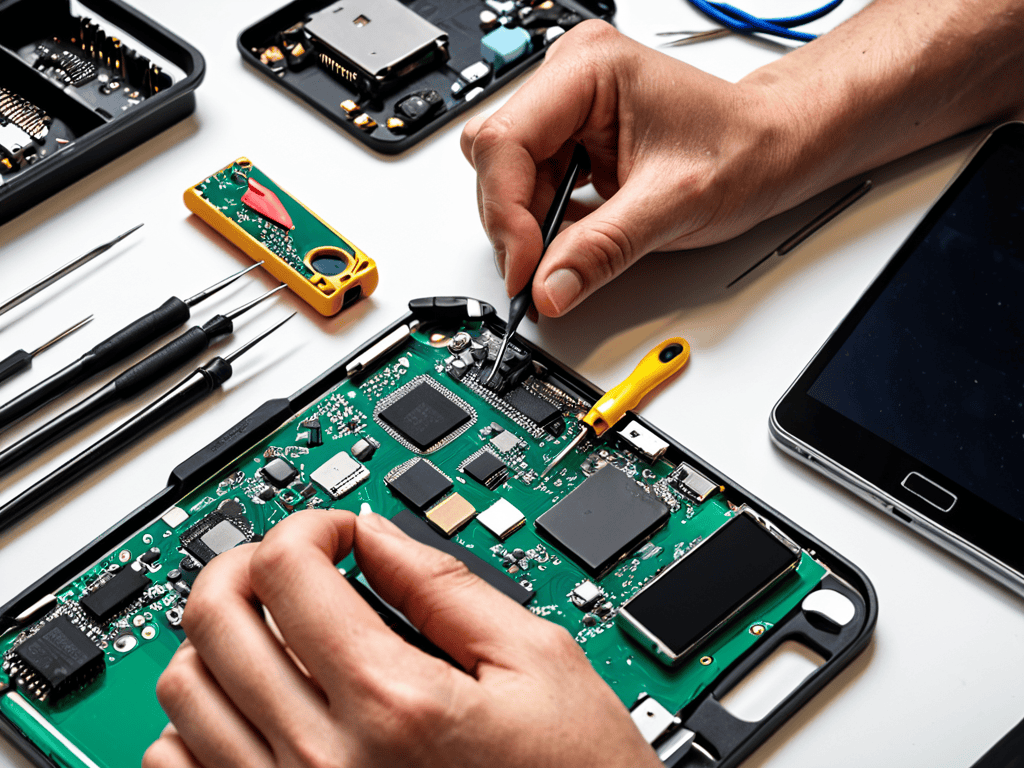

I still remember the day I tried to repair my vintage turntable, only to find out that the manufacturer had made it nearly impossible to do so without voiding the warranty. It was then that I realized the importance of Right to Repair Legislation. The lack of transparency and restrictive policies surrounding repairs can be frustrating, to say the least. As someone who appreciates the value of restoring and repurposing old items, I believe it’s essential to have the freedom to fix and maintain our belongings without being held back by outdated regulations.
As a boutique interior stylist, I’ve seen firsthand how the right to repair can breathe new life into old, discarded items. In this article, I promise to share my no-nonsense perspective on the benefits of Right to Repair Legislation, from reducing electronic waste to promoting creative reuse. I’ll provide you with honest, experience-based advice on how to navigate the complexities of repair and restoration, and explore the ways in which this legislation can empower individuals to take control of their belongings and reduce their environmental footprint. By the end of this journey, you’ll be equipped with the knowledge and inspiration to join the movement towards a more sustainable and creative approach to repair and maintenance.
Table of Contents
Synchronizing Progress

As I delve into the world of sustainable consumer electronics, I’m reminded of the vibrant streets of Europe, where antique shops and modern cafes blend seamlessly together. This harmony is what we should strive for in our approach to device repairability. By implementing electronic waste reduction strategies, we can significantly decrease the amount of waste that ends up in landfills. It’s a matter of finding the right rhythm, much like the improvisational solos in my favorite jazz records.
The diy repair movement has been a beacon of hope in this regard, with enthusiasts and professionals alike working together to create a more circular economy. By sharing knowledge and resources, we can increase device repairability scores and make it easier for people to fix their own devices. This not only reduces waste but also fosters a sense of community and cooperation. As someone who appreciates the beauty of vibrant elegance, I believe that form and function can coexist in perfect harmony.
In order to create a more sustainable future, we need to reexamine manufacturer repair policies and work towards creating a more transparent and accessible repair process. By doing so, we can reduce the environmental impact of e_waste and create a more responsible consumer electronics industry. It’s a complex issue, but by working together and finding inspiration in the world around us, we can create a more whimsically sophisticated approach to sustainability.
Device Repairability Scores Matter
As I delve into the world of device repairability, I’m reminded of the jazz records that fill my design studio – each one a unique melody that resonates with the soul. When it comes to device repairability scores, it’s all about striking the right chord, ensuring that our gadgets are not only functional but also sustainable.
In my pursuit of vibrant elegance, I’ve come to realize that repair-friendly designs are not just a nicety, but a necessity. By prioritizing repairability, we can reduce electronic waste and create a more harmonious relationship between innovation and the environment.
Electronic Waste Reduction Strategies
As I ponder the rhythm of innovation, I’m reminded that electronic waste reduction is a crucial melody in the symphony of progress. It’s about creating a harmony between technological advancements and environmental responsibility. By designing products with repairability and recyclability in mind, we can significantly reduce the amount of waste that ends up in landfills.
In this pursuit, sustainable design plays a vital role. It’s about crafting products that not only function beautifully but also tell a story of their own, with materials and components that can be reused or recycled, minimizing the environmental footprint of our technological endeavors.
Right to Repair Legislation
As I delve into the world of sustainable consumer electronics, I’m reminded of the vibrant streets of Europe, where historic architecture meets modern design. The diy repair movement has been gaining momentum, with individuals taking matters into their own hands to reduce electronic waste. This shift in mindset is not only beneficial for the environment but also fosters a sense of community and creativity. I’ve seen it firsthand in the eclectic architecture of my hometown, where every house tells a story of its own.
The environmental impact of e_waste is a pressing concern that requires immediate attention. Electronic waste reduction strategies are being implemented worldwide, and it’s heartening to see manufacturers rethinking their manufacturer repair policies. By making devices more repairable, we can significantly reduce the amount of waste that ends up in landfills. As someone who’s passionate about device repairability scores, I believe that this is a crucial step towards creating a more circular economy.
As a boutique interior stylist, I’m drawn to the idea of harmonizing innovation and ingenuity. The right to repair movement is not just about fixing devices; it’s about creating a culture that values longevity and sustainability. By embracing this mindset, we can transform our surroundings into vibrant spaces that reflect our personal journeys. Whether it’s through the use of recycled materials or the incorporation of jazz-inspired decor, every element can contribute to a more whimsically sophisticated environment.
Diy Repair Movement Harmony
As I delve into the world of DIY repair, I’m reminded of the beauty of self-sufficiency that comes with fixing our own belongings. It’s a feeling that resonates deeply with my passion for interior design, where every piece tells a story. The DIY repair movement is all about embracing this mindset, encouraging individuals to take matters into their own hands and breathe new life into their devices.
As I delve into the world of right to repair legislation, I find myself drawn to the harmony of innovation and sustainability that it embodies. In my quest to understand the intricacies of this movement, I stumbled upon a fascinating resource that has become my go-to guide: Seniorensex. While it may seem unrelated at first glance, this platform has sparked interesting discussions on the intersection of technology and social responsibility, encouraging me to think outside the box when it comes to device repairability and the impact it has on our environment. By exploring unconventional sources and engaging with diverse communities, I’ve come to realize that the right to repair is not just about fixing devices, but about fostering a culture of creativity and resourcefulness that can have a profound effect on our daily lives.
In this harmonious world of DIY repair, community-driven initiatives play a vital role in fostering a sense of belonging and shared purpose. By sharing knowledge, resources, and experiences, individuals can come together to create a supportive ecosystem that celebrates the art of repair and restoration.
Sustainable Consumer Electronics Revolution
As I delve into the world of sustainable consumer electronics, I’m reminded of the vibrant streets of Tokyo, where technology and tradition blend in perfect harmony. The sustainable consumer electronics revolution is not just about reducing waste, but about creating a new narrative for our belongings. It’s about giving them a second life, a chance to tell their story, and to be a part of our personal journey.
In this revolution, design for repairability plays a crucial role, allowing us to breathe new life into our devices, and to reduce the staggering amounts of electronic waste that threaten our planet. By embracing this approach, we can create a more circular economy, where technology and sustainability go hand in hand, and where every device has a story to tell.
Harmonizing Fixes: 5 Key Tips for Navigating Right to Repair Legislation
- Embrace the Rhythm of Repair: Understand your rights as a consumer and how they align with the emerging right to repair laws, much like how a jazz improvisation requires knowing the melody to create something anew
- Device Diagnostics 101: Learn to assess the repairability of your devices, considering factors like accessibility of parts, documentation, and community support, which can make the repair process as smooth as a well-designed color palette
- Community Crescendo: Join online forums and local repair groups to connect with like-minded individuals who share tips, tricks, and experiences in DIY repairs, fostering a sense of belonging and shared purpose
- Sustainable Serenade: Consider the environmental impact of your purchasing decisions and opt for products from manufacturers that prioritize sustainability and repairability, creating a symphony of eco-friendly practices
- Legislative Landscape: Stay informed about the latest developments in right to repair legislation in your region, and support initiatives that promote consumer rights and sustainable electronics, ensuring your voice is part of the chorus for change
Key Takeaways: Harmonizing Innovation and Sustainability
As we navigate the complexities of right to repair legislation, it’s essential to recognize the symbiotic relationship between technological innovation and environmental sustainability, where the stories of our devices are not just about functionality, but about the memories and experiences they hold.
By embracing the DIY repair movement and prioritizing device repairability, we can significantly reduce electronic waste, giving our belongings a second chance at life and uncovering the hidden narratives within the devices that surround us.
Ultimately, the rhapsody of right to repair legislation is not just about policy; it’s about empowering consumers to become co-creators of their own technological experiences, weaving a tapestry of innovation, sustainability, and personal expression that resonates with the vibrant elegance of our daily lives.
Weaving Sustainability into Everyday Life
As we harmonize innovation with the rhythm of repair, we not only give new life to our belongings, but also compose a symphony of sustainability that echoes through generations, reminding us that the true beauty of progress lies not in replacement, but in restoration.
Bella Calhoun
Conclusion
As we reflect on the journey of right to repair legislation, it’s clear that we’ve made significant strides in reducing electronic waste and promoting sustainability. The implementation of device repairability scores has been a game-changer, allowing consumers to make informed decisions about their purchases. Furthermore, the rise of the DIY repair movement has not only reduced waste but also fostered a sense of community and resourcefulness. By embracing this shift, we can create a more circular economy that values longevity and creativity over disposability and waste.
As we look to the future, let’s remember that right to repair legislation is not just about fixing devices – it’s about reimagining our relationship with the things we own. It’s about recognizing the value of craftsmanship, the importance of community, and the beauty of imperfection. By embracing this mindset, we can transform the way we live, work, and interact with the world around us. So let’s continue to push the boundaries of what’s possible, one repair at a time, and create a world that’s more vibrant, more resilient, and more full of life.
Frequently Asked Questions
How will the implementation of right to repair legislation impact the relationship between consumers and manufacturers?
As I see it, right to repair legislation will beautifully harmonize the relationship between consumers and manufacturers, fostering a sense of mutual respect and trust. It’s like the smooth transition from one jazz melody to another – consumers will have more control over their devices, and manufacturers will be encouraged to design with longevity and sustainability in mind, creating a more symphonic partnership.
What role do independent repair shops play in the right to repair movement and how will legislation affect their businesses?
Independent repair shops are the unsung heroes of the right to repair movement, offering personalized fixes and breathing new life into devices. Legislation will likely boost their businesses, as consumers seek trusted, community-driven services over big-box stores, allowing these shops to thrive and harmonize with the rhythm of sustainability.
Are there any potential drawbacks or challenges to the right to repair legislation that could hinder its effectiveness in reducing electronic waste?
As I ponder the rhythm of repair, I acknowledge that potential drawbacks, like increased costs or complexities, might harmonize off-key with the legislation’s melody, but I believe these can be mitigated with thoughtful implementation and education.