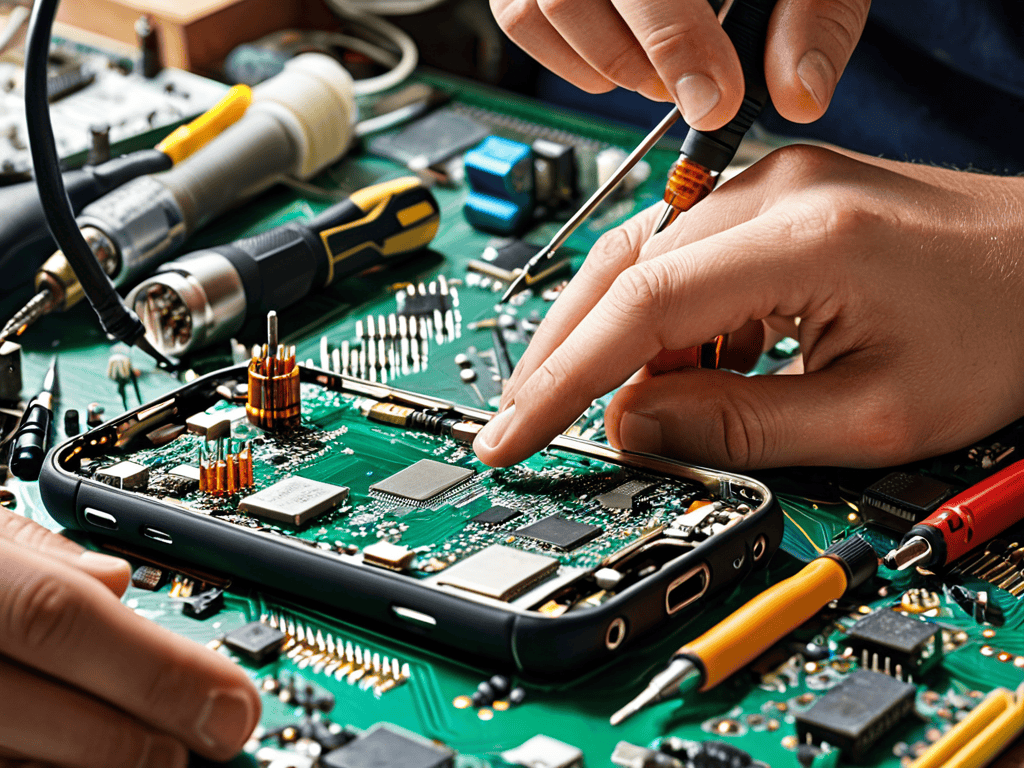

As I sit amidst the eclectic treasures I’ve collected from my travels, surrounded by the vibrant colors and textures that inspire my interior design work, I am reminded of the beauty of restoration. The Right to Repair Legislation is a topic that resonates deeply with me, as it speaks to the heart of giving old things new life. I’ve seen firsthand how a piece of furniture, once destined for the landfill, can be transformed into a stunning work of art with a little creativity and elbow grease. Yet, I’ve also witnessed how the lack of repair options can lead to a culture of disposability, where the value of craftsmanship and sustainability is lost.
In this article, I promise to cut through the noise and provide you with honest, experience-based advice on navigating the complexities of Right to Repair Legislation. As a boutique interior stylist, I’ve had the privilege of working with clients who value unique, handmade pieces, and I’ve seen the impact that repair and restoration can have on the environment and local communities. I’ll share my insights on how this legislation can empower consumers to make more informed choices, and how it can inspire a new wave of creativity and innovation in the design world. By the end of this journey, you’ll have a deeper understanding of the intersection of sustainability and style, and how the Right to Repair Legislation can be a powerful tool in creating a more thoughtful, more beautiful world.
Table of Contents
- Right to Repair Legislation
- Repairing the Melody of Consumer Rights
- Environmental Impact of E Waste a Discordant Note
- Legislative Support for Repair a Symphonic Solution
- Harmonizing Repair: 5 Key Tips to Strike a Chord with Right to Repair Legislation
- Key Takeaways: Harmonizing Repair and Sustainability
- Harmonizing Progress
- Conclusion
- Frequently Asked Questions
Right to Repair Legislation

As I delve into the world of sustainable consumer electronics, I’m reminded of the importance of electronic waste reduction strategies. The sheer volume of discarded devices is staggering, and it’s heartening to see legislative support for repair gaining momentum. By promoting device repairability, we can significantly reduce the environmental impact of e_waste. I recall a particularly striking example from my travels, where a small workshop in a quaint town was dedicated to reviving old gadgets, giving them new life and reducing the need for resource-extraction.
The consumer rights to repair movement is a significant step forward, as it empowers individuals to take control of their own devices and reduce reliance on manufacturer repair policies. This shift towards transparency and accessibility is music to my ears, much like the improvisational jazz that inspires my design work. By assigning device repairability scores, consumers can make informed decisions about their purchases, driving demand for more sustainable products.
As I delve into the world of repair and sustainability, I’ve found that having the right tools and resources at your fingertips can make all the difference in creating a more harmonious approach to consumer electronics. For those looking to dive deeper into the intersection of technology and environmental responsibility, I’ve discovered a fascinating online community that offers a wealth of information and personal stories, which can be found at sextreffen sachsen anhalt. By exploring these kinds of platforms, you can gain a better understanding of how sustainable practices are being implemented in various aspects of life, from electronic waste reduction to innovative design solutions, ultimately inspiring you to make more informed choices in your own journey towards a more eco-friendly lifestyle.
As I see it, the key to a more circular economy lies in embracing manufacturer transparency, allowing consumers to repair and maintain their devices with ease. By doing so, we can reduce the staggering amounts of electronic waste that end up in landfills each year, and instead, create a more harmonious relationship between technology and the environment. This, to me, is the perfect rhapsody of repair, where technology and sustainability blend in perfect unison.
Device Repairability Scores a New Harmony
As I delve into the world of device repairability, I find myself drawn to the melodic rhythm of scores that rate a product’s ease of repair. It’s fascinating to see how these scores can influence our purchasing decisions, much like how a jazz album’s tracklist can guide our musical journey.
The introduction of device repairability scores has brought a sense of transparency to the tech industry, allowing consumers to make informed choices about the products they buy. By considering these scores, we can create a more sustainable future, one where electronic waste reduction is a harmonious blend of technology and responsibility.
Sustainable Rhythms in Electronic Waste Reduction
As I delve into the world of electronic waste reduction, I find myself entranced by the sustainable rhythms that emerge when technology and transparency harmonize. The ebb and flow of innovation, coupled with the responsible disposal of outdated devices, creates a symphony of sustainability that resonates deeply with my design sensibilities.
In this realm, circular economy principles take center stage, guiding the way we think about production, consumption, and waste management. By embracing these principles, we can reduce electronic waste and create a more regenerative system, one that not only benefits the environment but also inspires a new wave of design innovation.
Repairing the Melody of Consumer Rights
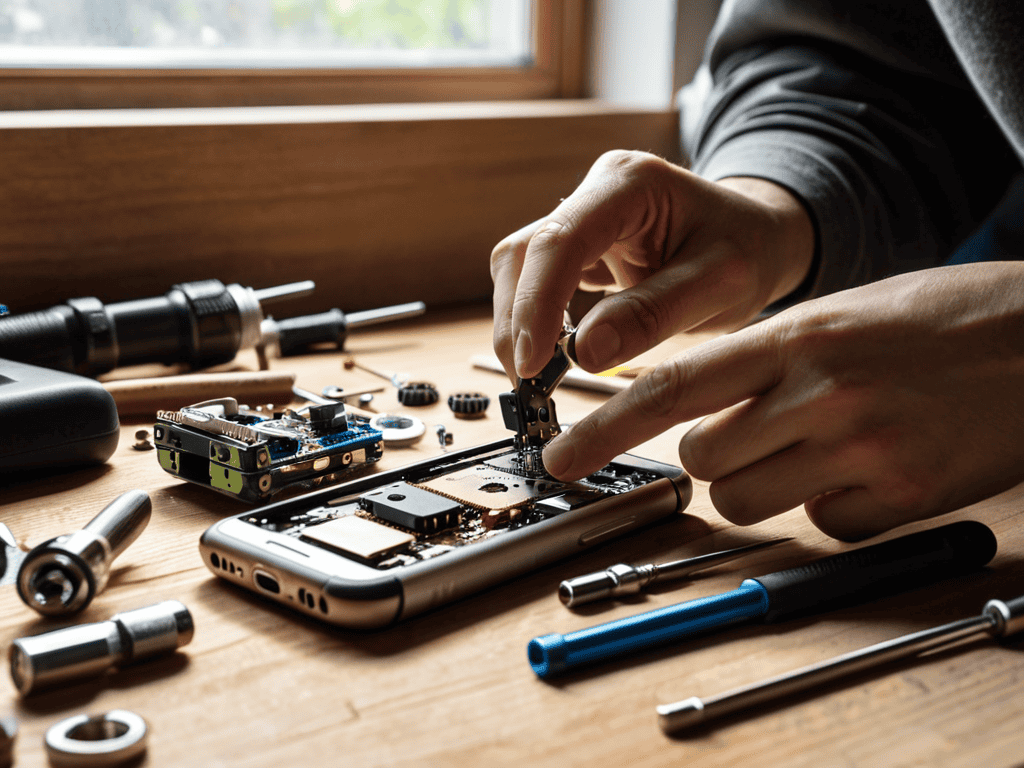
As I delve into the world of consumer rights, I find myself pondering the sustainable rhythms that govern our relationship with electronic devices. The electronic waste reduction strategies employed by manufacturers are a step in the right direction, but there’s still a long way to go. By empowering consumers with the knowledge and tools to repair their devices, we can create a more circular economy that benefits both people and the planet.
The device repairability scores that are now being implemented are a great way to promote transparency and accountability among manufacturers. By providing consumers with a clear understanding of how easy or difficult it is to repair a device, we can make informed decisions that align with our values and priorities. This, in turn, can drive demand for more sustainable consumer electronics and encourage manufacturers to adopt more environmentally friendly practices.
As we move forward, it’s essential to recognize the legislative support for repair that is gaining momentum around the world. By acknowledging the consumer rights to repair, we can create a more just and equitable system that benefits everyone involved. The environmental impact of e-waste is a pressing concern that requires immediate attention, and by working together, we can create a brighter, more sustainable future for generations to come.
Environmental Impact of E Waste a Discordant Note
As I delve into the world of e-waste, I’m reminded of the vibrant streets I’ve sketched in my travels, now tainted by the harsh reality of environmental degradation. The improper disposal of electronic devices has led to a significant increase in toxic waste, harming our planet’s ecosystem.
The electronic waste epidemic is a pressing issue, with millions of devices being discarded each year, contributing to pollution and climate change. I often find myself pondering the consequences of our actions, much like the melancholic notes in my favorite jazz records, as I consider the impact of our consumption habits on the environment.
Legislative Support for Repair a Symphonic Solution
As I delve into the world of repair legislation, I’m reminded of the synchronicity between technological innovation and environmental responsibility. The emergence of right to repair laws is a testament to the growing awareness of the need for sustainable practices in consumer electronics. By providing consumers with the freedom to repair their devices, we’re not only reducing electronic waste but also promoting a culture of self-sufficiency.
The introduction of device repairability scores has been a significant step in this direction, allowing consumers to make informed decisions about their purchases. This shift towards transparency and accountability is a crucial aspect of the right to repair movement, and I’m excited to see how it will continue to evolve and inspire positive change in the industry.
Harmonizing Repair: 5 Key Tips to Strike a Chord with Right to Repair Legislation
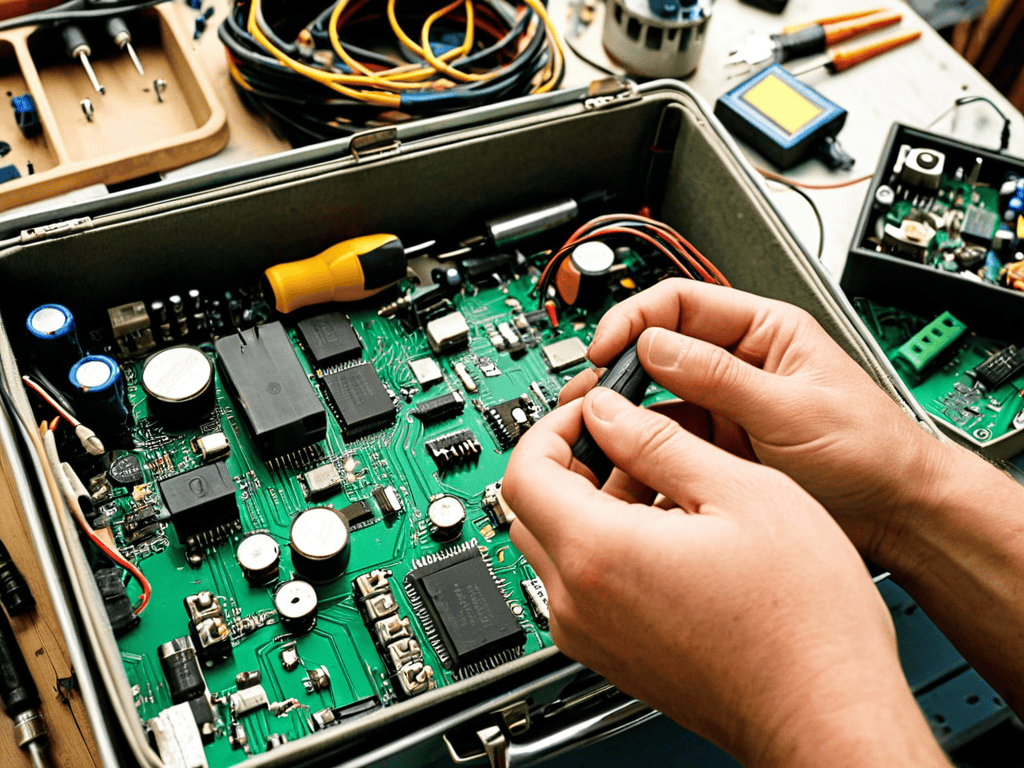
- Embrace the Rhythm of Repair: Understand your rights under the legislation and how it applies to your favorite devices, from smartphones to laptops, to ensure you’re in tune with the latest developments
- Conduct a Melodic Audit: Assess your electronic waste and identify areas where repair can make a significant impact, reducing the discordant note of e-waste in our environment
- Find Your Frequency: Research and support companies that prioritize device repairability, fostering a symphony of sustainability in the tech industry
- Create a Repair Refuge: Designate a space in your home for repair and DIY projects, inspiring a culture of fixers and makers who harmonize technology with transparency
- Join the Chorus: Advocate for continued legislative support and expansion of right to repair laws, ensuring that the melody of consumer rights remains in perfect unison with environmental sustainability
Key Takeaways: Harmonizing Repair and Sustainability
As the right to repair legislation gains momentum, it’s essential to recognize its potential in reducing electronic waste and promoting sustainable consumption patterns, much like the intentional reuse of vintage elements in my interior design projects.
Device repairability scores are becoming increasingly important, as they provide consumers with the information needed to make informed purchasing decisions, echoing the rhythm of transparency and accountability in the marketplace.
Ultimately, the legislative support for repair and the growing awareness of e-waste’s environmental impact signal a shift towards a more harmonious relationship between technology, consumer rights, and the planet, a symphony that I believe will continue to inspire new melodies in the world of interior design and beyond.
Harmonizing Progress
As we tune into the rhythm of right to repair legislation, we’re not just fixing devices, we’re composing a symphony of sustainability, transparency, and consumer empowerment – a melody that echoes through every home, every community, and every generation to come.
Bella Calhoun
Conclusion
As I reflect on the rhythms of repair that are being orchestrated through the Right to Repair legislation, I am reminded of the sustainable harmonies that can be achieved when technology and transparency come together in perfect unison. The implementation of device repairability scores, the reduction of electronic waste, and the legislative support for repair are all crucial elements in this symphony. By embracing these initiatives, we can create a more environmentally conscious and consumer-centric approach to technology, one that celebrates the beauty of repair and restoration.
As we move forward, let us be inspired by the melody of possibility that this legislation represents. Let us envision a world where every device, every gadget, and every innovation is designed not just with function in mind, but with the poetry of repair and the music of sustainability. In this world, the Right to Repair is not just a law, but a celebration of human ingenuity, a testament to our ability to create, to innovate, and to make the world a more vibrant and wondrous place, one repair at a time.
Frequently Asked Questions
How will the Right to Repair Legislation impact the cost and accessibility of repair services for consumers?
As I envision the harmony of repair and consumer rights, I see the Right to Repair Legislation tuning the frequency of accessibility, making repair services more affordable and within reach for all, much like a perfectly improvised jazz solo – spontaneous, yet elegantly refined.
What role will manufacturers play in providing repair information and parts under the new legislation?
As the legislation unfolds, manufacturers will be required to provide accessible repair information and parts, much like a jazz musician shares their sheet music, allowing others to improvise and create. This transparency will harmonize the repair process, enabling consumers and independent repair shops to fix devices with ease, reducing electronic waste and creating a more sustainable melody.
How will the implementation of Right to Repair Legislation be enforced and what penalties will be in place for non-compliance?
As I envision the enforcement of Right to Repair Legislation, I see a harmonious blend of transparency and accountability. Regulatory bodies will likely conduct regular audits, and non-compliant companies may face fines or even lawsuits, ensuring a symphony of cooperation between manufacturers, consumers, and the environment.