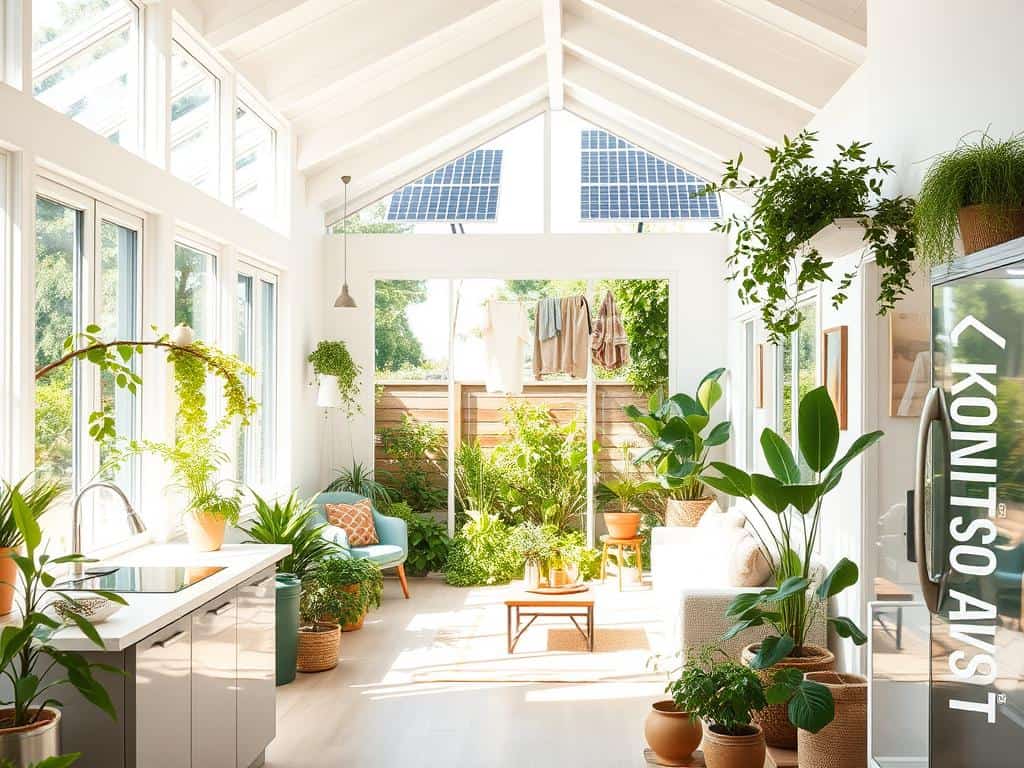

Have you ever thought about how our homes affect the environment? As I sit in my living room, I see the clutter of daily life. I realize even small changes can make a big difference.
Turning my home into an eco-friendly space was a personal challenge. It became a journey towards sustainable living. It’s a step towards saving our planet for the future.
These hacks are for everyone, not just environmentalists. It’s easy to start making your home greener. You can switch to energy-efficient appliances or look into green energy options.
The journey to a sustainable home is simple. We can reduce our carbon footprint, one small hack at a time.
Let’s explore practical hacks to make your home eco-friendly. This will improve your life and help our planet.
Key Takeaways
- Start with small eco-friendly changes that can lead to significant improvements.
- Consider energy-efficient appliances and lighting to reduce energy consumption.
- Implement water-saving techniques to promote sustainability.
- Explore renewable energy options like solar panels for a greener home.
- Choose sustainable materials for home renovations to lessen your ecological impact.
- Practice waste reduction strategies, including composting and recycling.
- Create a healthier living environment by opting for eco-friendly products.
Understanding the Importance of an Eco-Friendly Home
Climate change is a big worry, and our homes play a big role. Small actions add up to big changes. Making our homes green can really help fight climate change.
Impact of Households on Climate Change
Households are a big source of carbon emissions. The east U.S. is getting hotter and stormier. The west U.S. is facing droughts and water shortages. Using green practices cuts down on fossil fuel use and carbon emissions.
Switching to solar panels and LED lights makes a big difference. It reduces our harm to the environment.
Benefits of Going Green
Going green is good for more than just the planet. It makes our homes healthier, with cleaner air. This can help prevent breathing problems.
Using solar power can also save money on bills. Green renovations use strong, safe materials. This means less upkeep and cost over time. Living green is good for us and the planet.
Practical Tips for a More Eco-Friendly Home
Making my home more eco-friendly can feel overwhelming. But, small steps lead to big changes. Discovering effective strategies helps use less energy, reduce waste, and use green energy. By doing this, I help the planet and stay comfortable at home.
Enhancing Energy Efficiency
Improving energy efficiency starts with simple habits. Turning off appliances when not in use saves energy and money. Choosing energy-efficient appliances and LED bulbs also helps.
Double-glazed windows and insulation keep my home cozy. This means I use less heating and cooling.
Waste Reduction Strategies
Reducing waste is about being mindful every day. I freeze leftovers and compost organic scraps. This way, I recycle and improve my garden’s soil.
Regrowing vegetables like green onions in water is another sustainable habit. These small actions make a big difference.
Utilizing Green Energy
Using renewable energy changes my carbon footprint. Solar panels generate clean electricity, making me energy independent. They also reduce carbon emissions.
Heat pumps are another way to cut down on fossil fuel use. Knowing about grants for these upgrades motivates me to switch to green energy.
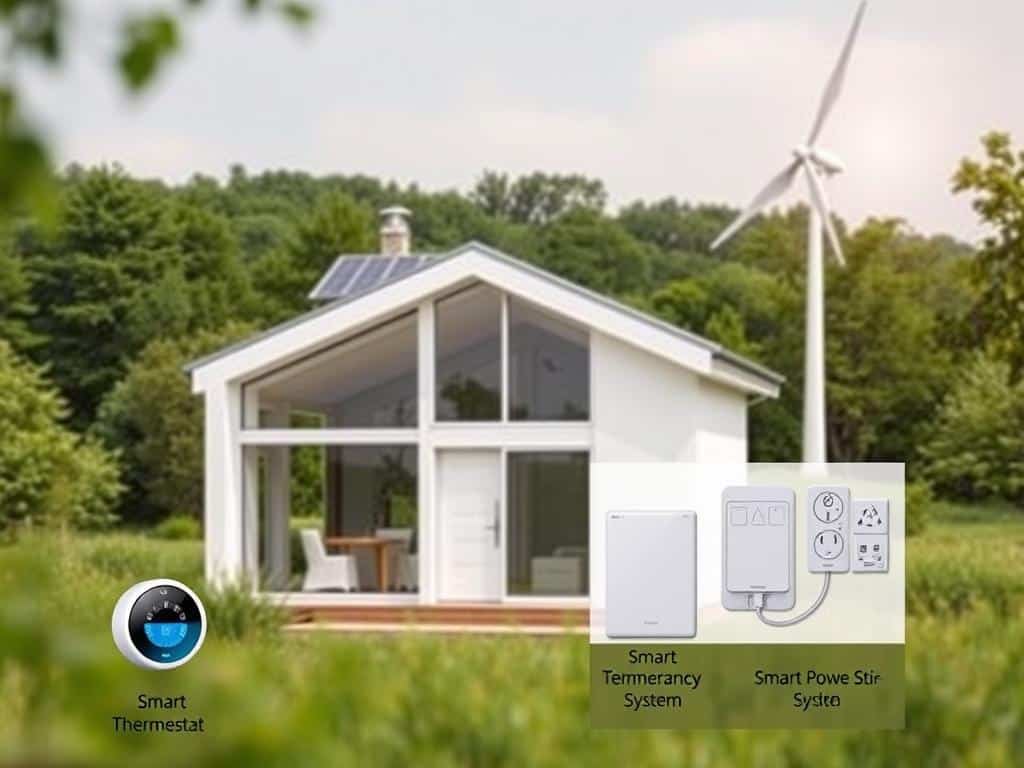
Transform Your Space with Sustainable Hacks
Making your home beautiful and eco-friendly is easy with simple steps. I’ve found that adding eco-friendly decor and sustainable hacks makes my home look great. It also helps the planet and makes my home healthier.
Eco-Friendly Home Decor
I choose decor that’s good for the planet, like bamboo and non-VOC paints. These choices make my air cleaner and help the environment. Using old materials for furniture makes my home special and saves resources.
Houseplants like spider plants and peace lilies clean the air and look good. They show how I can make my home beautiful and green.
Water Conservation Techniques
Using less water is key to a sustainable home. I’ve installed low-flow fixtures to save water without losing quality. Fixing leaks fast is also important to save every drop.
Using rainwater for non-drinking needs has been a big help. It cuts down on water waste and saves money. These steps make my home more eco-friendly and cost-effective.
Conclusion
Creating an eco-friendly home is a journey with many benefits. It helps the environment and improves our health. By using sustainable practices, we can lower our carbon footprint and make our homes healthier.
Choosing natural materials and passive solar design are key steps. These choices not only improve our homes but also help the planet.
Starting small can make a big difference. Using rainwater and greywater systems can save a lot of water. Energy-efficient designs also cut down on heating and cooling costs.
Every small change we make helps the planet. It shows our dedication to living green.
I hope you’re inspired to make your home more eco-friendly. Simple steps like using energy-efficient appliances and sustainable materials can help. Together, we can make a big difference for our planet.
Every action we take is important. It helps create a better future for all of us.