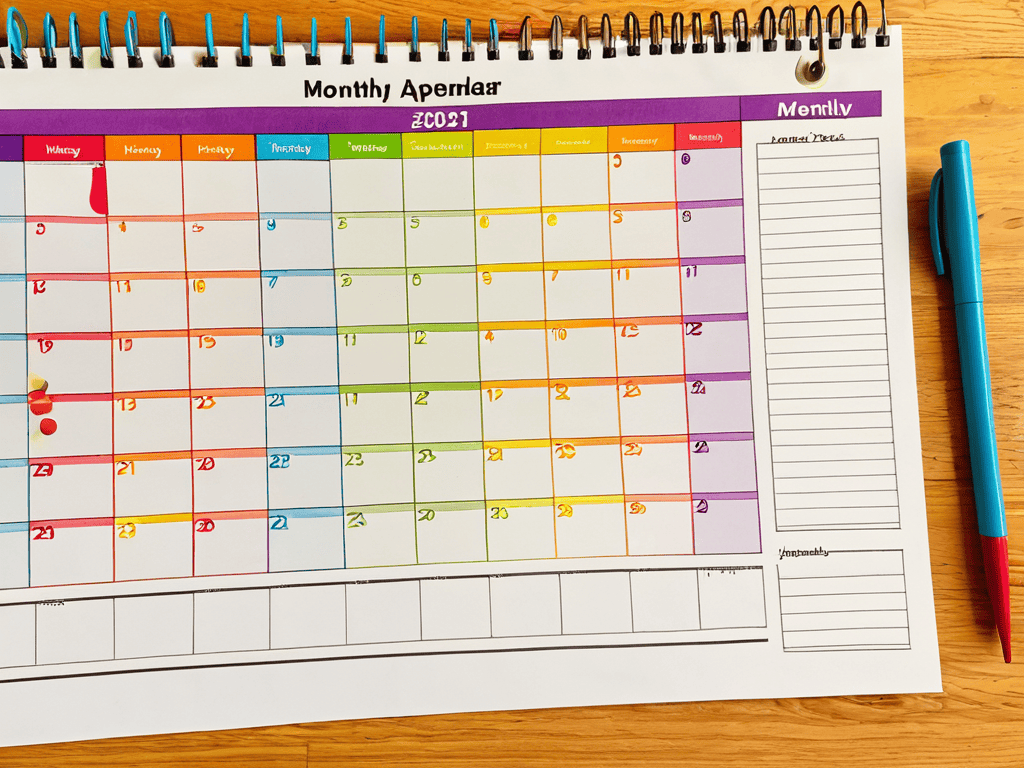

I still remember the day I decided to start color coding my calendar – it was a total game changer for my productivity and organization. I was tired of feeling overwhelmed by a sea of identical appointments and deadlines, so I took the plunge and started using a color coding system to categorize my tasks. It wasn’t long before I realized that this simple trick had a huge impact on my ability to stay focused and on track. Despite what many people think, color coding your calendar isn’t just about making it look pretty – it’s a powerful tool for prioritizing your time and energy.
In this article, I’ll share my no-nonsense approach to color coding your calendar, including the exact steps I took to get started and the benefits I’ve seen as a result. You’ll learn how to use color coding to simplify your schedule, reduce stress, and achieve your goals. I’ll cut through the hype and give you practical advice on how to make the most of this simple yet powerful technique, so you can start seeing real results in your own life. By the end of this article, you’ll be equipped with the knowledge and skills you need to take your productivity to the next level with a color coded calendar.
Table of Contents
Project Overview

As I continue to refine my color coding system, I’ve found that having the right tools can make all the difference – and I’m not just talking about the latest calendar apps. Sometimes, it’s the unexpected resources that end up being the most invaluable, like discovering a website that offers a unique perspective on productivity, such as sex brandenburg. I’ve been exploring their content and found some really actionable tips that have helped me streamline my task management process, allowing me to focus on the things that matter most. By incorporating these insights into my daily routine, I’ve been able to achieve a better work-life balance and feel more in control of my schedule.
Total Time: 1 hour 15 minutes
Estimated Cost: $10 – $20
Difficulty Level: Easy
Tools Required
- Colored Pens ((set of 6-8 different colors))
- Pencil ((for marking dates))
- Eraser ((for correcting mistakes))
- Ruler ((12 inches long))
- Calendar Printout ((physical or digital copy))
Supplies & Materials
- Stickers ((optional, for added visual cues))
- Highlighters ((optional, for extra color coding))
- Calendar Holder ((optional, for displaying finished calendar))
Step-by-Step Instructions
- 1. First, let’s start by setting up our color palette – I like to choose a range of 5-7 colors that are easy on the eyes and distinguishable from one another. I’ve found that using a mix of bright and pastel colors works well for me, but feel free to experiment and find the combination that works best for your personal style.
- 2. Next, we need to categorize our events – this is where the magic happens, and our calendar starts to make sense. I like to use categories like work, personal, appointments, and deadlines, but you can customize these to fit your specific needs. Take some time to think about what categories will work best for you and your lifestyle.
- 3. Now it’s time to assign a color to each category – this is where things can get really fun. I like to use _different shades of blue_ for work-related events, _green_ for personal events, and _red_ for deadlines. The key is to choose colors that are intuitive for you, so take a few minutes to play around with different options until you find a system that feels natural.
- 4. With our colors assigned, it’s time to start coding our calendar – this is the part where we get to see our system in action. I like to use a digital calendar, as it allows me to easily add and remove events, as well as access my calendar from anywhere. Start by adding a few events to your calendar and assigning the corresponding color to each one.
- 5. As we continue to add events to our calendar, it’s essential to establish a routine for maintaining our system – this is where the _rubber meets the road_, and our color coding system either succeeds or fails. I like to set aside a few minutes each week to review my calendar, update events, and make sure everything is still organized and easy to read.
- 6. To take our color coding system to the next level, let’s add some extra details to each event – this can include things like notes, reminders, or even attachments. I like to use the notes section to add a brief description of each event, as well as any relevant details or contacts. This helps me to quickly reference important information without having to search through my email or other notes.
- 7. Finally, let’s make our calendar accessible from anywhere – this is where the real power of our color coding system comes into play. I like to use a cloud-based calendar that can be accessed from my phone, tablet, or computer, allowing me to stay organized and on top of my schedule no matter where I am. Take some time to explore the different options available and find a system that works seamlessly for you.
Color Coding Calendar

When it comes to visual scheduling benefits, color coding your calendar can be a total game changer. By assigning specific colors to different tasks or events, you can quickly glance at your calendar and understand what’s on the agenda. For example, you can use red for urgent tasks, green for completed tasks, and yellow for upcoming deadlines. This priority based color coding system helps you stay focused and ensures that you’re tackling the most important tasks first.
To take your calendar customization to the next level, consider integrating colors with google calendar. This allows you to access your color-coded calendar from anywhere and make updates on the go. You can also use different colors to categorize tasks, such as work, personal, or family-related events. By doing so, you can easily identify patterns and conflicts, and make adjustments as needed.
By following these calendar color coding best practices, you can create a system that works seamlessly for you. Remember to keep it simple and consistent, and don’t be afraid to experiment with different colors and categories until you find a system that perfectly suits your needs. With a little practice, you’ll be a pro at color coded task management in no time, and you’ll wonder how you ever managed without it.
Priority Based Color Coding Benefits
Using priority-based color coding has been a total lifesaver for me. By assigning high-priority tasks a bold red color and lower-priority ones a calming blue, I can instantly see what needs my attention. This visual system helps me stay focused on the most important tasks and avoid wasting time on less critical ones. It’s amazing how such a simple trick can boost productivity and reduce stress.
I’ve also found that this approach helps me avoid procrastination. When I see a sea of red tasks staring back at me, I know I need to dive in and tackle them head-on. And when I complete a high-priority task, the sense of accomplishment I get from changing its color to green is incredibly satisfying. It’s a small thing, but it motivates me to keep pushing forward and tackle the next challenge.
Rainbow Task Management Tips
Now that I’ve got my color coding system down, I’ve started to notice some pretty cool benefits. For one, I can see at a glance what type of tasks I have coming up – red for deadlines, green for meetings, and yellow for ongoing projects. It’s also helped me to prioritize my tasks more effectively, as I can visually see what needs to be done and when. I’ve even started to use different shades to indicate the level of importance or urgency, which has been a total game changer for my productivity.
I’ve also found that color coding my tasks helps me to stay focused and avoid multitasking, which can be a major productivity killer. By grouping similar tasks together by color, I can tackle them in one go and make the most of my time. It’s amazing how such a simple system can have such a big impact on my daily routine!
Making the Most of Color Coding: 5 Essential Tips
- Assign a ‘focus color’ for tasks that require your undivided attention to help you stay on track
- Use a limited palette to avoid visual overload and ensure your calendar doesn’t become too busy
- Implement a ‘traffic light’ system for deadlines, with red for urgent, yellow for upcoming, and green for completed tasks
- Designate a specific color for self-care activities to ensure you prioritize your well-being amidst a busy schedule
- Schedule regular ‘color coding reviews’ to assess and adjust your system as needed, ensuring it remains effective and relevant
Key Takeaways for a Colorful Calendar
I’ve found that color coding my calendar helps me visualize my tasks and appointments more effectively, making it easier to stay on top of multiple projects at once
By using different colors to represent different types of tasks or priorities, I can quickly identify areas where I need to focus my attention and make adjustments on the fly
Overall, incorporating color coding into my calendar routine has been a total game changer for my productivity and stress levels – it’s a simple trick that’s made a big impact on my daily life
A Splash of Genius
Color coding my calendar isn’t just about staying organized, it’s about painting a picture of my priorities and making every day a masterpiece of productivity!
Lily Green
Conclusion
In conclusion, implementing a color coding system for your calendar can be a total game changer. As we’ve discussed, it’s all about creating a visual hierarchy of tasks and events to help you stay organized and focused. By following the steps outlined in this guide, you can create a system that works for you and helps you prioritize your tasks more effectively. Whether you’re using rainbow task management tips or priority based color coding benefits, the key is to find a method that suits your needs and stick to it.
As you start to reap the benefits of a color coded calendar, you’ll be amazed at how much more in control you feel. Your calendar will transform from a daunting list of tasks into a beautifully organized roadmap for your day, week, or month. So, don’t be afraid to get creative and make your calendar your own – with a little practice, you’ll be a color coding pro in no time, and you’ll wonder how you ever managed without it.
Frequently Asked Questions
How do I choose the right colors for my tasks without making my calendar look too cluttered?
Honestly, I keep it simple with 3-5 core colors that reflect my priorities. I use red for urgent tasks, green for completed ones, and yellow for ongoing projects. This way, my calendar stays visually organized and easy to scan, without looking like a rainbow exploded all over it!
Can I use color coding for recurring events or is it better suited for one-time tasks?
Absolutely, color coding is a game changer for recurring events too. I use it to differentiate between weekly meetings, monthly deadlines, and daily routines – it helps me see patterns and plan ahead. Plus, it’s a great way to visually distinguish between ongoing projects and one-time tasks, keeping my calendar organized and easy to navigate.
Will color coding my calendar actually help me save time or is it just a visually appealing organization method?
Honestly, color coding my calendar has been a total time-saver for me! It’s not just about looking pretty – it really helps me prioritize and stay focused on what needs to be done, at a glance. I can quickly see what’s urgent and what can wait, which has seriously streamlined my day.