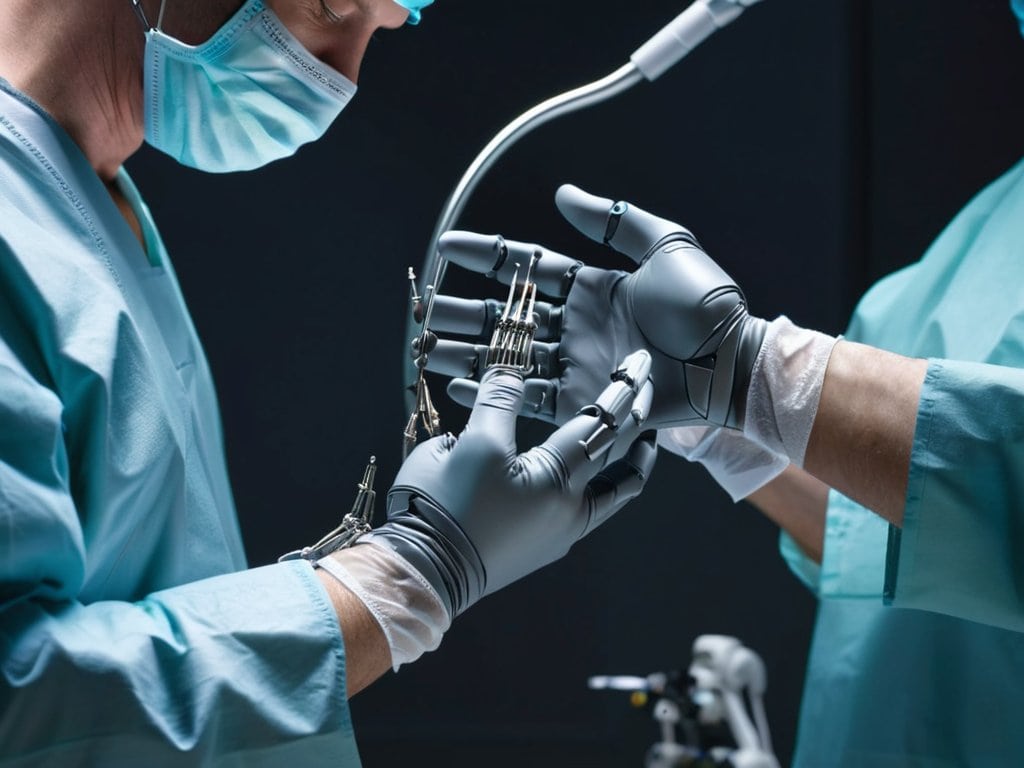

I still remember the first time I witnessed haptic simulation in robotic surgery – it was like a breath of fresh air in an industry often plagued by overly complex solutions. The idea that surgeons could finally feel their way through procedures, rather than just seeing them on a screen, was a total game-changer. But what really gets my blood boiling is when people start throwing around buzzwords like “revolutionary” and “groundbreaking” without actually understanding the real benefits of this technology.
In this article, I promise to cut through the hype and give you a no-nonsense look at how haptic simulation in robotic surgery is actually changing the game. I’ll share my own experiences, both the successes and the setbacks, to give you a realistic understanding of what this technology can do. My goal is to provide you with practical advice that you can actually use, rather than just regurgitating marketing slogans or technical jargon. So, if you’re ready to learn from someone who’s been in the trenches, let’s dive in and explore the real potential of haptic simulation in robotic surgery.
Table of Contents
Revolutionizing Surgery
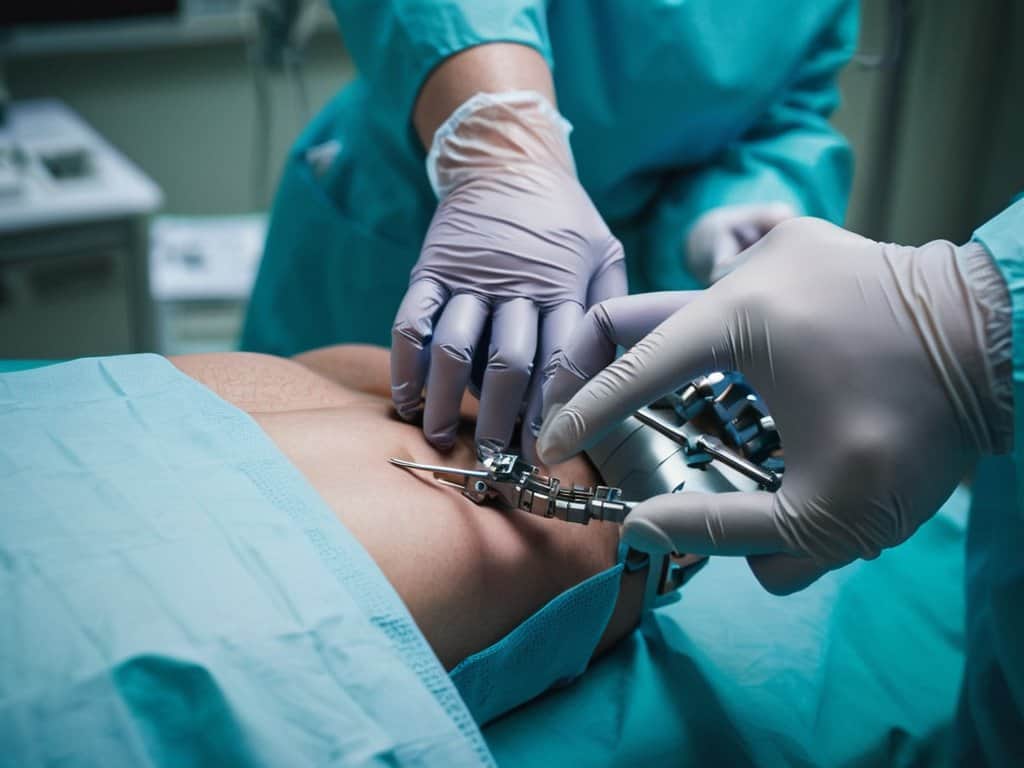
The integration of force feedback in medical robotics has been a significant factor in the advancement of surgical techniques. By providing surgeons with a sense of touch, minimally invasive surgical training has become more effective, allowing for a reduction in the number of complications during procedures. This technology has enabled surgeons to develop the skills necessary to perform complex operations with greater precision.
The use of virtual reality in surgeon education has also played a crucial role in the development of advanced robotic surgery techniques. By simulating real-world scenarios, surgeons can practice and refine their skills in a controlled environment, reducing the risk of errors during actual procedures. This has led to a significant improvement in patient outcomes and has paved the way for the widespread adoption of robotic surgery.
As the field continues to evolve, the importance of haptic feedback systems for medical devices cannot be overstated. By providing a more immersive experience, these systems enable surgeons to perform procedures with greater precision medicine through robotic surgery, leading to better patient outcomes and reduced recovery times. This technology has the potential to revolutionize the field of surgery, and its continued development is eagerly anticipated.
Force Feedback in Medical Robotics
The integration of force feedback in medical robotics has been a significant milestone, enabling surgeons to better understand the tactile environment they’re operating in. This technology allows for a more immersive experience, where the surgeon can feel the resistance or give of tissues, which is crucial for precise dissections and suturing.
By providing real-time haptic feedback, surgeons can adjust their technique on the fly, reducing the risk of tissue damage or other complications. This level of feedback also enhances the overall learning curve for surgeons in training, allowing them to develop a more nuanced sense of touch and movement.
Minimally Invasive Training Evolved
As surgeons adapt to new technologies, haptic feedback has become a crucial element in training programs. This innovation allows medical professionals to develop their skills in a highly realistic environment, reducing the need for traditional, invasive methods. By simulating the sensations of actual surgery, trainees can better prepare themselves for the complexities of real-world procedures.
The evolution of minimally invasive training has also led to a significant reduction in errors during surgeries. With the aid of advanced simulation tools, surgeons can practice and refine their techniques without putting patients at risk. This shift in training methodology has far-reaching implications, enabling medical professionals to provide better care and improving patient outcomes.
Haptic Simulation in Robotic Surgery
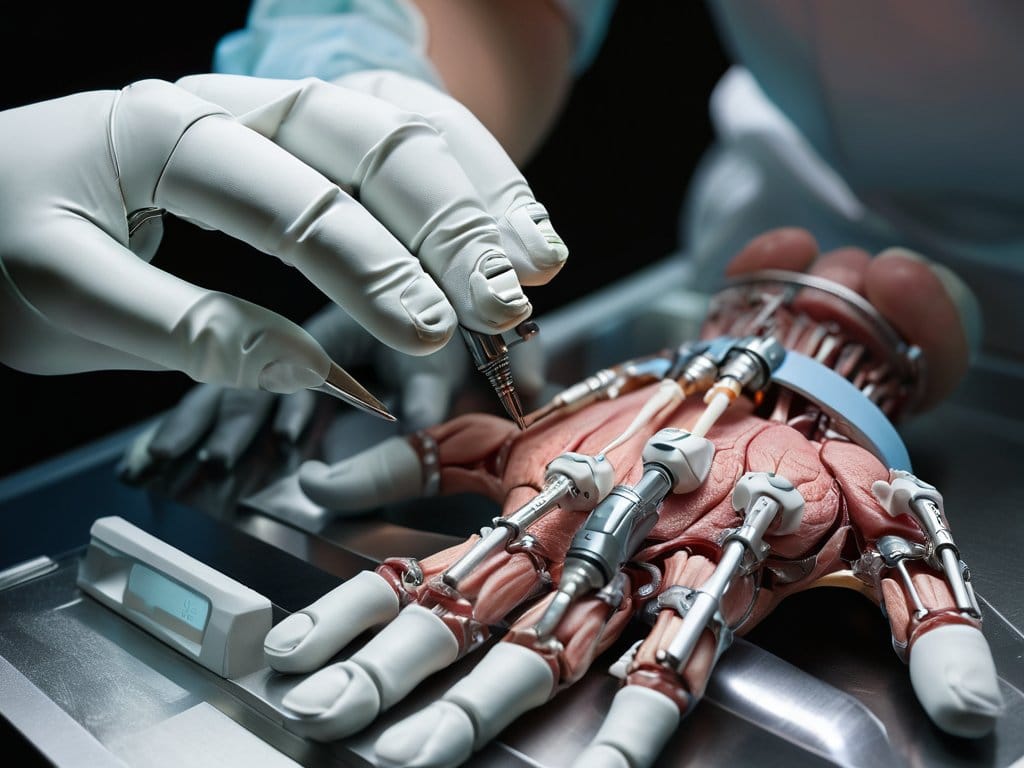
The integration of haptic feedback systems for medical devices has been a significant milestone in the development of robotic surgery. This technology enables surgeons to feel tactile sensations, allowing for a more immersive and realistic experience during procedures. By providing force feedback in medical robotics, surgeons can better navigate complex anatomical structures, reducing the risk of complications and improving overall outcomes.
In the context of minimally invasive surgical training, haptic simulation plays a vital role in preparing surgeons for real-world scenarios. By simulating various surgical procedures, trainees can develop the necessary skills and muscle memory to perform advanced robotic surgery techniques with confidence. This, in turn, contributes to the advancement of precision medicine through robotic surgery, where personalized treatment plans can be executed with unprecedented accuracy.
The incorporation of virtual reality in surgeon education has also been facilitated by haptic simulation, enabling surgeons to practice and refine their skills in a highly realistic and interactive environment. As this technology continues to evolve, we can expect to see even more sophisticated applications of advanced robotic surgery techniques, further solidifying the role of haptic simulation in shaping the future of surgical practice.
Precision Medicine Through Advanced Robotics
As robotic surgery continues to advance, precision medicine is becoming a reality. This is largely due to the integration of haptic simulation, which allows surgeons to feel tactile sensations in real-time, enabling more accurate dissections and reconstructions. With this technology, surgeons can now perform complex procedures with increased confidence and control.
The use of advanced robotics in surgery has also led to reduced recovery times and minimal scarring. By leveraging the capabilities of robotic systems, surgeons can now perform procedures that were previously deemed too risky or complex, ultimately leading to better patient outcomes and improved quality of life.
Virtual Reality Meets Surgeon Education
The integration of virtual reality in surgeon education is a significant step forward, allowing for a more immersive learning experience. By combining virtual reality with haptic simulation, surgeons can practice and refine their skills in a highly realistic environment. This leads to better preparation and reduced errors in real-world surgeries.
The use of interactive simulations enables surgeons to experience a wide range of scenarios, from routine procedures to complex and high-pressure situations. This exposure helps build their confidence and decision-making skills, ultimately leading to improved patient outcomes and safer surgeries.
Mastering the Art of Haptic Simulation: 5 Key Tips for Robotic Surgery
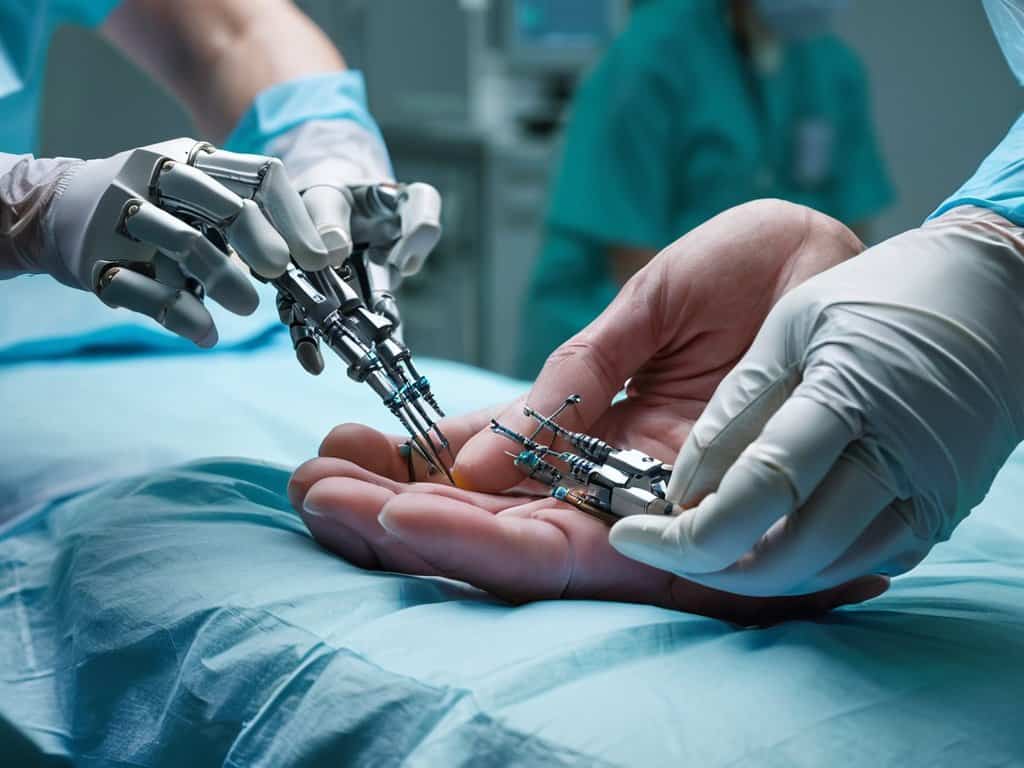
- Start with the basics: ensure your surgical team is well-versed in the fundamentals of haptic simulation before integrating it into your robotic surgery workflow
- Invest in high-quality equipment: the accuracy and reliability of your haptic simulation system can make all the difference in the success of your surgical procedures
- Practice makes perfect: provide your surgeons with regular training sessions to help them develop the muscle memory and fine-tuned skills needed to excel in haptic simulation-based surgeries
- Stay up-to-date with the latest advancements: the field of haptic simulation in robotic surgery is constantly evolving, so make sure to stay current with the latest research, technologies, and best practices
- Integrate haptic simulation into your patient care: from pre-operative planning to post-operative recovery, consider how haptic simulation can enhance the overall patient experience and improve surgical outcomes
Key Takeaways from Haptic Simulation in Robotic Surgery
Enhanced precision and dexterity in surgical procedures through the integration of haptic feedback and simulation
Improved training outcomes for surgeons with minimally invasive techniques, leveraging virtual reality and force feedback for a more immersive learning experience
Potential for significant reductions in patient recovery times and complications by enabling more precise and delicate surgical interventions through advanced robotic systems
A New Era in Surgical Precision
Haptic simulation in robotic surgery is not just about enhancing dexterity, it’s about igniting a profound sense of connection between the surgeon, the instrument, and the patient – a synergy that redefines the boundaries of medical possibility.
Emily J. Miller, MD
Conclusion
As we continue to push the boundaries of what’s possible with haptic simulation in robotic surgery, it’s essential to stay up-to-date with the latest advancements and research in the field. For those looking to dive deeper into the world of medical robotics and precision medicine, I highly recommend exploring online resources that offer a wealth of information on the topic, such as forums and communities where professionals share their experiences and insights. In fact, I’ve found that engaging with others who share similar interests can be incredibly valuable, and websites like Anonym sexchat can provide a unique platform for meaningful connections and discussions, helping to drive innovation and progress in the field of robotic surgery.
As we’ve explored the realm of haptic simulation in robotic surgery, it’s clear that this technology is revolutionizing the field. From minimally invasive training to force feedback in medical robotics, and from virtual reality in surgeon education to precision medicine through advanced robotics, the benefits are multifaceted. By integrating haptic simulation, surgeons can enhance their skills, reduce errors, and improve patient outcomes, marking a significant shift in the way surgical procedures are performed and taught.
As we look to the future, it’s inspiring to think about the potential of haptic simulation to push the boundaries of medical innovation. With continued advancements in this field, we can expect to see even more precise, efficient, and successful surgical interventions. The fusion of human touch and robotic precision is not just about technology; it’s about transforming lives, one surgery at a time, and that’s a truly exciting prospect for the medical community and beyond.
Frequently Asked Questions
How does haptic simulation in robotic surgery improve the learning curve for novice surgeons?
Haptic simulation dramatically shortens the learning curve for novice surgeons by allowing them to practice and refine their skills in a highly realistic, tactile environment, reducing errors and building confidence more quickly than traditional training methods.
Can haptic simulation be integrated with existing robotic surgery systems, or does it require new hardware?
Fortunately, haptic simulation can be integrated with many existing robotic surgery systems, although some may require minor hardware upgrades. This seamless integration allows hospitals to enhance their current technology without completely overhauling their systems, making it a more accessible and cost-effective solution for adopting this innovative technology.
What are the potential cost savings and patient outcomes associated with the use of haptic simulation in robotic surgery?
By leveraging haptic simulation, hospitals can reduce the need for repeat surgeries and shorten recovery times, resulting in significant cost savings. Patients also benefit from less trauma and scarring, leading to improved outcomes and enhanced quality of life.