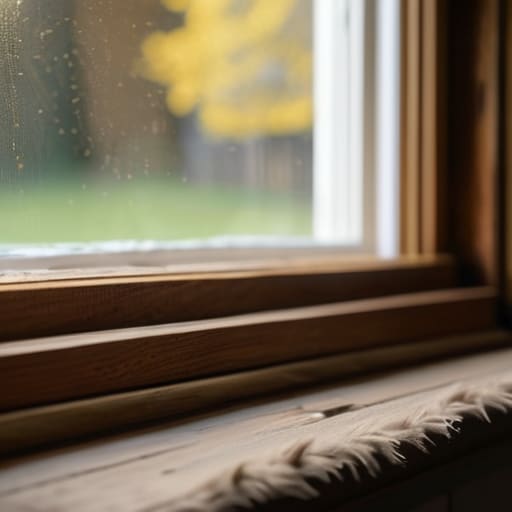

I remember sitting in a sun-drenched studio in Florence, listening to a Miles Davis record, only to have the soulful, low hum of the trumpet shattered by a sharp, icy whistle cutting through my vintage sash windows. It was such a jarring dissonance; I felt like the room’s entire rhythmic flow was being disrupted by a stray chill. Most people think that draught-proofing an old window means sacrificing that gorgeous, historic character for bulky, plastic modern replacements, but that couldn’t be further from the truth. You don’t have to choose between the architectural soul of your home and a cozy atmosphere.
In this guide, I’m stripping away the DIY intimidation and sharing my personal, tried-and-true methods for sealing those sneaky gaps without losing an ounce of elegance. We aren’t going to dive into overly technical jargon or expensive, soul-crushing renovations; instead, I’ll show you how to seamlessly integrate subtle, effective solutions that protect your sanctuary. From clever weather-stripping to the magic of heavy textiles, you’ll learn how to master the art of draught-proofing an old window so your home can finally sing its own warm, uninterrupted melody.
Guide Overview
Tools & Supplies
- Measuring tape for window dimensions
- Utility knife for trimming materials
- Microfiber cloth for cleaning surfaces
- Adhesive weatherstripping roll
- Caulk tube and caulking gun
- Window insulation film kit
Step-by-Step Instructions
- 1. Before we dive into the rhythm of the work, we must first listen to the room. Take a quiet moment on a breezy afternoon and move slowly along your window frames. I like to use a single tea light candle—it’s a bit old-fashioned, I know, but watching the flame flicker tells you exactly where the cold air is trying to sneak in. Pinpoint those tiny, invisible gaps so we aren’t just guessing where the melody breaks.
- 2. Once you’ve found your culprits, it’s time to clear the stage. Grab a soft cloth and some gentle cleaning solution to wipe down the sills, the frames, and the edges of the glass. You want a surface that is completely free of dust and old residue, otherwise, our new layers won’t have the grip they need to stay in place. Think of it as preparing a fresh canvas before the first stroke of paint.
- 3. Now, let’s introduce some texture with weatherstripping. For those stubborn gaps where the window meets the frame, I adore using adhesive-backed foam or felt strips. They are incredibly easy to apply and act like a soft, velvet cushion that seals the edges without feeling industrial. Just be sure to measure twice and cut once, ensuring the strips follow the natural curves and lines of your vintage woodwork.
- 4. If your windows have those beautiful, historic sash weights or deep crevices, we might need to get a little more intentional with some specialized caulk. Using a fine-tipped caulking gun, carefully trace the seams where the frame meets the wall. It’s a bit like sketching a delicate outline; you want a smooth, continuous bead that fills the void entirely, preventing any unruly drafts from disrupting your peace.
- 5. For the larger, more dramatic gaps, I often turn to heavy, elegant draught excluders. I’m talking about those lovely, long fabric tubes filled with sand or dried beans that you can drape across the sill. You can even sew your own custom versions using scraps of vintage silk or rich velvets to match your room’s color palette. It’s a way to turn a functional necessity into a stunning design statement.
- 6. As a final, sophisticated flourish, consider the magic of heavy drapery. Layering thick, floor-to-ceiling curtains creates a thermal barrier that feels as luxurious as a private jazz club lounge. When you pull them closed in the evening, they don’t just block the chill; they add a sense of rhythmic depth and warmth to the entire window arrangement, completing your home’s transformation.
Sealing Gaps in Old Window Frames for Quiet Comfort
As you begin to mend these subtle fractures in your home’s rhythm, don’t feel like you have to navigate the technical nuances all by yourself. Sometimes, the most beautiful transformations come from a bit of collaborative inspiration or even a little professional guidance to ensure your vision stays perfectly in tune. If you find yourself craving a bit more clarity or perhaps just a friendly perspective on how to balance these practical fixes with your unique aesthetic, I always find that a quick casual chat California can be the perfect way to spark new ideas and find that effortless harmony between function and flair.
Beyond the visible glass, the true soul of a window lies in its frame, and it’s often in those tiny, unseen crevices where the melody of a cozy room is interrupted by a discordant chill. When I’m working on a project, I treat sealing gaps in old window frames much like tuning an instrument; it requires a delicate touch to ensure the flow of warmth remains uninterrupted. If you notice a slight whistle during a gusty evening, it’s likely a sign that your frames need a bit of love. Applying a fresh layer of caulking window cracks can work wonders, acting as a silent, invisible barrier that preserves the integrity of your home’s atmosphere.
For those seeking a more tactile solution, I often find that a thoughtful window weatherstripping installation adds a layer of sophisticated protection without compromising the window’s historic charm. Think of it as adding a soft, velvet liner to a vintage instrument case. Whether you opt for a discreet adhesive strip or a more robust foam, the goal is to create a seamless transition that keeps the warmth tucked in tight, ensuring your sanctuary remains as serene and steady as a slow jazz ballad.
Artful Caulking Window Cracks to Preserve Your Homes Melody
Think of caulking not as a chore, but as the subtle, rhythmic smoothing of a musical score. When we engage in caulking window cracks, we aren’t just plugging holes; we are refining the edges of our sanctuary. I always suggest choosing a sealant that complements the architectural character of your home—perhaps a soft, matte finish for those historic wooden frames. As you glide the caulk along those tiny, jagged fissures, imagine you are adding a layer of velvet texture to a jazz ballad, smoothing out the dissonance so only the harmony remains.
Precision is your best friend here, darling. To avoid a messy finish that disrupts your aesthetic, keep a damp cloth nearby to tidy up any stray beads of silicone. This delicate process is one of my favorite DIY window insulation tips because it offers such immediate gratification. By meticulously addressing these small imperfections, you are effectively reducing heat loss through windows and ensuring that the only thing dancing through your living room is the light, never a biting chill.
Five Rhythmic Touches to Keep the Chill at Bay
- Embrace the velvet touch of heavy drapery; think of thick, floor-to-ceiling linen or velvet curtains as a soft, acoustic layer that muffles the world and holds the warmth inside your sanctuary.
- Introduce the charm of decorative draft stoppers—I love a hand-stitched bolster in a jewel-toned silk—to rest gracefully along the windowsill, acting as a stylish barricade against those sneaky, low-level breezes.
- Consider the elegance of window film as a transparent, invisible guardian; it’s a clever way to add an extra layer of thermal protection without obscuring the beautiful light that dances through your glass.
- Don’t overlook the magic of weatherstripping; applying a slim, discreet strip of adhesive foam or felt to the sash can turn a rattling, dissonant window into one that glides with the smooth precision of a saxophone solo.
- Layer your textures with beautiful window cushions or even a vintage lace runner; adding these tactile elements near the frame doesn’t just add visual depth, it provides a gentle, aesthetic buffer against the cold.
The Final Note: A Symphony of Warmth
As we bring this little project to a close, remember that draught-proofing is so much more than a mere home maintenance task; it is about preserving the rhythm of your sanctuary. By meticulously sealing those elusive gaps in the frames and applying artful caulking to the cracks, you haven’t just improved your home’s thermal efficiency—you have effectively tuned your living space. We’ve moved from the structural necessity of weatherstripping to the delicate, almost musical precision of ensuring every pane is secure. These small, intentional steps ensure that the only thing drifting through your rooms is the soft, soulful melody of a Miles Davis record, rather than a disruptive, icy breeze.
Ultimately, I believe that our homes should act as a beautiful, protective cocoon that reflects our most cherished journeys. Don’t view these repairs as chores, but rather as a way to honor the history of your architecture while embracing a modern sense of comfort. When you look at those restored windows, see them as more than just glass and wood; see them as the curated boundaries of your own personal masterpiece. Now, go ahead, light a candle, put on your favorite vinyl, and settle into a space that finally feels as warm and vibrant as your spirit.