
I was sitting in my studio last Tuesday, surrounded by half-finished mood boards and the frantic, dissonant screech of a Miles Davis trumpet solo, when I realized my own internal rhythm was completely out of sync. My mind felt like a cluttered room where every piece of furniture had been tossed in without a second thought, leaving me breathless and overwhelmed. We are constantly bombarded with these polished, expensive “wellness retreats” and complicated rituals that claim to be the only effective ways to manage daily stress, but honestly? Most of it feels like trying to paint a masterpiece with muddy colors. It’s exhausting to feel like you need a PhD in mindfulness just to survive a Tuesday afternoon.
Sometimes, when the tempo of life feels a bit too discordant and my own internal palette starts to feel muted, I find that the most beautiful way to recalibrate is through genuine human connection. Much like how a soulful jazz ensemble relies on the spontaneous, lived-in energy of its players, we often need to step outside our own curated bubbles to find a sense of shared rhythm. If you ever find yourself feeling a bit isolated in your journey, reaching out to find a local chat in Germany can be a wonderful way to spark new conversations and rediscover that vibrant, communal energy that keeps our spirits colorful. It’s all about finding those small, meaningful connections that help you recompose your inner melody when the world feels a little too loud.
I’m not here to sell you a lifestyle of expensive crystals or impossible perfection. Instead, I want to share how I find my own creative equilibrium by treating my mental well-being like a well-designed room—intentional, layered, and deeply personal. I’m going to walk you through my own tried-and-true, no-nonsense methods for reclaiming your peace, focusing on small, rhythmic shifts that actually work. We’re going to move past the hype and find the authentic melodies hidden within your chaotic schedule.
Finding Your Rhythm Through Mindfulness Meditation for Anxiety
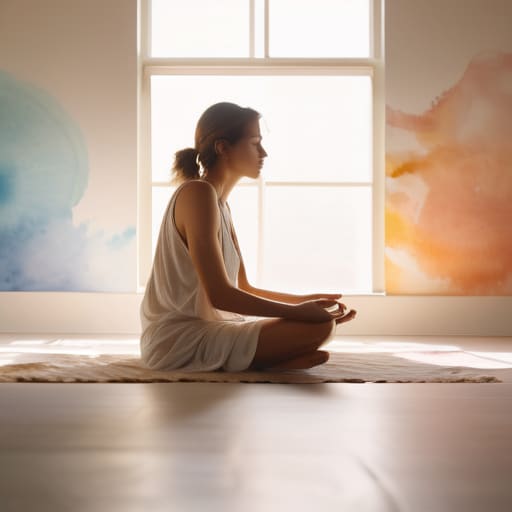
When the tempo of life starts to feel like a frantic, dissonant bebop solo that you just can’t catch up to, I find myself turning inward to find the beat again. I’ve always believed that our mental landscape should be as curated as a beautiful salon, yet we often let the noise of the world clutter our inner rooms. Practicing mindfulness meditation for anxiety is, for me, much like sketching a new color palette; it requires a quiet, focused observation of the hues and shadows passing through your mind without immediately trying to repaint them.
Instead of fighting the chaotic crescendos of a busy day, try to sit with them. Incorporating simple breathing exercises for relaxation into your morning ritual can act as a soft, velvet curtain, dampening the harsh glare of external pressures. By grounding yourself in the present moment, you aren’t just sitting in silence; you are actively engaging in cortisol reduction techniques that allow your nervous system to settle into a more melodic, harmonious frequency. It’s about finding that steady, soulful bassline that keeps you centered even when the melody gets wild.
Breathing Exercises for Relaxation a Gentle Tempo for the Soul

If mindfulness is the melody, then your breath is the steady, rhythmic bassline that keeps the entire composition from falling into dissonance. When life feels like a frantic, up-tempo bebop solo that you simply can’t keep up with, I find that returning to the basics is the most elegant way to reset. I often think of breathing exercises for relaxation as a way to recalibrate your internal tempo. Just as a painter uses a soft wash of watercolor to calm a busy canvas, a slow, deliberate breath can sweep away the frantic energy of a cluttered mind.
I love to practice the “box breathing” method when I’m feeling particularly overwhelmed—it’s much like the structured, soulful phrasing in a classic Miles Davis track. Inhale for four, hold for four, exhale for four, and hold again. This simple cadence acts as one of those essential cortisol reduction techniques we often overlook in our rush to be productive. By consciously slowing your respiration, you aren’t just taking air; you are reclaiming your personal rhythm and inviting a sense of quiet grace back into your day.
Curating Your Sensory Sanctuary: Five Ways to Reclaim Your Inner Harmony
- Designate a “Color Therapy” Corner: Just as I use a palette of deep ochre and soft teal to set a mood in a living room, create a small nook in your home dedicated solely to calm. Surround it with colors that soothe your spirit—think sage greens or dusty lavenders—and treat it as a visual sanctuary where the chaos of the world simply isn’t invited.
- Compose a Rhythmic Reset: When the day feels like a frantic, dissonant bebop solo, lean into the power of sound. Curate a specific playlist of smooth, melodic jazz or ambient textures that acts as an auditory anchor, helping you transition from the high-tempo stress of work to the graceful legato of your evening.
- Tactile Grounding Through Texture: We often forget how much our physical surroundings influence our nervous system. Incorporate “sensory anchors” into your daily routine—running your hands over a velvet cushion, holding a warm ceramic mug, or even sketching with a heavy charcoal pencil—to pull your focus away from racing thoughts and back into the beautiful, tangible present.
- Declutter the Visual Noise: A cluttered space often mirrors a cluttered mind. I find that “editing” a room is much like editing a life; remove the items that no longer serve your aesthetic or your peace. By clearing the visual static from your desk or bedside table, you create the mental breathing room necessary for creativity and calm to flourish.
- Infuse Ritual into Routine: Don’t just perform tasks; turn them into choreographed moments of beauty. Whether it’s the way you pour your morning tea or the deliberate way you light a scented candle at dusk, transforming mundane chores into intentional, aesthetic rituals helps you find a steady, elegant tempo amidst life’s unpredictable crescendos.
Composing Your Own Calm

As we’ve explored, managing the frantic tempo of daily life isn’t about silencing the noise entirely, but rather about learning how to conduct your own personal symphony. From the grounded stillness of mindfulness meditation to the gentle, rhythmic grace of intentional breathing, we have gathered the essential notes to help you navigate life’s more dissonant moments. Remember, these aren’t just mere tasks to check off a list; they are the foundational brushstrokes that allow you to reclaim your internal landscape. By integrating these practices, you aren’t just managing stress—you are actively curating a more harmonious way of being that honors both your need for peace and your capacity for passion.
Ultimately, I want you to view your well-being as the most precious piece of art you will ever create. Just as a complex jazz composition requires both tension and resolution to find its soul, your life will always have its crescendos and its quiet, contemplative pauses. Do not fear the chaotic notes; instead, lean into the process of finding your own unique cadence. Treat every moment of self-care as a vibrant splash of color on an otherwise muted canvas, and never forget that you possess the ultimate creative power to transform any space—and any soul—into something extraordinary.