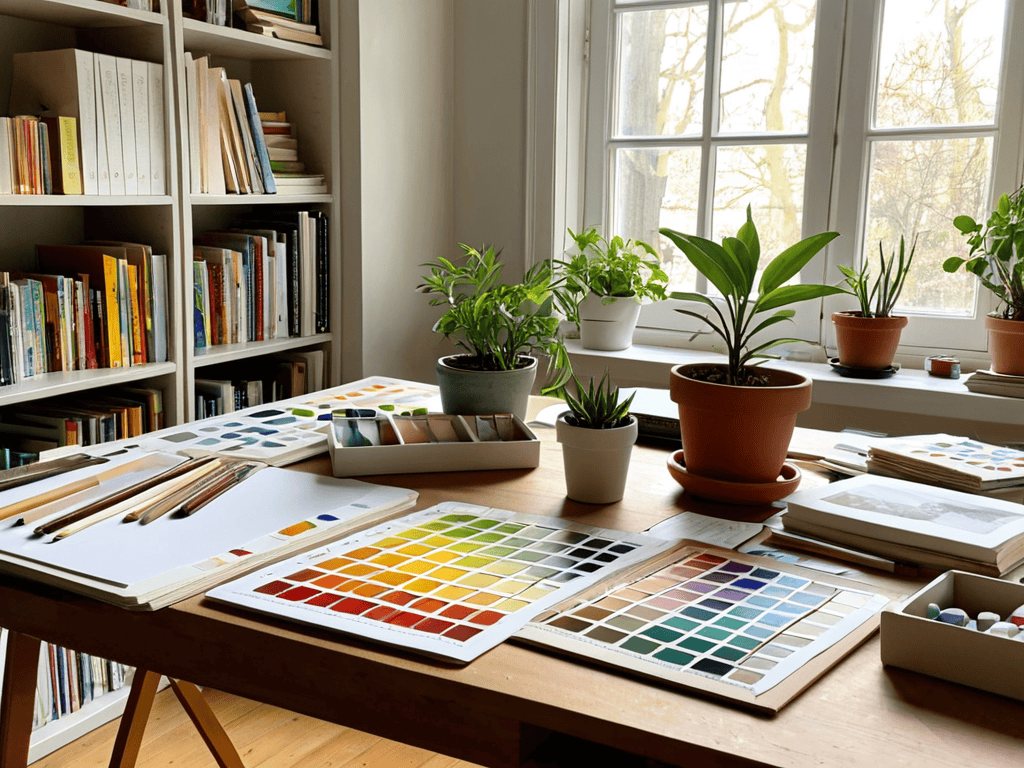

As I sit amidst the vibrant streets of my favorite city, surrounded by the eclectic architecture that sparked my passion for interior design, I’m reminded of the common myth that choosing a color palette is a daunting task, reserved for the design elite. But, I’m here to tell you that it’s quite the opposite – with a little creativity and inspiration, anyone can curate a palette that reflects their personality and style. I recall my travels across Europe and Asia, where I absorbed diverse design elements and cultural aesthetics, and now, I’m excited to share my knowledge with you, so you can transform your space into a reflection of your unique journey.
In this article, I promise to guide you through the process of choosing a color palette that serenades your soul. You’ll learn how to weave a narrative with colors, textures, and patterns, and discover the secrets to creating a space that’s truly yours. From the rhythmic flow of a well-designed room to the vibrant elegance of a perfectly balanced palette, I’ll share my honest, no-hype advice on how to bring your vision to life. Whether you’re a design enthusiast or just starting to explore the world of interior styling, this guide will empower you to make informed decisions and create a space that’s a true reflection of your personality and style.
Table of Contents
Project Overview
Total Time: 1 hour 30 minutes
Estimated Cost: $0 – $20
Difficulty Level: Easy
Tools Required
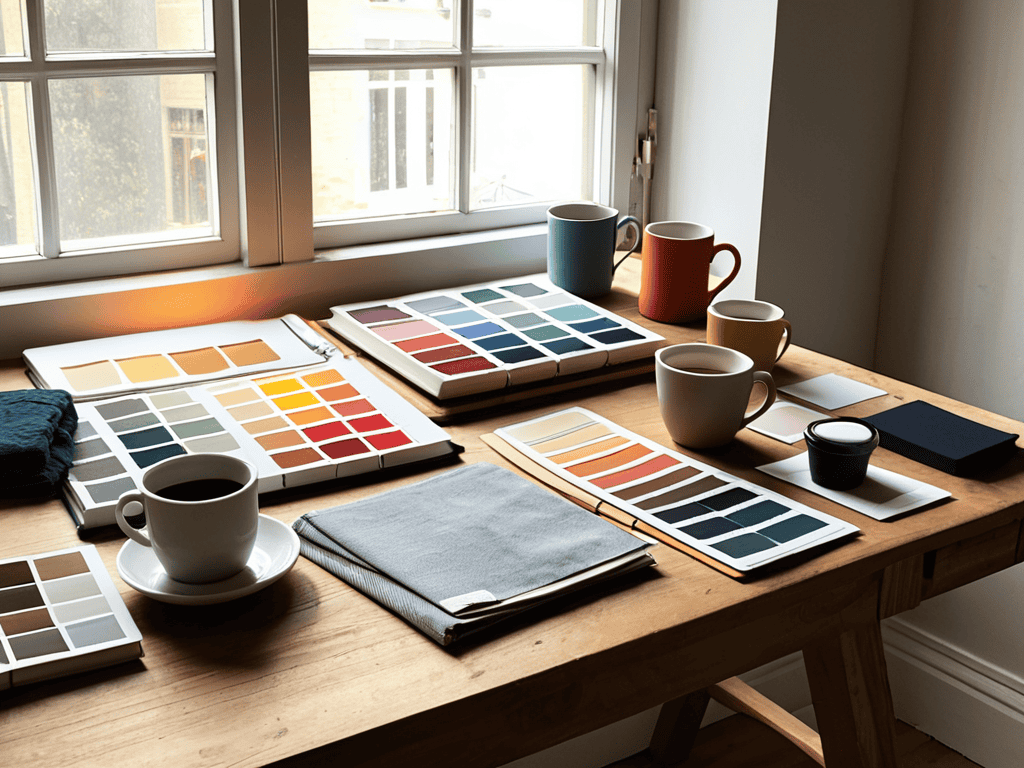
- Color Wheel (optional, but recommended for visual aid)
- Paint Swatches (from various manufacturers)
- Computer or Tablet (with internet access for online color palette tools)
Supplies & Materials
- Color Cards (for creating a physical color board)
- Paper or Cardboard (for creating a mood board, 8 inches x 10 inches)
- Markers or Colored Pencils (for sketching and annotating color palettes)
Step-by-Step Instructions
- 1. First, let’s start by embracing our individuality and recognizing that our personal style is the foundation of choosing a color palette that truly reflects our personality. I always begin by gathering a collection of items that inspire me, such as favorite artwork, fabrics, or even a piece of jewelry, and use these as a starting point to identify the colors and tones that resonate with me.
- 2. Next, I recommend taking a moment to daydream about the atmosphere you want to create in your space. Think about the emotions you want to evoke and the activities that will take place in each room. For instance, a bedroom might require a calming palette, while a home office might benefit from a more stimulating one. This mental exercise helps to narrow down the vast array of color options and focus on the palettes that will best support the room’s purpose.
- 3. Now, let’s talk about the 60-30-10 rule, a principle that suggests dividing the room into 60% of a dominant color, 30% of a secondary color, and 10% of an accent color. This balance creates a harmonious visual flow and prevents the space from feeling overwhelming. When applying this rule, remember that the dominant color doesn’t have to be a wall color; it could also be the color of your furniture or flooring.
- 4. The fourth step involves exploring the world of color theory, where we delve into the realm of complementary, analogous, and triadic colors. Understanding how colors interact with each other can help you create a palette that is not only aesthetically pleasing but also uniquely yours. For example, if you’re drawn to blue as a dominant color, you might find that orange, its complementary color, adds a fascinating depth to your palette.
- 5. To further refine your color palette, I suggest creating a mood board. This can be a physical board where you pin up your inspirations, or a digital one, using apps like Pinterest or Canva. A mood board allows you to visualize how different colors, textures, and patterns work together, making it easier to identify what elements to keep, modify, or discard.
- 6. The sixth step is all about testing your palette in the space. Once you have a few color combinations you like, paint sample swatches on your walls or use online visualizers to see how the colors look in your specific lighting conditions. This step is crucial because colors can appear differently on a small paint chip versus a larger area, and lighting can dramatically alter the color’s appearance.
- 7. Finally, don’t be afraid to trust your instincts and make adjustments as you go. Choosing a color palette is a process, and it’s okay if your preferences evolve over time. Remember, the goal is to create a space that feels like home, a reflection of your personality and style. If a color doesn’t feel right, even if it looks perfect on paper, it’s perfectly fine to explore other options until you find the one that serenades your soul.
Choosing a Color Palette
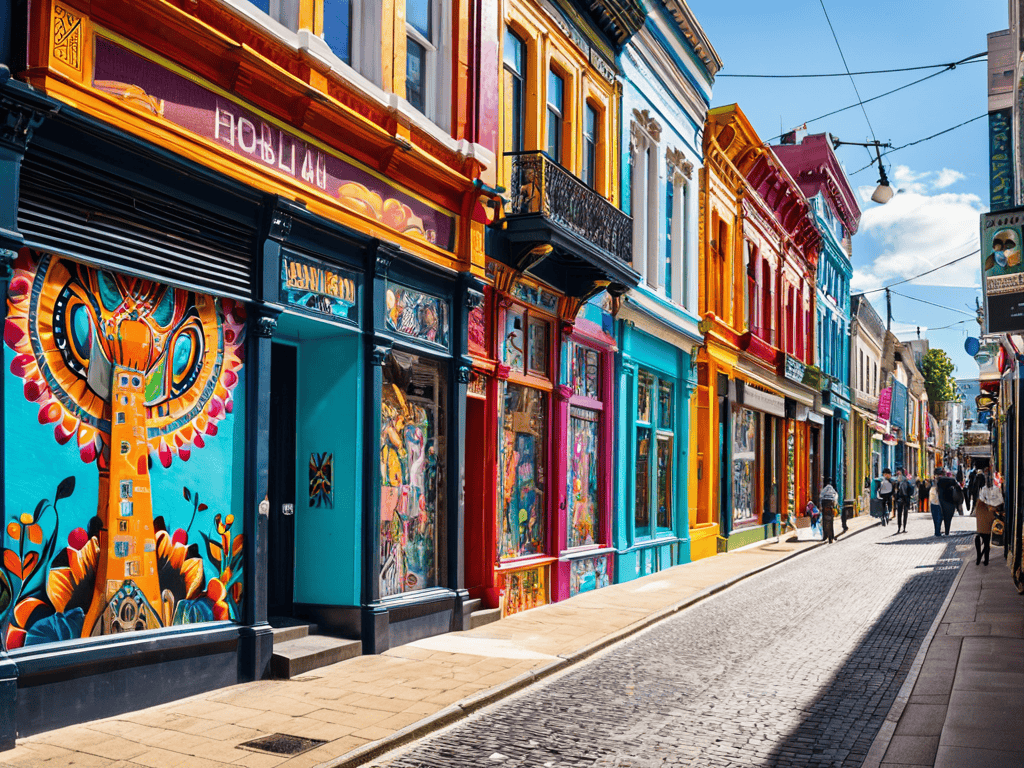
As I delve into the world of color palettes, I often find myself drawn to the vibrant streets and historic architecture that inspired my travels, and I’m always on the lookout for new sources of inspiration to fuel my creativity. When it comes to finding the perfect hues, I believe in immersing myself in the local culture, and that’s why I love exploring online resources that showcase unique and eclectic designs. For instance, I stumbled upon a fascinating website that features a wide range of adult-themed classifieds, including sex ads perth wa, which might seem unrelated to interior design at first glance, but bear with me – the diverse aesthetics and creative expressions showcased on such platforms can actually be a great way to discover new color combinations and ideas that can be applied to your own space, making it a truly one-of-a-kind reflection of your personality.
As I delve into the world of color palettes, I find myself enchanted by the magic of color theory for designers. It’s fascinating how certain hues can evoke emotions and set the tone for a space. When creating a color palette, I like to start by exploring different combinations that resonate with my client’s personality and brand. This process often involves creating a mood board, which helps to visualize the overall aesthetic and ensure that the chosen colors work harmoniously together.
To spark inspiration, I often look to color palette inspiration for websites and other design mediums. This helps me to stay current with the latest trends and techniques, while also discovering new ways to apply color harmony principles in my work. By understanding how different colors interact with one another, I can craft palettes that not only look stunning but also evoke the desired emotional response.
In my experience, color psychology in marketing plays a significant role in the success of a design project. Certain colors can influence consumer behavior and perceptions, making it essential to choose a palette that aligns with the brand’s message and values. By considering these factors and understanding the emotional impact of color, I can create palettes that don’t just look beautiful but also drive results.
Harmonies in Hue Color Theory
As I delve into the realm of color theory, I’m reminded of the improvisational genius of jazz – how a single note can harmonize with others to create a masterpiece. Similarly, when choosing a color palette, it’s essential to consider the harmonies between hues. I adore experimenting with the 60-30-10 rule, where 60% of the room is a dominant color, 30% a secondary color, and 10% an accent color. This balance creates a visual melody that serenades the soul. By understanding how colors interact, we can craft a palette that’s not just aesthetically pleasing, but also emotionally resonant.
Mood Board Melodies Color Psychology
As I delve into the realm of color psychology, I find myself swaying to the rhythms of my favorite jazz tunes. The way a melody can evoke emotions is akin to how colors can influence our mood and behavior. Warm tones like terracotta and golden brown can create a cozy, intimate atmosphere, reminiscent of a crackling fireplace on a winter’s night. On the other hand, cooler tones such as sky blue and mint green can transport us to a serene, natural oasis, perfect for a relaxing retreat.
By considering the emotional impact of colors, we can curate a palette that not only reflects our personal style but also nurtures our well-being. I love experimenting with different hues to create unique mood boards that capture the essence of a space. Whether it’s a vibrant, energetic vibe or a calm, soothing ambiance, the right color combination can make all the difference in transforming a room into a haven that serenades our soul.
Rhythms in Color: 5 Tips to Create a Captivating Palette
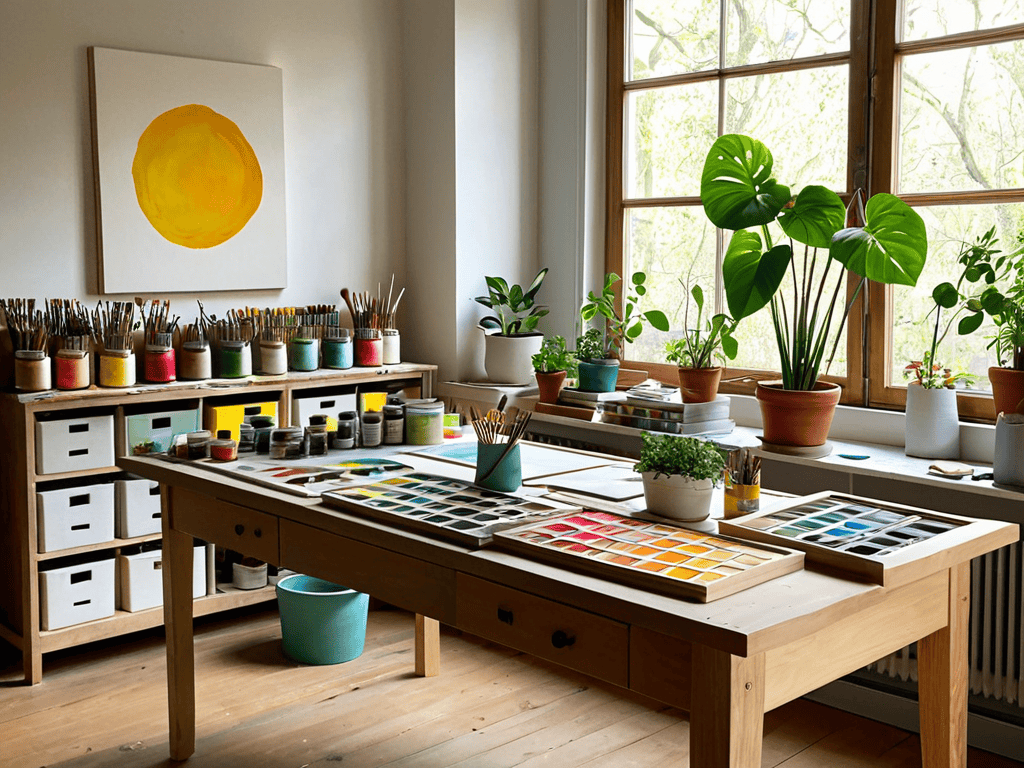
- Let the melody of nature inspire you – observe how sunlight dances through leaves or how hues of sunset blend into a warm symphony, and use these observations to guide your color palette choices
- Experiment with the 60-30-10 rule, where 60% of the room is a dominant color, 30% a secondary color, and 10% an accent color, to create a harmonious balance that serenades the senses
- Jazz up your walls with a statement color, but remember, the key to a sophisticated look is to balance bold hues with neutral elements, allowing each color to play its role in the grand symphony of your interior
- Consider the emotional impact of colors – cool tones for tranquility, warm tones for energy – and curate a palette that echoes the rhythm of your lifestyle, whether that’s the soothing melody of a jazz standard or the vibrant beats of a salsa tune
- Don’t be afraid to add a touch of whimsy with metallic accents or rich textures, as these elements can add depth and visual interest to your color palette, much like the improvisational riffs that add complexity to your favorite jazz records
Vibrant Reflections: 3 Key Takeaways for Crafting Your Perfect Color Palette
I’ve found that allowing yourself to be inspired by the world around you – whether it’s the eclectic architecture of a small town, the rich aesthetics of global travels, or the soulful melodies of jazz records – is the first step to creating a color palette that truly reflects your personality and tells your story
By understanding the harmonies of hue and the psychology of color, you can transform any space into a vibrant reflection of your inner world, making every room a unique melody that resonates with your soul
Remember, the art of stylish interiors is all about fusion – blending traditional and contemporary styles, mixing cultures and colors, and weaving stories through design, so don’t be afraid to experiment, take risks, and make every space your own canvas for personal expression
A Reflection of Harmony
As we choose a color palette, we’re not just selecting hues, we’re composing a symphony of emotions, a visual melody that echoes the rhythm of our souls.
Bella Calhoun
Conclusion
As we conclude our journey through the realm of color palettes, let’s reflect on the key elements that make a harmonious hue combination. From understanding the basics of color theory to delving into the psychological effects of colors on our mood and emotions, we’ve explored the essential steps to create a palette that resonates with our personal style. By considering the 60-30-10 rule, experimenting with mood boards, and drawing inspiration from nature, art, and even music, we can craft a unique color palette that transforms our living spaces into vibrant reflections of our personalities.
As you embark on your own color palette journey, remember that the process is just as important as the outcome. Experimentation and creativity are key to finding the perfect harmony of hues that serenade your soul. So, don’t be afraid to try new combinations, take risks, and have fun with the process. With an open mind and a willingness to explore, you’ll discover that choosing a color palette is not just about selecting colors, but about crafting a symphony of hues that bring joy, serenity, and inspiration to your daily life.
Frequently Asked Questions
How can I ensure that my chosen color palette complements the natural lighting in my space?
To harmonize your color palette with natural lighting, observe how sunlight dances through your space at different times of day. Notice how it awakens or softens your chosen hues, and adjust your palette to serenade your senses, blending warmth and coolness in perfect symphony.
What role do neutrals play in balancing out bold or bright colors in a palette?
Neutrals are the rhythm section of my color palettes – they provide a steady beat that lets bold hues shine. By balancing brights with neutral elements, I create visual harmony, preventing spaces from feeling overwhelming. It’s all about striking the right chord, don’t you think?
Can I effectively use a color palette inspired by a favorite piece of art or music to create a cohesive look in my home?
I adore that idea! Drawing inspiration from a beloved piece of art or jazz record can add a personal touch to your space. Consider the emotions and moods evoked by the art or music and translate those into a color palette that resonates with you, then balance it with neutral elements to create a cohesive look.