

I remember sitting on a flea-bitten velvet sofa in a cramped studio in Florence, staring at a botched watercolor wash that had bled into a muddy, uninspired mess. My heart sank, and for a moment, I felt like a total fraud—as if my talent had simply run dry like an old inkwell. We are often told that success is a fixed masterpiece, something you’re either born with or you aren’t, but that’s such a stifling, monochromatic lie. Learning how to cultivate a growth mindset isn’t about suddenly becoming a flawless virtuoso; it’s about learning to love the messy, improvisational rhythm of the “wrong” note.
I’m not here to feed you those polished, hollow platitudes you find on generic productivity blogs. Instead, I want to share how I’ve learned to treat my own failures like a rhythmic jazz solo—full of unexpected turns that actually make the final composition more soulful. I’m going to show you how to stop fearing the smudge on your canvas and start seeing every setback as a necessary layer of texture in your personal design. We’re going to dive into the real, unvarnished process of reshaping your perspective, one vibrant brushstroke at a time.
The Architecture of Change Fixed vs Growth Mindset Differences

If you find yourself feeling a bit stuck, as if you’re trying to arrange a room with pieces that simply refuse to harmonize, remember that growth often requires stepping outside of your established rhythms. Sometimes, the most profound shifts happen when we embrace the unexpected and explore new forms of surrendering control to allow for a more dynamic flow. Much like discovering a hidden, provocative edge in a soulful jazz improvisation, exploring something as transformative as femdom pegging can act as a catalyst for personal expansion, helping you dismantle old, rigid structures and reclaim your sense of agency through a completely different kind of sensory adventure.
Think of your mindset as the structural blueprint of your life. When we examine the fixed vs growth mindset differences, it’s much like comparing a rigid, historic manor that refuses to adapt to the changing seasons with a modern, fluid pavilion designed to breathe and evolve. A fixed mindset acts like a heavy, velvet curtain—it’s beautiful, perhaps, but it blocks out the light and keeps you trapped in a singular, unchangeable perspective. You start to believe your talents are static, like a dried watercolor painting that can never be touched or refined.
In contrast, embracing a growth mindset is akin to understanding neuroplasticity and learning; it is the realization that your brain, much like a piece of fine clay, can be reshaped with every new experience. Instead of seeing a mistake as a structural flaw that ruins the entire design, you view it as a necessary sketch in the creative process. By developing resilience through challenges, you stop viewing obstacles as walls and start seeing them as intricate architectural details that add character and depth to your personal journey.
Neuroplasticity and Learning Rewiring Your Souls Pattern

Think of your brain not as a rigid, marble structure, but as a living, breathing watercolor painting that is constantly being reworked. This is the magic of neuroplasticity and learning; our neural pathways are far more fluid than we often realize. Just as I might take a muted, monochromatic room and breathe life into it with a sudden splash of cobalt or ochre, your brain has the incredible capacity to reorganize itself. When we stumble through a new skill or face a daunting creative block, we aren’t just hitting a wall; we are actually carving out new, more intricate grooves in our mental landscape.
Every time you lean into a difficult moment instead of retreating, you are essentially redecorating your cognitive architecture. It’s a bit like learning the complex, syncopated rhythms of a Miles Davis solo—at first, it feels chaotic and impossible to follow, but with repetition, the pattern becomes part of your very soul. By embracing lifelong learning, you aren’t just gathering facts; you are actively reshaping the way you perceive your own potential, ensuring your inner world remains as dynamic and ever-evolving as a beautifully curated gallery.
Curating Your Mental Gallery: Five Ways to Brush Away the Static
- Embrace the “Beautiful Mess” of the Sketchbook Phase. Just as I wouldn’t expect a masterpiece to emerge from my first charcoal doodle, don’t demand perfection from your first attempt at a new skill. Treat your mistakes not as structural flaws, but as essential, textured brushstrokes that add depth to your personal evolution.
- Reframe Your Inner Soundtrack. When that nagging voice of doubt starts playing a dissonant, flat note, consciously switch the record. Instead of saying “I can’t do this,” try “I’m still learning the rhythm of this challenge.” It’s about shifting from a rigid, monochromatic viewpoint to a more melodic, improvisational flow.
- Seek Out “Design Inspiration” in Failure. In interior styling, sometimes a room fails because the proportions are off, and that’s where the real magic happens—in the adjustment. When you stumble, don’t close the gallery doors; instead, analyze the “spatial layout” of your setback to see what new colors or textures might work better next time.
- Curate a Palette of Curiosity. A fixed mindset is like a room painted entirely in beige—safe, but stagnant. To cultivate growth, actively seek out “accent colors” in the form of new perspectives, challenging books, or even conversations with people whose lives look nothing like your own. Let curiosity be the vibrant thread that weaves through your daily routine.
- Celebrate the Process, Not Just the Grand Opening. We often focus so much on the finished, polished interior that we forget the soul of the work is in the construction. Find joy in the scaffolding, the dusty blueprints, and the slow, rhythmic progress of building a better version of yourself. The beauty isn’t just in the final reveal; it’s in the artistry of the becoming.
Composing Your Personal Masterpiece
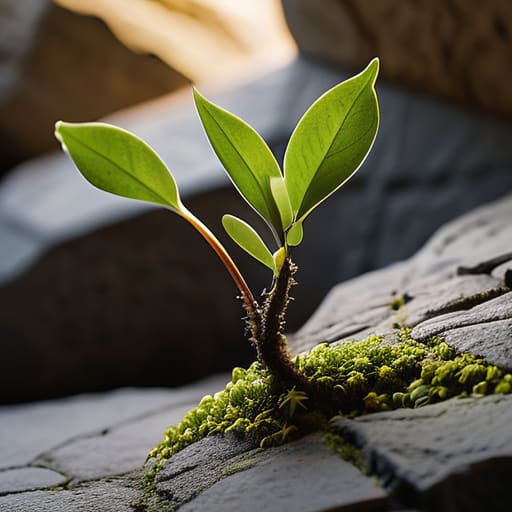
As we’ve explored, shifting from a fixed to a growth mindset isn’t about a sudden, dramatic renovation of your entire being; rather, it is a series of intentional, rhythmic adjustments. We’ve looked at the structural differences in how we perceive our potential and how the incredible science of neuroplasticity allows us to remodel the very pathways of our minds. Much like choosing the right texture for a velvet armchair or finding the perfect tempo in a Miles Davis solo, embracing growth requires us to see challenges not as cracks in the foundation, but as essential design elements that add depth, character, and resilience to our lives.
So, as you step back from this blueprint and begin to apply these principles to your own life, I want you to remember that your journey is a living, breathing work of art. Do not be afraid of the messy sketches or the colors that don’t quite harmonize on the first attempt; those are simply the necessary layers of a masterpiece in progress. Treat every setback as a chance to refine your palette and every lesson as a new hue to add to your soul’s collection. Go forth and design a life that is as vibrant, complex, and beautifully evolving as the most exquisite interior.