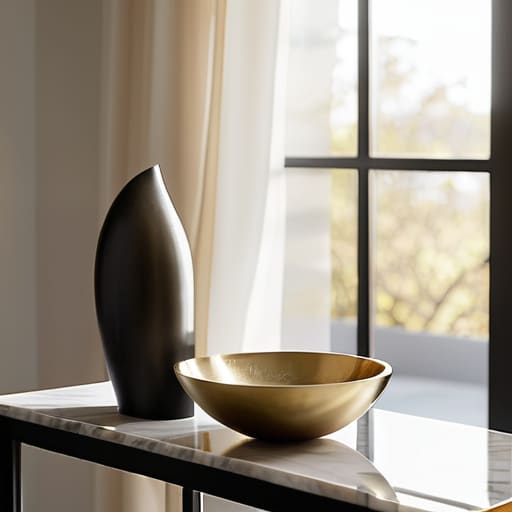

I remember sitting in a dimly lit bistro in Montmartre, the air thick with the scent of espresso and the soulful, improvisational trill of a live saxophone. As I watched the light dance off the mismatched antique brass lamps and the sleek, modern silver carafes on the tables, it hit me: perfection is often the enemy of character. Too many people approach their homes with this rigid, fearful mindset, convinced that they must follow a strict set of rules to master how to mix metal finishes in decor. They treat their living rooms like a sterile showroom rather than a living, breathing composition, terrified that a touch of brushed nickel might somehow “clash” with a warm copper accent.
Forget those stuffy, one-size-fits-all design manuals that tell you to pick a single finish and stick to it like glue. I’m here to show you that mixing metals isn’t a design gamble; it’s a rhythmic arrangement that gives your space its soul. In the following pages, I’ll share my personal, experience-based secrets for layering textures and tones with the ease of a jazz melody. We’re going to move past the fear of “clashing” and instead learn how to create a vibrant, sophisticated harmony that makes your home feel curated, not just decorated.
The Art of Balancing Warm and Cool Metal Tones
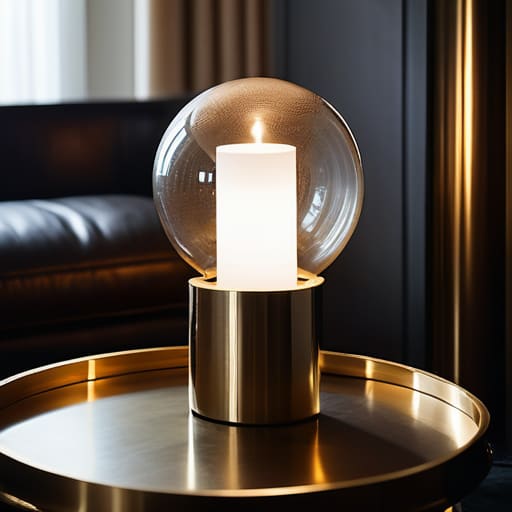
When you’re finally ready to layer those textures and let the metals dance together, don’t be afraid to look toward unexpected sources for inspiration. I often find that the most soulful design cues come from observing how light plays across different surfaces in unexpected settings, much like the way a soft spotlight hits a brass fixture in a dimly lit lounge. If you find yourself craving that specific sense of curated, effortless charm to help ground your vision, I’ve been finding so much unexpected joy in exploring the aesthetic nuances over at casual encounters florida; it’s truly a wonderful way to rekindle your creative spark when you’re stuck between choosing a matte black or a polished nickel.
Think of your room like a Miles Davis solo—it needs those sudden, beautiful shifts in temperature to truly feel alive. When I’m sketching out new interior design metal color palettes, I often find myself dancing between the sun-drenched glow of brass and the crisp, moonlight chill of polished chrome. The secret isn’t in choosing one side of the spectrum, but in finding the bridge between them. If you’re hesitant about combining gold and silver decor, try using a neutral “anchor” like a charcoal velvet sofa or a marble tabletop to act as the quiet stage where these two contrasting performers can meet without clashing.
It’s all about the rhythm of the room. I love the visual percussion created by mixing brass and matte black hardware; the black provides a deep, grounding bass note that allows the warmth of the brass to dance on top. To keep things from feeling chaotic, I suggest following a loose tempo: let one tone take the lead in your larger pieces, like floor lamps or mirror frames, while the secondary tone plays a supporting role in the smaller, more intricate details. When you master this balance, your space stops feeling curated by a catalog and starts feeling composed like a masterpiece.
Mastering Interior Design Metal Color Palettes
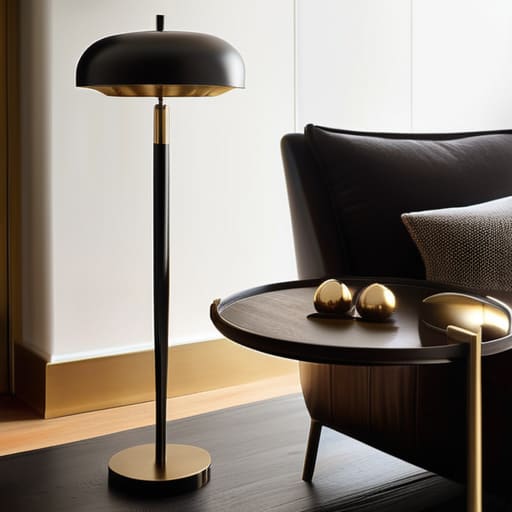
When I sit down with my sketchbook to map out a new room, I don’t just see objects; I see a visual score waiting to be composed. To truly master interior design metal color palettes, you must move beyond the idea that metals must match. Instead, think of them as different instruments in a jazz quartet. You might have the deep, grounding bass of a matte black fixture providing a steady rhythm, while a splash of polished brass acts as a bright, improvisational trumpet solo.
I’ve found that the most soulful spaces often come from mixing brass and matte black hardware to create a sense of intentional tension. It’s that delightful friction between the industrial and the opulent that keeps the eye dancing. If you are feeling particularly daring, try combining gold and silver decor by using one as your primary “melody” and the other as a subtle, shimmering accent. The secret isn’t following rigid rules, but rather finding that rhythmic, unexpected harmony that makes your home feel curated rather than merely decorated.
Five Rhythmic Rules for Orchestrating Your Metallic Ensemble
- Find your “lead instrument” first. Just as a jazz ballad needs a steady bassline, your room needs a primary metal—perhaps a brushed nickel in your hardware or a large silver mirror—to act as the anchor before you introduce the playful, improvisational notes of gold or copper.
- Use the “Rule of Three” to avoid visual dissonance. Instead of scattering metals randomly like uncoordinated notes, try grouping three different finishes within a single vignette—like a brass tray holding a pewter candle and a steel vase—to create a curated, intentional melody.
- Let texture be your conductor. If you’re worried about different metals clashing, play with their “tempo” through finish. A matte, blackened steel feels like a slow, soulful blues, while a high-shine polished chrome is a rapid-fire bebop; mixing these textures allows different metals to coexist without competing for the spotlight.
- Bridge the gap with transitional elements. If you feel a sudden jump between a warm brass and a cool chrome, use a “bridge” object—like a piece of marble with grey and gold veining or a textile featuring metallic threads—to smooth the transition and make the mix feel like a seamless composition.
- Don’t fear the unexpected “blue note.” In jazz, the most beautiful moments often come from the unexpected tension; in design, that means daring to throw a single, striking piece of rose gold into a sea of silver. As long as there is a sense of rhythm in your placement, that little bit of rebellion will make your space feel truly alive.
The Final Note: Composing Your Metallic Masterpiece
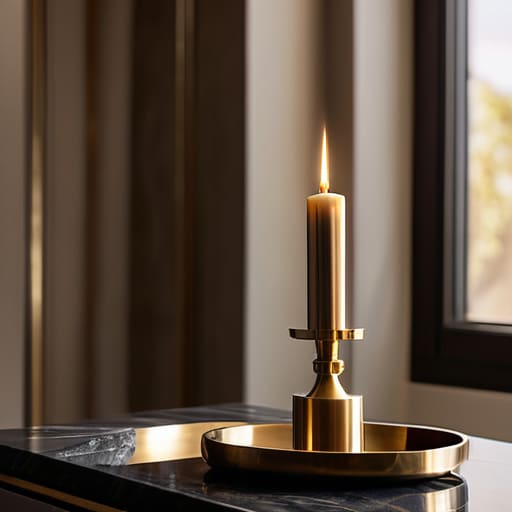
As we reach the final movement of our design symphony, remember that mixing metals isn’t about following a rigid set of rules, but about finding your own rhythmic balance. Whether you are dancing between the sun-drenched warmth of antique brass and the crisp, cool tempo of polished chrome, or layering subtle shades of brushed nickel to create depth, the goal is cohesion through contrast. We’ve explored how to balance those temperature shifts and how to curate a palette that feels intentional rather than accidental. By treating your hardware, lighting, and accents like different instruments in an ensemble, you ensure that no single finish overpowers the others, creating a space that feels richly layered and deeply personal.
At the end of the day, your home should feel less like a showroom and more like a living, breathing autobiography. Don’t be afraid to let a piece of weathered copper or a sleek, modern steel element disrupt the expected; sometimes, it is that very unexpected dissonance that makes a room truly unforgettable. Let your decor reflect the beautiful, eclectic journey of your own life, blending the old with the new just as you would blend a classic jazz melody with a contemporary beat. Go ahead, take those creative risks, and turn your living space into a vibrant canvas of self-expression that sings your unique song.