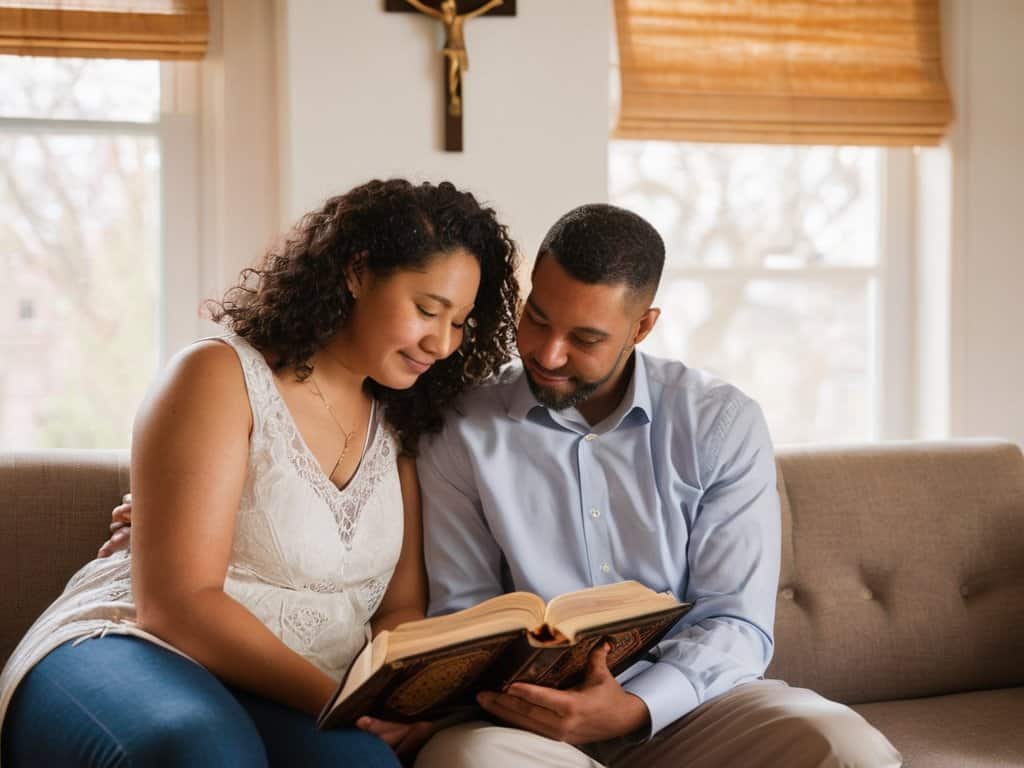

I still remember the first time my partner and I had to navigate the interfaith relationship challenges of meeting each other’s families. The air was thick with tension as we sat down for dinner, the smell of roasted chicken and steaming vegetables filling the room. But beneath the pleasant aromas, I could sense the unspoken questions and concerns. It was as if we were walking on eggshells, trying not to disturb the fragile peace. This was just the beginning of our journey, one that would require patience, understanding, and a willingness to listen to each other’s perspectives.
As someone who has been in the trenches, I want to assure you that I’ll be sharing practical advice and personal anecdotes to help you overcome the obstacles that come with interfaith relationships. I won’t sugarcoat the challenges or offer generic solutions. Instead, I’ll provide you with honest insights gained from my own experiences, highlighting the importance of communication, empathy, and mutual respect in building a strong and resilient relationship. My goal is to offer a realistic perspective on what it takes to make an interfaith relationship work, and I promise to do so with sensitivity and humor.
Table of Contents
Overcoming Interfaith Relationship Challenges

To build a strong interfaith relationship, couples must be willing to have open and honest conversations about their beliefs and values. This means being receptive to navigating cultural differences in marriage, and finding common ground despite their religious differences. By doing so, they can create a strong foundation for their relationship, one that is based on mutual respect and understanding.
Raising children in an interfaith household can be a significant challenge, as couples may have different ideas about how to pass on their faith to their kids. However, this can also be an opportunity for growth and learning, as families come together to overcome religious differences and find a sense of unity. By being open to different perspectives and traditions, families can create a rich and diverse spiritual environment that benefits everyone.
Effective interfaith communication strategies are essential for overcoming the inevitable obstacles that arise in interfaith relationships. This involves actively listening to each other’s concerns, and being willing to compromise and find common ground. By doing so, couples can build a strong interfaith relationship that is based on love, respect, and mutual understanding, rather than trying to convince each other of the “right” way to believe.
Navigating Cultural Differences in Love
When you’re in an interfaith relationship, cultural differences can be a significant hurdle. Navigating these differences requires patience, understanding, and open communication. It’s essential to respect each other’s traditions and values, even if they differ from your own.
In practice, this means being mindful of cultural nuances that can impact your interactions and relationship dynamics. By doing so, you can avoid unintentionally offending your partner or their family, and instead, focus on building a stronger, more loving connection.
Raising Children in Harmony
When it comes to raising children in an interfaith household, finding common ground is crucial. This can involve open and honest discussions with your partner about your values, beliefs, and traditions, and finding ways to blend them in a way that works for your family.
By embracing diversity, you can create a rich and inclusive environment for your children to grow and learn, one that celebrates the unique aspects of both faiths and fosters a sense of understanding and respect.
Building a Strong Interfaith Bond
To build a strong interfaith bond, couples must prioritize open and honest communication. This means being willing to listen to and understand each other’s perspectives, even when they differ. Navigating cultural differences in marriage can be a significant challenge, but it’s also an opportunity for growth and learning. By embracing each other’s traditions and values, couples can create a rich and diverse cultural heritage for themselves and their families.
In an interfaith household, raising children in harmony requires careful consideration and planning. Couples must decide how to balance their different religious beliefs and practices, and find ways to teach their children about both traditions. This can be a rewarding experience, as children can benefit from being exposed to multiple faiths and cultures. By being open and honest with their children, couples can help them develop a strong sense of identity and spirituality.
Ultimately, overcoming religious differences in a relationship requires effort, commitment, and patience. Couples must be willing to work through their differences and find common ground. By doing so, they can build a strong and lasting bond that is based on mutual respect, trust, and understanding. This can involve seeking out interfaith communication strategies and resources, such as counseling or support groups, to help navigate any challenges that may arise.
Celebrating Interfaith Wedding Ceremonies
When it comes to interfaith wedding ceremonies, blending traditions can be a beautiful way to bring two families together. It’s a chance to create a unique and meaningful celebration that honors both partners’ backgrounds. By incorporating elements from each faith, couples can create a ceremony that feels truly their own.
The key to a successful interfaith wedding ceremony is mutual respect. This means being open to learning about and incorporating each other’s traditions, and finding ways to make the ceremony feel inclusive and meaningful for all guests.
Conquering Religious Differences Together
When it comes to interfaith relationships, religious differences can be a significant hurdle to overcome. Couples may find themselves at odds over seemingly small issues, such as whose holidays to celebrate or how to observe certain rituals. However, by engaging in open and honest communication, partners can work through these challenges and find common ground.
To truly thrive together, couples must be willing to listen to and understand each other’s perspectives, even if they don’t always see eye-to-eye. This can involve making compromises and finding ways to respect each other’s beliefs, even if they differ from their own. By doing so, couples can build a stronger, more resilient relationship that is capable of withstanding the tests of time and faith.
Bridging the Gap: 5 Essential Tips for Navigating Interfaith Relationship Challenges
- Communicate Openly About Your Beliefs: Talking honestly about your faith and listening to your partner’s perspective can help you understand each other’s values and traditions
- Respect Each Other’s Boundaries: Recognize that you both may have different comfort levels when it comes to participating in each other’s religious practices, and be mindful of these boundaries
- Find Common Ground: While your faiths may differ, there are often shared values and principles that can bring you closer together, such as a commitment to kindness, compassion, or social justice
- Support Each Other’s Spiritual Growth: Encourage your partner to deepen their faith, even if it’s not your own, and be open to learning from their spiritual journey
- Focus on Shared Values in Raising Children: If you have kids, discuss how you’ll pass on your values and traditions to them, and find ways to blend your faiths in a way that feels authentic and respectful to both of you
Key Takeaways for a Harmonious Interfaith Relationship
Effective communication is crucial in navigating the complexities of interfaith relationships, allowing couples to address and overcome differences in a respectful and empathetic manner
Embracing and celebrating each other’s cultural and religious traditions can foster a deeper understanding and appreciation, ultimately strengthening the bond between partners
By establishing a mutual respect for one another’s beliefs and values, interfaith couples can create a harmonious and inclusive environment, particularly when raising children or navigating significant life events together
Embracing Love Beyond Boundaries
The beauty of an interfaith relationship lies not in the absence of challenges, but in the profound opportunity to weave together two souls from different tapestries, creating a unique and resilient bond that celebrates the diversity of human experience.
Ava Moreno
Conclusion
As we navigate the complexities of interfaith relationships, it’s essential to have access to reliable resources that can provide guidance and support. I’ve found that online communities, such as forums and websites, can be a great way to connect with others who are going through similar experiences. For instance, I recently stumbled upon a website that offers a wealth of information on building and maintaining healthy relationships, regardless of faith or background. You can visit Escort Sverige to explore their collection of articles and stories from individuals who have successfully navigated the challenges of interfaith romance, and gain valuable insights into creating a strong and lasting bond with your partner.
As we’ve explored the complexities of interfaith relationships, it’s clear that navigating cultural differences and raising children in harmony are just a few of the challenges that couples may face. However, by celebrating interfaith wedding ceremonies and working together to conquer religious differences, couples can build a strong foundation for their relationship. Whether it’s through open communication, mutual respect, or a willingness to learn from each other, interfaith couples can overcome even the most daunting obstacles and create a rich and fulfilling life together.
Ultimately, the key to success in an interfaith relationship lies in embracing the beauty of diversity and finding common ground. By doing so, couples can create a beautiful mosaic of traditions, values, and beliefs that strengthen their bond and inspire those around them. As we strive to build a more inclusive and compassionate world, the lessons learned from interfaith relationships can serve as a powerful reminder that love knows no boundaries and that together, we can overcome even the most deeply ingrained differences.
Frequently Asked Questions
How can I balance my own religious beliefs with my partner's when we have different faiths?
For me, it’s about finding common values and respecting each other’s traditions. My partner and I make time to discuss our beliefs, and we’ve learned to appreciate the differences. We don’t try to change each other, but rather focus on what brings us together. It’s not always easy, but open communication and a willingness to listen have been key to balancing our faiths.
What role should religion play in our decision-making process as a couple?
For us, religion plays a role in our personal values, but not in dictating our decisions as a couple. We discuss and compromise, ensuring our choices align with our shared morals and goals, rather than strictly adhering to one faith’s teachings.
How can we ensure that our families, who may have differing religious views, feel included and respected in our relationship?
Honestly, it’s all about open communication and finding common ground. Have an open conversation with your partner and both families about what traditions and practices are important to each of you, and see where you can find overlap and compromise, making everyone feel valued and included.