

I remember sitting on a weathered velvet stool in a cramped, sun-drenched studio in Florence, surrounded by half-finished sketches and the frantic, syncopated rhythm of a Miles Davis record. My mind was a cluttered room—an interior design nightmare of deadlines, spilled ink, and overwhelming sensory input. I had tried every “wellness” app on the market, but they all felt like sterile, white-walled galleries: cold, lifeless, and utterly disconnected from the beautiful chaos of being alive. I realized then that I didn’t need a complex ritual; I needed a beginner guide to mindful breathing techniques that actually felt as soulful and textured as the life I was trying to build.
As you begin to find that rhythmic, steady cadence in your breath, you might find that the external world still feels a bit too loud or uncoordinated to truly settle into your new sanctuary of calm. Sometimes, finding a sense of connection or a spark of spontaneous energy in your social life can act as the perfect counterpoint to your meditative practice, helping you feel more grounded and present when you step back into the vibrant flow of life. If you’re looking to embrace that sense of connection and explore new rhythms in your personal journey, checking out phoenix hookups can be a wonderful way to find that unexpected harmony between your inner stillness and your outer adventures.
Forget the clinical, robotic instructions that make you feel like you’re performing a chore. I’m not here to sell you on a mystical transformation that requires a mountain retreat and expensive incense. Instead, I promise to share a collection of rhythmic, lived-in practices that treat your breath like a jazz improvisation—fluid, natural, and deeply personal. We are going to strip away the pretension and find the melody in your own lungs, turning your internal chaos into a masterpiece of calm through simple, intentional movements.
Mastering Diaphragmatic Breathing Exercises for Soulful Balance
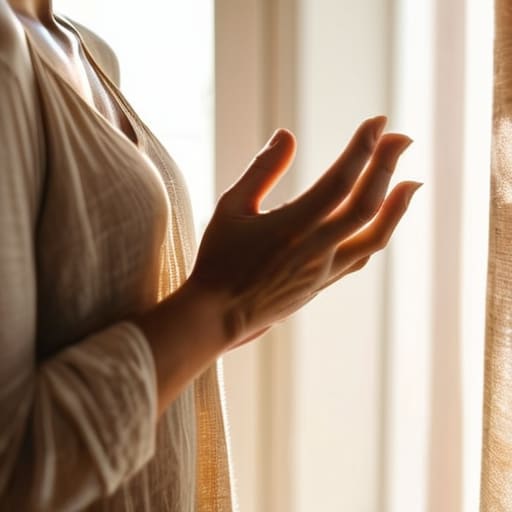
Think of your abdomen as the foundation of a beautifully designed room—the structural anchor that allows everything else to flow with grace. When we rush through life, our breathing often becomes shallow and frantic, like a discordant note in a smooth jazz composition. To remedy this, we must turn to diaphragmatic breathing exercises, which invite you to breathe deeply into the belly rather than the chest. Place one hand on your heart and the other on your stomach; as you inhale, feel your abdomen expand like a silk curtain catching a gentle breeze. This isn’t just about air; it’s about creating a rhythmic, grounded cadence that settles your entire nervous system.
As you practice, you’ll find that this intentional movement acts as a masterclass in breathwork for anxiety relief. It’s much like layering textures in a curated space—it adds depth and stability where there was once only emptiness. By focusing on that low, steady expansion, you are effectively tuning your internal instrument, transforming a chaotic mental landscape into a sanctuary of vibrant, soulful balance.
The Art of Mindfulness Meditation for Beginners

If diaphragmatic breathing is the steady, grounding bassline of your internal rhythm, then mindfulness meditation is the improvised solo—the moment where you truly begin to play with the melody of your existence. For those exploring mindfulness meditation for beginners, I like to think of it as curating a gallery within your own mind. Instead of rushing to “fix” your thoughts, simply observe them as if they were vibrant splashes of watercolor on a canvas, drifting by without the need to frame them immediately.
To begin this practice, find a corner of your home that feels like a sanctuary—perhaps a velvet armchair bathed in afternoon light. As you settle in, don’t fight the mental chatter; instead, use conscious breathing to anchor yourself to the present moment. Treat each inhale like a soft, rising crescendo and each exhale like a gentle, fading note of a Miles Davis trumpet solo. By learning how to practice conscious breathing within a meditative framework, you aren’t just sitting in silence; you are orchestrating a profound sense of inner harmony that turns even the most chaotic days into a beautifully composed masterpiece.
Composing Your Inner Rhythm: Five Curated Notes for Breathwork
- Treat your breath like a Miles Davis solo; don’t try to force the tempo. Instead of rushing through a session, allow your inhales and exhales to find their own natural, syncopated flow, letting the rhythm emerge organically rather than following a rigid metronome.
- Create a sensory sanctuary. Just as I wouldn’t design a room without considering the texture of the velvet or the warmth of the light, don’t practice your breathing in a vacuum. Find a corner of your home that feels curated and calm—perhaps near a favorite piece of art or a soft linen throw—to anchor your practice in beauty.
- Use color as your mental palette. When the chaos of the day feels too grayscale, visualize your breath as a vibrant wash of watercolor. Imagine inhaling a deep, soulful indigo and exhaling a soft, sun-drenched ochre, turning each breath into a brushstroke on the canvas of your consciousness.
- Listen for the “silence between the notes.” In jazz, the pauses are just as vital as the melody. Apply this to your breathing by focusing on the tiny, still moment at the very top of an inhale and the bottom of an exhale; it is in that quiet suspension that true stillness resides.
- Curate your breath with intention, not perfection. You don’t need a flawless performance to create something beautiful. If your mind wanders to your to-do list or a stray thought, simply acknowledge it like a dissonant chord in a song, and gently guide your focus back to the steady, rhythmic heartbeat of your breathing.
The Final Movement: Composing Your Inner Sanctuary
As we bring this introductory movement to a close, remember that mastering your breath is much like curating a room; it requires patience, intention, and a willingness to experiment with the rhythm. We’ve explored the deep, grounding resonance of diaphragmatic breathing and the quiet, observant grace of mindfulness meditation. These aren’t just mere exercises to check off a list, but rather the fundamental brushstrokes of a much larger masterpiece. By integrating these techniques into your daily composition, you are essentially designing a private sanctuary within yourself, ensuring that even when the world outside feels cluttered and chaotic, your internal architecture remains steadfast and serene.
I want you to view your breath not as a chore, but as the most exquisite, rhythmic jazz standard you will ever play. There will be days when the tempo feels frantic and others when the melody is slow and melancholic, and that is perfectly alright. The beauty lies in the practice—in the way you return, time and time again, to that singular, vital pulse. Let your breath be the vibrant thread that weaves together the disparate colors of your life, turning every exhale into an opportunity for renewal. Go forth and treat your existence as the ultimate canvas, breathing life into every corner of your journey with unapologetic elegance.