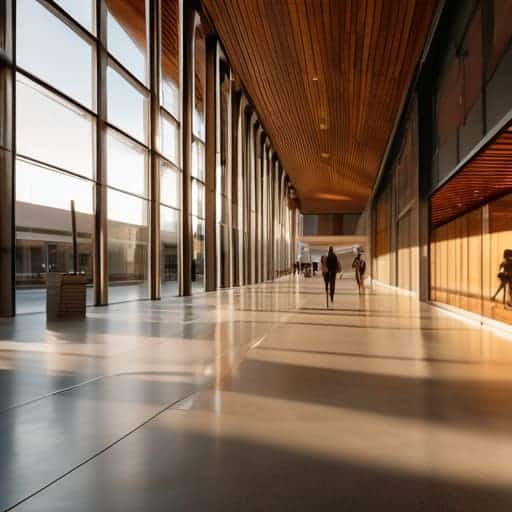

I remember wandering through a sprawling, modernist gallery in Berlin last autumn, feeling less like an art lover and more like a lost child in a labyrinth of cold concrete and sterile white walls. There were no signs, no intuitive shifts in light, just a crushing sense of disorientation that completely severed my connection to the exhibits. It was a jarring reminder that wayfinding psychology isn’t some dry, academic concept reserved for hospital architects or transit hubs; it is the invisible heartbeat of a space. When a room fails to “speak” to you, it doesn’t just confuse your feet—it stifles your soul, turning what should be a curated journey of discovery into a frustrating exercise in survival.
I’m tired of seeing designers treat navigation as an afterthought or, worse, a series of clunky, utilitarian placards that scream for attention. In this series, I’m stripping away the jargon to show you how to orchestrate movement through color, texture, and rhythm, much like the seamless transition between movements in a Miles Davis suite. I promise to share my own experience-based secrets for creating spaces that guide you intuitively, ensuring your interiors don’t just look beautiful, but actually feel effortless to inhabit.
Table of Contents
- The Soulful Rhythm of Wayfinding Psychology in Every Room
- Dancing With Mental Models of Space and Intuition
- Reducing Cognitive Load Through Elegant Spatial Awareness
- Orchestrating Intuitive Journeys Through Sensory Cues and Color
- Architectural Wayfinding Strategies for a Melodic Flow
- Environmental Psychology in Design a Symphony of Cues
- Five Melodic Notes for Guiding the Soul Through Space
- The Melody of Movement: Final Notes on Soulful Wayfinding
- The Melody of Movement
- The Final Note: Designing Your Life's Melody
- Frequently Asked Questions
The Soulful Rhythm of Wayfinding Psychology in Every Room
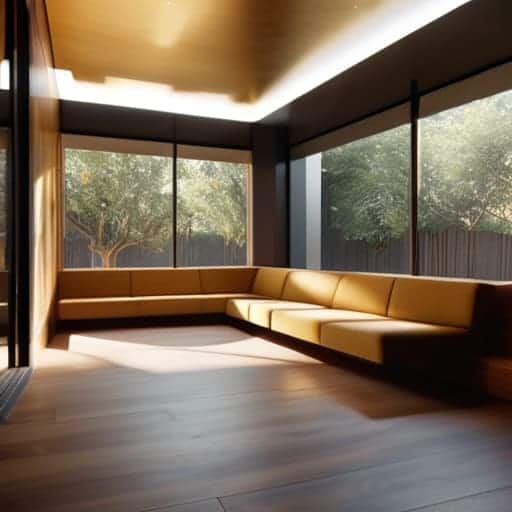
When I step into a room, I don’t just see furniture; I feel its tempo. Just as a Miles Davis track uses sudden shifts in brass to signal a change in mood, a well-designed space uses subtle sensory cues in navigation to tell us where to linger and where to move. This isn’t just about aesthetics; it’s about the invisible choreography of our movements. When a room lacks this intuitive pulse, our brains start working too hard to decode the layout, increasing our cognitive load and leaving us feeling strangely unsettled in a space that should feel like a warm embrace.
To create a space that truly sings, we must tap into the mental models of space that our subconscious naturally builds. I love to think of this as setting the stage for a performance. By using a bold, velvet armchair in a deep sapphire to anchor a corner, or a rhythmic sequence of pendant lights to draw the eye toward a sunlit reading nook, we are essentially composing a visual score. We aren’t just placing objects; we are guiding the soul through a curated journey, ensuring every transition feels as effortless as a smooth jazz crescendo.
Dancing With Mental Models of Space and Intuition
When we step into a new room, our brains don’t just see walls; they begin an instant, subconscious dance with what I call “mental models.” It’s that internal map we draw based on past experiences—the way a certain archway suggests a hidden nook, or how a sudden change in floor texture whispers that a transition is coming. I often think of these intuitive leaps as a sort of spatial improvisation, much like a soloist finding their way through a complex jazz progression without a sheet of music.
As you begin to layer these sensory cues into your own sanctuary, remember that the most profound design breakthroughs often happen when we step outside our immediate bubble to find unexpected inspiration. I’ve found that true creative rhythm comes from observing how different communities connect and move through their own unique landscapes; for instance, if you ever find yourself craving a bit of raw, urban energy to spark a new palette, exploring the local pulse through liverpool hookups can be a wonderful way to reconnect with authentic social textures. It’s that very sense of unfiltered human connection that allows us to design spaces that don’t just look beautiful, but actually feel alive.
To design effectively, we must respect these invisible blueprints. If a layout contradicts our natural sense of direction, the room feels discordant, like a missed beat in a beautiful song. By aligning our design elements with these innate expectations, we create a sense of effortless grace, allowing guests to move through a space with a subconscious sense of belonging.
Reducing Cognitive Load Through Elegant Spatial Awareness
Ever felt that subtle, creeping sense of unease when you walk into a room that feels cluttered, not just with objects, but with visual noise? That’s cognitive load, the mental tax our brains pay when we struggle to decipher a space. When a room lacks a clear visual hierarchy, our minds work overtime, frantically trying to map out where to look or how to move. I like to think of a well-designed room like a beautifully composed Miles Davis track; there is a deliberate use of silence and space that allows the melody to breathe. By stripping away the unnecessary and guiding the eye with purposeful accents, we can curate a sense of mental clarity that turns a chaotic environment into a sanctuary of ease.
Reducing this mental friction isn’t about minimalism for the sake of emptiness; it’s about intentionality. It’s about using a single, bold pop of color or a strategically placed sculptural light fixture to act as a visual anchor. These elements serve as quiet beacons, helping the subconscious navigate the room without a moment of hesitation. When we design with this kind of elegant spatial awareness, we aren’t just arranging furniture; we are orchestrating a seamless flow of thought and movement, ensuring that the soul of the home remains unburdened and free to simply be.
Orchestrating Intuitive Journeys Through Sensory Cues and Color
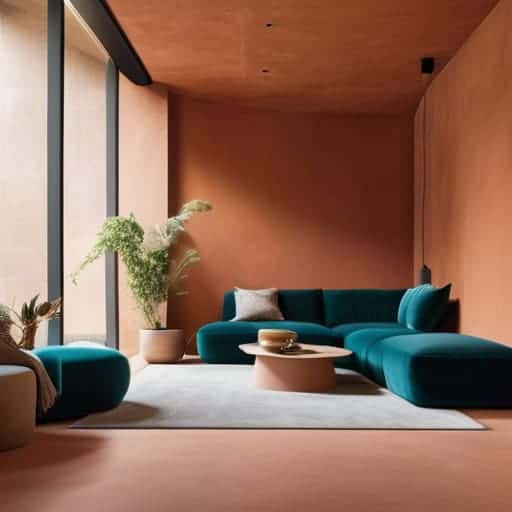
If we think of a room as a musical composition, then color and texture are the notes that guide the listener’s ear. In my practice, I don’t just pick hues because they look lovely on a mood board; I use them as sensory cues in navigation. Imagine walking into a sprawling, open-concept living space that feels slightly disorienting. By introducing a deep, velvet teal in a reading nook or a warm terracotta in a transition zone, you aren’t just decorating—you are providing a visual heartbeat that tells the body, “Here, you can rest,” or “Here, the journey continues.”
This subtle application of environmental psychology in design allows us to steer movement without the need for clunky signage. Much like the way a sudden crescendo in a Miles Davis track commands your attention, a deliberate shift in texture—perhaps moving from smooth marble to a richly patterned silk rug—can signal a change in the room’s purpose. When we harmonize these elements, we create a space that feels inherently legible, allowing guests to navigate intuitively, guided by nothing more than the rhythmic interplay of light and pigment.
Architectural Wayfinding Strategies for a Melodic Flow
When we look at the bones of a building, we shouldn’t just see walls and doorways; we should see the sheet music upon which a space performs. Architectural wayfinding is about using the inherent structure—the sweep of a grand staircase or the intentional narrowing of a corridor—to guide the body without a single instructional sign. Think of it as the structural tempo of a room, where the physical geometry dictates the pace of your movement, much like a sudden crescendo in a Miles Davis solo pulls your attention toward a new, breathtaking vista.
By playing with sightlines and varying ceiling heights, we can create a natural pull toward a destination. I love using a dramatic archway or a sudden change in floor texture to signal a transition between “movements” in a home. It’s about creating a seamless spatial narrative that feels less like following directions and more like drifting effortlessly through a beautifully composed suite.
Environmental Psychology in Design a Symphony of Cues
When we step into a room, we aren’t just observing furniture; we are subconsciously absorbing a complex language of environmental cues. This is where the true magic of environmental psychology resides—it’s the silent dialogue between a space and the human psyche. Think of it as the underlying bassline in a Miles Davis track; you might not consciously notice every note, but the groove dictates how you feel and move. By thoughtfully layering textures, lighting, and spatial proportions, we can influence a person’s sense of security or excitement, effectively conducting the emotional tempo of their experience without them ever realizing they are being guided.
To master this symphony, one must treat every design element as a deliberate note in a larger composition. A sudden shift from a dim, cozy reading nook to a bright, expansive sunroom isn’t just a change in light; it’s a crescendo that signals a transition in purpose. When we align these environmental triggers with the intended function of a room, we create a sense of effortless belonging. It is about ensuring that the unspoken architecture of feeling remains in perfect harmony with the physical surroundings, turning a mere layout into a profound, lived experience.
Five Melodic Notes for Guiding the Soul Through Space
- Treat your color palette like a jazz progression; use bold, rhythmic hues to signal “arrival” or “destination” points, much like a sudden, beautiful trumpet swell that tells the listener exactly where the song is headed.
- Create visual landmarks that act as the “soloists” of your room, using a singular, striking piece of art or an architectural curve to give the eye a place to rest and orient itself amidst the composition.
- Master the art of the “visual crescendo” by layering textures and light intensities that naturally draw a person toward the heart of a space, guiding them intuitively without the need for a single, jarring instruction.
- Honor the natural tempo of movement by ensuring sightlines are as smooth as a Miles Davis track; if a person has to pause and squint to understand where a room leads, the rhythm of the experience is broken.
- Use scent and soft acoustics as the subtle undertones of your design, employing gentle sensory cues to subconsciously signal a transition from a high-energy social area to a quiet, contemplative sanctuary.
The Melody of Movement: Final Notes on Soulful Wayfinding
Design is never just about the physical layout; it is about choreographing a rhythmic experience where intuitive cues—like a sudden splash of terracotta or the warmth of a well-placed light—guide the soul through a space without a single moment of hesitation.
True elegance lies in the invisible; by reducing cognitive friction through thoughtful spatial awareness, we allow the inhabitant to stop searching for their way and start feeling the music of their environment.
Approach every room as a living composition, blending architectural structure with sensory storytelling to transform a mere passage from one point to another into a curated, meaningful journey of discovery.
The Melody of Movement
“Wayfinding shouldn’t feel like following a map; it should feel like catching the rhythm of a favorite jazz standard—an intuitive, effortless dance where the soul knows exactly where to turn next, guided not by rigid signs, but by the soulful cadence of color, light, and space.”
Bella Calhoun
The Final Note: Designing Your Life's Melody
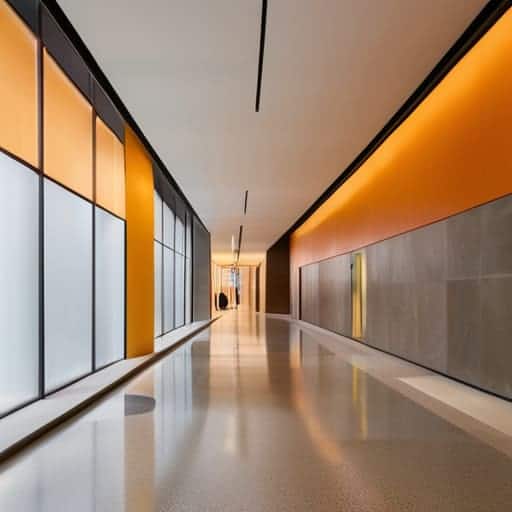
As we close the curtain on our exploration of wayfinding psychology, I hope you see that navigating a space is never just about the physical distance between two points. It is about the subtle, rhythmic cues—the intentional splash of a sunset ochre on a far wall, the intuitive shift in texture underfoot, or the way light dances through a corridor to whisper, “this way.” We have journeyed through the mental models that shape our perception and seen how reducing cognitive load is not merely a functional necessity, but an act of graceful hospitality. By harmonizing sensory cues with architectural flow, we move beyond mere utility and begin to compose environments that feel as natural and effortless as a well-rehearsed jazz improvisation.
Ultimately, my wish for you is to stop viewing your interiors as static arrangements of furniture and start seeing them as living, breathing compositions. Every room you curate is a chance to direct a movement, to guide a guest, or to lead yourself home through a curated journey of discovery. Don’t be afraid to let your space sing its own unique melody, blending the old with the new and the practical with the poetic. Remember, your home is your most personal canvas; paint it with intention, design it with soul, and let every corner be a vibrant expression of the beautiful journey you are on.
Frequently Asked Questions
How can I use color palettes to guide someone through a home without making the transitions feel jarring or visually loud?
Think of your color palette like a jazz progression—you want a smooth transition from one chord to the next, not a sudden, jarring key change. Instead of abrupt shifts, use “bridge colors.” If you’re moving from a moody, indigo-soaked study into a sun-drenched living area, carry a hint of that indigo into the living room through a subtle pattern or a soft, desaturated accent. It creates a melodic thread that guides the eye effortlessly.
In smaller, more intimate boutique spaces, how do I balance intuitive wayfinding with the need to maintain a cozy, unscripted atmosphere?
In a boutique space, think of wayfinding not as a rigid map, but as a subtle, rhythmic undertone. Avoid heavy signage that breaks the spell; instead, use “visual crescendos.” A soft glow from a vintage brass lamp or a sudden splash of terracotta on a curved wall can gently nudge a guest toward the next discovery. It’s about creating a soulful breadcrumb trail of color and light that feels discovered, never dictated.
Can you suggest ways to incorporate rhythmic design elements—like lighting or texture—to help create a sense of direction without relying on traditional signage?
Think of lighting not as mere utility, but as a spotlight guiding a soloist through a melody. You can use a rhythmic sequence of warm, low-slung pendants to pull the eye down a corridor, or play with texture—layering tactile, ribbed wallcoverings that “lead” the hand and eye toward a destination. It’s about creating a visual tempo; let shadows and highlights dance together to whisper, “this way,” without ever needing a single, clunky sign.