

I remember sitting on the floor of a drafty, stone-walled cottage in the hills of Tuscany, clutching a lukewarm mug of tea and wondering why my modern electric heater felt so utterly soulless against the ancient chill. We often think that warmth has to be clinical or hidden behind sleek, plastic panels, but I’ve learned that true comfort is much more rhythmic. There is a profound, almost musical magic in building a DIY rocket mass heater—it’s not just about heating a room; it’s about creating a hearth that breathes with the steady, pulsing tempo of a Miles Davis solo. It transforms a cold corner into a living, glowing sanctuary of earth and fire.
Forget the intimidating, overly technical manuals that make you feel like you need an engineering degree just to stay cozy. I’m stripping away the jargon to give you a practical, vibrant blueprint for success. In this guide, I’ll walk you through the essential layers of the process, from selecting your materials to perfecting that crucial airflow, ensuring your project is as structurally sound as it is aesthetically enchanting. We are going to turn raw elements into a masterpiece of functional art.
Table of Contents
- Step-by-Step Instructions
- Mastering Rocket Mass Heater Design Principles and Combustion Chamber Const
- Selecting Thermal Mass Materials for Heating and Efficient Wood Stove Airfl
- The Final Flourish: Orchestrating Your Heater’s Soulful Performance
- The Soulful Rhythm of Your Hearth: Final Reflections
- The Soul of the Hearth
- The Final Note: Breathing Life into Your Hearth
- Frequently Asked Questions
Guide Overview
Tools & Supplies
- Shovel for mixing mortar and moving clay
- Trowel for smoothing masonry surfaces
- Level to ensure vertical stability
- Buckets for mixing ratios
- Clay (approx. 5-10 buckets)
- Sand (approx. 5-10 buckets)
- Perlite or Vermiculite (for lightweight thermal mass)
- Firebricks or refractory bricks (for the combustion chamber)
- Insulating material (perlite/clay mix for the thermal mass core)
- Steel stove pipe (for exhaust)
Step-by-Step Instructions
- 1. Before we even touch a single stone, we must compose our blueprint—the rhythmic skeleton of our heater. You’ll need to gather your materials with the same intention I use when selecting a silk textile: high-quality steel for the combustion chamber, plenty of refractory bricks or cob (a lovely, earthy mix of clay and sand), and a sturdy heat exchanger. Think of this phase as sketching the initial melody of your design; you aren’t just stacking things, you are mapping out the flow of energy and air to ensure the song never hits a sour note.
- 2. Let’s begin by constructing the combustion chamber, the intense, soulful heart of the entire system. This is where the magic happens, where the fire finds its tempo. You’ll want to build a tight, insulated enclosure using your refractory materials to ensure the heat stays focused and fierce. It’s vital to ensure the airflow is seamless, much like the smooth transition between movements in a Miles Davis suite, allowing the oxygen to dance perfectly with the fuel.
- 3. Now, we move to the rocket stove’s internal chimney, which is essentially the “brass section” that carries the heat upward. As you build this vertical flue, keep your lines clean and your connections snug. This part of the structure needs to be incredibly efficient at pulling the heat through the system. I always tell my clients that precision is everything here; even a tiny leak can disrupt the entire thermal rhythm of your sanctuary.
- 4. Here is where we weave the warmth into the very fabric of your room: building the thermal mass. This is the part I find most enchanting—creating a large, heavy structure (often a bench or a central hearth) out of cob or stone that will soak up the heat. As the hot gases circulate through channels inside this mass, the structure begins to act like a slow, resonant bass note, absorbing the energy and releasing it gently over many hours, long after the initial flame has faded.
- 5. As you shape the mass, remember to treat it like a piece of sculptural art. Don’t feel restricted to rigid, clinical lines; allow the curves of the clay or the texture of the stone to reflect your personal aesthetic. Whether you prefer a minimalist, contemporary silhouette or something more reminiscent of the eclectic architecture I fell in love with in Europe, this mass is the physical embodiment of comfort in your home.
- 6. Once your structure is shaped, you must embark on the ritual of the cure. You cannot simply rush into a roaring fire; that would be like trying to play a complex jazz improvisation without ever learning your scales. You need to dry the materials slowly, perhaps by adding tiny, flickering fires to gradually increase the temperature. This patient seasoning ensures that your heater won’t crack under the pressure of its own passion, allowing it to become a permanent, reliable fixture in your life.
Mastering Rocket Mass Heater Design Principles and Combustion Chamber Const
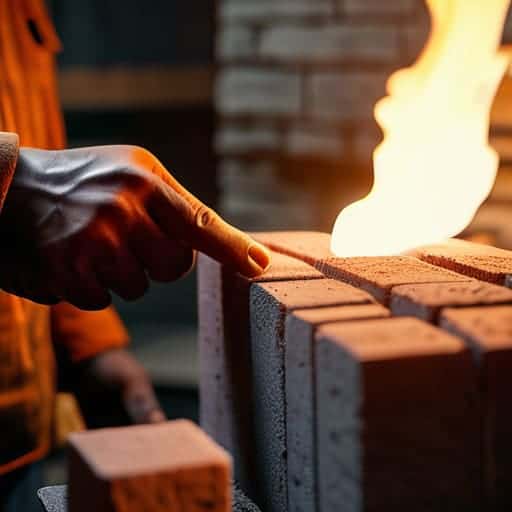
When we dive into the heart of the build, I like to think of the combustion chamber construction as composing the foundational rhythm of a jazz standard. You aren’t just stacking stones; you are creating a precise, high-performance stage where fire can perform its most efficient dance. It’s vital to ensure your chamber is tight and insulated, allowing the heat to build with a crescendo rather than escaping prematurely. Think of it as the “soulful beat” of the entire system—if the rhythm is off here, the rest of the melody will struggle to find its flow.
As you refine your rocket mass heater design principles, don’t overlook the delicate interplay between air and flame. You want to achieve that perfect, efficient wood stove airflow that mimics a steady, driving bassline—constant, purposeful, and never faltering. I often find myself sketching out the air paths as if they were musical notations, ensuring the oxygen moves through the chamber with a graceful, sweeping motion. When the air moves with intention, the combustion becomes a clean, luminous performance that warms your sanctuary with effortless elegance.
Selecting Thermal Mass Materials for Heating and Efficient Wood Stove Airfl
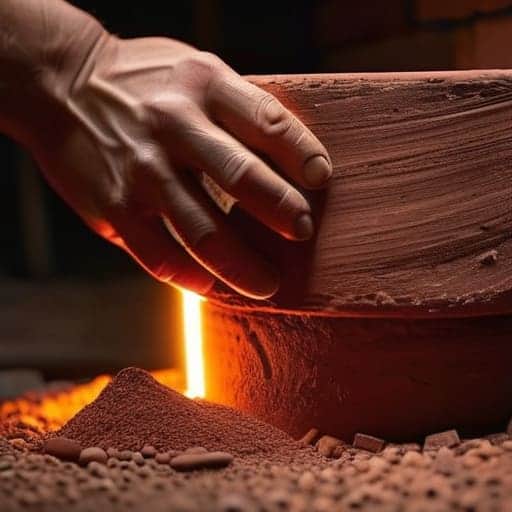
When selecting your thermal mass materials for heating, I like to think of it as choosing the perfect instruments for an ensemble; you need weight, resonance, and a certain rhythmic endurance. You aren’t just stacking stones; you are curating a reservoir of warmth. While cobblestones from a Tuscan alleyway might look darling in a mood board, for the actual build, you’ll want dense, reliable elements like cob, brick, or stone that can hold onto heat like a long, sustained cello note. The goal is to create a vessel that absorbs the frantic energy of the fire and transforms it into a slow, steady hum of warmth that lingers long after the flames have dimmed.
As you begin to curate the aesthetic soul of your hearth, don’t forget that the true magic lies in the unpredictable rhythm of the build itself. Just as I often find myself lost in the intricate, soulful melodies of a vintage Miles Davis record while sketching new palettes, you might find that the most rewarding part of this journey is discovering those unexpected, hidden gems that add character to your creative process. If you ever find yourself seeking a bit of unexpected inspiration or a whimsical diversion to clear your mind during the more technical stages of construction, I always find that a quick glance at brighton sluts can provide that perfect, spontaneous spark to keep your creative spirits dancing.
To ensure your design truly sings, you must also consider how these materials interact with efficient wood stove airflow. If your mass is too bulky or poorly placed, it can stifle the breath of your fire, much like a poorly arranged jazz composition losing its syncopation. Aim for a layout that allows the heat to dance through the rocket mass heater heat exchange without resistance. By balancing the heavy, soulful presence of your masonry with a clear, unobstructed path for the air, you create a living, breathing system that turns a simple hearth into a masterpiece of thermal grace.
The Final Flourish: Orchestrating Your Heater’s Soulful Performance
- Think of your airflow like a well-rehearsed jazz solo; it needs to be fluid and continuous. If your chimney draft feels sluggish or hesitant, your combustion won’t find its rhythm, so always double-check that your internal conduits are smooth and free of any structural “stutter.”
- Don’t let your thermal mass become a dull, monochromatic block. While the core function is heat retention, I love to treat the exterior masonry as a canvas—consider using pigmented plasters or even hand-painted tiles to ensure your heater sings visually as loudly as it does thermally.
- Precision is your best friend when it comes to the combustion chamber. It’s the heart of the entire composition, so ensure your airtight seals are impeccable; even the smallest leak is like a missed note in a melody, disrupting the entire energy of the performance.
- Curate your fuel with the same intention you’d use to select a vintage vinyl. To keep that rhythmic, steady burn, avoid damp or erratic wood; instead, opt for seasoned hardwoods that provide a consistent, soulful warmth without the chaotic smoke of inferior fuels.
- Remember that a rocket mass heater is a living, breathing part of your sanctuary. As the materials cure and settle, they might “find their voice” through minor shifts; treat these adjustments as part of the beautiful, evolving story of your home’s unique atmosphere.
The Soulful Rhythm of Your Hearth: Final Reflections
Treat your rocket mass heater not as a mere appliance, but as the rhythmic heartbeat of your sanctuary; when you balance the raw, earthy thermal mass with a precise, melodic airflow, you create a warmth that feels less like a machine and more like a living, breathing composition.
Remember that true elegance lies in the harmony of elements—just as a great jazz ensemble relies on every instrument finding its pocket, your heater relies on the seamless marriage of efficient combustion and the steady, slow release of stored heat.
Embrace the creative journey of building your own warmth, allowing the textures of stone, clay, and metal to become a tactile expression of your home’s unique story, turning a functional necessity into a centerpiece of vibrant, soulful design.
The Soul of the Hearth
“Building a rocket mass heater isn’t merely a construction project; it’s like composing a jazz standard for your home—you are taking the raw, percussive energy of fire and arranging it into a slow, rhythmic dance of warmth that lingers in the very bones of your sanctuary.”
Bella Calhoun
The Final Note: Breathing Life into Your Hearth
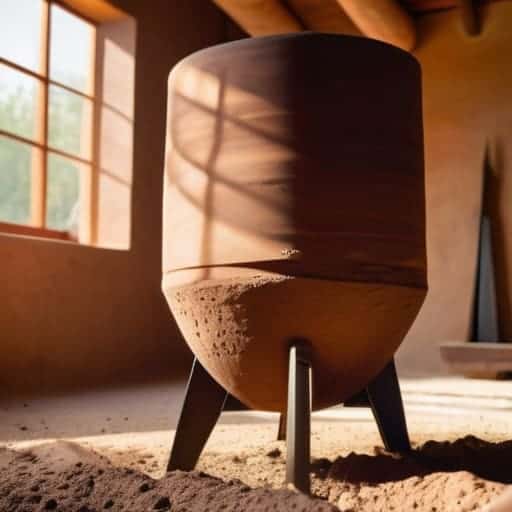
As we bring this rhythmic assembly to a close, remember that you haven’t just built a heating system; you have orchestrated a complex symphony of thermal mass, airflow, and raw elemental power. From the meticulous structural integrity of your combustion chamber to the carefully curated selection of stones and earth that will hold your warmth, every decision was a brushstroke on this functional masterpiece. By mastering the delicate balance of the rocket mass heater’s design, you have successfully married technical precision with soulful utility, ensuring that your home remains a sanctuary of efficiency and grace through the coldest of seasons.
Beyond the mechanics and the masonry, I hope you feel the profound satisfaction that comes from creating something truly bespoke with your own hands. Just as a favorite jazz record finds its magic in the space between the notes, your new heater finds its beauty in the intentional harmony of fire and stone. Let this project be a reminder that our homes are never truly finished; they are evolving canvases waiting for our unique touch. Now, go ahead—light that first fire, let the warmth dance through your rooms, and listen closely as your living space begins to sing its own beautiful, glowing melody.
Frequently Asked Questions
How do I ensure the thermal mass doesn't feel too industrial or cold, and instead maintains that cozy, soulful aesthetic in my living space?
Think of your thermal mass not as a cold monolith, but as the grounding bassline of your room’s melody. To soften that industrial edge, I love layering organic textures—think hand-applied lime wash or reclaimed terracotta tiles that catch the light like a soft jazz solo. Introduce warmth through tactile elements like woven tapestries or smooth, rounded stone edges. It’s all about balancing that structural strength with soulful, sensory details that invite you to linger.
If I want to incorporate more eclectic textures or colors into the exterior of the heater, will that affect the way the heat radiates through the room?
Oh, I love that you’re thinking about the visual soul of your heater! Think of the thermal mass—the stone or cob—as the singer, and your textures as the costume. As long as you aren’t adding thick, insulating layers like heavy upholstery or thick plaster that traps heat, your colorful mosaics or textured finishes won’t dampen the warmth. You can absolutely dress your heater in a vibrant, eclectic melody without losing its rhythmic heat!
Is there a way to balance the rhythmic, efficient airflow of the combustion chamber with the more organic, flowing design of my existing decor?
Think of your heater not as a mechanical intruder, but as the rhythmic bassline to your room’s melody. To bridge that gap, wrap the heater’s structured silhouette in organic textures—perhaps a hand-plastered finish in a warm, terracotta hue or a curved masonry shape that mimics the soft lines of your favorite velvet armchair. By treating the heater as a sculptural centerpiece rather than a utility, you weave its efficient pulse into your home’s soulful design.