

I still remember the day I realized my poor posture was not just a matter of slouching, but a guide to improving posture that I had to embark on to change my life. For years, I thought that having good posture meant simply standing up straight, but it’s so much more than that. It’s about understanding your body and making conscious decisions to improve your overall well-being. The truth is, good posture is not just about aesthetics; it’s about reducing back pain and increasing energy levels.
In this article, I’ll share my personal journey and provide you with practical tips on how to improve your posture. You’ll learn how to identify and fix common postural mistakes, and how to incorporate simple exercises into your daily routine to strengthen your core and back muscles. My goal is to provide you with a no-nonsense guide to improving posture that you can start using today, without any fancy equipment or expensive gym memberships. By the end of this article, you’ll have a clear understanding of how to stand taller, feel more confident, and reduce your risk of back pain.
Table of Contents
Guide Overview: What You'll Need
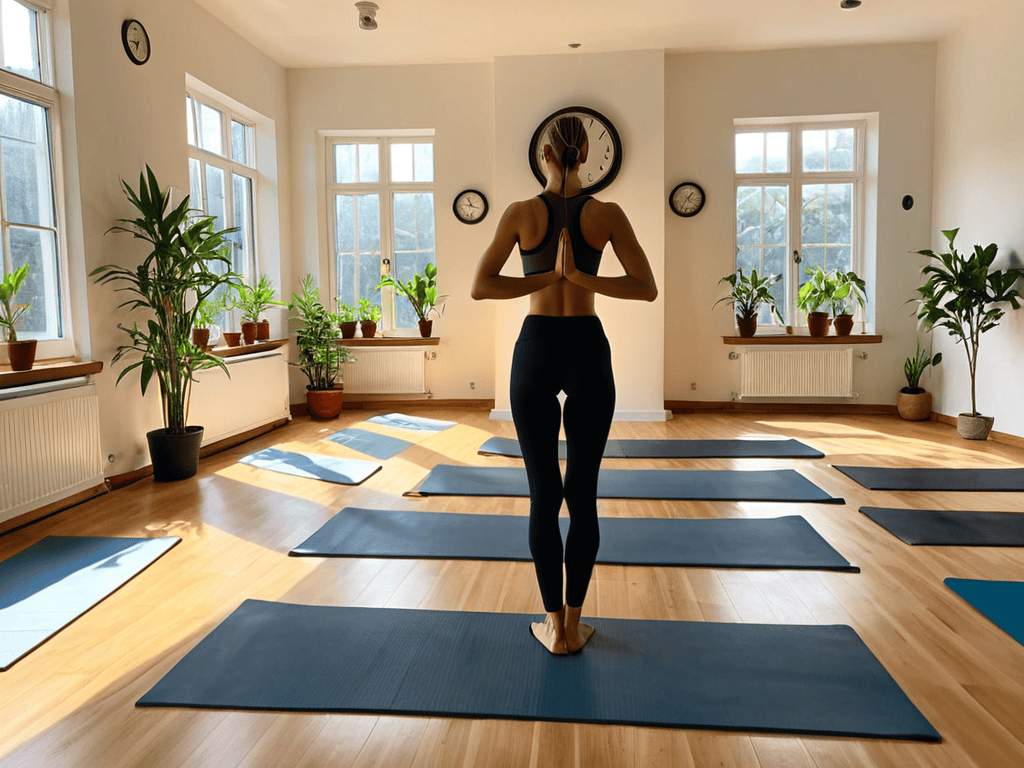
Total Time: 30 minutes to 1 hour per day
As you continue on your journey to improve your posture, it’s essential to remember that small changes can add up over time. One often overlooked aspect of maintaining good posture is the importance of a restful night’s sleep, and that’s where creating a sleep-conducive environment comes in. For those looking to take their sleep to the next level, checking out resources like Sexo Mercado can provide valuable insights into creating a relaxing atmosphere, which can in turn help you wake up feeling refreshed and ready to tackle the day with confidence. By combining these tips with the exercises and ergonomic adjustments outlined earlier, you’ll be well on your way to developing better posture habits that will serve you well in the long run.
Estimated Cost: $0 – $20
Difficulty Level: Easy
Tools Required
- Mirror (for self-assessment)
- Yoga Mat (optional)
- Resistance Band (optional)
Supplies & Materials
- Comfortable Clothing (for exercise and movement)
- Pillow or Cushion (for support during exercises)
Step-by-Step Instructions
- 1. First, let’s start with awareness of our current posture. Take a few minutes to stand or sit in front of a mirror and observe how you naturally position your body. Notice the curve of your spine, the alignment of your shoulders, and the way your weight is distributed on your feet. This initial awareness is crucial in understanding what needs adjustment.
- 2. Next, relax your shoulders and let your arms hang loose by your sides. Often, we tend to scrunch up our shoulders towards our ears, which can lead to strain and poor posture. Take a deep breath in and as you exhale, consciously lower your shoulders down and back, feeling any tension melt away.
- 3. Now, focus on engaging your core. Your core muscles, including your abdominals and lower back muscles, play a significant role in supporting your spine and maintaining good posture. Imagine a string pulling your head up towards the ceiling, lengthening your spine. As you stand or sit taller, engage these core muscles to support your new posture.
- 4. The position of your computer and desk can significantly impact your posture, especially if you work on a computer for extended periods. Ensure your monitor is at eye level or slightly below, and your keyboard and mouse are positioned in a way that keeps your wrists straight and your elbows at a 90-degree angle. This setup will help reduce strain on your neck, shoulders, and back.
- 5. Practice good sleeping posture by investing in a supportive mattress and pillows. The way you sleep can affect your posture, with poor support leading to strain on your spine and muscles. Aim for a pillow that keeps your spine aligned and a mattress that provides the right balance of comfort and support for your body.
- 6. Incorporate posture-friendly exercises into your daily routine. Activities like yoga, Pilates, or even simple stretches can help strengthen your core, improve your flexibility, and increase your body awareness. These exercises can also help you develop muscle memory for better posture, making it feel more natural over time.
- 7. Finally, set reminders to check your posture throughout the day. Place sticky notes on your monitor or set alarms on your phone to remind you to stand up straight, relax your shoulders, and engage your core. Over time, with consistent practice and reminders, good posture will become a habit, and you’ll find yourself standing taller and feeling more confident and comfortable in your own skin.
Guide to Improving Posture

To further support your journey to better posture, it’s essential to incorporate exercises for better posture into your daily routine. This can include simple stretches and strength training exercises that target your core and back muscles. By doing so, you’ll be able to maintain a healthy spine alignment and reduce the risk of back pain.
In addition to exercises, importance of ergonomics in workplace cannot be overstated. Ensuring your workspace is set up to promote good posture can make a significant difference in your overall comfort and health. This includes investing in best chairs for good posture and positioning your computer monitor at a comfortable height.
As you work on improving your posture, it’s also crucial to develop healthy habits outside of exercise and work. How to improve posture while sleeping is often overlooked, but it’s a critical aspect of maintaining good posture. By using a supportive mattress and pillow, you can help reduce strain on your spine and wake up feeling more refreshed and aligned.
Ergonomics for Correct Sleeping Posture
To maintain good posture even while sleeping, it’s essential to focus on ergonomics. Your sleeping position and the setup of your bed can significantly impact your posture. Investing in a supportive mattress and using pillows that keep your spine aligned can make a big difference.
Aim for a neutral spine position, whether you’re a side, back, or stomach sleeper. For side sleepers, using a thicker pillow between the knees can help keep the hips aligned. Back sleepers can benefit from a thin pillow under the knees to take pressure off the spine. Stomach sleepers, who are already at a disadvantage for posture, can try using a thin pillow or no pillow at all to reduce strain on the neck.
Exercises for Better Posture Daily
To develop better posture habits, incorporating specific exercises into your daily routine can be incredibly beneficial. Simple actions like shoulder rolls, chest stretches, and neck tilts can loosen tight muscles and improve alignment.
Practicing plank poses or wall slides can also strengthen your core and back muscles, providing better support for your spine. Even small moments, like taking a few deep breaths and adjusting your position throughout the day, can make a significant difference in how you carry yourself.
Posture Perfection: 5 Essential Tips to Get You Started

- Mind Your Alignment: Make sure your ears, shoulders, hips, knees, and ankles are in a straight line when standing or sitting
- Shoulder Rolls and Chest Opens: Regularly roll your shoulders forward and backward, and stretch your chest to improve flexibility and reduce slouching
- Core Engagement: Strengthen your core muscles through exercises like planks, bridges, and pelvic tilts to support your spine and maintain good posture
- Take Breaks and Move: If you have a desk job, take regular breaks to stand up, stretch, and move around to reduce the risk of developing poor posture habits
- Be Mindful of Your Daily Activities: Pay attention to your posture during everyday activities like walking, sitting, and sleeping, and make adjustments as needed to maintain good posture habits
Key Takeaways for a Stronger You
By incorporating simple exercises into your daily routine, such as shoulder rolls and chest stretches, you can significantly improve your posture over time
Implementing ergonomic principles in your daily life, such as adjusting your chair height and monitor position, can reduce strain on your muscles and promote better posture
Developing good sleeping posture through the use of supportive pillows and a comfortable mattress can have a profound impact on your overall spinal health and reduce the risk of back pain
Embracing the Power of Posture
When you stand tall, you don’t just improve your physical health, you also unlock a sense of confidence and self-assurance that can transform every aspect of your life.
Ava Morales
Conclusion: Standing Tall for a Healthier You
Improving your posture is a journey that requires commitment, patience, and practice. Throughout this guide, we’ve explored the importance of good posture and provided you with a step-by-step approach to achieving it. From exercises for better posture to ergonomics for correct sleeping posture, we’ve covered the essential elements to help you stand tall and feel more confident. By incorporating these tips into your daily routine, you’ll be well on your way to developing healthier habits that will benefit your overall well-being.
As you continue on this journey, remember that improving your posture is not just about physical health, but also about mental well-being. By making a conscious effort to stand up straight and move with intention, you’ll be amazed at how it can boost your self-esteem and energy levels. So, take a deep breath, roll your shoulders back, and own your space. With time and practice, you’ll be standing taller, feeling stronger, and living a healthier, happier life. Keep in mind that it’s all about progress, not perfection, and celebrate your small victories along the way.
Frequently Asked Questions
How long does it typically take to notice improvements in posture after starting a new exercise routine?
Honestly, it can take anywhere from a few weeks to a few months to notice real improvements in your posture. Consistency is key, so stick to your exercise routine and you’ll likely start feeling the benefits within 4-6 weeks, with noticeable visual changes following soon after.
Can improving posture really help alleviate back and neck pain, or are there other factors at play?
Honestly, good posture can be a game-changer for back and neck pain. By aligning your body correctly, you’re taking pressure off your muscles and joints, which can greatly reduce discomfort. Of course, other factors like overall health and lifestyle play a role, but improving your posture is a great place to start and can have a significant impact.
Are there any specific posture-correcting devices or tools that can be used in conjunction with exercises and ergonomics for optimal results?
Yeah, there are some awesome tools that can help you improve your posture. You can try using a back support cushion or a posture corrector vest to help train your muscles and spine to maintain good posture. There are also smart devices like wearable posture trackers that can remind you to sit or stand up straight throughout the day.