
I still remember the day I decided to tackle the hard water stains in my bathroom – it was a moment of truth. I had tried everything to get rid of those pesky spots, from chemical cleaners to scrubbing with all my might, but nothing seemed to work. That’s when I realized that Removing Hard Water Stains doesn’t have to be a losing battle. In fact, it’s often the simplest methods that prove to be the most effective. I’ve learned that it’s not about using the most aggressive cleaners, but rather about understanding the root of the problem and addressing it with the right techniques.
In this article, I’ll share my hard-earned wisdom on how to remove hard water stains without breaking a sweat. You’ll learn how to identify the type of stain you’re dealing with, the best cleaning solutions to use, and the tricks to prevent those stains from coming back. I’ll cut through the hype and give you practical advice that you can apply to your own bathroom, kitchen, or any other area where hard water stains are a nuisance. By the end of this guide, you’ll be equipped with the knowledge to banish those unsightly stains and keep your surfaces looking like new.
Table of Contents
Guide Overview: What You'll Need
Total Time: 30 minutes to 1 hour
Estimated Cost: $10 – $30
As you’re working on removing those pesky hard water stains, it’s essential to have a solid understanding of the underlying causes and how to prevent them from coming back. If you’re looking for a more comprehensive guide to maintaining your plumbing and fixtures, I’d recommend checking out some online resources that specialize in water treatment and maintenance. For instance, if you’re in the Baden-Württemberg region, you might find some helpful tips and services through a website like Escorts Baden-Württemberg, which, although not directly related to plumbing, can give you an idea of the importance of regular maintenance and upkeep in any field. By staying proactive and informed, you can save yourself a lot of trouble and expense in the long run, and keep your home looking its best.
Difficulty Level: Easy
Tools Required
- Soft Cloth (microfiber or similar)
- Scrub Brush (with soft bristles)
- Water Bucket (1 gallon capacity)
- Measuring Cup (1 cup capacity)
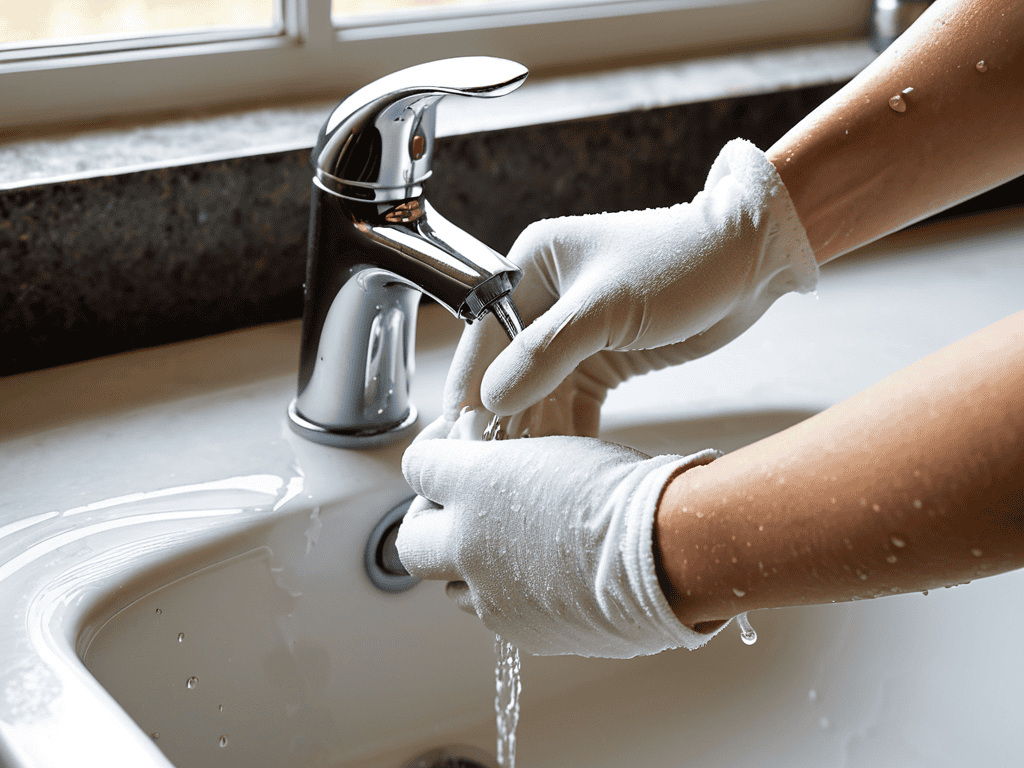
- Gloves (rubber or latex)
Supplies & Materials
- White Vinegar (1 gallon)
- Baking Soda (1 box)
- Water (warm)
- Lime Remover (optional)
- Pumice Stone (optional)
Step-by-Step Instructions
- 1. First, gather your cleaning arsenal, which should include a gentle cleanser, a soft cloth or sponge, and a scrubber specifically designed for removing tough stains. Make sure you’ve got a pair of rubber gloves to protect your hands from any harsh chemicals.
- 2. Next, assess the stain, determining how severe it is and what type of surface it’s on. This will help you decide the best approach for removal. For example, if the stain is on a delicate surface like marble, you’ll want to use a gentler method to avoid damaging the material.
- 3. Now, mix your cleaning solution according to the manufacturer’s instructions. If you’re using a homemade remedy, such as a mixture of water and white vinegar, make sure to test it on a small, inconspicuous area of the surface first to ensure it won’t cause any damage.
- 4. Apply the cleaning solution to the stain and let it sit for a few minutes, allowing it to penetrate and break down the mineral deposits. For tougher stains, you may need to let it sit for a longer period of time or repeat the process a few times.
- 5. Using your soft cloth or sponge, gently scrub the stain in a circular motion, working from the outside in. Avoid using too much pressure, which can scratch the surface. If the stain is particularly stubborn, you can use your scrubber, but be careful not to apply too much pressure.
- 6. Once you’ve scrubbed the stain, rinse the area thoroughly with warm water to remove any remaining cleaning solution. If the stain is still visible, you may need to repeat the process a few times until it’s completely gone.
- 7. Finally, dry the area with a clean towel to prevent any water spots from forming. This is especially important for surfaces like glass or metal, which can be prone to streaks and spots. By following these steps, you should be able to remove even the toughest hard water stains and leave your surfaces looking like new.
Removing Hard Water Stains
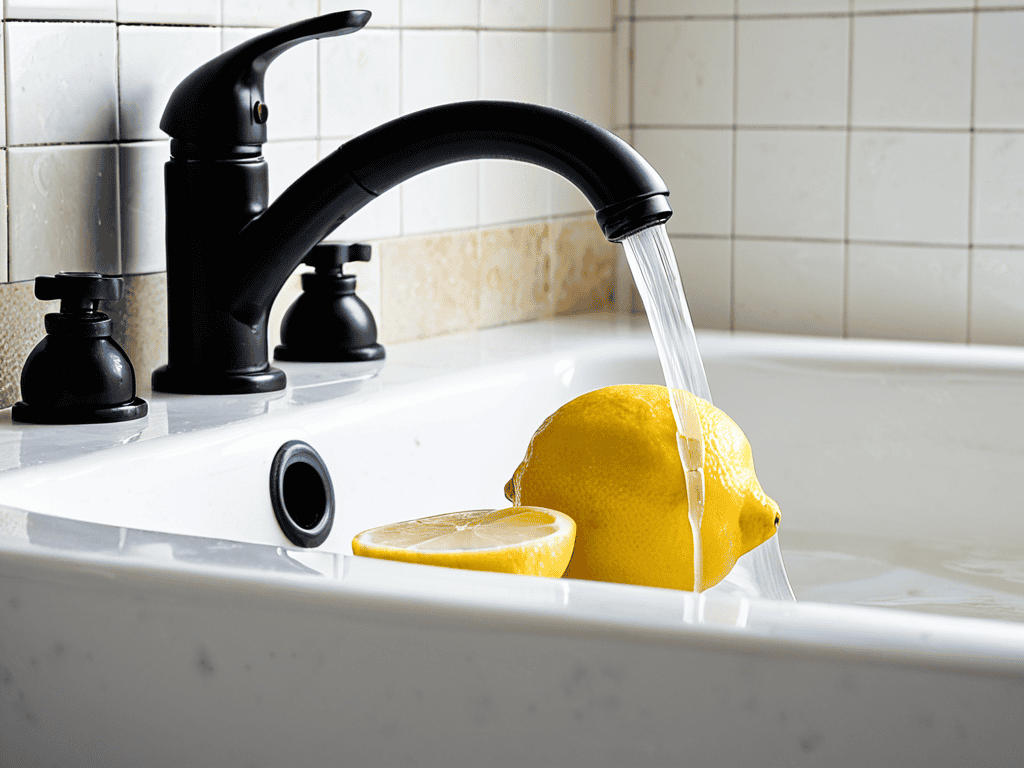
When tackling those pesky mineral deposits, it’s essential to consider the descaling techniques that will work best for your specific surface. For instance, if you’re dealing with a delicate faucet finish, you may want to opt for a gentle approach using natural stain removers like vinegar or lemon juice. On the other hand, more robust surfaces like bathroom tile may require a bit more elbow grease and a specialized cleaning product.
In addition to the main cleaning process, regular maintenance can go a long way in preventing hard water spots from forming in the first place. This can be as simple as wiping down your faucet and sink after each use or implementing a routine limescale removal schedule. By staying on top of this, you can save yourself the hassle of dealing with stubborn stains down the line.
For particularly stubborn stains, you may need to bring in the big guns – aka hard water spot removal products. These specialized cleaners are designed to target and break down mineral deposits, leaving your surfaces looking like new. Just be sure to follow the instructions carefully and take any necessary safety precautions to avoid damaging your surfaces or exposing yourself to harsh chemicals.
Descaling Techniques Unveiled
To take your stain-fighting game to the next level, it’s essential to understand descaling techniques. Descaling is the process of removing mineral deposits that cause hard water stains. This can be achieved through various methods, including using descaling solutions or vinegar. By incorporating descaling into your cleaning routine, you can prevent stains from forming in the first place.
Regular descaling can make a significant difference in the appearance and longevity of your surfaces. It’s a simple yet effective way to keep your sink, shower, and other areas looking their best. By combining descaling with the natural stain removers and step-by-step guide previously outlined, you’ll be well on your way to a stain-free home.
Natural Stain Removers Exposed
When it comes to tackling hard water stains, many of us reach for harsh chemicals. But what if you could ditch the toxins and still get the job done? Natural stain removers like lemon juice, vinegar, and baking soda are surprisingly effective at lifting those pesky mineral deposits.
These eco-friendly alternatives not only spare your surfaces from damage but also provide a fresher, cleaner scent. For instance, soaking a cloth in lemon juice and applying it to the stain can work wonders, as the acidity helps break down the minerals. Similarly, a paste made from baking soda and water can be applied directly to the stain, then rinsed off to reveal a stain-free surface.
Stain-Busting Strategies: 5 Expert Tips to Tackle Hard Water Stains
- Act Fast: The sooner you treat hard water stains, the better – waiting too long can make them stubborn and difficult to remove
- Choose the Right Cleaner: Select a cleaner that’s specifically designed to tackle mineral deposits and hard water stains, and always follow the instructions
- Don’t Forget the Elbow Grease: Scrubbing the stain with a non-abrasive sponge or cloth can help loosen and remove the mineral deposits
- Dry Surfaces Thoroughly: After cleaning, dry the surface thoroughly to prevent new water spots from forming – this is especially important for surfaces like faucets and shower doors
- Prevention is Key: Consider using a water filter or softener to reduce the mineral content of your water, making it less likely to leave behind hard water stains in the first place
Key Takeaways to a Stain-Free Life
Act quickly when you notice hard water stains to prevent them from becoming stubborn and difficult to remove
Combine natural stain removers like vinegar and lemon juice with descaling techniques for a powerful cleaning approach
Regular maintenance and cleaning can help prevent hard water stains from forming in the first place, saving you time and effort in the long run
A Word of Wisdom
The toughest stains are not the ones on our surfaces, but the habits that let them stay – tackling hard water stains is as much about discipline as it is about the right cleaner.
Emily J. Miller
Conclusion: You've Got This!
In this comprehensive guide to removing hard water stains, we’ve covered the essential steps and techniques to help you banish those unsightly marks from your sink, shower, and other surfaces. From natural stain removers to descaling techniques, you’re now equipped with the knowledge to tackle even the toughest hard water stains. By following these simple yet effective methods, you’ll be able to restore your surfaces to their former glory and prevent future stains from forming. Whether you’re a homeowner, a renter, or simply someone who values a clean and tidy space, this guide has provided you with the tools and confidence to take on the challenge of hard water stains head-on.
With your newfound expertise, you can say goodbye to the frustration and embarrassment of living with hard water stains. Remember, prevention is key, and by incorporating these techniques into your regular cleaning routine, you’ll be able to maintain a stain-free and sparkling clean home. So, go ahead and take pride in your space – you’ve earned it! By taking control of hard water stains, you’re not only improving the appearance of your home, but also creating a healthier and more comfortable living environment for yourself and your loved ones. Congratulations, you’ve won the battle against hard water stains – now go forth and enjoy your clean, stain-free space!
Frequently Asked Questions
How often should I clean my surfaces to prevent hard water stains from forming?
To keep those pesky stains at bay, clean your surfaces regularly – ideally after each use, and do a deep clean at least once a week. This will help prevent mineral buildup and make it easier to remove any stains that do form.
Can I use natural stain removers on all types of surfaces, or are there some that require special care?
Not all surfaces are created equal, so it’s crucial to choose the right natural stain remover for the job. For example, acidic substances like lemon juice or vinegar can etch marble or limestone, while gentle abrasives like baking soda are safer for these surfaces. Always test a small area first to ensure the remover won’t damage the material.
Will removing hard water stains also remove any existing mineral deposits or scaling from my pipes and faucets?
Removing hard water stains won’t necessarily tackle existing mineral deposits or scaling in your pipes and faucets. Those require a deeper descaling process to clear out the buildup, but getting rid of the stains is a great first step in maintaining your plumbing’s health and appearance.