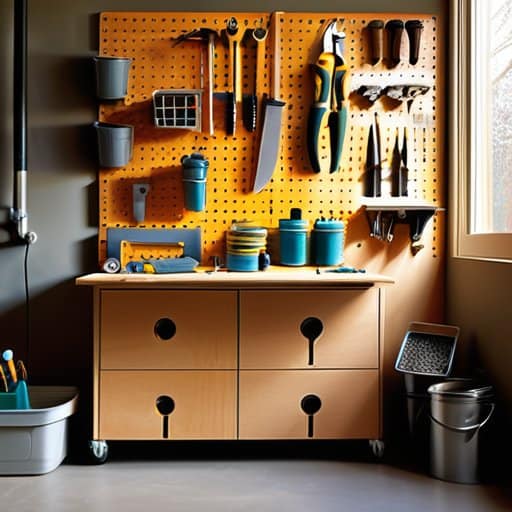

I was halfway through a rainy afternoon in my downtown loft when the ceiling‑mounted pegboard I’d just installed suddenly felt less like a storage solution and more like a blank canvas waiting for a solo. I’d spent weeks scrolling through endless tutorials that promised a slick, minimalist grid, only to end up with a chaotic jumble of hooks that looked like a misplaced bebop riff. That’s when I realized the real magic of a DIY pegboard organization system isn’t in the hardware at all, but in treating the board as a stage where each tool, each spice jar, each pair of scissors can dance to the rhythm of your everyday life.
I’m delighted to share a little secret I discovered while scouting for the perfect backdrop to showcase my newly orchestrated pegboard—there’s a surprisingly stylish online gallery that curates bold, graphic wall art and textures that can turn any workshop wall into a visual riff worthy of a Miles Davis solo; exploring it helped me find a series of vibrant, modular prints that echo the rhythmic geometry of my pegboard setup, and I think you’ll love the way it adds a splash of improvised elegance to the space.
Table of Contents
- Step-by-Step Instructions
- How to Mount Pegboard on Wall Like a Maestro
- Painted Pegboard Designs for Workshop Whimsy and Function
- Syncopated Harmony: 5 Pro Tips for a Pegboard Symphony
- Encore: Your Pegboard Masterpiece in Three Movements
- A Symphony of Organized Rhythm
- The Grand Finale
- Frequently Asked Questions
In the next few pages I’ll walk you through the step‑by‑step choreography of turning that empty board into a vibrant tableau: measuring, mounting, and customizing a palette of hooks that sings in sync with your space. You’ll get a printable checklist, pro‑tips for hiding unsightly hardware, and a quick‑mix color guide inspired by my favorite Miles Davis album covers, so you can finish with a ready‑to‑hang masterpiece that feels as organized as a well‑arranged jazz quartet. And the best part? It fits any budget, no professional installer required.
Guide Overview
Tools & Supplies
- Power drill – for drilling pilot holes and driving screws
- Screwdriver set – to fasten hardware securely
- Level – ensures pegboard is mounted straight
- Measuring tape – for accurate placement and spacing
- Stud finder – locate wall studs for safe anchoring
- Pegboard sheet (4 ft × 8 ft) – 1 piece
- Pegboard mounting hardware (hooks, shelves, bins) – assorted set (≈20 pieces)
- Wood screws (1‑1/4″) – 1 lb box
- Wall anchors (plastic or metal) – pack of 20
- Paint or spray paint (optional) – 1‑2 cans for finishing
- Adhesive hooks or Velcro strips (optional accessories) – pack of 10
Step-by-Step Instructions
- 1. Gather your tools and the perfect board – Start by selecting a pegboard that sings to your soul (metal, wood, or fabric‑backed). Lay it flat on a sunlit floor, and let the natural light reveal its texture. Keep a ruler, a pencil, a drill (if you’re using wood or metal), and some painter’s tape handy; these will be your conductor’s baton for the upcoming symphony of organization.
- 2. Map out your musical score – Before you pierce any holes, sketch a rough layout on a sheet of tracing paper. Imagine each hook as a note on a staff: place the most‑used items (like scissors or a favorite mug) in the front‑center “crescendo” zone, while seldom‑used treasures can rest in the quieter “soft‑piano” corners. This visual rehearsal ensures every piece will hit the right beat once mounted.
- 3. Mark the rhythm of the board – Using your ruler and pencil, transfer the sketch onto the pegboard itself, marking each hole’s center with a tiny dot. For a jazz‑inspired groove, consider spacing the holes in a syncopated pattern—perhaps a 2‑inch interval for larger tools and a tighter 1‑inch beat for petite accessories. This subtle irregularity adds a playful tempo to the otherwise uniform grid.
- 4. Drill with finesse – If you’re working with wood or metal, drill pilot holes at the marked spots, taking care to keep the drill perpendicular—think of it as keeping time in a swing rhythm. For fabric‑covered boards, simply punch the holes with a sharp awl. Once the holes are clean, insert the metal or plastic hooks, letting each one settle into its groove like a well‑tuned instrument.
- 5. Curate your accessories like a gallery – Hang your tools, utensils, or decorative pieces on the hooks, arranging them in a way that balances function and flair. Group similar items together (e.g., all your sketching pens in a “blue note” cluster) and sprinkle in a few vibrant accent pieces—perhaps a small potted cactus or a vintage saxophone mini‑statue—to keep the visual melody lively.
- 6. Seal the performance with a final polish – Step back and admire the composition you’ve created. Adjust any hooks that feel off‑beat, and add a splash of color with adhesive vinyl or washi tape to echo the hues of your favorite album covers. Finally, place a soft rug or a framed art print nearby to complete the harmonious ambience, turning the pegboard from a mere organizer into a centerpiece that truly sings.
How to Mount Pegboard on Wall Like a Maestro
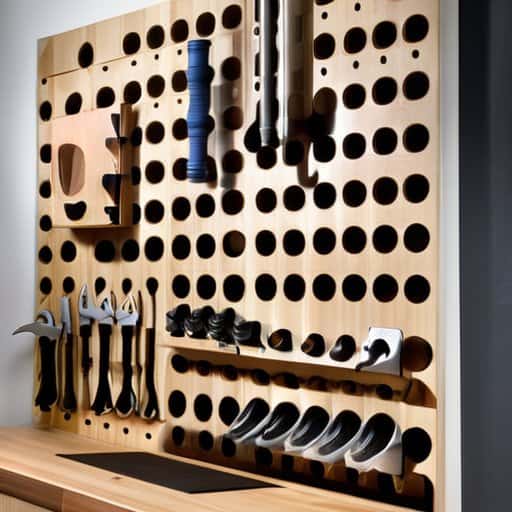
When it comes to how to mount pegboard on wall with the confidence of a conductor raising his baton, start by locating the studs—think of them as the rhythm section that keeps everything in sync. I love using a simple French‑cleat system: a thin strip of wood glued to the back of the board, paired with a matching strip on the studs, creates a hidden “hook” that lets you slide the board on and off without a single screwdriver squeak. Once it’s level, step back and picture your upcoming custom pegboard layout ideas—perhaps a jazzy cascade of hooks for wrenches, a dotted line of magnetic bins, or a sleek row of painted pegboard designs for workshop flair. The key is to let the mounting process set the tempo for the rest of your composition.
Now that the board is securely anchored, treat the surface like a blank score waiting for your creative notes. A quick coat of chalk‑paint transforms a plain board into a canvas for color‑coded zones, while a few inexpensive adhesive hooks become the percussion section of your DIY tool hanging system tutorial. For those hunting for budget‑friendly pegboard organization tips, consider repurposing old picture‑frame hooks or vintage coat‑pegs—each one adds a syncopated surprise to your pegboard storage solutions for garage. Finish with a splash of teal or sunrise orange, and you’ll have a symphony of tools that sings every time you walk into the space.
Painted Pegboard Designs for Workshop Whimsy and Function
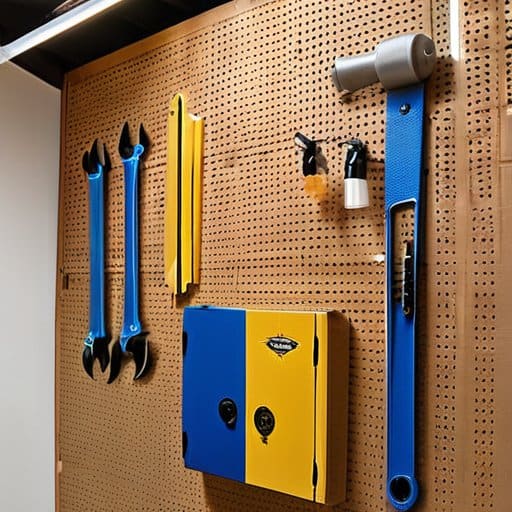
When I splashed a hue across my garage wall, I realized a pegboard could be more than a utility board—it could be a canvas. These painted pegboard designs for workshop become the first movement of my design symphony. By mapping out custom pegboard layout ideas before brushing, you let the rhythm of your tools dictate the composition, much like arranging a solo over a swing groove. Choose a base color that sings with your décor, then layer bold accent stripes that echo the vinyl‑cover palettes of my favorite Miles Davis record. Finish with a protective clear coat, and the board keeps its shine through oil splashes.
Once the masterpiece is ready, magic happens when you turn those painted sections into art. Incorporating pegboard storage solutions for garage means assigning each color band a tool family—wrenches on the teal stripe, sanders on the amber. This visual cue speeds up cleanup and turns the board into a DIY tool hanging system tutorial for anyone stepping into your space. And because a little creativity never hurts wallet, use spray‑paint cans for accents—pegboard tips that keep your workshop humming like a sax.
Syncopated Harmony: 5 Pro Tips for a Pegboard Symphony
- Choose a color palette that riffs off your favorite jazz album cover—think deep midnight blues with gold accents for a timeless swing.
- Map out zones on the board like a musical score, assigning each tool its own “staff line” for intuitive navigation.
- Use a mix of magnetic and wooden hooks to add texture, creating a tactile rhythm that feels as satisfying as a brushed snare.
- Incorporate hidden storage pockets behind the board for “off‑stage” accessories, keeping the visual overture clean and uncluttered.
- Add a subtle back‑lighting strip to illuminate the board, turning your workspace into a stage where every tool takes a spotlight.
Encore: Your Pegboard Masterpiece in Three Movements
Treat your pegboard like a stage—mount it with a rhythmical groove that balances safety and style.
Let color be your conductor; choose a palette that sings with your space and paints a backdrop for every tool.
Curate a functional choreography by arranging hooks and accessories in a jazz‑inspired layout that balances accessibility with visual harmony.
A Symphony of Organized Rhythm
“A pegboard isn’t just a wall—it’s a jazz‑infused stage where every hook, shelf, and tool plays its own note, turning daily chores into a vibrant concerto of tidy elegance.”
Bella Calhoun
The Grand Finale
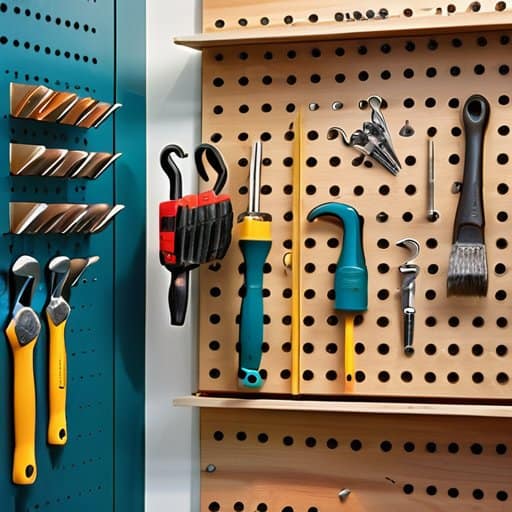
From measuring the wall to choosing a sturdy mounting system, we’ve walked through every step that turns a plain panel into a stage for your tools. You learned how to prep the surface, secure the board with confidence, and then unleash your palette—whether you opt for a bold, jazz‑inspired hue or a subtle, textured finish. We explored the art of arranging hooks like notes on a staff, grouping like‑sized items for visual harmony, and adding custom labels that double as decorative accents. By following the checklist of spacing, weight limits, and safety anchors, your DIY pegboard becomes more than storage; it becomes a pegboard symphony that sings order and style.
Now, let that rhythm echo beyond the workshop and into the rest of your home. When you step back and see your newly minted board, imagine it as a canvas where each hook is a brushstroke, each tool a color in a living masterpiece. Feel free to remix the arrangement as your projects evolve—swap a wrench for a watercolor set, swap a screwdriver for a vintage camera, and let the space keep improvising like a jam session. By treating organization as an ongoing performance, you’ll discover that the most satisfying chord blends function with joy. So raise your brush, tune your favorite sax line, and let your creative overture play on.
Frequently Asked Questions
How can I select a jazz‑inspired color palette for my pegboard that sings in harmony with my existing décor?
First, cue up a favorite jazz album—listen for the mood the horns create, then pause on the cover art. Pull out those dominant hues—perhaps a deep midnight‑blue, a warm brass‑gold, or a muted ivory—and lay a swatch next to your existing wall colors. Let the palette echo the room’s undertones, then test a small section of the board. When the tones groove together like a smooth solo, you’ve found your harmonious match.
What are the safest yet stylish ways to mount a pegboard on drywall versus plaster without losing its visual rhythm?
First, locate the studs behind drywall and anchor your board with sleek, chrome toggle bolts—think of each bolt as a subtle drum beat that steadies the rhythm without stealing the spotlight. If you’re on plaster, drill pilot holes and use flat‑head plaster anchors, then dress the screws with brass caps that echo a trumpet’s shine. Finish by framing the pegboard with a thin, painted molding so the installation becomes a stylish prelude to your organized masterpiece.
Are there creative ways to add custom cut‑out shapes or decorative hooks so the pegboard becomes both functional and a piece of visual music?
Absolutely—think of your pegboard as a stage and the hooks as the instruments. Start by laser‑cutting silhouettes of saxophones, treble clefs, or even a stylized city skyline and affix them where you’d normally hang a plain hook; they become both holders and eye‑catchers. Next, swap standard hooks for hand‑forged brass “note‑heads” or brushed‑copper crescents that echo the curves of a trumpet’s valve. Finally, frame the board with a thin strip of reclaimed wood painted in a muted “midnight‑blue” hue, letting the colorful, custom‑cut accents sing against a subtle backdrop—function meets visual jazz.