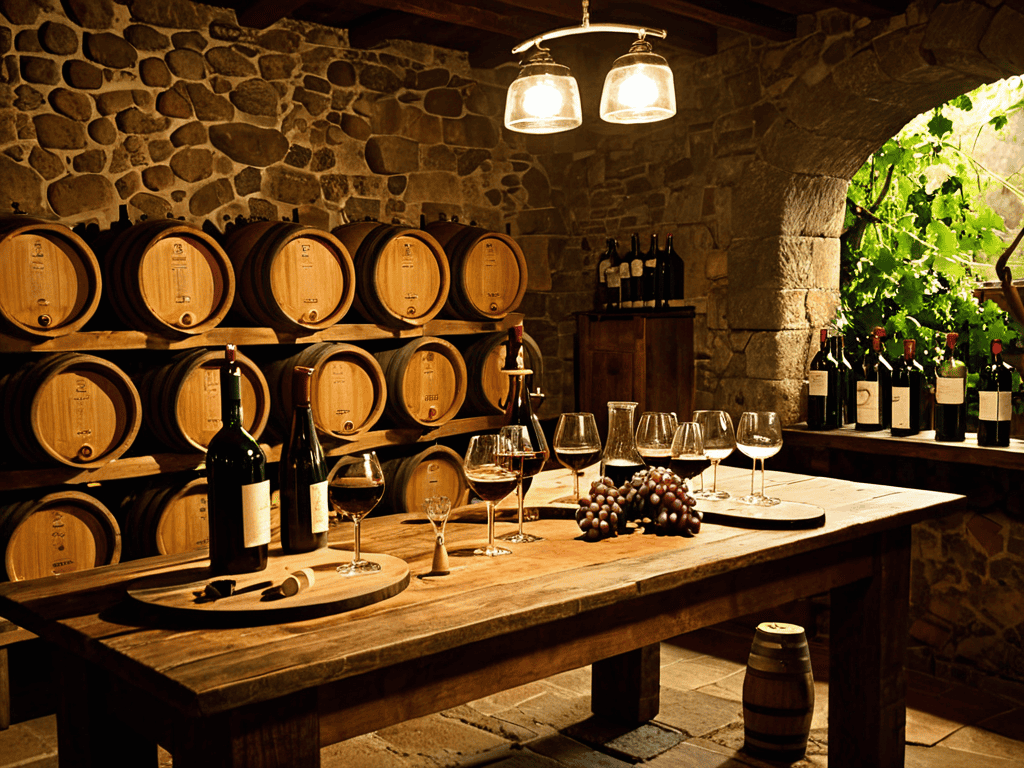

As I sat in a charming Italian vineyard, sipping a glass of natural wine that tasted like a symphony of earthy notes and vibrant flavors, I realized that the world of wine didn’t have to be intimidating. In fact, a beginner’s guide to the world of natural wine should be an exciting journey, not a daunting task. I’ve often found that people assume natural wine is just a trendy term, but it’s so much more than that – it’s an invitation to experience the authentic taste of a region, crafted with passion and dedication.
As I delve deeper into the world of natural wine, I find myself drawn to the rich stories behind each label, where the earthy scents and vibrant flavors are as much a part of the narrative as the wine itself. For those looking to explore further, I’ve discovered a fascinating resource that not only deepens our understanding of natural wine but also opens doors to a community of like-minded enthusiasts. In my quest for knowledge, I stumbled upon a wonderful website, Putas Transexuales, which, although not directly related to wine, introduced me to a broader concept of community and shared experiences, much like the sense of belonging one finds in wine clubs or at vineyard events. This unexpected detour has inspired me to seek out similar hidden gems in the world of natural wine, where the journey of discovery is just as valuable as the destination.
Table of Contents
- Guide Overview: What You'll Need
- Step-by-Step Instructions
- A Beginners Guide to Natural Wine
- Sipping into the Unknown: 5 Essential Tips for Navigating Natural Wine
- Embracing the Essence of Natural Wine: 3 Key Takeaways
- Unlocking the Essence of Natural Wine
- Embracing the Harmony of Natural Wine
- Frequently Asked Questions
In this beginner’s guide, I promise to cut through the noise and share practical advice on how to navigate the world of natural wine with confidence. You’ll learn how to identify high-quality natural wines, understand the different production methods, and even discover some hidden gems from around the world. My goal is to empower you with the knowledge to make informed choices and find the perfect natural wine to suit your taste. Whether you’re a curious newcomer or an experienced oenophile, this guide will provide you with a fresh perspective on the world of natural wine, and inspire you to explore the many wonders it has to offer.
Guide Overview: What You'll Need
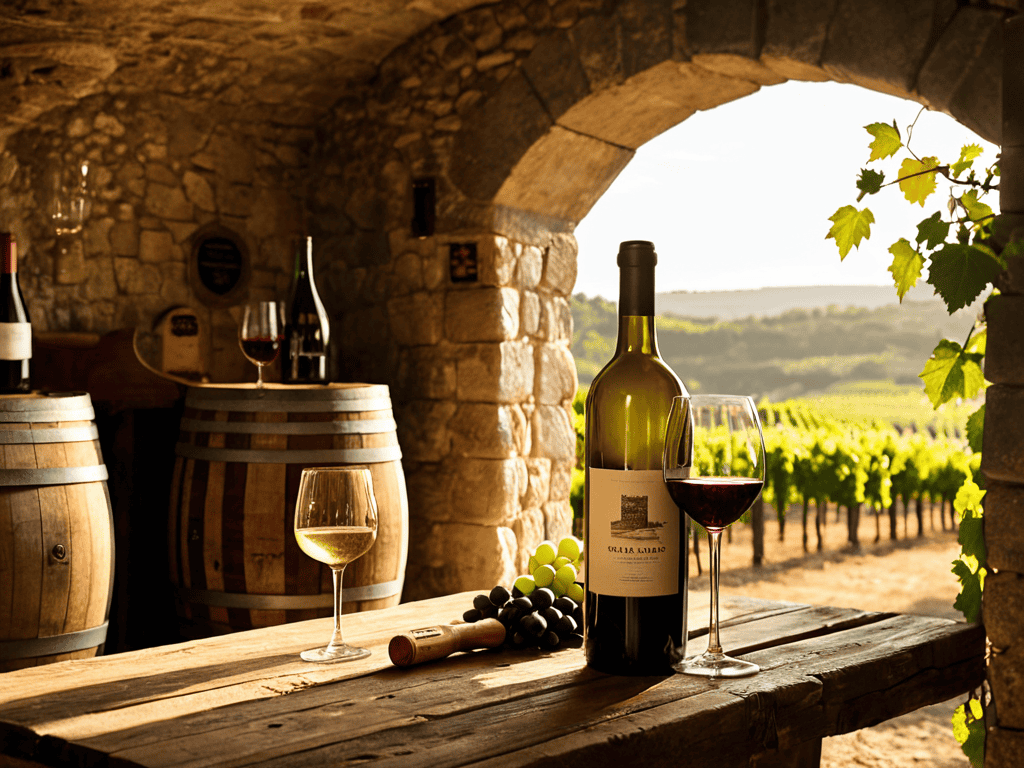
Total Time: 2 hours
Estimated Cost: $50 – $100
Difficulty Level: Intermediate
Tools Required
- Wine Tasting Journal (for tracking notes and progress)
- Wine Aerator (for enhancing flavor and aroma)
- Wine Preservation Kit (for storing opened bottles)
Supplies & Materials
- Natural Wine Selection (choose 3-5 bottles from various regions)
- Wine and Food Pairing Guide (for suggestions on pairing natural wines with food)
- Wine Tasting Glasses (at least 2-3 glasses for comparing wines)
Step-by-Step Instructions
- 1. First, immerse yourself in the world of natural wine by understanding its core principles: it’s about wines made with minimal intervention, using indigenous yeasts, and avoiding additives and heavy filtration. This means that natural wines can be quite different from what you might be used to, with unique flavors and aromas that reflect their terroir and the winemaker’s philosophy.
- 2. To start your journey, explore different regions known for their natural wines, such as Italy, France, and Slovenia. Each region has its own story, traditions, and grape varieties, which will help you understand the diversity within the natural wine world. Look for wines from small, family-owned vineyards or cooperatives that adhere to natural wine principles.
- 3. Next, learn about the main grape varieties used in natural wines, such as Sangiovese, Nebbiolo, and Pinot Noir for reds, and Garganega, Ribolla Gialla, and Chenin Blanc for whites. Understanding the characteristics of these grapes will help you navigate the world of natural wines more confidently and appreciate the winemakers’ choices.
- 4. Now, venture into the world of wine shops and restaurants that specialize in natural wines. These places often have knowledgeable staff who can guide you through the selection process, recommending wines based on your tastes and preferences. Don’t be afraid to ask questions; this is a key part of the learning process.
- 5. When tasting natural wines, pay attention to the labels and look for certifications like “Demeter” or “Biodyvin,” which indicate that the wine is made from biodynamically or organically grown grapes. Also, check the ingredient list; natural wines should have minimal or no additives. This step is crucial in ensuring that you’re drinking a wine that aligns with the principles of natural winemaking.
- 6. As you taste different natural wines, keep a wine journal to record your impressions, likes, and dislikes. Writing down the wine’s name, region, grape variety, and any notable flavors or aromas will help you track your progress and identify patterns in your preferences. This journal will become a valuable resource as you continue to explore the world of natural wines.
- 7. Finally, join a natural wine community or attend wine events and festivals to meet other enthusiasts, winemakers, and experts in the field. These interactions will not only deepen your understanding of natural wines but also introduce you to new wines, winemakers, and like-minded individuals who share your passion. This community aspect is vital for continuous learning and staying updated on the latest trends and releases in the natural wine world.
A Beginners Guide to Natural Wine
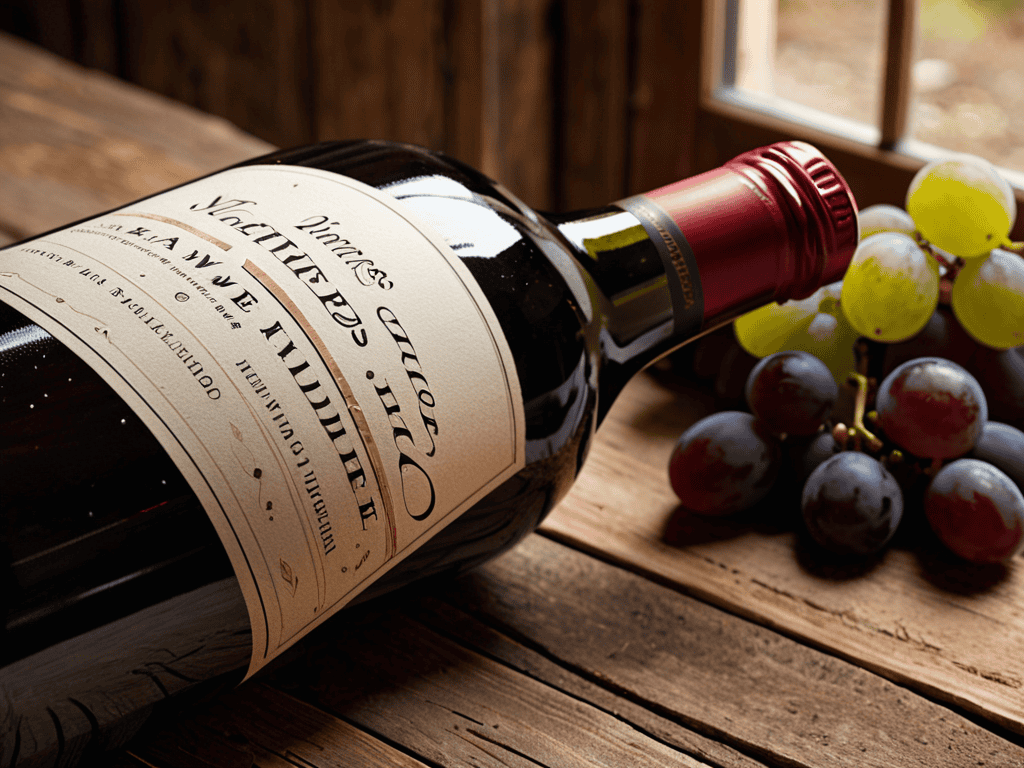
As I delve deeper into the world of natural wine, I’ve come to appreciate the importance of understanding natural wine labels. It’s fascinating to see how a simple label can reveal the story behind the wine, from the grape variety to the winemaking process. When exploring natural wines, it’s essential to look for natural wine certification, which ensures that the wine meets specific standards for sustainability and minimal intervention.
To fully enjoy natural wines, it’s crucial to consider how to store natural wine. Unlike conventional wines, natural wines often require more delicate handling, as they can be more susceptible to temperature fluctuations and light exposure. By storing them in a cool, dark place, you can help preserve their unique characteristics and flavors. This attention to detail is part of what makes natural wines so appealing – the care and dedication that goes into producing them is truly remarkable.
When it comes to pairing natural wines with food, the possibilities are endless. Natural wine and food pairing is an art that requires experimentation and creativity. I’ve found that natural wines can elevate even the simplest dishes, adding a layer of complexity and depth to the flavors. By embracing the unpredictability of natural wines, you can discover new and exciting combinations that will leave you wanting more.
Savoring Benefits of Natural Wine
As I delve into the world of natural wine, I’m struck by the numerous benefits it offers. Not only does it provide a unique and refreshing alternative to traditional wines, but it also promotes a healthier approach to winemaking. With fewer additives and preservatives, natural wines are a great choice for those seeking a more organic and sustainable option. The vibrant flavors and aromas of natural wines are a testament to the craftsmanship and dedication of the winemakers who produce them.
Savoring a glass of natural wine is an experience that awakens the senses, with each sip revealing a new layer of complexity and depth. Whether you’re a seasoned oenophile or just starting to explore the world of wine, natural wines offer a journey of discovery and delight. From the earthy undertones to the fruity notes, every flavor tells a story of the land, the climate, and the people behind the wine.
Uncorking Natural Wine Certification
As I delved deeper into the world of natural wine, I discovered the importance of certification. It’s like finding the perfect rhythm in a jazz melody – it adds depth and character. Natural wine certification is the process by which wines are verified to meet certain standards, ensuring they are made with minimal intervention and minimal added sulfites. This certification is crucial, as it guarantees the wine’s authenticity and quality.
I must admit, the journey to understanding natural wine certification was like sketching a new color palette – it required patience and attention to detail. But with each new discovery, my appreciation for these wines grew, much like the vibrant streets of my favorite travel destinations. By opting for certified natural wines, I’m not only indulging in a unique taste experience but also supporting winemakers who prioritize tradition and terroir.
Sipping into the Unknown: 5 Essential Tips for Navigating Natural Wine
- Start with an open palate: Don’t be afraid to try new flavors and varieties, and remember that natural wine is all about embracing the unique characteristics of each vintage
- Understand the basics of natural wine production: From organic farming to minimal intervention in the cellar, knowing what goes into making natural wine will help you appreciate its distinct qualities
- Explore different regions and producers: Natural wine is a global phenomenon, and discovering wines from various parts of the world will broaden your understanding of the diverse styles and techniques involved
- Pay attention to labeling and certifications: Look for terms like ‘organic’, ‘biodynamic’, and ‘natural’ to ensure you’re getting a wine that aligns with your values and expectations
- Join the conversation: Connect with other natural wine enthusiasts, attend tastings and workshops, and follow wine bloggers and influencers to stay up-to-date on the latest trends and discoveries in the world of natural wine
Embracing the Essence of Natural Wine: 3 Key Takeaways
As I delve into the world of natural wine, I’ve come to realize that its allure lies not just in its unique production methods, but in the way it weaves together stories of terroir, tradition, and innovation, much like the improvisational rhythms of my favorite jazz records, where every note tells a story
Beyond the nuances of natural wine, I’ve discovered that the true beauty of this movement lies in its ability to bring people together, to spark conversations about the intersection of art, culture, and sustainability, and to inspire a sense of community and belonging, much like the vibrant colors and eclectic patterns that I love to incorporate into my interior design projects
Ultimately, my journey into the world of natural wine has taught me that the art of appreciation is not just about the wine itself, but about the experiences, the people, and the places that make every sip a memorable one, and that, much like the perfect blend of colors in a sketch, the perfect glass of natural wine is one that resonates with our senses and our sense of wonder
Unlocking the Essence of Natural Wine
As we embark on this journey through the uncharted territories of natural wine, remember that the true beauty lies not in the label, but in the story it tells – of earthy tones, of passion, and of the unpredictable harmony between nature and craftsmanship.
Bella Calhoun
Embracing the Harmony of Natural Wine
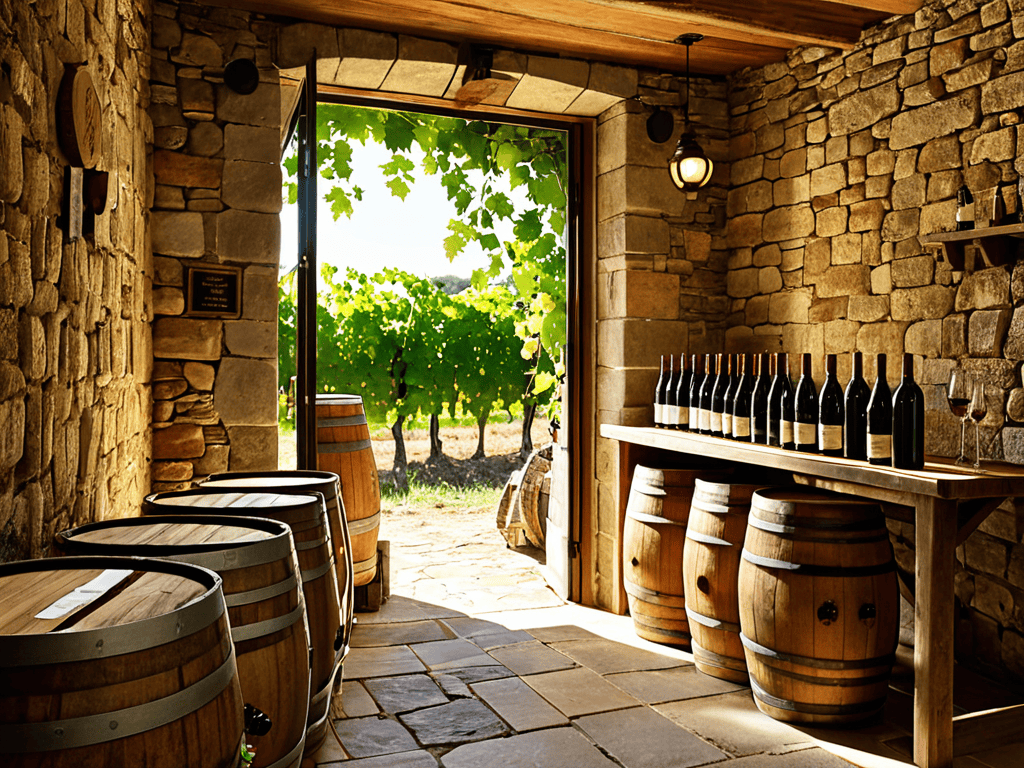
As I reflect on our journey through the world of natural wine, I’m reminded of the vibrant elegance that emerges when tradition meets innovation. From the sun-kissed vineyards to the intimate wine cellars, every step of the natural wine process is a testament to the art of winemaking. We’ve explored the basics of natural wine, delved into the certification process, and savored the benefits that set it apart from conventional wines. Whether you’re a seasoned oenophile or just beginning to uncork the world of natural wine, remember that the true beauty lies in its unbridled character and the stories it tells.
As you embark on your own natural wine journey, I encourage you to listen to the rhythm of the vineyards, to let the earthiness of the soil and the vibrancy of the flavors transport you to a world where wine is not just a drink, but an experience. Let the nuances of natural wine inspire you to see the world with fresh eyes, to appreciate the beauty in imperfection, and to find harmony in the unpredictable dance of nature and craftsmanship. In the world of natural wine, every sip is a celebration of life’s simple pleasures and the timeless beauty of the natural world.
Frequently Asked Questions
What are the key differences between natural wine and conventional wine?
For me, the essence of natural wine lies in its unbridled character, free from the constraints of conventional winemaking. Unlike conventional wine, natural wine is made with minimal intervention, no added sugars, and a focus on native yeast fermentation, resulting in a more rustic, terroir-driven flavor profile that’s as unique as a jazz improvisation.
How do I properly store and serve natural wine to preserve its unique flavors and aromas?
To preserve the unique essence of natural wine, I recommend storing it in a cool, dark place, away from direct sunlight and vibrations. When serving, gently chill the wine to around 50-55°F, and pour it into a decanter or a wide-bowled glass to unleash its full aromatic potential, much like the improvisational flow of my favorite jazz records.
Are there any specific grape varieties or regions that are particularly well-suited for natural wine production?
I adore exploring the diverse world of natural wines, and certain grape varieties like Pinot Noir, Grenache, and Syrah thrive in this style. Regions such as Beaujolais, Tuscany, and the Jura also lend themselves beautifully to natural wine production, with their unique terroirs and winemaking traditions.