

I still remember the smell of freshly brewed coffee and the sound of jazz music floating through the air as I sat in a quaint café, observing people from different walks of life seamlessly switch between languages and cultural references. It was as if they were improvising a solo, effortlessly blending different rhythms and styles to create a unique melody that was all their own. This phenomenon, known as Code Switching Social, is something that has always fascinated me, and I believe it’s an essential aspect of creating a vibrant and inclusive community.
As someone who’s passionate about interior design and cultural aesthetics, I’ve had the opportunity to experience Code Switching Social firsthand. In this article, I promise to share my honest and experience-based insights on how to navigate this complex yet beautiful phenomenon. I’ll provide you with practical advice on how to create spaces that celebrate diversity and promote inclusivity, all while maintaining a sense of whimsical sophistication. My goal is to empower you with the knowledge and confidence to create your own unique melody, one that blends different cultures and styles to create a truly extraordinary experience.
Table of Contents
Code Switching Social Harmony
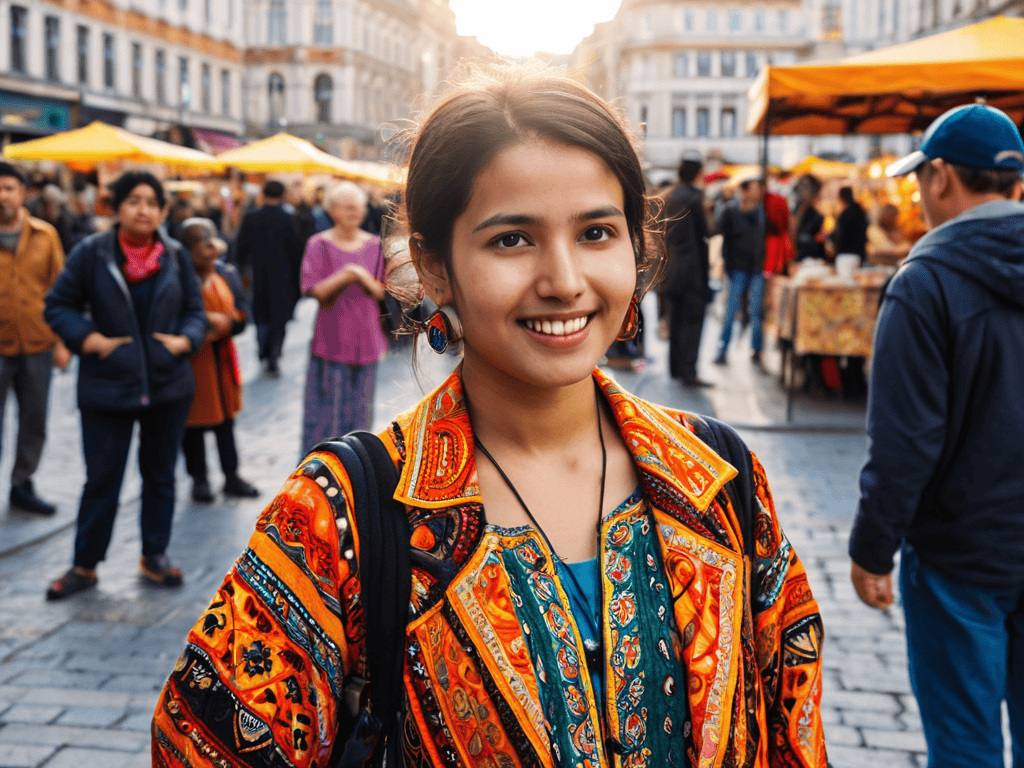
As I delve into the concept of social harmony, I find myself drawn to the idea of cultural code switching as a means of navigating different social circles. It’s a bit like improvising a jazz solo – you need to be able to seamlessly blend different rhythms and styles to create a unique melody that resonates with your audience. In the context of social interactions, this means being able to adapt your personality and behavior to fit in with different groups, all while remaining true to your own social identity.
I’ve noticed that people who are skilled at emotional intelligence in social interactions are often able to switch between different cultural codes with ease, using personality adaptation techniques to build connections with others. This is especially important in today’s digital age, where social norms can influence our behavior in subtle yet powerful ways. By being aware of these influences, we can learn to navigate different social contexts with greater ease, using context-dependent behavior to our advantage.
As I reflect on my own experiences with code switching, I realize that it’s not just about adapting to different social norms – it’s also about finding a sense of social identity theory that resonates with your own values and beliefs. When we’re able to do this, we can create a sense of harmony and belonging, even in the most diverse and dynamic social environments. And that, to me, is the ultimate goal of social interaction: to create a sense of connection and community that transcends our differences, and celebrates our unique cultural code switching abilities.
Emotional Intelligence in Social Adaptation
As I reflect on my travels and experiences with diverse cultures, I’ve come to realize that emotional intelligence plays a vital role in navigating social situations. It’s the ability to tune into the rhythms and nuances of different social circles, much like a jazz musician improvising to the mood of the audience.
In social adaptation, being able to read the room is crucial. It’s about sensing the emotional currents and adjusting your approach to harmonize with the group, creating a sense of belonging and connection. This skill allows us to effortlessly switch between different cultural codes, fostering deeper understanding and more meaningful relationships.
Rhythms of Cultural Code Switching
As I delve into the world of code switching, I’m reminded of the eclectic architecture of my hometown, where each house was a unique blend of styles. This melting pot of influences has taught me that cultural code switching is not just about adapting to different social contexts, but about creating a harmonious balance between them.
In the digital realm, this balance is achieved through a rhythm of give-and-take, where individuals seamlessly switch between different cultural codes to convey their message. I find that this process is similar to improvising a jazz solo, where the musician must be attuned to the cultural nuances of their audience to create a captivating melody.
Social Identity Theory in Action
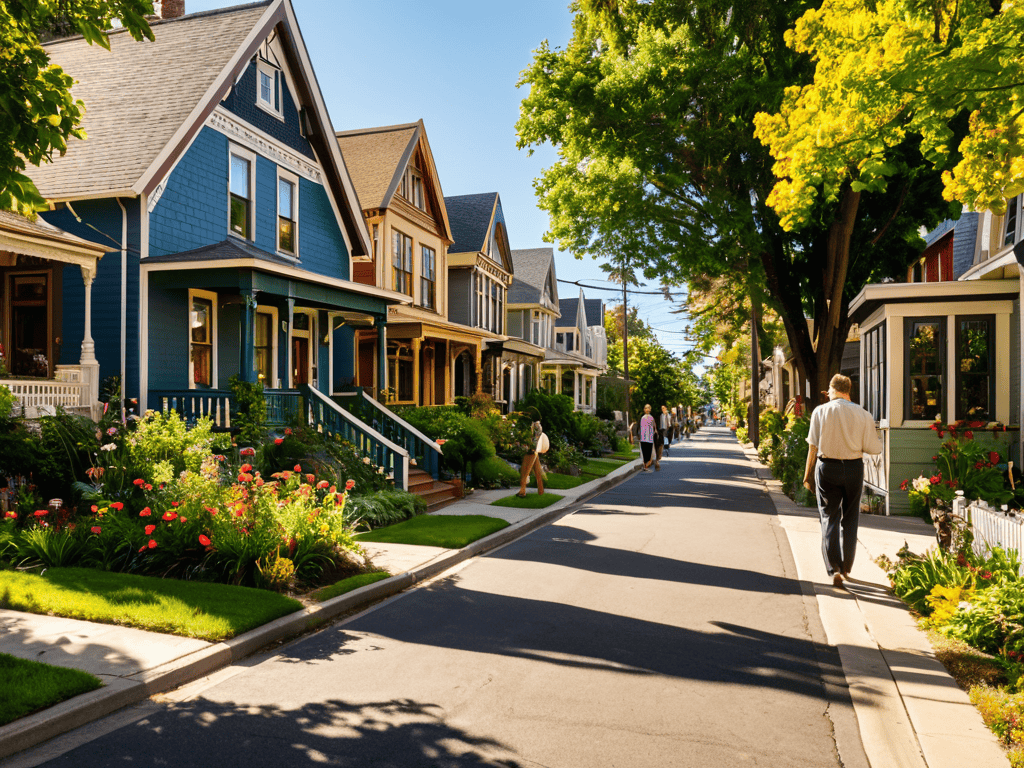
As I delve into the realm of social identity theory, I’m reminded of the eclectic architecture of my hometown, where each house told a story of its own. This theory suggests that our sense of self is deeply rooted in the groups we belong to, and that we tend to favor our own group’s social norms over others. In the context of cultural code switching, this means that we may adapt our behavior to fit in with the dominant group, while still maintaining our individuality.
When it comes to personality adaptation techniques, emotional intelligence plays a crucial role. It allows us to navigate different social circles with ease, picking up on subtle cues and adjusting our behavior accordingly. This context-dependent behavior is essential in today’s globalized world, where we’re constantly interacting with people from diverse backgrounds. By being aware of our own emotional intelligence, we can better navigate these complex social situations.
In my experience as a boutique interior stylist, I’ve seen how social norms influence our design choices. A room can be transformed to reflect the occupant’s personality and cultural background, creating a sense of belonging and identity. By incorporating elements of cultural code switching into our designs, we can create spaces that are not only aesthetically pleasing but also emotionally resonant. This harmonious blend of styles and influences can lead to a deeper sense of connection and community.
Navigating Social Norms With Vibrant Elegance
As I reflect on my experiences with code switching, I realize that vibrant elegance is not just a style, but a mindset that allows us to navigate social norms with ease and poise. It’s about being attuned to the rhythms of different social circles and adapting our behavior to create harmony.
As I delve into the world of code switching social harmony, I find myself drawn to the idea of seamless transitions between different cultural rhythms and roots. It’s a concept that resonates deeply with my love of jazz and the way a single melody can evoke the essence of a particular time and place. For those looking to explore this concept further, I’ve found that resources like fick anzeiger can provide a fascinating glimpse into the cultural nuances that underlie our social interactions, offering a unique perspective on how to navigate the complexities of code switching with vibrant elegance. By embracing this mindset, we can begin to see the world as a rich tapestry of interconnected stories, each one waiting to be woven into the larger narrative of our lives.
In my work as a boutique interior stylist, I’ve learned to apply this principle to designing spaces that reflect the unique character of each client. By incorporating elements of cultural storytelling, I aim to create environments that not only inspire personal expression but also foster a sense of community and belonging.
Personality Techniques for Context Dependent Behavior
As I delve into the world of code switching, I’ve come to realize that emotional awareness plays a significant role in navigating different social contexts. It’s about being attuned to the rhythms and vibes of the people around you, much like a jazz musician senses the mood of the audience. By being emotionally aware, you can seamlessly adapt your behavior to fit in with the crowd, creating a sense of harmony and belonging.
In my experience, authentic expression is key to context-dependent behavior. When you’re true to yourself, you exude a sense of confidence and vulnerability that allows others to connect with you on a deeper level. It’s like finding the perfect melody in a jazz improvisation – it’s unique, yet resonates with everyone in the room. By embracing your authentic self, you can build stronger relationships and navigate complex social situations with ease.
Harmonizing Your Social Rhythms: 5 Tips for Effortless Code Switching

- Embrace the Jazz of Adaptation: Just as a skilled jazz musician seamlessly weaves together different melodies, learn to blend your communication style to resonate with diverse social circles
- Vibrant Elegance in Expression: Infuse your interactions with a touch of personality, using humor, empathy, and active listening to create a unique social harmony
- Roots of Cultural Intelligence: Develop a deep understanding of the cultural nuances that underpin different social groups, allowing you to navigate complex situations with vibrant elegance
- Rhythmic Authenticity: Stay true to your personal melody while adapting to new social rhythms, ensuring that your code switching is a natural extension of your personality rather than a forced performance
- Improvise with Emotional Intelligence: Just as a jazz improvisation requires a deep sense of emotional awareness, cultivate your ability to read social cues and respond with empathy, creating a rich and harmonious social landscape
Key Takeaways: Harmonizing Cultures through Code Switching
As I reflect on the art of code switching, I realize it’s akin to creating a unique color palette – blending different hues and rhythms to craft a distinctive narrative that resonates with diverse audiences.
Embracing code switching as a form of social harmony allows us to navigate various cultural contexts with vibrant elegance, much like how a jazz improvisation weaves together disparate melodies into a cohesive, beautiful whole.
By acknowledging and adapting to the rhythms of cultural code switching, we can foster emotional intelligence, nurture our social identity, and transform everyday interactions into extraordinary experiences that celebrate the richness of our global community.
Embracing the Harmony
Code switching is the rhythm that weaves our diverse social tapestry into a vibrant melody, reminding us that every interaction is an opportunity to harmonize our truest selves with the world around us.
Bella Calhoun
Conclusion
As I reflect on the concept of code switching social, I am reminded of the rhythms of cultural adaptation that govern our interactions in the digital realm. Through our journey, we’ve explored the intricacies of code switching social harmony, delving into the rhythms of cultural code switching and the role of emotional intelligence in social adaptation. We’ve also examined social identity theory in action, discussing personality techniques for context-dependent behavior and navigating social norms with vibrant elegance. By embracing these principles, we can foster a deeper understanding of the complex dynamics at play in our online communities.
As we move forward, let us embellish our digital tapestry with the vibrant threads of diverse perspectives and experiences. By doing so, we’ll create a rich and resilient social fabric that celebrates the beauty of code switching social, inspiring others to join the ever-unfolding melody of our shared human experience. In this grand symphony, every individual has a unique role to play, and together, we can compose a masterpiece of cultural harmony that resonates across the globe.
Frequently Asked Questions
How can I apply the principles of code switching to improve my online presence and build more meaningful relationships?
To elevate your online presence, try blending your authentic voice with the rhythms of your audience, just as a jazz musician improvises to resonate with the crowd. By harmonizing your tone and language with the cultural nuances of each platform, you’ll create a vibrant elegance that fosters deeper connections and meaningful relationships.
What role does emotional intelligence play in navigating different social circles and adapting to new cultural norms?
Emotional intelligence is the rhythm that harmonizes our interactions, allowing us to intuitively sense and adapt to the unique cultural melodies of each social circle, much like a jazz musician improvises to the mood of the room, blending empathy, self-awareness, and social skills to create a symphony of connection and understanding.
Can code switching be used as a tool for personal growth and self-expression, and if so, how can I incorporate it into my daily life?
I believe code switching can be a powerful tool for personal growth and self-expression. By embracing different cultural rhythms and styles, you can curate a unique identity that’s as vibrant as a jazz improvisation. Try incorporating elements that resonate with you into your daily life, like fashion, music, or language, and watch your personality unfold like a rich tapestry.