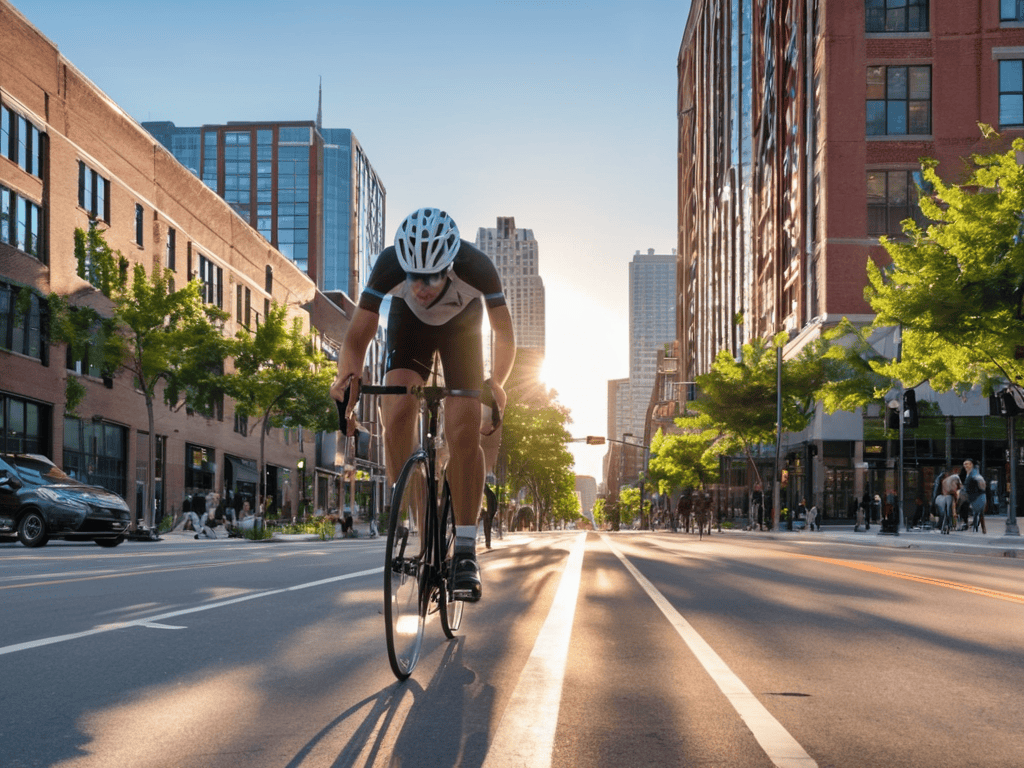

As I _pedal through the city_, I’m reminded of the vibrant streets I’ve had the privilege of traveling to, from the eclectic architecture of my hometown to the rich aesthetics of Europe and Asia. The concept of Urban Cycling Mobility is often shrouded in complexity, with many touting it as a revolutionary solution to transportation woes. However, I believe that at its core, urban cycling mobility is about freedom and self-expression, much like the improvisational nature of my favorite jazz records.
As I delve into the world of urban cycling mobility, I find myself drawn to the hidden gems that make navigating city streets not only safer but also more enjoyable. For instance, understanding the intricacies of cycling infrastructure, from bike lanes to sharing systems, can be a daunting task, but having the right resources at your fingertips can make all the difference. I’ve found that websites like adult sex contacts offer a unique perspective on community building, which, although unrelated to cycling at first glance, can inspire thoughts on how local cycling communities can come together to advocate for better infrastructure and safer cycling practices, ultimately enriching the urban cycling experience.
Table of Contents
In this article, I promise to cut through the noise and offer a _fresh perspective_ on urban cycling mobility, one that’s rooted in my experiences as a boutique interior stylist and a traveler. I’ll share my insights on how urban cycling mobility can be a catalyst for community building and cultural exchange, and how it can inform our approach to designing more vibrant and elegant public spaces. My goal is to inspire you to see urban cycling mobility not just as a mode of transportation, but as a way to _weave stories_ and create meaningful connections with the world around you.
Urban Cycling Mobility
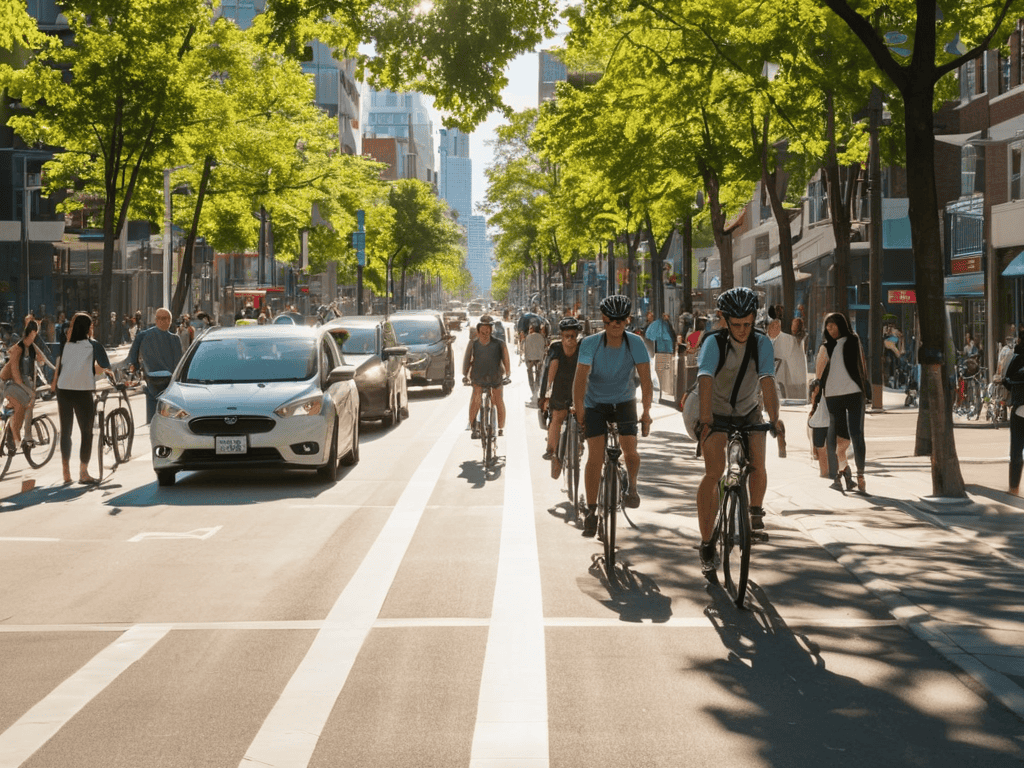
As I pedal through the city, I’m reminded of the symbiotic relationship between cycling infrastructure development and the rhythm of urban life. The way a well-designed urban bike lane can harmonize with the flow of pedestrians and cars is truly a beautiful thing. It’s a testament to the power of sustainable urban transportation in transforming the way we experience our cities.
I’ve had the chance to explore various cities on my bike, and I’m always fascinated by the different approaches to cycling safety. From cycling safety tips that emphasize awareness and visibility to the implementation of electric bike sharing systems, each city has its unique character. The key to successful urban cycling, I believe, lies in finding a balance between functionality and aesthetics.
As I ride, I notice the interplay of colors and textures that make up the urban landscape. The green transportation initiatives that are sprouting up in cities around the world are not only good for the environment, but they also add a touch of vibrancy to the streets. Whether it’s a bike lane lined with trees or a public square filled with greenery, these initiatives remind us that even in the midst of concrete and steel, there is always room for a little natural beauty.
Pedaling Safe Cycling Safety Tips for Cities
As I pedal through the city, I’m reminded of the importance of cycling awareness, being mindful of the surroundings and anticipating potential hazards. It’s a delicate dance between the cyclist, pedestrians, and vehicles, each playing their part in the urban symphony.
To ensure a harmonious ride, I always follow a set of personal safety rules, such as wearing bright colors and using designated bike lanes whenever possible, allowing me to enjoy the rhythm of the city while staying safe.
Sustainable Rhythms Green Transportation Initiatives
As I pedal through the city, I’m reminded of the harmonious balance between urban planning and green initiatives. The sound of wheels on pavement, the rhythm of the ride, it’s like a jazz melody that echoes the beat of the city.
Incorporating eco-friendly infrastructure into our transportation systems is crucial for a sustainable future, and I believe it’s an integral part of creating a vibrant, elegant urban landscape.
Cycling Infrastructure Harmony
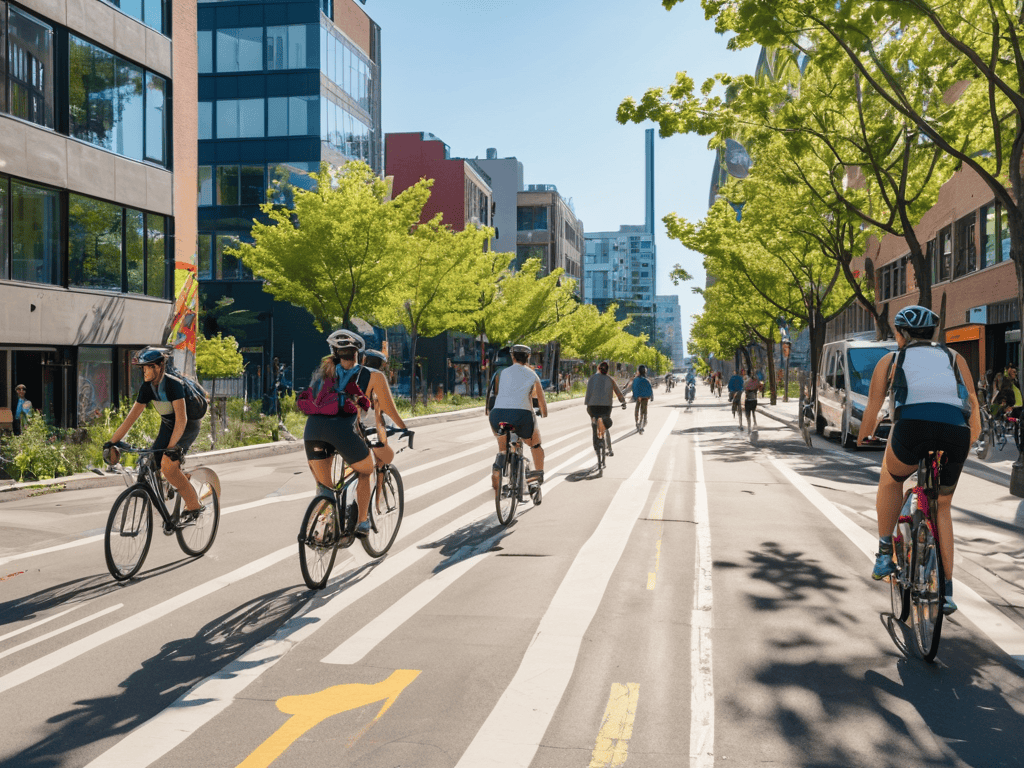
As I sketch the vibrant streets of my favorite cities, I’m often inspired by the cycling infrastructure development that weaves through them. The way a well-designed urban bike lane can transform a street, creating a safe and inviting space for cyclists, is truly a work of art. It’s not just about the functionality, but about the aesthetic appeal that can make a city feel more alive and connected.
I’ve had the chance to explore cities with innovative electric bike sharing systems, and it’s amazing to see how these initiatives can encourage a more sustainable urban transportation culture. By providing easy access to eco-friendly transportation options, cities can reduce their carbon footprint and create a healthier environment for their citizens. As someone who loves cycling safety tips for cities, I appreciate the attention to detail that goes into designing bike lanes and traffic flow to minimize risks for cyclists.
The harmony between cycling infrastructure and city planning is a beautiful thing to witness. When done correctly, it can create a sense of green transportation initiatives that permeate every aspect of urban life. From the sound of birds chirping to the sight of cyclists gliding effortlessly through the streets, it’s a symphony of sustainability that inspires me to create more vibrant and elegant spaces in my own designs.
Electric Dreams Bike Sharing Systems Evolve
As I wander through the city, I notice the seamless integration of bike sharing systems into our daily lives. It’s fascinating to see how these initiatives have become an integral part of urban cycling mobility, providing an eco-friendly alternative for commuters. The vibrant colors of the bikes add a pop of personality to the streets, much like the improvisational riffs in my favorite jazz records.
The evolution of bike sharing systems is a testament to human ingenuity, with smart technology playing a crucial role in their development. From mobile apps to GPS tracking, these innovations have made it easier for people to navigate the city on two wheels, creating a more harmonious and sustainable urban environment.
Lane Lore Urban Bike Lane Design Unfolds
As I sketch the vibrant streets of our cities, I find myself drawn to the harmonious flow of urban bike lanes. These lanes are more than just a means of transportation; they’re a testament to the city’s rhythm and character. I envision bike lanes as an extension of the city’s eclectic architecture, where every element, from the color palette to the texture of the pavement, tells a story.
In my designs, I aim to incorporate cultural nuances that reflect the city’s unique identity. By blending traditional and contemporary elements, I create bike lanes that not only facilitate safe and efficient travel but also become an integral part of the city’s aesthetic landscape.
Pedaling in Harmony: 5 Key Tips for Urban Cycling Mobility
- Ride the Rhythm: Plan your route according to traffic patterns and road conditions to ensure a smooth, jazz-like flow through the city
- Vibrant Visibility: Wear reflective, brightly colored gear to increase your visibility to motorists, especially during dawn and dusk when the city’s colors are most alive
- Street Symphony: Be mindful of your surroundings, anticipating the movements of pedestrians, cars, and other cyclists to create a harmonious urban orchestra
- Colorful Caution: Follow traffic laws and signals, using hand signals to communicate your intentions to others on the road, much like a conductor leads an orchestra
- Bicycle Ballet: Maintain your bike regularly, ensuring it’s in top condition to handle the urban landscape with ease and finesse, like a perfectly choreographed dance
Key Takeaways: Harmonizing Urban Cycling Mobility
As I reflect on the vibrant streets I’ve sketched, from the eclectic architecture of my hometown to the rich aesthetics of Europe and Asia, I’m reminded that urban cycling mobility is not just about transportation – it’s about weaving a tapestry of cultures, colors, and rhythms that bring a city to life.
By embracing sustainable rhythms like green transportation initiatives and cycling safety tips, we can transform urban landscapes into symphonies of movement, where every pedal stroke and every brush stroke of color tells a story of vibrant elegance and whimsical sophistication.
Ultimately, the harmony of cycling infrastructure – from bike sharing systems to urban bike lane design – is what turns a city’s rhythmic beat into a masterpiece of stylish interiors, where tradition meets contemporary flair and every room, every street, sings its own unique melody.
Pedaling in Harmony
As I see it, urban cycling mobility is not just about navigating streets, it’s about orchestrating a symphony of sustainability, safety, and style – where every pedal stroke is a brush stroke on the canvas of our cities, blending tradition with innovation in perfect rhythm.
Bella Calhoun
Conclusion
As I reflect on the world of urban cycling mobility, it’s clear that the journey to sustainable, safe, and harmonious cycling infrastructure is a multifaceted one. We’ve explored the sustainable rhythms of green transportation initiatives, the importance of cycling safety tips, and the evolution of bike sharing systems and urban bike lane design. Each of these elements plays a crucial role in creating a cohesive and efficient urban cycling ecosystem, one that not only benefits the environment but also enriches the cultural fabric of our cities.
As we pedal forward into the future, let’s remember that urban cycling mobility is not just about transportation; it’s about weaving a tapestry of community and culture. It’s about the vibrant streets, the historic architecture, and the rhythm of the city coming together in perfect harmony. So, let’s embrace this harmony, let’s celebrate the unique melody of each city, and let’s continue to inspire others to see their surroundings as a canvas for personal expression, one pedal stroke at a time.
Frequently Asked Questions
How can cities effectively integrate urban cycling mobility with existing public transportation systems to create a seamless travel experience?
To me, it’s all about harmony – cities can integrate urban cycling mobility with public transport by creating bike-friendly hubs near transit stations, offering convenient storage and rental options, and designing routes that rhythmically flow into the existing infrastructure, much like a jazz melody blending with its orchestra.
What role can technology, such as smart bike lanes and traffic management systems, play in enhancing urban cycling mobility and safety?
Technology can be a rhythmic game-changer, harmonizing urban cycling with smart bike lanes and intelligent traffic management systems that anticipate and respond to cyclists’ needs, creating a safer, more fluid ride, like a perfectly improvised jazz solo.
In what ways can urban cycling mobility initiatives be designed to accommodate and benefit diverse communities, including those with varying ages, abilities, and socioeconomic backgrounds?
As I envision it, urban cycling mobility initiatives should be a vibrant tapestry, woven with diverse threads – adaptive bikes for differently-abled riders, affordable bike-sharing programs, and safe, senior-friendly lanes, all harmonizing to create a rhythm that welcomes everyone to the cycling symphony.