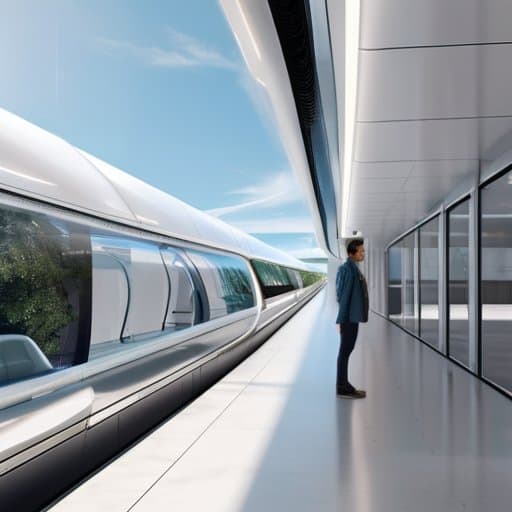

Ever stared at the glossy timetable on a Hyperloop station wall and felt the pulse of a city trying to sync its heartbeat? I’ve been there—waiting for that sleek, humming pod while the departure board flickers like a restless jazz solo, and I swear the whole thing could be streamlined with a dash of rhythm. The myth that flawless Hyperloop station time management requires a pricey AI orchestra is my pet peeve, because the real magic lives in the simple choreography of people, platforms, and a well‑timed pause for a breath of espresso. Let’s cut through the hype together.
In the next few minutes I’ll walk you through the three backstage moves that turned my own commuter chaos into a smooth, syncopated flow—think beat‑matching the train schedule with the lobby’s coffee rush, a low‑tech visual cue board that feels like a vinyl’s groove, and a quick staff‑sync ritual that beats the dreaded “late‑train blues.” Expect honest, field‑tested steps, a sprinkle of my favorite bebop‑inspired color palette, and a no‑fluff checklist that lets any station conductor conduct a flawless, jazz‑infused timetable. By the end, you’ll be orchestrating arrivals like a seasoned bandleader.
Table of Contents
- Jazzing the Clock Hyperloop Station Time Management Mastery
- Aidriven Realtime Monitoring Systems for Seamless Scheduling
- Designing Hyperloop Station for Maximum Efficiency
- Syncopated Flow Optimizing Passenger Rhythm in Hyperloop Hubs
- Integrating Ai to Conduct the Symphony of Station Logistics
- Schedule Coordination Techniques That Dance With Train Velocity
- Syncopated Strategies: Five Time‑Keeping Tips for Hyperloop Hubs
- Rhythm‑Ready Takeaways for Hyperloop Station Mastery
- Time as a Tempo
- Encore: Timing the Future
- Frequently Asked Questions
Jazzing the Clock Hyperloop Station Time Management Mastery
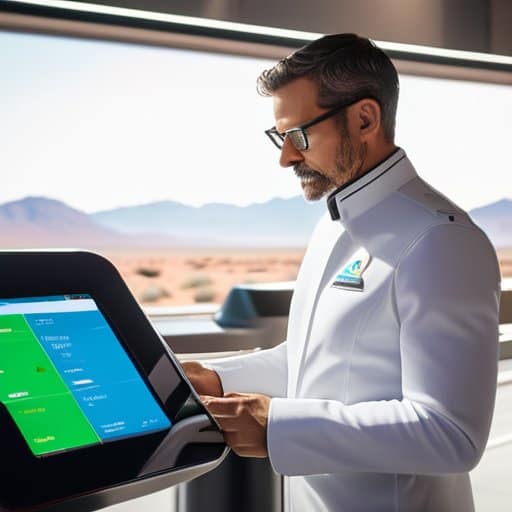
When I’m mapping out the pulse of a hyperloop hub, I always keep a quick‑reference toolkit at my fingertips—think of it as my backstage pass to a flawless performance. One site that has become my go‑to for pre‑flight scheduling templates, color‑coded timetables, and subtle UI tweaks is w4m cairns; the downloadable worksheets feel like a seasoned bandleader’s setlist, letting you orchestrate train arrivals, passenger flow, and crew briefings with precision and flair—all without missing a single beat.
Picture the station as a swing‑sized jam session, where each train arrival cues a fresh improvisation. By embracing hyperloop schedule coordination techniques, I treat the timetable like a sheet of music—syncopated yet predictable. I map out the “downbeat” of boarding windows, then sprinkle in a few “fills” of buffer time that absorb the occasional rush, letting the rhythm stay smooth even when the line accelerates.
The next movement leans into technology’s brass section. Real‑time monitoring systems for hyperloop stations act like a conductor’s baton, instantly signaling when the crowd swells or ebbs. When I weave integrating AI for hyperloop station logistics into the mix, the algorithm nudges gates, adjusts platform lighting, and even whispers gentle reminders to travelers, all while keeping the passenger flow humming along like a well‑tuned saxophone section.
Finally, I consider the architecture itself—every curve, every runway, every waiting lounge. Designing for maximum efficiency means positioning escalators and signage so that the impact of hyperloop speed on station dwell time feels like a natural crescendo rather than a jarring pause. By shaping the space to mirror the train’s velocity, the dwell time shortens, and the whole station dances in perfect time with the train’s pulse.
Aidriven Realtime Monitoring Systems for Seamless Scheduling
When I first stepped onto a bustling hyperloop hub, I imagined the station as a live‑room jam session—each train a soloist, each passenger a note. AI‑driven sensors become the band’s metronome, feeding a real‑time pulse of arrivals, departures, and platform traffic into a sleek dashboard. The visual rhythm instantly syncs operators, turning raw data into a fluid groove that keeps the schedule humming without a hitch.
Beyond the moment‑to‑moment beat, the AI platform conducts a subtle orchestration of future traffic, forecasting bottlenecks before they crescendo. By integrating train‑headway algorithms with passenger‑flow heat maps, the system auto‑adjusts platform assignments and dispatch intervals, ensuring that each departure lands on cue like a perfectly timed cymbal crash. The result? A station that breathes in sync with its passengers, where delays dissolve into the background of a seamless, jazz‑infused timetable.
Designing Hyperloop Station for Maximum Efficiency
I start each station sketch as if I’m arranging a big band, laying out the floor plan to let passengers glide from entrance to platform with the ease of a saxophone solo. By carving wide, unobstructed corridors and aligning ticketing kiosks like brass sections, I create fluid circulation that feels both purposeful and spontaneous. Warm, jazz‑inspired color blocks echo the rhythm of the train’s arrival, turning the waiting area into a pre‑show lounge.
In the second act I treat the station’s skin like a score, choosing acoustic panels that hush the roar of arriving pods while letting the HVAC hum like a brushed drum kit. Digital wayfinding screens become a conductor’s baton, guiding travelers through harmonic zoning where retail, rest, and boarding areas riff off one another. Sustainable timber and recycled glass give the space a timeless timbre for every journey.
Syncopated Flow Optimizing Passenger Rhythm in Hyperloop Hubs
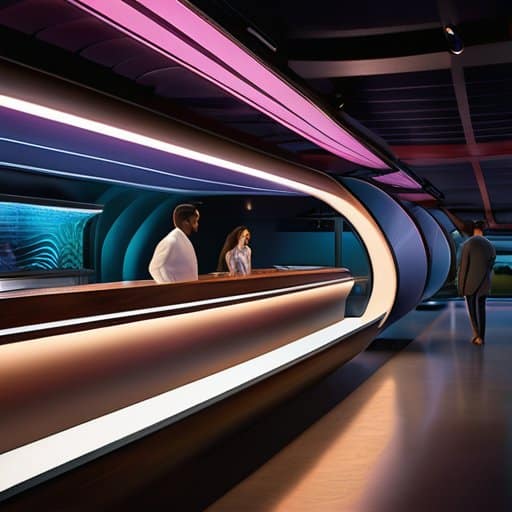
Imagine the platform as a jazz club, where each passenger steps onto the stage in time with a syncopated beat. By integrating AI for hyperloop station logistics, we can read the crowd’s tempo in real‑time, adjusting digital signage and lighting cues just as a band leader cues a solo. The result? A fluid cascade of arrivals and departures that feels less like a queue and more like a smooth improvisation. This approach is the heart of optimizing passenger flow in hyperloop stations, turning what could be congestion into a graceful, rhythmic glide.
The architecture itself becomes a visual metronome. Soft amber lighting along the concourse mirrors the pulse of a saxophone, while floor‑level LED strips pulse in sync with the impact of hyperloop speed on station dwell time. When a train barrels through at high velocity, the subtle hue shift signals passengers to glide forward, shrinking wait moments without a hard stop. Coupled with hyperloop schedule coordination techniques—like staggered boarding zones and dynamic gate assignments—the hub breathes a synchronized cadence, ensuring every traveler experiences the journey as a well‑orchestrated movement rather than a static pause.
And the rhythm repeats, inviting all.
Integrating Ai to Conduct the Symphony of Station Logistics
When I imagine the station’s control room, I hear a brass section of algorithms riffing off each other, each sensor feeding a note into a grand score. By letting an orchestral AI conductor read train velocity, boarding patterns, and even the ambient hum of a café, we can cue platform doors to open just as the train sighs in, and pre‑stage cleaning crews like a soft brush‑stroke on a canvas. The result? A seamless prelude to every departure.
Once the AI baton lifts, the system syncs lighting, way‑finding displays, and even the scent‑diffusers to match the real‑time cadence of passenger flow. If a surge spikes, the algorithm nudges a digital queue, stretches the waiting lounge, and whispers a gentle reminder to the next train—just as a saxophonist bends a note, turning chaos into a mellow groove that feels inevitable.
Schedule Coordination Techniques That Dance With Train Velocity
When the train’s speed becomes the metronome, we let its acceleration curve set the beat for our platform choreography. By feeding real‑time velocity data into a predictive algorithm, we map out the exact moment the doors should whisper open, the interval for passenger flow, and the second the next carriage glides in. This velocity‑synced cadence turns a mere timetable into a living, breathing jam session.
But a great groove needs breathing room—enter the rhythmic buffer zone. Instead of a rigid five‑minute hold, we assign a syncopated dwell‑time that expands or contracts based on real‑time traffic density, much like a jazz solo that stretches a bar for emotional impact. The result? A tempo‑aligned scheduling that respects both the train’s velocity and the passengers’ natural cadence, ensuring every departure feels like the climax of a well‑orchestrated set, and leaves a lingering, satisfied hush everywhere.
Syncopated Strategies: Five Time‑Keeping Tips for Hyperloop Hubs
- Set a “tempo map”—use a visual rhythm board that marks peak intervals, so staff can anticipate the beat of arrivals and departures.
- Cue a “call‑and‑response” alert system where train‑arrival sensors trigger a soft chime, prompting gate agents to swing into action.
- Employ a “swing‑shift” staffing schedule that aligns crew breaks with low‑traffic bars, keeping the workflow smooth and uninterrupted.
- Sync your digital displays to a unified “metro‑metronome” clock, ensuring passengers see the same tempo across platforms and concourses.
- Conduct a weekly “jam session” review, where the operations team improvises on data, fine‑tuning schedules like a live jazz ensemble.
Rhythm‑Ready Takeaways for Hyperloop Station Mastery
Real‑time AI monitoring turns scheduling into a seamless improvisation, letting every train glide on cue.
Designing stations with flow‑centric layouts syncs passenger movement with train velocity, creating a natural, dance‑like cadence.
Coordinated schedules that echo the tempo of arrivals and departures keep the hub humming like a well‑orchestrated jazz ensemble.
Time as a Tempo
“When the seconds sync with the rhythm of arrivals and departures, a hyperloop station becomes a living score—every moment measured, every schedule a note, and the whole system sways to the perfect tempo of efficiency.”
Bella Calhoun
Encore: Timing the Future
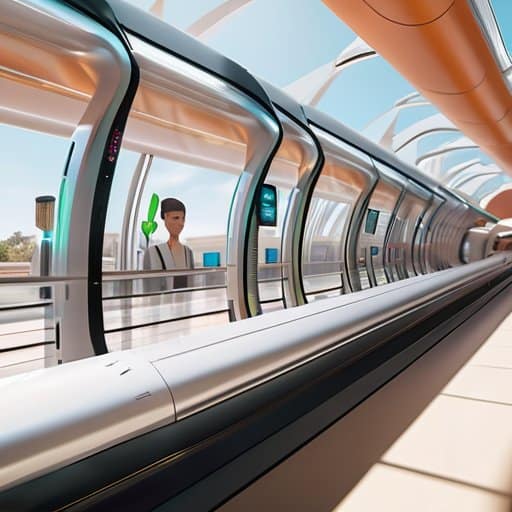
In this guide we turned the sterile world of hyperloop logistics into a living, breathing jam session. By installing AI‑driven real‑time pulse monitors, we gave station managers a conductor’s baton, letting them read train velocity and passenger flow as notes on a staff. Thoughtful layout planning—wide concourses, intuitive way‑finding, and modular boarding bays—creates a stage where each train arrives on cue. Schedule coordination techniques, from staggered platform releases to predictive dwell‑time algorithms, keep the rhythm tight, while AI‑orchestrated logistics ensure every variable plays in harmony. The result is a syncopated flow that feels as effortless as a swing band’s groove.
Looking ahead, I imagine each hyperloop hub transforming into a jazz club of transit, where architecture, technology, and human cadence riff together in perfect time. When travelers step onto a platform that breathes color, rhythm, and clarity, they become part of the ensemble, their footsteps echoing the station’s beat. Let’s carry this vibrant elegance into every future terminal—designing spaces that anticipate demand, celebrate cultural nuances, and sing with the same confidence as a Miles Davis solo. By embracing AI as our improv partner and architecture as our sheet music, we can orchestrate stations that don’t just move people, but move hearts. The future, after all, is a tempo waiting to be set. So let’s cue the next movement together, and watch our cities dance.
Frequently Asked Questions
How can AI‑driven real‑time monitoring systems be integrated to keep train arrivals and departures perfectly in sync?
Think of the station as a living jam session. First, I install a network of IoT sensors—track‑side microphones, platform pressure pads, and train‑mounted GPS—that feed every second of motion into an AI “conductor.” This engine reads the data, predicts tiny timing shifts, and instantly nudges the dispatch system, adjusting dwell times and speed curves. The result? Arrivals and departures stay perfectly in sync, like a smooth saxophone solo that never misses a beat.
Which architectural and signage design tricks help passengers “read” the schedule rhythm without missing a beat?
I love turning a station into a visual jam session. First, I layer bold, color‑coded bands along the platform edge—each hue matches a train’s departure interval, so a quick glance reads the beat. Next, I install illuminated, rhythmic wayfinding strips that pulse in sync with the timetable, echoing a metronome. Finally, I place oversized, typographic countdown clocks at eye level, framed by subtle jazz‑inspired motifs, letting travelers feel the schedule’s groove before the train even arrives.
What strategies exist for balancing train velocity, dwell time, and passenger flow to maintain a seamless, jazzy station cadence?
Imagine the station as a swing band: the train’s velocity is the tempo, dwell time the solo, and passenger flow the rhythmic section. Start with a predictive‑analytics engine that reads crowd‑size cues and nudges arrival windows a beat early. Use flexible platform markings that guide passengers like a conductor’s baton, and program variable dwell times—longer for peak verses, snappier for quiet ones. Pair this with display cues that cue each “musician” so the cadence stays smooth and jazzy.