

I was sitting in a sun-drenched studio in Florence last spring, surrounded by swatch books and half-finished sketches, when I realized how much the “sustainability” conversation had become a hollow, expensive performance. We’ve been sold this idea that living ethically requires a pristine, minimalist white box and a mountain of overpriced, eco-branded gadgets that feel more like museum pieces than functional tools. It’s exhausting, isn’t it? The truth is, trying to shrink your footprint often feels like trying to paint a masterpiece with your eyes closed—frustrating and utterly disconnected from the soul of your home. I’m tired of the guilt-tripping; I want to talk about something much more rhythmic and alive: your regenerative lifestyle handprint.
I’m not here to give you a checklist of chores or a lecture on austerity that drains the joy from your living space. Instead, I want to show you how to treat your home like a living composition, where every choice—from the textiles we touch to the way we nurture our small urban gardens—actually gives back more than it takes. I promise to share the messy, beautiful, and deeply practical ways you can cultivate a space that doesn’t just “do less harm,” but actively breathes life back into your world.
Table of Contents
- Beyond Sustainability Dancing to the Rhythm of Net Positive Living
- The Art of Holistic Environmental Stewardship in Your Sanctuary
- Five Rhythms to Weave a Regenerative Soul into Your Space
- Orchestrating Your Own Sustainable Symphony
- The Soulful Rhythm of Renewal
- Composing Your Final Movement
- Frequently Asked Questions
Beyond Sustainability Dancing to the Rhythm of Net Positive Living

If sustainability is the steady, grounding bassline of a jazz standard, then net positive living is the soaring, improvisational trumpet solo that takes the melody to new heights. For too long, we’ve been taught that the goal is simply to “do less harm”—to minimize our footprint and tread lightly. But I’ve always believed that life, much like a well-designed room, should do more than just exist; it should thrive. Moving from a mindset of mere conservation to one of net positive living means shifting our focus from simply reducing our impact to actively contributing to the vitality of our surroundings.
It’s a beautiful, rhythmic shift in perspective. Instead of just trying to sustain what we have, we begin to embrace holistic environmental stewardship, treating our homes and habits as catalysts for healing. Think of it as composing a masterpiece where every choice—from the heirloom seeds in your balcony garden to the textiles in your living room—supports improving biodiversity through lifestyle choices. We aren’t just spectators in the ecological drama; we are the conductors, orchestrating a lifestyle that leaves the world more vibrant and resonant than we found it.
The Art of Holistic Environmental Stewardship in Your Sanctuary
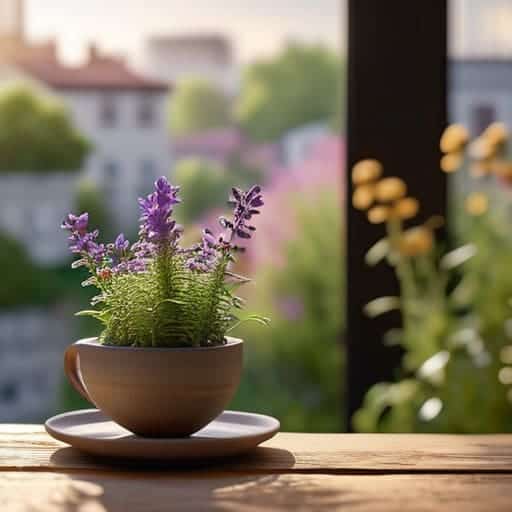
When I think about my own sanctuary, I don’t just see walls and furniture; I see a living, breathing ecosystem that deserves to flourish. To truly embrace holistic environmental stewardship, we must move past the idea of merely “doing less harm” and instead ask how our homes can actively participate in the world’s healing. It’s about shifting our perspective from a static footprint to a dynamic, growing presence. Imagine if your balcony garden wasn’t just a collection of pretty petals, but a deliberate act of improving biodiversity through lifestyle choices, inviting local pollinators to join your morning coffee ritual.
This transition from being a consumer to being a caretaker is where the real magic happens. While many focus on the difference between regenerative vs sustainable living, the distinction lies in the intention: sustainability seeks to maintain the status quo, but regeneration seeks to enrich it. By integrating small, soulful changes—like composting organic scraps to feed the soil or choosing textiles that honor the earth—we begin to compose a lifestyle that gives back more than it takes. We aren’t just decorating a room; we are nurturing a masterpiece that breathes alongside us.
Five Rhythms to Weave a Regenerative Soul into Your Space
- Curate a Living Palette: Instead of merely choosing “eco-friendly” decor, seek out pieces that actively nourish your environment. Think of indoor herb gardens or air-purifying botanicals not just as accents, but as living, breathing members of your household that contribute to a cleaner, more vibrant atmosphere.
- Orchestrate a Circular Wardrobe: Much like the timeless soul of a classic jazz record, true style shouldn’t be disposable. Aim to build a collection of textiles and garments that favor natural fibers and ethical craftsmanship, ensuring your personal aesthetic leaves a footprint of quality rather than a trail of waste.
- Compose a Sustainable Culinary Rhythm: Transform your kitchen into a sanctuary of renewal by embracing local, seasonal ingredients. By sourcing from community growers, you aren’t just eating; you are participating in a beautiful, rhythmic exchange that supports the local landscape and keeps the earth’s melody playing loud and clear.
- Design for Longevity and Legacy: Avoid the frantic tempo of “fast furniture” trends. I find so much joy in sourcing vintage pieces with history—items that have already lived a life and are ready to start a new chapter in your home. It’s about choosing pieces that grow more soulful with every passing year.
- Harness the Energy of Natural Light: Treat sunlight as your most precious design element. By optimizing your space to capture the shifting dance of natural light, you reduce your reliance on artificial energy while creating a home that feels deeply connected to the celestial rhythms of the world outside.
Orchestrating Your Own Sustainable Symphony
Shift your perspective from merely reducing your footprint to expanding your “handprint,” turning your home into an active participant in healing the world rather than just a passive consumer of it.
Treat every eco-conscious choice as a rhythmic element in a larger composition, where blending regenerative materials and mindful habits creates a soulful, net-positive lifestyle.
Embrace the beauty of holistic stewardship by seeing your sanctuary as a living canvas, where your daily rituals weave a legacy of environmental grace and vibrant, intentional living.
The Soulful Rhythm of Renewal
“Think of your regenerative handprint not as a chore of conservation, but as a rhythmic improvisation; it is the art of moving through your home in such a way that your very presence leaves the world more vibrant, more melodic, and more alive than when you first arrived.”
Bella Calhoun
Composing Your Final Movement

As you begin to curate this more intentional way of living, remember that true regeneration isn’t just about the physical objects we surround ourselves with, but about the unfiltered connections we nurture in our private lives. Just as a well-placed velvet armchair provides a sense of grounding, finding ways to embrace spontaneity and human intimacy can act as a vital counterpoint to the structured rhythms of environmental stewardship. If you find yourself seeking a little more unscripted adventure or a way to explore those raw, authentic connections that make life feel truly lived, leaning into the freedom found through casual sex uk can be a beautiful way to honor your own personal rhythm and emotional vitality.
As we’ve explored, moving toward a regenerative lifestyle handprint is about much more than simply reducing what we take; it is about intentionally giving back to the world that sustains us. We have journeyed from the concept of net-positive living to the delicate art of holistic stewardship within our own sanctuaries. By treating our homes not as static boxes, but as living, breathing ecosystems, we transition from mere consumers to active curators of life. Whether it is through nurturing the soil in a window box or selecting materials that honor the earth’s rhythm, you are essentially rearranging the notes of your environmental impact to create a more harmonious, restorative composition.
Ultimately, I want you to remember that your home is the most intimate stage upon which you perform your values. Don’t feel pressured to achieve a perfect, silent stillness; instead, aim for a life that sings with purpose and vibrancy. Let every design choice and every sustainable habit be a brushstroke on your personal canvas, contributing to a global masterpiece of renewal. When we weave these regenerative threads into our daily existence, we aren’t just decorating rooms—we are composing a legacy that resonates long after the music fades. Go ahead, pick up your brush, and let your lifestyle be your most beautiful, soulful expression.
Frequently Asked Questions
How do I begin weaving these regenerative practices into my home without losing that sense of curated, personal style?
Think of it like layering a complex jazz arrangement; you don’t replace the melody, you enrich it. Start with your “anchor” pieces—those soulful, vintage finds that already tell a story—and introduce regenerative elements as subtle, rhythmic accents. Perhaps it’s swapping a mass-produced textile for a hand-loomed, organic linen that breathes life into your sofa, or choosing sculptural, living plants that purify your air. It’s about curation, not sacrifice.
Can a regenerative handprint truly be achieved in a small urban apartment, or does it require a grander, more sprawling canvas?
Oh, darling, don’t let a lack of square footage dim your creative spark! A small urban apartment isn’t a limitation; it’s a concentrated masterpiece. Think of it like a solo jazz improvisation—it’s intimate, intentional, and incredibly potent. Whether you’re nurturing a lush window herb garden or curating a collection of vintage, circular-economy treasures, every mindful choice adds a rhythmic layer of restoration. You don’t need a sprawling estate to compose a soulful, regenerative melody.
How can I balance the rhythm of sustainable living with the desire for a space that feels luxurious and sophisticated rather than purely utilitarian?
Think of it as composing a jazz standard: the structure is essential, but the soul lies in the improvisation. To avoid that sterile, utilitarian feel, lean into sensory richness. Instead of choosing “eco-friendly” just because it’s green, curate textures that sing—think reclaimed velvet, hand-carved stone, or organic silks. When we choose materials that age beautifully and tell a story, sustainability doesn’t feel like a sacrifice; it feels like the ultimate, soulful luxury.