

I remember sitting on a velvet floor cushion in a sun-drenched studio in Florence, surrounded by swatches of terracotta and ochre, feeling utterly discordant. My mind was racing like a frantic bebop solo, jumping from client deadlines to the uneven rhythm of my own breathing, making the idea of stillness feel less like peace and more like a chore. Most gurus will tell you that you need a pristine sanctuary, expensive linen robes, or a total lifestyle overhaul to find zen, but let’s be honest: that’s just more clutter in an already crowded life. If you are searching for how to start a daily meditation practice without turning your living room into a high-priced wellness retreat, you are already ahead of the curve.
I’m not here to sell you on a mystical transformation or a flawless state of emptiness; I’m here to help you find your own inner tempo. My approach is less about achieving perfection and more about learning how to harmonize the chaotic melodies of your daily existence. I promise to share the practical, unvarnished ways I weave stillness into my creative process, offering you a guide that is as real and textured as a well-loved jazz record.
Designing a Sanctuary Creating a Meditation Space at Home
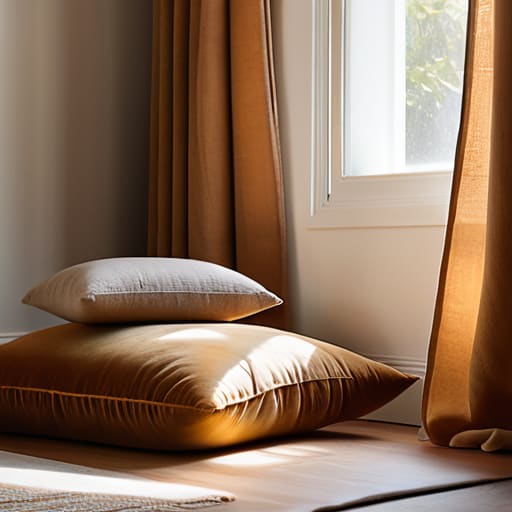
Designing a sanctuary isn’t about finding a spare room; it’s about curating a corner that sings with stillness. When I’m sketching new palettes, I often think about how certain hues can lower the heart rate, much like a slow, sultry Miles Davis trumpet solo. To begin creating a meditation space at home, I suggest looking for a nook that catches the softest morning light. You don’t need much—perhaps a single, velvet floor cushion in a deep ochre or a textured linen throw that feels like a gentle embrace. The goal is to design a visual “hush” that signals to your brain it is time to transition from the frantic tempo of the day into something more soulful.
Think of this space as your personal gallery of calm. Incorporating elements like a small brass singing bowl or a single, sculptural branch in a ceramic vase can ground your senses. While searching for meditation for beginners tips, many people focus solely on the mental aspect, but I believe the tactile environment is just as vital. When your surroundings reflect a sense of intentionality and curated beauty, your practice stops feeling like a chore and starts feeling like a luxurious retreat into your own inner rhythm.
Finding Your Rhythm Meditation for Beginners Tips
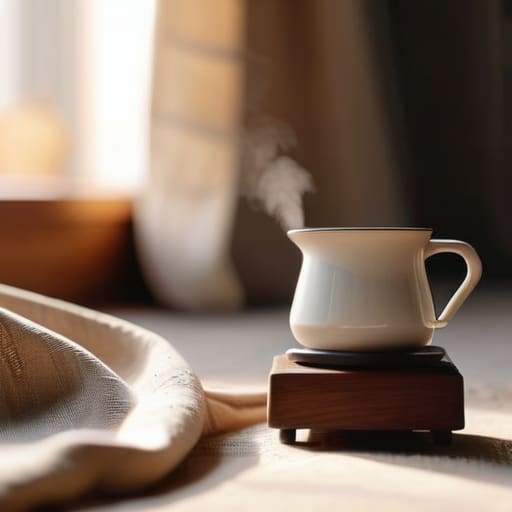
Stepping into the world of stillness can feel a bit like trying to improvise a solo on a brand-new saxophone—there’s a natural tendency to overthink the notes. When searching for meditation for beginners tips, I always suggest leaning into the tempo of your own life rather than forcing a rigid structure. You don’t need to sit in perfect lotus position for an hour to reap the benefits of daily mindfulness. Start small, perhaps with just five minutes of quiet observation, treating it like a soft, introductory melody before building into a full crescendo of presence.
The real magic, however, lies in finding your unique cadence. Some find their flow in the crisp, blue light of dawn, while others prefer the velvet stillness of twilight; truly, the best time of day to meditate is simply whenever you can most authentically show up for yourself. If your mind begins to wander—and trust me, it will dance away like a stray jazz riff—don’t fret. Gently guide your attention back to your breath, using simple meditation breathing exercises to anchor your spirit back to the present moment.
Curating Your Inner Composition: Five Rhythms for a Soulful Practice
- Treat your practice like a vintage jazz solo—don’t strive for perfection, but rather for a seamless flow. If your mind wanders to a frantic bebop rhythm, don’t fight it; simply acknowledge the note and gently guide your focus back to the steady, grounding bassline of your breath.
- Anchor your routine to a sensory cue, much like how a specific color palette can evoke a certain mood in a room. Perhaps it’s the scent of sandalwood or the soft glow of a sunset-hued lamp; creating this aesthetic ritual tells your subconscious that it’s time to transition from the noise of the world into a state of grace.
- Start with “micro-sessions” rather than an overwhelming symphony. Just as I wouldn’t attempt to redesign an entire Parisian loft in a single afternoon, don’t pressure yourself to sit for an hour. Five minutes of intentional, rhythmic breathing is far more transformative than thirty minutes of restless frustration.
- Layer in your intentions like textures in a well-designed space. Before you close your eyes, choose a “color” for your mental state—perhaps a calming cerulean for peace or a warm ochre for gratitude—and let that singular intention guide your internal landscape during the silence.
- Embrace the beauty of the “unscripted” moments. Some days your meditation will feel as structured and elegant as a classical concerto, while others will feel improvisational and messy. Both are essential parts of your personal design; allow yourself the grace to simply exist within the rhythm of the present.
Composing Your Final Note
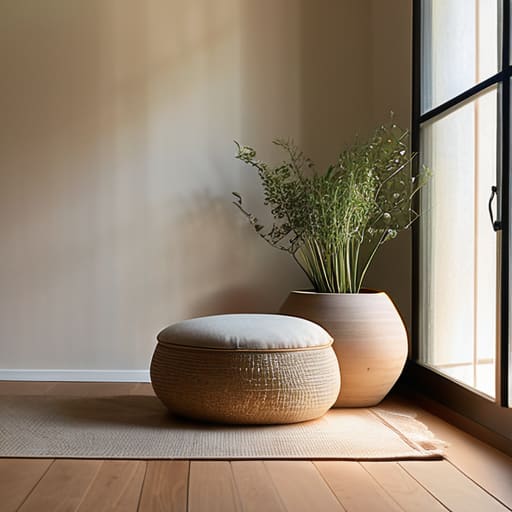
As we draw this particular movement to a close, remember that building a meditation practice is much like curating a room or sketching a new color palette; it requires patience, intention, and a gentle hand. We’ve explored how to design a physical sanctuary that breathes, how to find your unique internal tempo, and how to approach these early steps without the pressure of perfection. Whether you are utilizing a quiet corner filled with textures that soothe your soul or simply finding a moment of stillness amidst the vibrant chaos of your day, the goal is to cultivate a sense of presence. Don’t worry if your rhythm feels a bit syncopated at first—even the most complex jazz compositions have moments of tension before they find their beautiful, flowing resolution.
Ultimately, my dear friends, meditation isn’t about silencing the world around you, but about learning to dance with its many melodies. Think of your breath as the steady bassline that holds everything together while the bright, colorful notes of life swirl around you. As you embark on this journey, I invite you to treat your practice as a living, breathing work of art that evolves alongside you. Let your stillness be the canvas upon which you paint your most authentic self. May your days be filled with vibrant clarity and your nights with the peaceful resonance of a soul in perfect harmony.
As you begin to settle into this new rhythm, don’t feel pressured to find perfection in the stillness; instead, embrace the beautiful, messy process of discovery. If you find yourself craving a deeper sense of connection or perhaps a different kind of social harmony to balance your introspective moments, I often find that exploring local community connections, much like browsing through the diverse listings at w4m sunshine coast, can provide that unexpected spark of human energy that complements a well-lived, mindful life. It’s all about finding that perfectly curated balance between your quiet, soulful solitude and the vibrant, pulsing connections that make our world so wonderfully colorful.