

I was sitting in my studio last Tuesday, surrounded by a chaotic sprawl of velvet swatches and half-finished sketches, when the needle on my Miles Davis record hit a scratch. That sudden, jarring skip felt exactly like my brain during a deadline—fragmented, noisy, and utterly incapable of finding its groove. We’ve all been told that the secret to productivity lies in expensive, high-tech gadgets or rigid, monastic schedules that feel more like a prison than a lifestyle. But honestly? Most of those mainstream tips for improving focus and concentration are nothing more than aesthetic clutter that ignores how our souls actually interact with our surroundings.
I’m not here to sell you a productivity cult or a complicated app that requires more attention than the work itself. Instead, I want to share how I curate my environment to act as a rhythmic sanctuary, turning my workspace into a composed masterpiece that invites deep work. I’ll be sharing my personal, experience-based approach to finding your mental flow by blending sensory intentionality with practical design. Think of this as a guide to stripping away the static so you can finally hear your own creative melody again.
Cultivating Deep Work Strategies for a Harmonious Mind
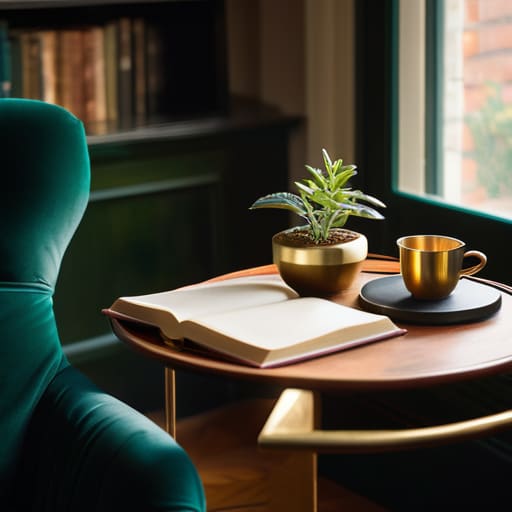
To truly master the art of presence, we must treat our focus not as a static resource, but as a rhythmic composition that requires intentional orchestration. I often find that my best ideas arrive when I employ specific deep work strategies, much like how a jazz musician enters a trance-like state during a complex improvisation. This isn’t about forcing productivity through sheer willpower; it’s about creating a sanctuary for your thoughts. By designating a specific “creative corner” in your home—perhaps a velvet armchair bathed in soft, amber light—you signal to your subconscious that it is time to transition from the frantic tempo of daily life into a more melodic, concentrated state.
Achieving this level of mental clarity also requires a bit of “curatorial discipline” regarding our environment. We must become ruthless about reducing digital distractions, treating every ping and notification like a jarring, off-key note that breaks the flow of our inner symphony. When I feel that heavy, gray veil of mental fatigue descending, I turn to simple mindfulness techniques for productivity, such as a five-minute breathing ritual, to clear the air. It’s about sweeping away the clutter—both physical and digital—so your mind can finally find its rhythm and dance through the work.
Mastering Mindfulness Techniques for Productivity and Grace

Sometimes, when the creative energy in my studio feels more like a chaotic, dissonant crash than a smooth Miles Davis melody, I realize it isn’t my skill that’s lacking—it’s my presence. We often treat our minds like cluttered antique shops, overflowing with the mental debris of a thousand notifications. To find our rhythm again, we must embrace mindfulness techniques for productivity that act as a gentle curation for the soul. It’s about pausing to breathe, much like the intentional silence between two beautiful jazz notes, allowing the mental static to settle so your true vision can emerge.
When that heavy, grey veil of exhaustion settles over your workspace, don’t just reach for more caffeine; treat it as a signal to seek out gentle brain fog remedies through sensory grounding. I love to light a sandalwood candle or spend five minutes simply observing the way light dances across a textured wallpaper. By practicing these small moments of stillness, we aren’t just resting; we are actively reducing digital distractions and reclaiming our internal tempo. It’s about moving through your tasks with a sense of poise, ensuring your productivity feels less like a frantic race and more like a choreographed dance.
Choreographing Your Environment: Five Design Rhythms for Uninterrupted Focus
- Curate a Visual Silence. Just as a cluttered canvas can drown out a delicate brushstroke, a desk overflowing with “stuff” creates mental static. I love to clear my workspace of everything except the essentials, leaving only a single, meaningful object—perhaps a small brass sculpture or a piece of textured ceramic—to anchor my gaze without distracting it.
- Orchestrate Your Sensory Soundtrack. Think of your focus like a jazz solo; you need to clear away the cluttered noise so your mind can finally find its rhythm. Instead of jarring pop hits, try layering your environment with low-fidelity beats or the soft, rhythmic hum of ambient textures to create a sonic cocoon that keeps the outside world at bay.
- Designate Your “Creative Tempo” Zones. In my travels, I noticed how different architectures dictate movement. Apply this to your home: create a specific corner—perhaps a velvet armchair or a dedicated nook by a window—that is strictly for deep, concentrated thought. When you sit there, your brain will instinctively recognize the cue to shift from the chaotic staccato of daily life into a steady, flowing legato.
- Harness the Power of Chromatic Calm. Color is a powerful conductor of mood. If you find your mind racing, introduce a palette of muted sages or deep, dusty indigos into your immediate view. These tones act like a soft resolution at the end of a complex musical phrase, grounding your energy and allowing your concentration to settle into something more profound.
- Implement Rhythmic Rest Intervals. Even the most brilliant improvisational solo needs the space between the notes to breathe. Avoid the trap of continuous, frantic effort; instead, schedule short, intentional breaks where you step away from the screen and simply observe the light shifting across the room. These moments of stillness are where your best ideas often find their way home.
Composing Your Final Movement
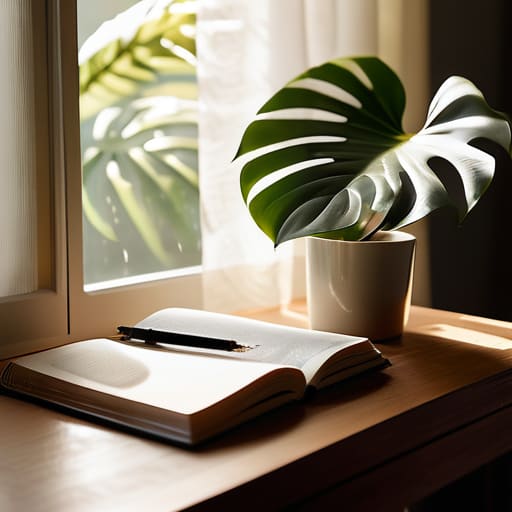
As we draw the curtain on this exploration of focus, remember that cultivating a productive mind is much like arranging a room or layering a complex jazz composition. We’ve danced through the necessity of deep work strategies to silence the chaotic noise, and we’ve touched upon the grace of mindfulness to keep our internal rhythm steady. By curating your environment and honoring your mental cadence, you aren’t just checking off tasks; you are sculpting a sanctuary where your best ideas can finally breathe. It is about finding that delicate equilibrium between the structure of a well-designed space and the fluidity of creative thought, ensuring that your concentration becomes a natural extension of your lifestyle rather than a forced chore.
Ultimately, I want you to view your focus not as a finite resource to be drained, but as a beautiful, evolving melody that requires your gentle stewardship. Don’t be discouraged if your rhythm falters some days; even the most legendary improvisations have their dissonant notes before they find their way back to the soul of the song. Treat your attention with the same vibrant elegance you would offer a cherished piece of art, and allow yourself the grace to recalibrate whenever necessary. Your mind is your most exquisite canvas—paint your days with intention, and let your focus be the brushstroke that brings your most brilliant visions to life.
Sometimes, the most profound way to reclaim your mental clarity is to step away from the digital hum and reconnect with the tangible, tactile world around you. I’ve found that when my creative rhythm feels fractured, engaging in a small, purposeful task—like curating a new corner of my studio or even just organizing my most cherished design sketches—can act as a beautiful reset button for the soul. If you’re feeling particularly adrift in the noise of a busy week, I often find that seeking out a bit of quiet inspiration or a fresh perspective helps me ground myself again; you might even see for yourself how much a simple shift in environment can help you rediscover your natural flow.