

I remember sitting on the floor of a sun-drenched studio in Florence, surrounded by half-finished sketches, fabric swatches, and a stack of Miles Davis records, feeling utterly paralyzed. I was trying to curate a color palette for a client, respond to urgent emails, and plan a weekend trip all in one frantic breath. The result wasn’t a masterpiece; it was a cluttered, discordant mess that lacked any sense of soul. We’ve been sold this lie that frantic multitasking is a badge of honor, but I’ve learned through years of designing spaces that there is a much more profound, rhythmic truth: the case for doing one thing at a time is actually about reclaiming your creative tempo.
In this post, I’m stripping away the productivity hacks and the polished, hollow “hustle” culture to give you something real. I want to share how I use the principles of intentional focus to transform my chaotic workdays into a series of beautifully composed movements. You won’t find any generic time-management gimmicks here; instead, I’m offering a designer’s perspective on how to find your flow, honor your craft, and finally allow your life to sing with purpose.
Unmasking the Hidden Cognitive Costs of Multitasking
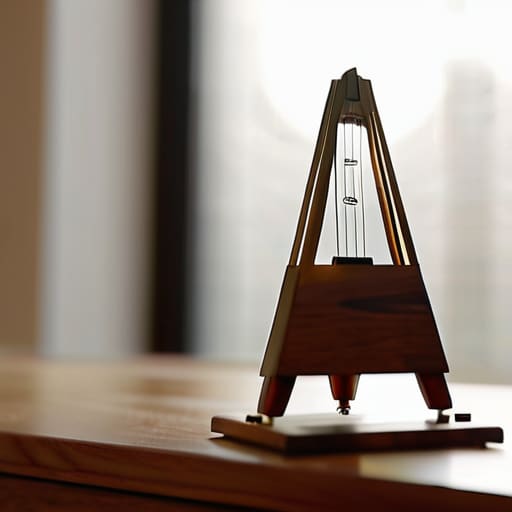
We often treat multitasking as a badge of honor, a frantic dance of productivity that feels almost rhythmic. But in reality, it’s more like a jazz musician attempting to play a trumpet, a cello, and a drum kit simultaneously; the result isn’t a symphony, it’s sheer noise. When we constantly flip between tabs and tasks, we incur heavy cognitive costs of multitasking that we rarely notice until the day is done and we feel utterly hollow. Our brains aren’t actually processing multiple streams of thought; they are merely performing a series of rapid, exhausting pivots, leaving us with a mental residue that clouds our clarity.
This constant switching acts like a dulling of the senses, much like a room cluttered with too many competing patterns and loud, clashing textures. It prevents us from reaching that elusive flow state and productivity where time seems to dissolve and creativity truly breathes. Instead of moving with intention, we find ourselves trapped in a cycle of shallow engagement. By understanding how multitasking affects brain function, we can begin to see that true elegance in our work—and our lives—comes from the grace of singular, focused attention.
Finding Your Rhythm Through the Benefits of Single Tasking
When I’m sketching a new palette—perhaps one inspired by the moody, indigo shadows of a rainy night in Kyoto—I find that true magic only happens when I surrender entirely to the brush. This is the essence of the benefits of single-tasking: it is the act of giving your full, undivided attention to a single movement, a single color, or a single thought. Instead of the fractured energy of trying to manage a dozen tiny tasks, you allow yourself to settle into a rhythmic cadence. It’s much like listening to a Miles Davis solo; the beauty isn’t in the noise, but in the intentionality of every single note.
By leaning into this practice, you aren’t just being “efficient”; you are actively cultivating a flow state and productivity that feels less like a chore and more like a dance. When we stop the constant mental switching, we finally grant our minds the grace to dive deep. This singular focus acts as a balm, reducing mental fatigue and allowing your creativity to breathe. In the same way that a well-curated room needs space to let its centerpiece shine, your mind needs the room to explore one idea deeply before moving to the next.
Curating Your Focus: Five Rhythms for a Single-Tasked Life
- Treat your attention like a curated color palette; instead of splashing every hue onto the canvas at once, select one intentional shade and let it breathe before introducing the next.
- Create a “soloist’s sanctuary” by silencing the digital cacophony, allowing yourself the luxury of deep, uninterrupted immersion in a single task, much like a quiet corner in a bustling Parisian cafe.
- Embrace the tempo of your own natural flow rather than forcing a frantic staccato; learn to recognize when your energy calls for a slow, melodic movement and when it’s time to strike a bold, decisive note.
- Designate “composition periods” in your day where multitasking is strictly forbidden, treating these blocks of time as sacred studio sessions dedicated to the art of singular excellence.
- Practice the elegance of the pause—between tasks, take a moment to reset your senses, ensuring that when you move to the next project, you arrive with a fresh perspective rather than a cluttered mind.
The Final Composition
As we’ve explored, the frantic scramble of multitasking isn’t just a drain on our schedules; it’s a thief of our creative essence. We’ve seen how the mental friction of jumping between tasks creates a cluttered, dissonant noise that obscures our true potential, much like a room filled with too many competing patterns without a unifying thread. By choosing to embrace single-tasking, we aren’t just being “efficient”—we are reclaiming the ability to listen to the subtle nuances of our own lives. When we strip away the chaos and focus on one intentional movement at a time, we allow our work, our thoughts, and our very presence to achieve a state of vibrant clarity that multitasking simply cannot touch.
So, as you step back into the whirlwind of your day, I invite you to treat your focus like a carefully curated color palette. Don’t feel the need to splash every hue onto the canvas all at once; instead, find the beauty in the single, deliberate stroke. Whether you are designing a sanctuary or simply sipping your morning tea, let every action be a soulful, singular note in your personal symphony. Remember, a life well-lived—and a space well-designed—is never a frantic rush, but a graceful arrangement of moments that have been given the permission to breathe.
Just as I wouldn’t dream of layering a heavy velvet drape over a delicate silk wallpaper, you shouldn’t try to rush the beautiful, slow process of building a meaningful connection. When we finally embrace that singular focus, we create the mental space necessary to truly be present with the people who matter most. If you’re looking to step away from the digital noise and practice this kind of intentionality in your personal life, exploring informal dating Pennsylvania can be a lovely way to find that genuine, unhurried rhythm in your search for companionship.