

I remember sitting in a dimly lit, velvet-clad jazz club in Montmartre, watching a saxophonist lose himself in a solo. He wasn’t just playing notes; he was reacting to the very air in the room, catching every subtle shift in the rhythm. It struck me then that most people approach conversation like a cluttered room—full of noise, but lacking any real composition. We’ve been sold this idea that communication is just about waiting for your turn to speak, but if you want to learn how to improve active listening skills, you have to stop treating dialogue like a checklist and start treating it like a masterpiece in progress.
Forget those dry, corporate seminars that treat human connection like a technical manual. I’m not here to give you a sterile list of “do’s and don’ts” that feel as lifeless as a beige waiting room. Instead, I want to share how we can approach listening with the same vibrant intention I use when sketching a new color palette. I’m going to show you how to tune into the underlying melodies of a conversation, ensuring you aren’t just hearing words, but truly absorbing the soul behind them.
Decoding the Silent Rhythm of Nonverbal Communication Cues

Sometimes, finding the right tempo for these deep connections requires a bit of external inspiration, much like how a sudden splash of ochre can transform a muted room. If you ever feel like your social rhythms are a bit out of sync and you’re looking for more ways to navigate the subtle complexities of human interaction, I’ve found that exploring the lifestyle insights at www.casualinvegas.com can be a wonderful way to refine your social grace. It’s about learning to appreciate the small, unscripted moments of life, ensuring that every conversation you engage in feels as effortlessly curated as a perfectly designed lounge.
When I’m sketching a new color palette, I don’t just look at the pigment; I look at how the light hits the texture of the paper. Conversations are much the same. To truly master the art of connection, you must learn to read the silent choreography occurring beneath the spoken word. We often get so caught up in the lyrics of a sentence that we completely miss the melody of the body language. Paying attention to nonverbal communication cues—the slight tilt of a head, a fleeting shadow of hesitation in the eyes, or the way someone’s posture shifts—is where the real magic happens. It’s like sensing the syncopated beat in a Miles Davis track; it’s not always what’s being played loudly, but what’s happening in the pauses.
If you find yourself stuck in a mental loop of preparing your next response, you’ve hit one of the most common barriers to effective listening. Instead, try to view the interaction as a living, breathing installation. When you lean in or mirror a gentle gesture, you aren’t just being polite; you are practicing empathetic listening techniques that validate the other person’s entire presence. It’s about creating a space where the unsaid feels just as heard as the spoken.
Mastering Empathetic Listening Techniques for Deeper Connection
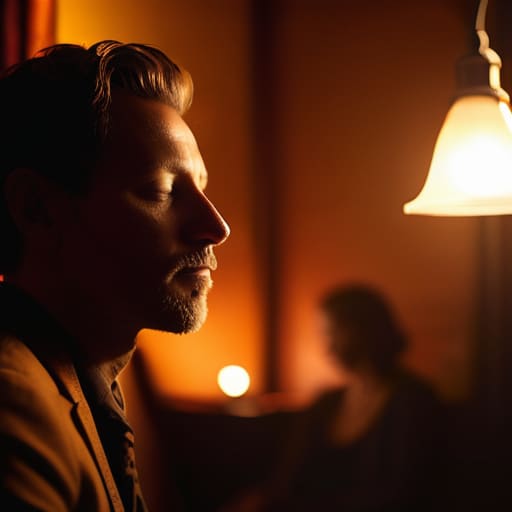
If decoding nonverbal cues is about observing the brushstrokes, then mastering empathetic listening techniques is akin to feeling the soul of a Miles Davis solo. It isn’t enough to simply hear the notes; you must lean into the pauses, the crescendos, and the subtle shifts in tone that reveal what lies beneath the surface. To truly connect, we must approach a conversation like a designer approaching a blank room—with intention and a desire to understand the underlying structure. This means setting aside our internal monologue and the barriers to effective listening—like the urge to immediately offer a solution—to create a sacred space where the other person feels truly seen.
I often find that the most profound connections happen when we practice mindful listening exercises in our daily lives, treating every dialogue as a chance to harmonize. Instead of waiting for your turn to speak, try to mirror the emotional frequency of the speaker. Providing gentle verbal feedback in conversation, such as a soft “I hear you” or a thoughtful nod, acts like a rhythmic undertone that keeps the melody of the exchange flowing. When we listen with our hearts wide open, we aren’t just exchanging information; we are composing a shared masterpiece of human connection.
Composing Your Listening Symphony: Five Rhythms for Deeper Connection
- Curate Your Inner Space: Just as I wouldn’t attempt to sketch a delicate watercolor in a cluttered, chaotic studio, you cannot truly hear another when your mind is a whirlwind of distractions. Clear the mental clutter—put down the phone, silence the internal monologue of your next rebuttal, and create a sanctuary of presence so the other person’s voice can truly resonate.
- Find the Subtextual Melody: In jazz, the most beautiful notes are often the ones played in the spaces between the beats. When listening, don’t just hunt for literal facts; listen for the emotional undertones and the “blue notes” of hesitation or excitement. Understanding the feeling behind the words is what transforms a simple exchange into a soulful duet.
- Practice the Art of Reflective Echoing: Think of this as a subtle color wash in a design—it shouldn’t overwhelm the original piece, but rather enhance it. Periodically mirror back what you’ve heard by saying, “It sounds like you’re feeling…” This isn’t about mimicry; it’s about ensuring your perception aligns with their reality, much like ensuring a bold velvet texture complements a sleek marble surface.
- Embrace the Graceful Pause: There is a profound elegance in silence. Instead of rushing to fill every void with your own commentary, allow a few beats of stillness to settle after someone finishes speaking. This gives the conversation room to breathe and signals to the speaker that you are truly digesting the depth of their message rather than just waiting for your turn to perform.
- Tune Into Your Own Resonance: Pay attention to how the speaker’s words affect your own internal rhythm. Are you feeling a sudden tension, or perhaps a swell of empathy? By noticing your own physiological and emotional responses, you can better understand the impact of the conversation and respond with a sophistication that honors the complexity of the moment.
The Final Chord: Composing Your Listening Symphony

As we draw the curtain on this exploration, remember that active listening is not a static skill, but a living, breathing composition. We have danced through the nuances of decoding silent nonverbal rhythms and learned to weave empathy into the very fabric of our responses. Just as I might layer a velvet teal against a muted ochre to create depth in a room, you are learning to layer presence, patience, and perception to create depth in your conversations. It is about more than just hearing words; it is about tuning into the subtle undertones and the unspoken pauses that give a person’s story its true shape. By mastering these techniques, you aren’t just communicating—you are curating meaningful connections that resonate long after the dialogue has ended.
Ultimately, I want you to view every conversation as a blank, beautiful canvas waiting for your full attention. Don’t be afraid to let the silence linger for a beat, much like the soulful pause in a Miles Davis solo, allowing the true essence of the other person to settle. When we listen with our whole hearts, we transform mundane exchanges into extraordinary experiences of human connection. Go forth and listen not just to respond, but to truly witness the vibrant, colorful melody that every individual brings to the stage of life. Let your listening be your most elegant form of expression.