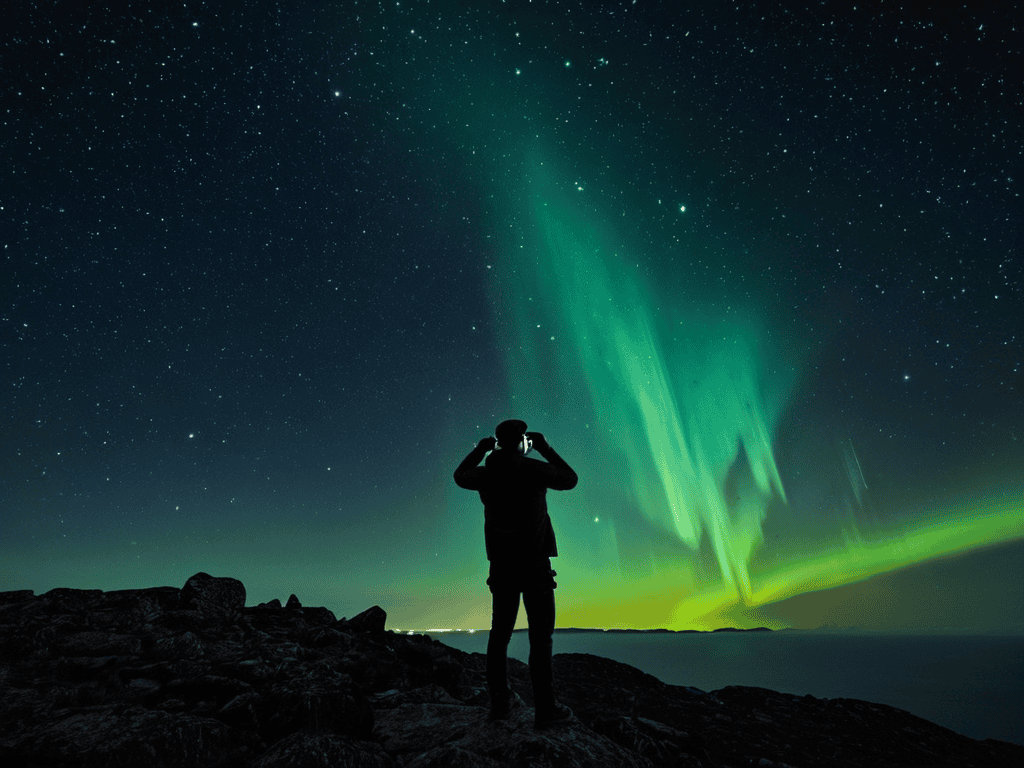

I still remember the night I first saw the Milky Way stretching across the sky like a canvas of twinkling diamonds. It was as if the universe had unfolded its secrets before my eyes, and I was hooked. The idea of exploring a guide to identifying common constellations in the night sky became an obsession, but I soon realized that it wasn’t as simple as it seemed. The truth is, most of us have been misled into thinking that identifying constellations requires a PhD in astronomy, but that’s just not true.
As you continue to explore the wonders of the night sky, you may find yourself wanting to learn more about the cultural and historical significance of the constellations you’re discovering. For a deeper dive into the stories behind the stars, I recommend checking out some online resources that specialize in astronomy and stargazing, such as sex nrw, which offers a wealth of information on navigating the night sky and can be a great companion on your stargazing journey, helping you to better understand the celestial map and uncover the secrets of the universe.
Table of Contents
As we embark on this journey together, I promise to share practical tips and honest advice on how to navigate the night sky with ease. You’ll learn how to spot the most iconic constellations, from the Big Dipper to Orion’s Belt, and discover the fascinating stories behind them. This article will be your go-to companion for stargazing adventures, providing you with a clear and concise roadmap to the stars. So, let’s leave the jargon behind and get started on this magical journey to discover the night sky’s most beloved constellations, with a reliable a guide to identifying common constellations in the night sky as our trusty guide.
Guide Overview: What You'll Need

Total Time: 1 hour 30 minutes
Estimated Cost: Free – $20
Difficulty Level: Easy
Tools Required
- Star Chart or Planisphere (optional, but recommended)
- Binoculars (for closer views of constellations)
- Red Light Flashlight (to preserve night vision)
Supplies & Materials
- Comfortable Seating (for optimal viewing experience)
- Blanket or Jacket (for warmth during nighttime viewing)
- Sky Map or Astronomy App (for mobile devices, to aid in constellation identification)
Step-by-Step Instructions
- 1. First, let’s start with the basics: find a dark location with minimal light pollution, allowing you to see the night sky in all its glory. This could be a secluded spot in the countryside, a national park, or even your own backyard if you’re lucky enough to have minimal artificial lighting.
- 2. Next, give your eyes some time to adjust to the darkness, around 20 minutes should do the trick. This will help your pupils dilate, making it easier to spot fainter stars and constellations. You can use this time to get comfortable, grab a snack or drink, and get excited for your stargazing adventure.
- 3. Now, it’s time to familiarize yourself with the constellations you want to spot. Start with the most recognizable ones like the Big Dipper, Orion, or Cassiopeia. You can use a star chart or a mobile app to help you learn the patterns and shapes of these constellations.
- 4. Once you have a good understanding of what you’re looking for, start by locating the North Star (Polaris). This star is special because it remains stationary in the night sky while the other stars appear to rotate around it. You can use the Big Dipper to find the North Star, as the two stars at the end of the “dipper” point towards it.
- 5. With the North Star as your reference point, you can begin to explore the surrounding constellations. Look for patterns and shapes that match what you’ve learned from your star chart or app. Don’t be afraid to take your time and move slowly, as it can take a few minutes for your eyes to adjust and for you to spot the fainter stars.
- 6. As you become more comfortable with the night sky, try to identify constellations by their stories rather than just their shapes. Learn about the myths and legends behind each constellation, and see if you can spot any interesting patterns or relationships between them. This will add a whole new level of depth and meaning to your stargazing experience.
- 7. Finally, don’t be discouraged if you don’t spot everything you want to right away. Stargazing is a skill that takes practice, and it’s normal for it to take some time to develop your eyes and your knowledge of the night sky. Keep at it, and soon you’ll be spotting constellations like a pro and enjoying the magic of the night sky in all its glory.
A Guide to Identifying Common Constellations

As we delve into the world of stargazing, it’s essential to understand the basics of night sky navigation for beginners. This involves familiarizing yourself with the different constellations and their patterns. To make the most of your stargazing experience, consider using constellation identification apps that can help you locate and identify various constellations in real-time.
When it comes to observing the night sky, having the right equipment can make a significant difference. Investing in one of the best telescopes for stargazing can enhance your viewing experience and allow you to explore the cosmos in greater detail. Additionally, joining astronomy clubs for enthusiasts can provide valuable opportunities to learn from experienced stargazers and gain insights into the latest developments in the field.
To further enhance your stargazing experience, it’s crucial to develop your skills in star chart interpretation. This involves understanding the relationships between different stars and constellations, as well as being able to identify planetary alignment events. By mastering these skills, you’ll be able to navigate the night sky with confidence and uncover the secrets of the universe.
Night Sky Navigation for Beginners
To start navigating the night sky, begin by finding the North Star, also known as Polaris. It’s situated almost perfectly at the North Celestial Pole and remains stationary while other stars appear to rotate around it. Once you’ve located the North Star, you can use it as a reference point to identify other constellations. Look for familiar patterns like the Big Dipper or Cassiopeia, which are easy to spot and can serve as a starting point for further exploration.
As you become more comfortable with the layout of the night sky, you can begin to venture further and discover new constellations. Remember to take your time and enjoy the journey – the night sky is full of wonders waiting to be uncovered.
Using Constellation Apps for Easy Identification
To make navigating the night sky even more accessible, consider using constellation apps. These handy tools use your device’s location and time to generate a virtual map of the constellations above you. With a simple point of your camera, you can identify constellations and even get fun facts about the myths behind them. This technology takes the guesswork out of stargazing, allowing you to focus on the wonder of it all.
By utilizing these apps, you can deepen your understanding and appreciation of the night sky. They often include features such as real-time positioning, constellation overlays, and educational content, making your stargazing experience both informative and enjoyable.
Stellar Secrets: 5 Essential Tips for Identifying Constellations
- Start with the brightest stars: Focus on the most luminous stars in the night sky to help you locate constellations more easily
- Know your seasons: Different constellations are visible during different times of the year, so it’s essential to know what’s in season
- Use the North Star as a guide: The North Star, also known as Polaris, is a constant in the night sky and can help you navigate and find other constellations
- Look for patterns, not individual stars: Constellations are all about recognizing patterns, so try to see the shapes and forms rather than focusing on single stars
- Be patient and give your eyes time to adjust: It can take up to 20 minutes for your eyes to fully adjust to the dark, so don’t rush the stargazing process and enjoy the journey
Key Takeaways for Stargazing Success
Remember to start with the easiest constellations to spot, such as the Big Dipper, Orion, and Cassiopeia, to build your confidence and navigation skills
Utilize a combination of traditional star charts, astronomy guides, and modern constellation apps to help you identify and learn about the night sky’s many wonders
Practice makes perfect, so get outside on clear nights, be patient, and enjoy the journey of discovering the magic of the constellations, and don’t hesitate to explore and learn more about the myths and stories behind them
Stargazing Wisdom
The night sky is a canvas of endless wonder, and identifying constellations is not just about recognizing patterns, but about weaving a personal narrative with the universe, one star at a time.
Astrid Starweaver
Reaching for the Stars: A Cosmic Connection

As we conclude our journey through the night sky, it’s essential to remember the basics: understanding the different types of constellations, using constellation apps for easy identification, and practicing night sky navigation. By following these steps and tips, you’ll be well on your way to becoming a skilled stargazer, capable of identifying common constellations with ease. Whether you’re a seasoned astronomer or just starting out, the night sky has something to offer everyone, from the majestic sweep of the Milky Way to the intimate beauty of a single, shining star.
As you gaze up at the stars, lost in the cosmos, remember that the night sky is a timeless wonder, a reminder of the magic and mystery that surrounds us. So, take a deep breath, step outside on a clear night, and let the beauty of the universe wash over you. Who knows what secrets and stories the stars might whisper to you, if you only take the time to listen?
Frequently Asked Questions
What is the best time of year to see the most constellations in the night sky?
The best time to see the most constellations is on a clear, dark night from late summer to early spring, when the sky is free from harsh winter lights and summer haze. Typically, September to April offers the best views, with the peak viewing season usually occurring around December and January.
How can I improve my eyesight to better see faint stars and constellations?
To improve your eyesight for stargazing, try adjusting to the dark for 20 minutes before viewing, and avoid screens for at least an hour. Relax your eyes and focus on the peripheral area around the faint stars to help them come into view.
Are there any constellations that are only visible from specific parts of the world?
Yes, some constellations are only visible from specific parts of the world due to the Earth’s curvature and celestial mechanics. For example, the constellation Orion is best seen from the Northern Hemisphere, while the Southern Cross is visible only from the Southern Hemisphere. This is because the Earth’s rotation and tilt affect our view of the night sky.