

I still remember the day I stumbled upon a guide to the philosophy of Stoicism for modern life – it was as if I had discovered a treasure trove of wisdom that would change my life forever. For years, I had been struggling to find balance and purpose in my chaotic world, and the concept of Stoicism seemed like just another esoteric philosophy that wouldn’t quite fit into my daily routine. But as I delved deeper into its principles, I realized that embracing impermanence and living in the present were not just abstract ideas, but tangible practices that could be applied to everyday life.
As you navigate the complexities of modern life, you may find yourself wondering how to stay grounded and focused amidst the chaos. This article promises to deliver practical advice on how to incorporate the principles of Stoicism into your daily life, from managing stress and anxiety to cultivating a sense of purpose and inner strength. By the end of this guide, you’ll have a clear understanding of how a guide to the philosophy of Stoicism for modern life can help you navigate life’s challenges with greater ease and resilience, and you’ll be equipped with the tools to start your own journey towards a more balanced and fulfilling existence.
Table of Contents
Guide Overview: What You'll Need

Total Time: several weeks of study and reflection
As you delve deeper into the world of Stoicism, you may find yourself seeking additional tools to _enhance your mindfulness practice_. One often overlooked yet incredibly valuable resource is the humble journal, where you can record your thoughts, reflections, and insights. For those looking to combine their love of nature and writing, considering a visit to a serene outdoor setting, such as those found at nutten, can be a great way to clear your mind and focus on your personal growth. By incorporating journaling into your daily routine, you can begin to notice patterns and areas for improvement, allowing you to make more intentional decisions and cultivate a greater sense of inner peace, which is essential for embracing the Stoic lifestyle.
Estimated Cost: free – $20 for books or online courses
Difficulty Level: Intermediate
Tools Required
- Journal for recording thoughts and insights
- Pen for writing in journal
Supplies & Materials
- Stoicism books or online courses such as Meditations by Marcus Aurelius or A New Stoicism by Lawrence C. Becker
- Quiet reflection space to practice mindfulness and self-reflection
Step-by-Step Instructions
- 1. First, let’s start by understanding the core principles of Stoicism, which is all about embracing the present moment and letting go of things that are outside of our control. To do this, take some time to reflect on your values and what’s truly important to you, and then write them down in a journal or a note on your phone. This will help you clarify your priorities and make decisions that align with your goals.
- 2. Next, practice the art of negative visualization, which involves imagining yourself in a difficult situation and then finding ways to cope with it. This might sound counterintuitive, but it’s actually a powerful tool for building resilience and developing a growth mindset. Try to set aside a few minutes each day to visualize yourself handling challenges with ease and confidence.
- 3. Now, let’s talk about the importance of self-reflection in Stoicism. Take time each day to reflect on your thoughts, feelings, and actions, and ask yourself what you could improve on. This could be as simple as taking a few deep breaths before bed and thinking about what you’re grateful for, or writing in a journal to process your emotions. The key is to cultivate self-awareness and become more mindful of your thoughts and behaviors.
- 4. Another key aspect of Stoicism is the concept of indifference to external events, which means letting go of your attachment to outcomes and focusing on what you can control. To practice this, try to reframe your thoughts around challenging situations, and focus on finding the lesson or opportunity in each experience. For example, instead of getting upset about a traffic jam, try to see it as a chance to practice patience and listen to your favorite podcast.
- 5. Stoicism also emphasizes the importance of living in accordance with nature, which means being mindful of your impact on the environment and trying to live in harmony with the world around you. To do this, try to reduce your waste and make more sustainable choices in your daily life, such as using public transportation or bringing a reusable water bottle. These small actions can add up to make a big difference.
- 6. Next, let’s talk about the value of physical exercise in Stoicism, which is seen as a way to build strength, discipline, and resilience. Try to find a physical activity that you enjoy, whether it’s walking, running, or yoga, and make it a regular part of your routine. This will help you improve your physical and mental health, and increase your sense of well-being and energy.
- 7. Finally, let’s discuss the importance of community and relationships in Stoicism, which is often overlooked in modern interpretations of the philosophy. Try to nurture your relationships with friends and family, and seek out like-minded individuals who share your values and interests. This could be as simple as joining a book club or volunteering for a cause you care about, and can help you build a sense of belonging and connection with others.
A Guide to Stoicism for Modern Life
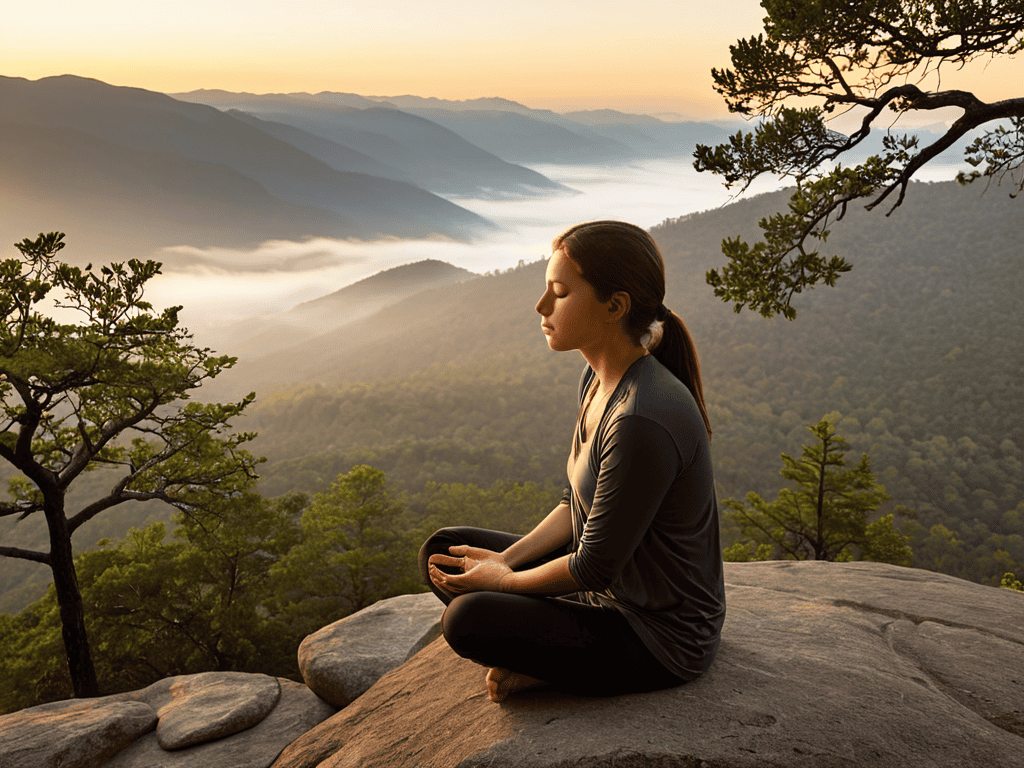
As we delve deeper into the world of Stoicism, it’s essential to understand how applying Stoic principles to daily life can have a profound impact on our mental well-being. By incorporating Stoic practices, such as mindfulness and meditation, we can better navigate life’s challenges and cultivate a sense of inner strength. This, in turn, can lead to improved mental health and a greater sense of resilience in the face of adversity.
One of the most significant benefits of Stoicism is its ability to help us overcome obstacles with ease. By adopting a Stoic mindset, we can learn to reframe challenges as opportunities for growth and development, rather than threats to our well-being. This shift in perspective can be incredibly empowering, allowing us to approach problems with a clear and level head. Additionally, practicing mindfulness through Stoicism can help us stay present and focused, even in the midst of chaos.
To fully integrate Stoicism into our lives, it’s crucial to start small and be consistent. Stoic meditation techniques for beginners can be a great place to start, helping us develop a greater sense of self-awareness and inner calm. As we progress on our Stoic journey, we can begin to explore more advanced practices, such as integrating Stoicism into modern relationships. By doing so, we can cultivate deeper, more meaningful connections with others and live a more authentic, Stoic-inspired life.
Applying Stoic Principles to Daily Struggles
Applying Stoic principles to daily struggles can be a game-changer. For instance, when faced with a traffic jam, instead of getting frustrated, you can use the time to practice mindfulness or reflect on your priorities. By doing so, you’ll begin to see that many of life’s annoyances are actually opportunities for growth. Similarly, when dealing with difficult people, Stoicism teaches you to focus on what you can control – your reactions and attitudes – rather than trying to change others.
This mindset shift can have a profound impact on your relationships and overall well-being. By applying Stoic principles to daily struggles, you’ll become more resilient, calm, and focused on what truly matters. You’ll learn to navigate life’s challenges with greater ease and clarity, and find a sense of inner strength that stays with you no matter what comes your way.
Practicing Mindfulness Through Stoic Meditation
To cultivate inner strength, Stoic meditation plays a vital role. This practice involves focusing on the present moment, letting go of worries about the past or future. By doing so, you become more aware of your thoughts and emotions, allowing you to respond to challenges more mindfully. Regular Stoic meditation can help you develop a clearer sense of purpose and direction.
Through this mindfulness practice, you can better navigate life’s challenges with equanimity and resilience. Even a few minutes of daily meditation can have a profound impact on your mental well-being, enabling you to approach problems with a calm and level head.
Embracing Stoicism in Everyday Life: 5 Essential Tips
- Let go of expectations and focus on what you can control, allowing yourself to navigate life’s uncertainties with greater ease
- Cultivate mindfulness through daily meditation, using techniques like deep breathing and mental clarity to stay grounded
- Reframe challenges as opportunities for growth, adopting a positive mindset that helps you learn from failures and setbacks
- Practice self-reflection and journaling to gain a deeper understanding of your values and goals, making intentional decisions that align with your principles
- Embody the concept of ‘negative visualization’ by occasionally imagining yourself without the things you take for granted, fostering gratitude and appreciation for life’s simple joys
Key Takeaways from Our Stoicism Guide
By embracing Stoic principles, you can develop a stronger sense of self and learn to navigate life’s challenges with greater ease and resilience
Regular practice of Stoic meditation and mindfulness can help you stay grounded in the present moment, reducing stress and increasing your overall sense of well-being
Applying Stoic principles to your daily life can lead to a more purpose-driven and fulfilling existence, as you learn to focus on what truly matters and let go of unnecessary worries and distractions
Embracing the Timeless Wisdom
As we navigate the complexities of modern life, Stoicism offers a profound reminder that true strength lies not in our ability to control the world around us, but in our capacity to cultivate inner resilience, wisdom, and compassion.
Alexandra Russell
Embracing the Timeless Wisdom of Stoicism

As we’ve explored throughout this guide, embracing Stoicism in modern life is about more than just adopting a philosophy – it’s about transforming your approach to everyday challenges. From applying Stoic principles to daily struggles, such as managing stress and finding purpose, to practicing mindfulness through Stoic meditation, the journey is deeply personal and rewarding. By understanding and incorporating these principles, individuals can cultivate a sense of inner strength and resilience that stays with them through life’s ups and downs.
In conclusion, the true power of Stoicism lies in its ability to empower personal growth and foster a deeper understanding of oneself and the world. As you embark on your own Stoic journey, remember that it’s a path, not a destination. With each step, you’ll find yourself more adept at navigating life’s complexities with clarity and purpose. The timeless wisdom of Stoicism is a gift that keeps on giving, offering insights and strength in equal measure. So, take the first step today, and discover how Stoicism can enrich your life in profound and lasting ways.
Frequently Asked Questions
How can I apply Stoic principles to my busy work schedule and still achieve a sense of calm and focus?
To bring Stoicism into your busy work schedule, try prioritizing tasks based on their importance, not urgency, and take short meditation breaks to clear your mind. Focus on the process, not the outcome, and remind yourself that external events are beyond your control, allowing you to maintain calm and clarity amidst chaos.
What role does self-reflection play in Stoic meditation and how can I incorporate it into my daily routine?
Self-reflection is a cornerstone of Stoic meditation, allowing you to examine your thoughts, emotions, and actions. To incorporate it into your daily routine, try setting aside a few minutes each morning to journal your thoughts, or practice introspective questioning during your meditation sessions, asking yourself what you’re grateful for and what you can improve on.
Can Stoicism be practiced in conjunction with other philosophies or spiritual practices, or is it meant to be a standalone approach to life?
Stoicism can definitely be practiced alongside other philosophies or spiritual practices. In fact, many people find that combining Stoic principles with mindfulness, Buddhism, or other approaches enhances their personal growth and well-being. The key is to focus on the core Stoic ideals and integrate them in a way that feels authentic and meaningful to you.