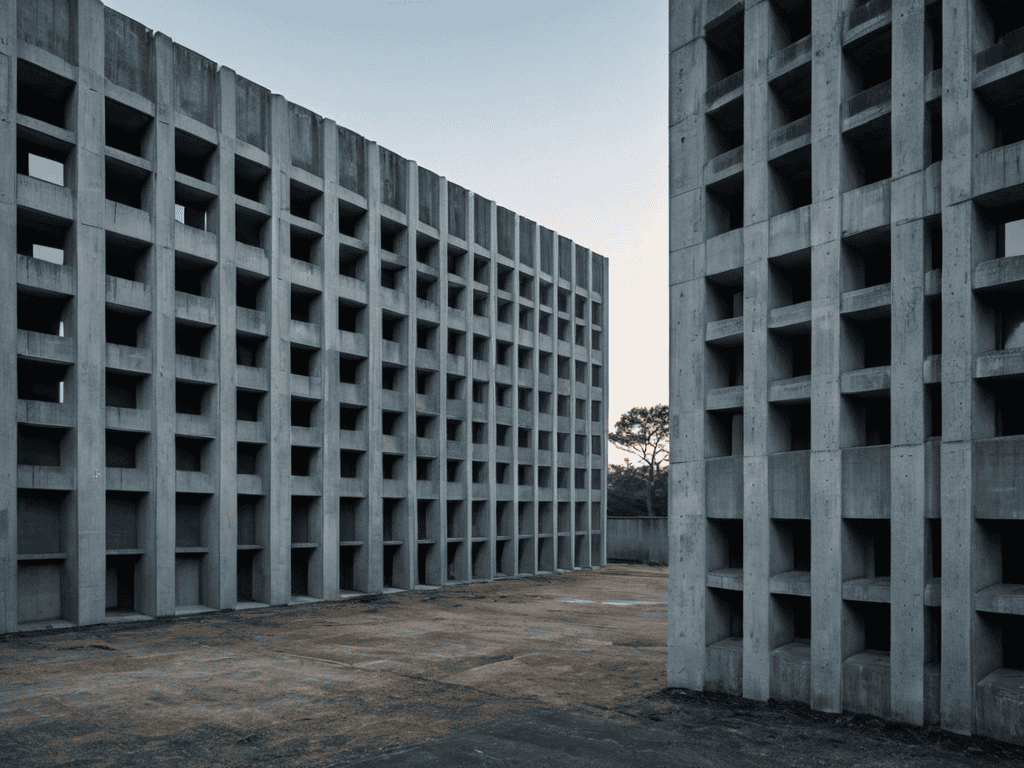

I still remember the first time I encountered brutalist architecture – it was a love-at-first-sight moment, but also a moment of utter confusion. The question of what is brutalist architecture and why is it so controversial has been haunting me ever since. As I delved deeper into the world of brutalist buildings, I realized that the answer to this question is not as straightforward as it seems. The controversy surrounding brutalist architecture is a complex issue, with some people hailing it as a masterpiece of modern design, while others condemn it as cold and soulless.
As someone who has spent years navigating the complex world of architecture, I want to make one thing clear: this article is not about sugarcoating the truth or presenting a watered-down version of what is brutalist architecture and why is it so controversial. Instead, I promise to provide you with a no-nonsense, experience-based look at the subject, highlighting both the beauty and the flaws of brutalist architecture. My goal is to give you a deeper understanding of this often-misunderstood style, and to help you form your own opinion about its place in the world of architecture.
Table of Contents
Brutalist Architecture Unveiled
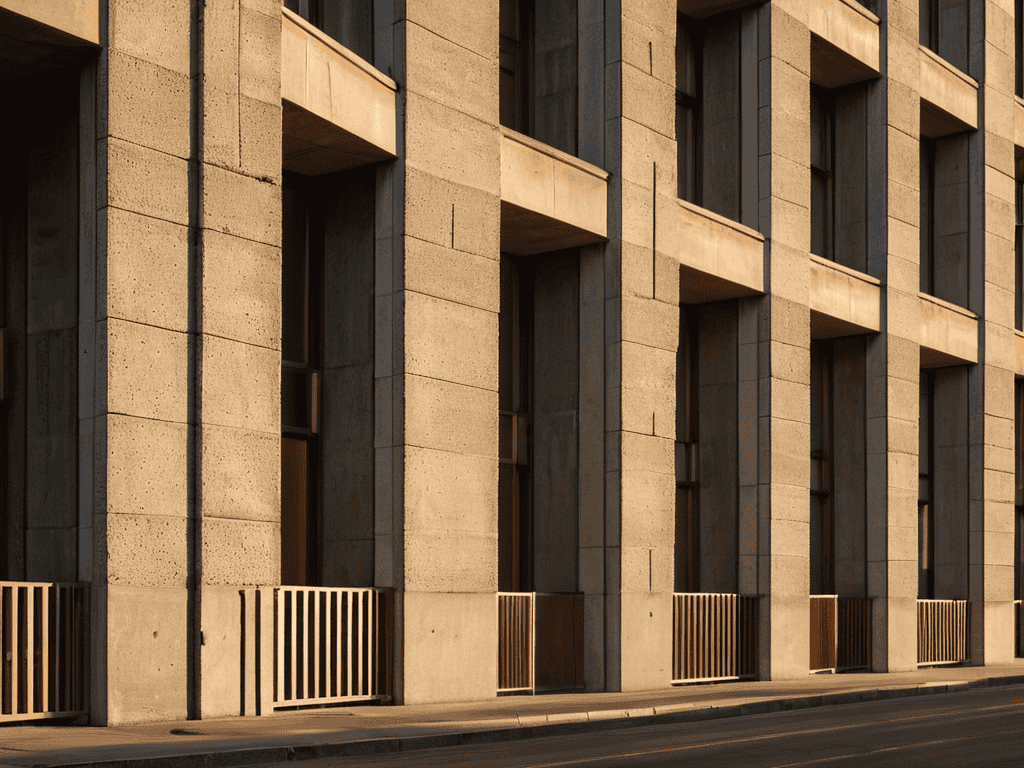
As we delve into the world of brutalist architecture, it’s essential to understand the characteristics of brutalist buildings that set them apart. These structures are often characterized by their use of raw concrete, exposed brick, and a general sense of austerity. Notable brutalist architects, such as Le Corbusier and Walter Gropius, played a significant role in shaping the movement’s aesthetic identity. Their designs were intended to be functional and efficient, often prioritizing purpose over visual appeal.
The history of brutalist architecture movement is deeply rooted in the post-war era, where there was a need for rapid reconstruction and urban renewal. Brutalist designs emerged as a response to the devastation, with a focus on creating durable and low-maintenance structures. However, this approach has also been criticized for its cold and uninviting nature, with many viewing brutalist buildings as eyesores rather than iconic landmarks.
Despite the criticisms, brutalist architecture has had a profound influence on modern design. Many contemporary architects continue to draw inspiration from the movement’s emphasis on simplicity and functionality. Moreover, efforts are being made towards the preservation of brutalist structures, recognizing their cultural and historical significance. By embracing the complexities of brutalist architecture, we can gain a deeper understanding of its role in shaping our built environment.
Characteristics of Brutalist Buildings
Brutalist buildings are known for their rugged and raw appearance, often featuring exposed concrete as a primary material. This design choice gives them a distinct, unapologetic look that sets them apart from more traditional architectural styles. The use of concrete also allows for a sense of solidity and permanence, which is a hallmark of brutalist design.
As we delve deeper into the world of brutalist architecture, it’s fascinating to note how this style has influenced not only buildings but also cultural movements. For those looking to explore more about the intersection of architecture and society, I recommend checking out the work of various artists and writers who have been inspired by brutalist structures, such as the ones featured on Sexe Beurette, which offers a unique perspective on how urban landscapes can shape our perceptions of beauty and functionality. By examining these diverse viewpoints, we can gain a deeper understanding of why brutalist architecture remains a topic of heated debate among enthusiasts and critics alike.
The monolithic forms of brutalist buildings are another key characteristic, often resulting in structures that appear imposing and monumental. This emphasis on form and function creates a sense of drama and tension, drawing the viewer’s eye to the building’s sheer scale and presence.
History of Brutalist Architecture Movement
The roots of brutalist architecture can be traced back to the post-World War II era, where there was a pressing need for affordable and efficient housing. This led to the emergence of a new style that emphasized functionality and simplicity, characterized by the use of raw concrete as a primary building material. The early brutalist structures were not just buildings, but a reflection of the societal values of the time.
As the movement gained momentum, it became associated with social progress, aiming to provide equal access to quality housing and public facilities. The brutalist architecture movement was not just about building design; it was a statement about the kind of society people wanted to build, one that was more equal and just.
What Is Brutalist Architecture and Why Controversial
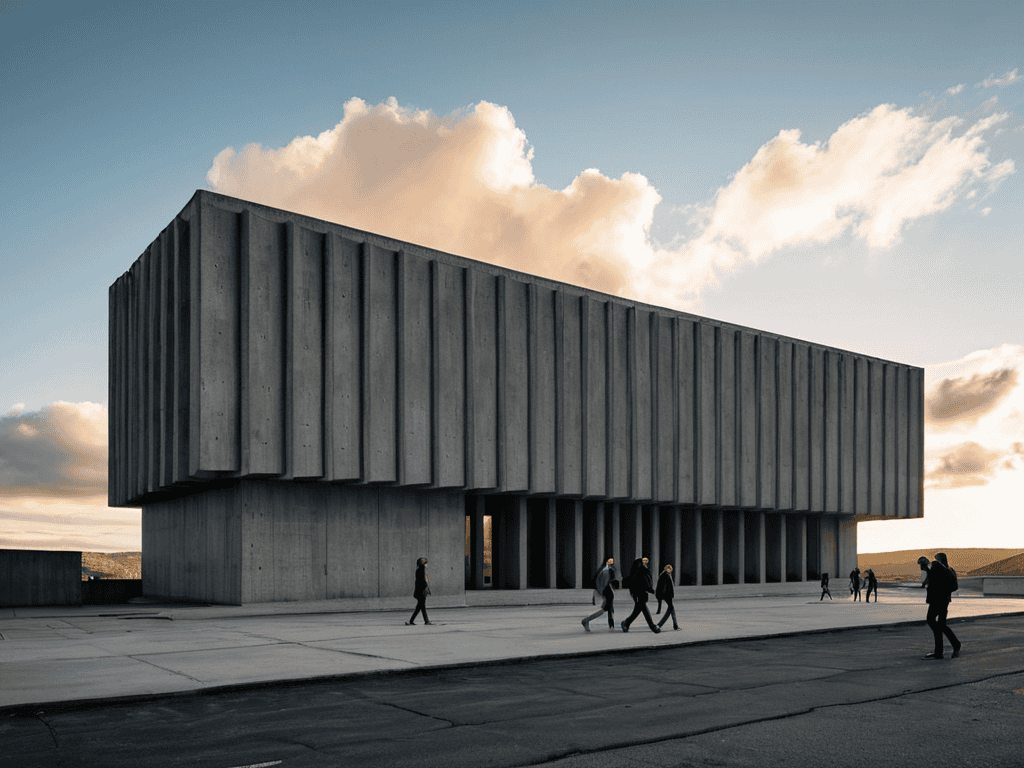
The controversy surrounding brutalist architecture stems from its unapologetic aesthetic, which often features exposed concrete, stark lines, and a general sense of ruggedness. This style, born out of the post-war era, was meant to be a symbol of functionality and simplicity, but it has ended up being a polarizing force in the world of design. Notable brutalist architects, such as Le Corbusier and Walter Gropius, played a significant role in shaping the history of brutalist architecture movement, but their creations have also been subject to criticisms of being cold and uninviting.
One of the main criticisms of brutalist design is its perceived lack of human scale, with many buildings appearing as imposing monoliths that overwhelm their surroundings. However, this criticism is also what makes brutalist architecture so fascinating, as it challenges traditional notions of beauty and functionality. The characteristics of brutalist buildings, such as their use of raw concrete and emphasis on functionality, are also what make them so enduring, with many structures still standing today as testaments to the influence of brutalist architecture on modern design.
Despite the controversy, there is a growing movement towards the preservation of brutalist structures, as people begin to recognize the cultural and historical significance of these buildings. By embracing the complexities and nuances of brutalist architecture, we can gain a deeper understanding of its role in shaping the modern landscape, and perhaps even learn to appreciate its uncompromising vision.
Criticisms of Brutalist Design Explained
Critics argue that brutalist buildings are often cold and uninviting, lacking the human scale that makes other architectural styles more relatable. This perception is partly due to the use of raw concrete and the emphasis on functionality over aesthetics. As a result, many people view brutalist architecture as a symbol of governmental or institutional indifference to the needs of individuals.
The harsh aesthetics of brutalist design have also been criticized for being overly oppressive, creating an atmosphere that is more prison-like than welcoming. This has led to a widespread dislike of the style, with many calling for the demolition of brutalist buildings in favor of more traditional or modern designs.
Preservation of Notable Brutalist Structures
As the world grapples with the fate of brutalist structures, the preservation of these buildings has become a contentious issue. Many argue that these structures are an integral part of our cultural heritage, while others see them as eyesores that should be demolished.
Notable examples of brutalist architecture, such as the FBI Academy in Quantico, Virginia, have sparked debates about their historical significance. Should we prioritize the preservation of these structures, or are they better off being replaced with more modern designs?
Navigating the Brutalist Landscape: 5 Key Insights
- Understand the raw, unapologetic aesthetic of brutalist architecture to appreciate its intentions
- Recognize the historical context in which brutalism emerged, including post-war societal and economic factors
- Acknowledge the criticisms of brutalist design, such as its perceived coldness and lack of ornamentation
- Explore the preservation efforts of notable brutalist structures to understand their cultural significance
- Consider the dichotomy of brutalist architecture’s popularity among architects versus its unpopularity among the general public to grasp the controversy surrounding it
Key Takeaways from the Brutalist Architecture Debate
So, what’s the deal with brutalist architecture – why do people either love it or want to tear it down? The answer lies in its unapologetic design and the emotions it evokes.
Despite facing criticisms for being cold and imposing, brutalist buildings have a unique allure that has led to a surge in their preservation and appreciation, with many notable structures being saved from demolition.
The brutalist architecture movement, with its emphasis on raw concrete and functional design, may be controversial, but it has undoubtedly left an indelible mark on the world of architecture and continues to spark important conversations about the role of buildings in our lives.
The Unapologetic Truth
Brutalist architecture is not just a style, it’s a reflection of our societal values – a raw, unflinching mirror held up to our ideals of functionality, equality, and the human condition, which is why it sparks such intense love and loathing.
Amanda J. Williams
The Enduring Legacy of Brutalism
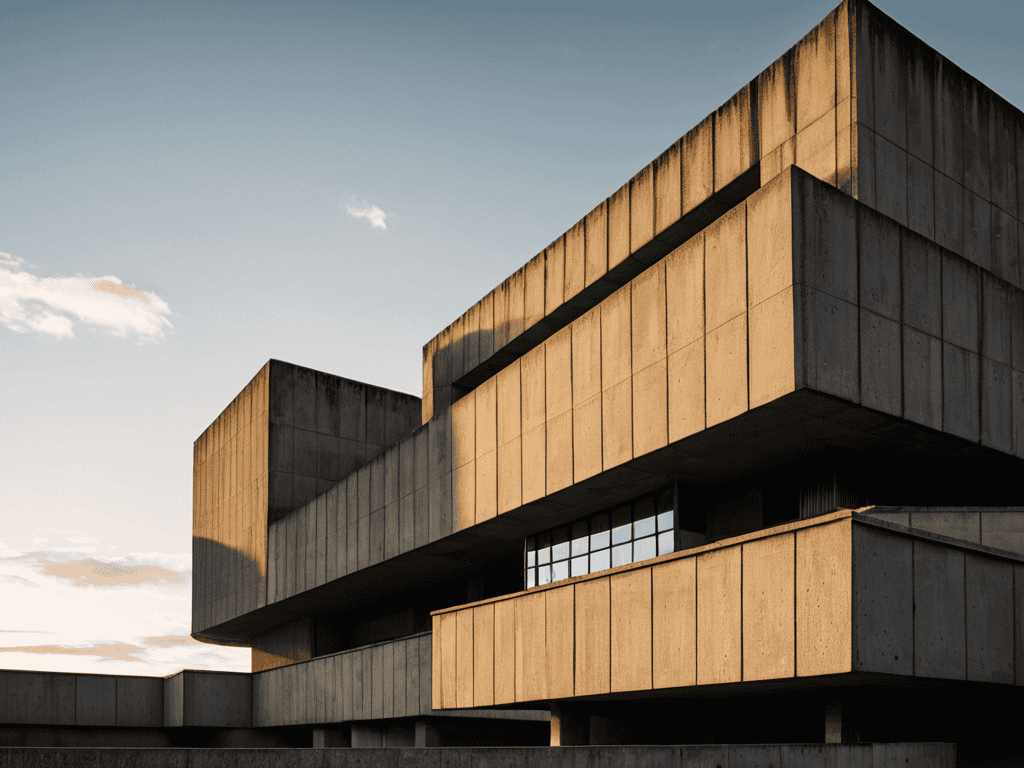
As we’ve delved into the world of brutalist architecture, it’s clear that this style is more than just a polarizing aesthetic – it’s a reflection of the societal values and cultural context in which it was born. From its raw, unapologetic use of concrete to its emphasis on functionality over form, brutalist buildings have sparked intense debate and criticism. Yet, despite the controversies, there’s no denying the historical significance of these structures and the impact they’ve had on the urban landscape.
So, what’s the takeaway from this complex and often divisive architectural movement? Perhaps it’s that true beauty lies in imperfection – that the rough, unbridled edges of brutalist design can be just as captivating as the sleek, polished lines of more modern styles. As we move forward, it’s essential to preserve and appreciate these structures, not just as relics of the past, but as testaments to human ingenuity and the enduring power of architecture to shape our world.
Frequently Asked Questions
What are some notable examples of brutalist architecture around the world?
From the FBI Academy in Virginia to London’s National Theatre, and from India’s Secretariat Building to Brazil’s Ministry of Education, brutalist landmarks are scattered worldwide, showcasing the style’s global reach and unapologetic presence.
How do brutalist buildings impact the communities that surround them?
Brutalist buildings can have a profound impact on surrounding communities, often sparking strong emotions. While some see them as cold and imposing, others appreciate their raw, unapologetic presence, which can even become a source of community pride and identity, fostering a sense of place and belonging.
Can brutalist architecture be adapted or reinterpreted for modern tastes and needs?
Absolutely, brutalist architecture can be reimagined for modern tastes. By incorporating sustainable materials, innovative textures, and functional community spaces, brutalist principles can be revitalized to meet contemporary needs, making it more appealing and user-friendly while maintaining its raw, unapologetic edge.