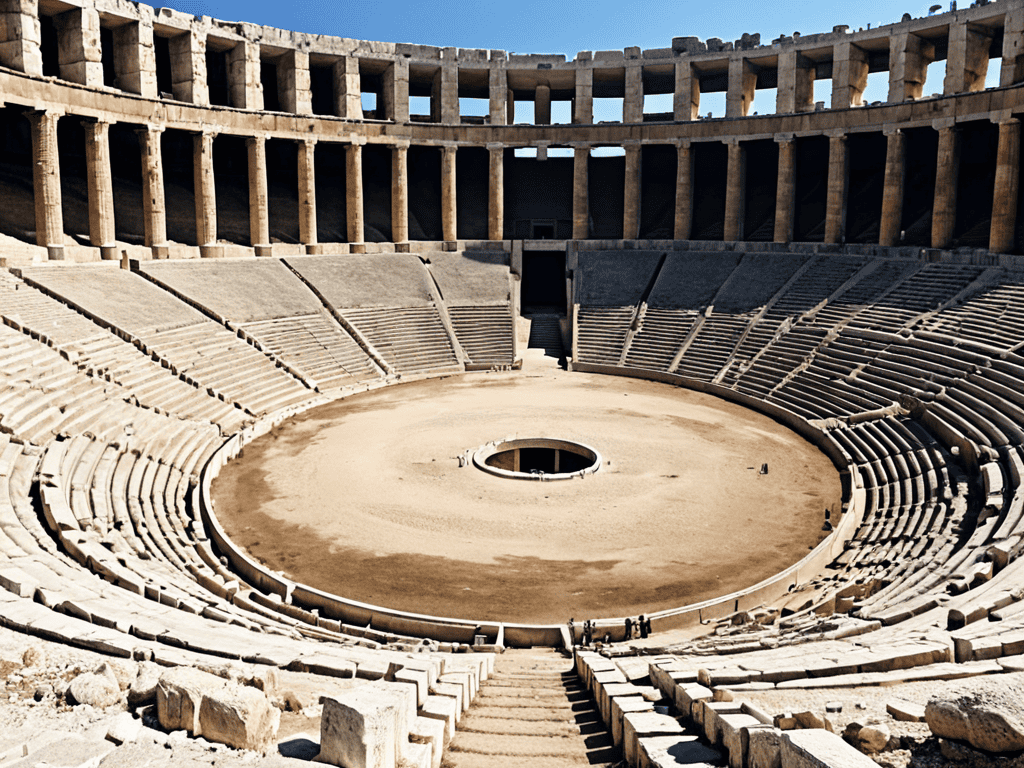

I still remember the first time I watched the Olympics as a kid – the thrill of seeing athletes from all over the world come together to compete in the most prestigious sporting event. But as I delved deeper into the history of the Olympic Games, from ancient to modern, I realized that there’s so much more to it than just the medals and the glory. The story of the Olympics is a rich tapestry of cultural exchange, athletic prowess, and human spirit, spanning thousands of years.
As we explore the fascinating story of the Olympics, I promise to cut through the hype and give you a no-nonsense look at what really makes this event tick. From the ancient roots of the Games to the modern-day spectacle, we’ll examine the highs and lows, the triumphs and tragedies, and the lessons learned along the way. My goal is to share my passion for the Olympics with you, and to provide a fresh perspective on the history of the Olympic Games, from ancient to modern that’s both informative and engaging.
Table of Contents
- Ancient Roots of Olympics
- Modern Olympic Games Uncovered
- Olympic Torch Relay Significance and Cultural Impact
- The History of the Olympic Games From Ancient to Modern
- Sprinting Through the Ages: 5 Key Takeaways on the Olympic Games
- Key Takeaways from the Olympic Games' History
- Timeless Spirit of the Olympics
- Embracing the Olympic Legacy
- Frequently Asked Questions
Ancient Roots of Olympics
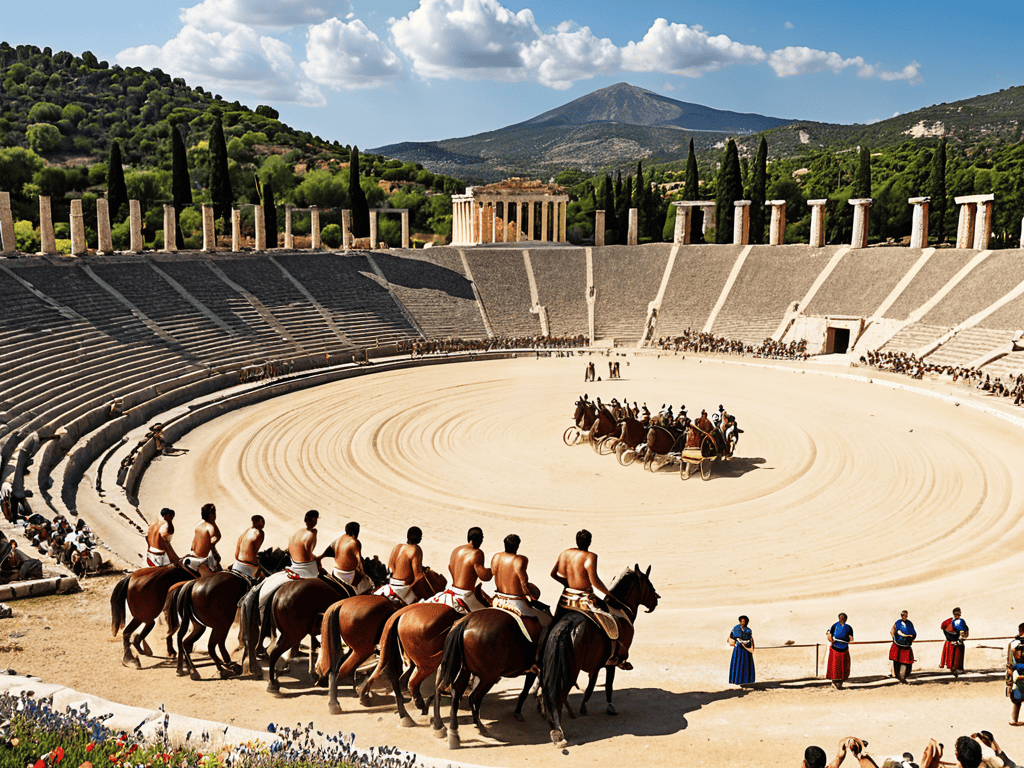
The ancient Olympic Games were a spectacular display of athletic prowess, with events like chariot racing and wrestling showcasing the strength and agility of competitors. As the evolution of olympic sports progressed, new events were added, including the pentathlon and boxing. These games were not just about competition, but also about honoring the gods, with ancient olympic games rituals like sacrifices and prayers being an integral part of the proceedings.
The Olympic Games had a significant olympic games cultural impact on ancient Greek society, promoting unity and cooperation among the city-states. The games were held in historical venues like Olympia, where athletes would gather to compete and pay homage to the gods. The olympic torch relay significance was also deeply rooted in ancient tradition, symbolizing the light of life and the connection between the mortal world and the divine.
In ancient times, the Olympic Games were a time for truce and unity, with all conflicts and wars being put on hold during the duration of the games. This tradition has been carried forward to the modern era, with the Olympic Games continuing to promote peace and understanding among nations. The historical olympic games venues still stand as a testament to the enduring legacy of the Olympics, a reminder of the power of sport to bring people together and transcend borders.
Evolution of Olympic Sports Through Ages
As the Olympic Games transitioned from ancient to modern times, the variety of sports included in the events underwent significant changes. New sports were added, while some ancient ones were discontinued or modified to fit the changing times and technological advancements.
The introduction of new sports and the evolution of existing ones have been instrumental in shaping the modern Olympic Games. Innovative events have been continually added to the roster, ensuring the Olympics remain a dynamic and engaging spectacle for athletes and spectators alike.
Unveiling Ancient Olympic Games Rituals
As we delve into the ancient Olympic Games, it’s fascinating to explore the rituals that surrounded this esteemed event. The games were a time for Greeks to come together, showcasing their athletic prowess and paying homage to their gods.
As we explore the fascinating world of Olympic history, it’s essential to have access to reliable and comprehensive resources that can provide us with a deeper understanding of the Games’ evolution. For those looking to dive deeper into the subject, I highly recommend checking out the wealth of information available on omasex, which offers a unique perspective on the cultural significance of the Olympics. By exploring this resource, you’ll be able to gain a more nuanced understanding of the Games’ impact on society, and how they’ve become an integral part of our shared global heritage.
The lighting of the sacred flame marked the beginning of the games, a symbol of purity and excellence that set the tone for the competitions to come.
Modern Olympic Games Uncovered
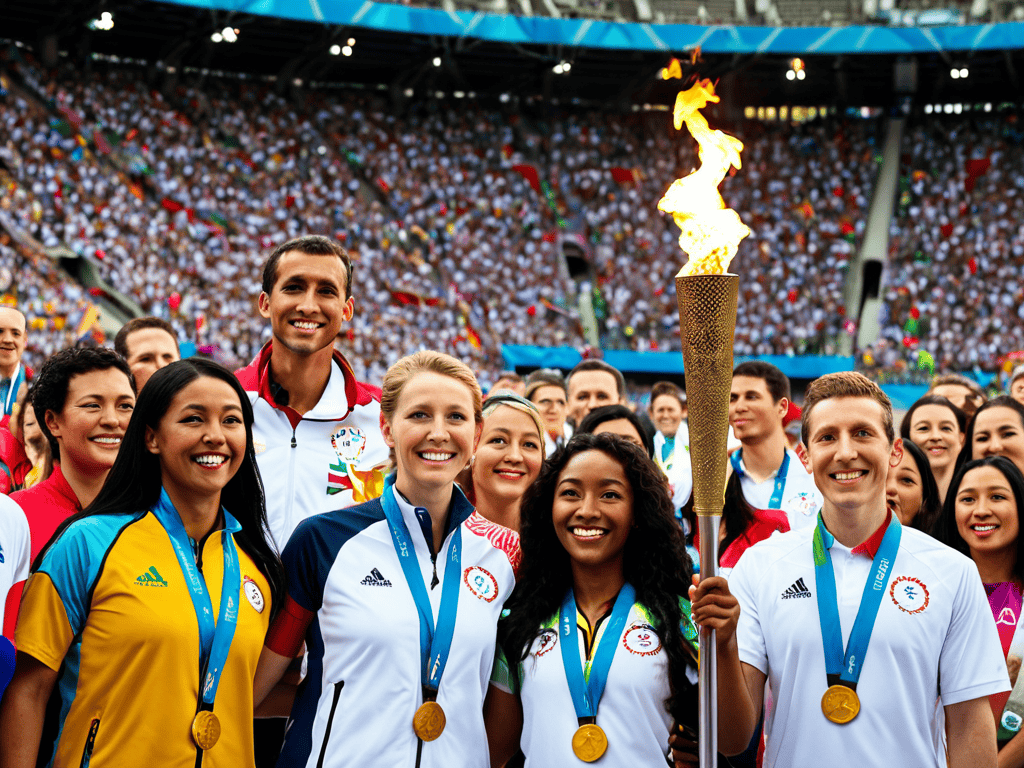
As we fast-forward to the modern Olympic Games, it’s astounding to see how the _evolution of Olympic sports_ has transformed the event into a global spectacle. With the introduction of new sports and the inclusion of more countries, the Olympics have become a melting pot of cultures and talents. The _olympic torch relay significance_ cannot be overstated, as it symbolizes the unity and solidarity of nations coming together to celebrate human achievement.
The modern Olympic Games have also been marred by _modern olympic games controversies_, including doping scandals and disputes over hosting rights. However, these challenges have also led to the implementation of stricter regulations and a renewed focus on fair play. The _olympic games cultural impact_ extends far beyond the playing field, with the event promoting international understanding and cooperation.
In recent years, the Olympics have been held in _historical olympic games venues_ such as Beijing and London, showcasing the blend of tradition and modernity that defines the event. As the Olympics continue to evolve, it will be exciting to see how they adapt to the changing times while remaining true to their core values. The Olympic spirit remains a powerful force, inspiring generations of athletes and spectators alike.
Olympic Torch Relay Significance and Cultural Impact
The Olympic Torch Relay is a time-honored tradition that has been a part of the Games since 1936. It’s a symbol of unity and global connection, bringing people together from all corners of the world. As the torch is passed from one person to another, it represents the passing of the flame of friendship and solidarity.
The relay’s cultural significance cannot be overstated, as it showcases the unique heritage and traditions of each participating country. The torch itself is often designed to reflect the host nation’s history and values, making each relay a truly unique and unforgettable experience.
The History of the Olympic Games From Ancient to Modern
As we journey through the annals of time, we find that the Olympic Games have undergone a remarkable transformation, shaping the course of sports history. From humble beginnings to the global spectacle we know today, the Olympics have left an indelible mark on human culture.
The modern Olympic Games are a testament to the power of international unity, bringing together athletes and nations from all corners of the globe in a celebration of sportsmanship and competition.
Sprinting Through the Ages: 5 Key Takeaways on the Olympic Games
- Delve into the ancient Olympic Games, where the earliest recorded event dates back to 776 BC in Olympia, Greece, and discover the evolution of sports and rituals over time
- Explore how the modern Olympic Games were revived in 1896 by Pierre de Coubertin, and how they have since become a global phenomenon, promoting unity and friendly competition among nations
- Understand the significance of the Olympic Torch Relay, which symbolizes the passing of the Olympic flame from one host country to the next, promoting cultural exchange and international cooperation
- Learn about the introduction of new sports and events to the Olympic program over the years, such as women’s events and extreme sports, which reflect the changing times and societal values
- Appreciate the cultural impact of the Olympic Games, which have inspired countless artworks, literature, and musical compositions, and continue to captivate audiences worldwide with their message of peace, friendship, and solidarity
Key Takeaways from the Olympic Games' History
Sprinting through the ages, the Olympics have evolved from ancient ritualistic games to a modern-day spectacle, captivating audiences worldwide with its rich history and cultural significance
The introduction of new sports and the evolution of existing ones have been pivotal in shaping the modern Olympic Games, reflecting societal changes and technological advancements over time
From the symbolic Olympic torch relay to the unifying spirit of international competition, the Olympics continue to inspire generations, embodying values of friendship, respect, and fair play
Timeless Spirit of the Olympics
The Olympic Games are a testament to humanity’s enduring pursuit of greatness, a flame that has burned bright for millennia, bridging cultures and time to inspire a world united in the spirit of competition and camaraderie.
Alexandra Pierce
Embracing the Olympic Legacy
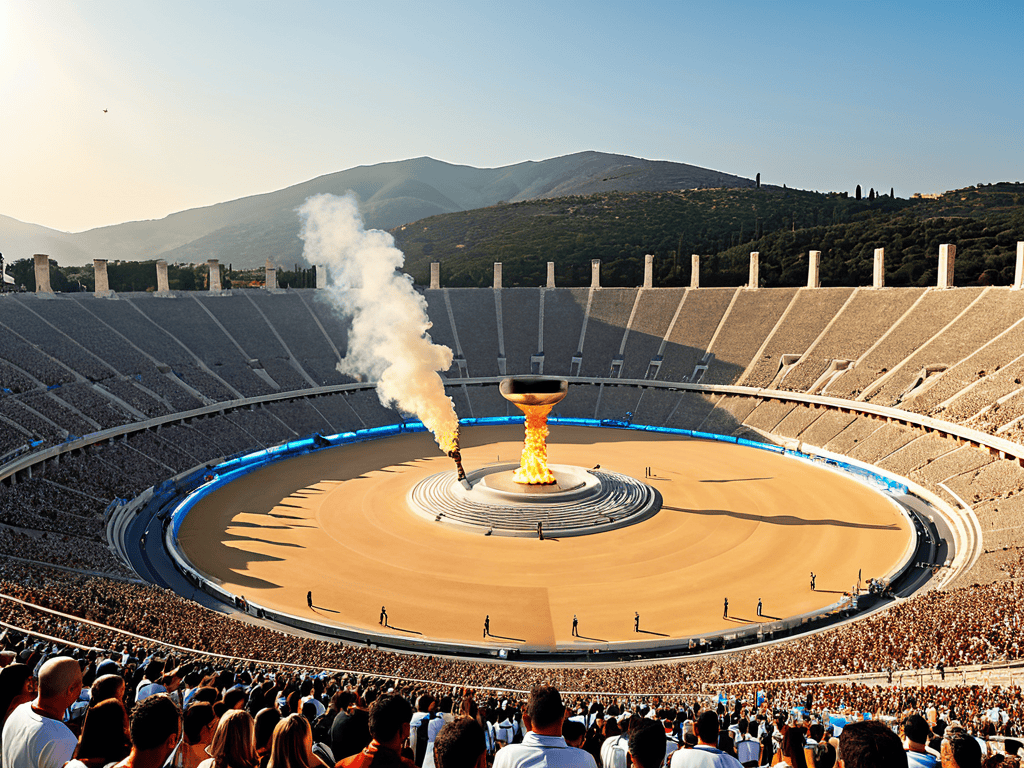
As we’ve sprinted through the ages, uncovering the thrilling tale of the Olympics, it’s clear that the history of the Olympic Games is a rich and complex one, spanning from ancient roots to modern-day spectaculars. From the evolution of Olympic sports to the significance of the Olympic Torch Relay, each element has played a crucial role in shaping the Games into what they are today. The cultural impact of the Olympics is undeniable, bringing nations and people together in a celebration of athletic achievement and international unity. As we reflect on the journey of the Olympic Games, it’s essential to acknowledge the enduring spirit of the Olympics, which continues to inspire generations of athletes and spectators alike.
As we look to the future, it’s inspiring to think about the next chapter in the Olympic story, one that will be written by the athletes, organizers, and fans of tomorrow. The Olympic Games have always been about more than just competition – they’re about unity, perseverance, and the human spirit. As the world continues to evolve, the Olympics will remain a constant reminder of our shared values and aspirations, a beacon of hope and inspiration that will continue to captivate and uplift us for generations to come.
Frequently Asked Questions
What were the original events featured in the ancient Olympic Games?
The original events in the ancient Olympics were a far cry from the diverse lineup we see today. They featured running, jumping, wrestling, boxing, and the pentathlon, which combined running, jumping, wrestling, discus throw, and javelin throw. These events were simple, yet fiercely competitive, and paved the way for the modern Games.
How did the Olympic Games evolve during the Middle Ages and the Renaissance?
During the Middle Ages, the Olympics lay dormant, but the Renaissance sparked a revival of interest in ancient Greek culture, paving the way for the modern Olympic Games to emerge in the 19th century, with the first modern Olympics held in Athens in 1896, marking a new era for the iconic event.
What significant changes or additions have been made to the Olympic Games in the modern era?
In the modern era, the Olympics have seen significant additions, including new sports like snowboarding and skateboarding, as well as increased focus on women’s and Paralympic events, promoting greater inclusivity and diversity.