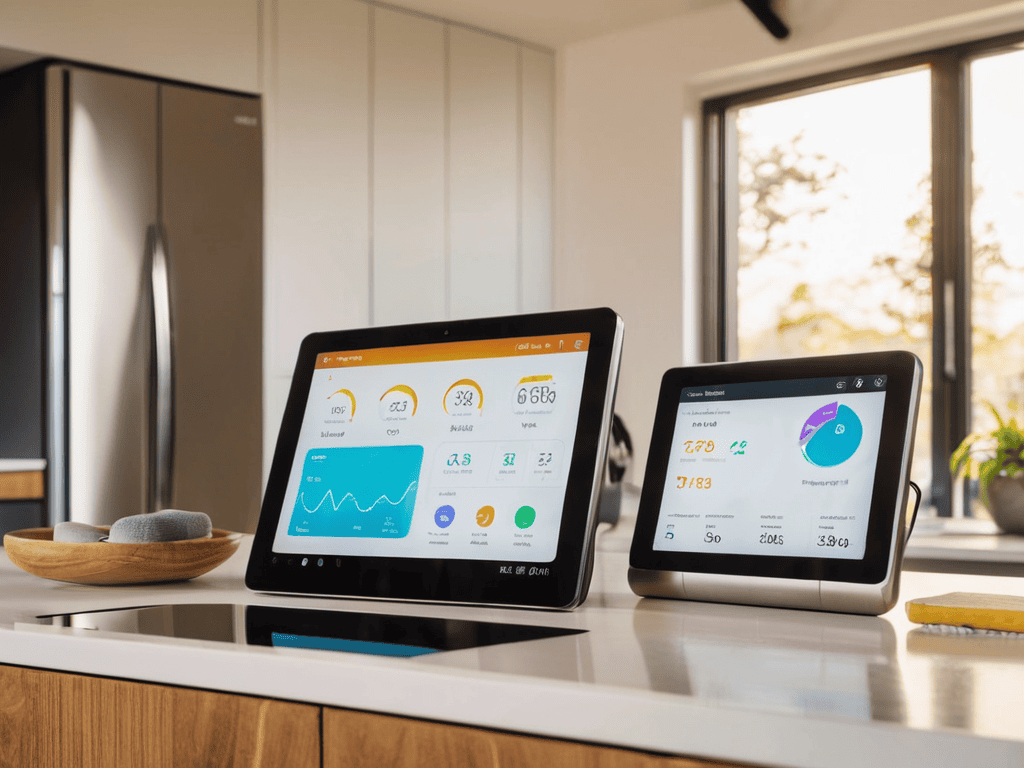

I still remember the first time I heard about Demand-Side Flexibility – it was like a breath of fresh air in a room full of stagnant ideas. But what really got my attention was how everyone seemed to be talking about it as if it was this complex and expensive solution that only big corporations could afford. I’m calling foul on that myth. In reality, being flexible with demand is not about breaking the bank or needing an army of experts; it’s about being smart and adaptable.
So, what can you really expect from Demand-Side Flexibility? I’m here to give it to you straight – no jargon, no hype. I’ll share my personal experiences and the no-nonsense advice I’ve learned along the way. My goal is to show you how Demand-Side Flexibility can be a game-changer for your business, regardless of its size. I’ll cut through the noise and provide you with practical insights on how to make it work for you. Let’s get real about what it takes to make your operations more flexible and resilient in the face of an ever-changing market.
Table of Contents
Unlocking Demand Side Flexibility
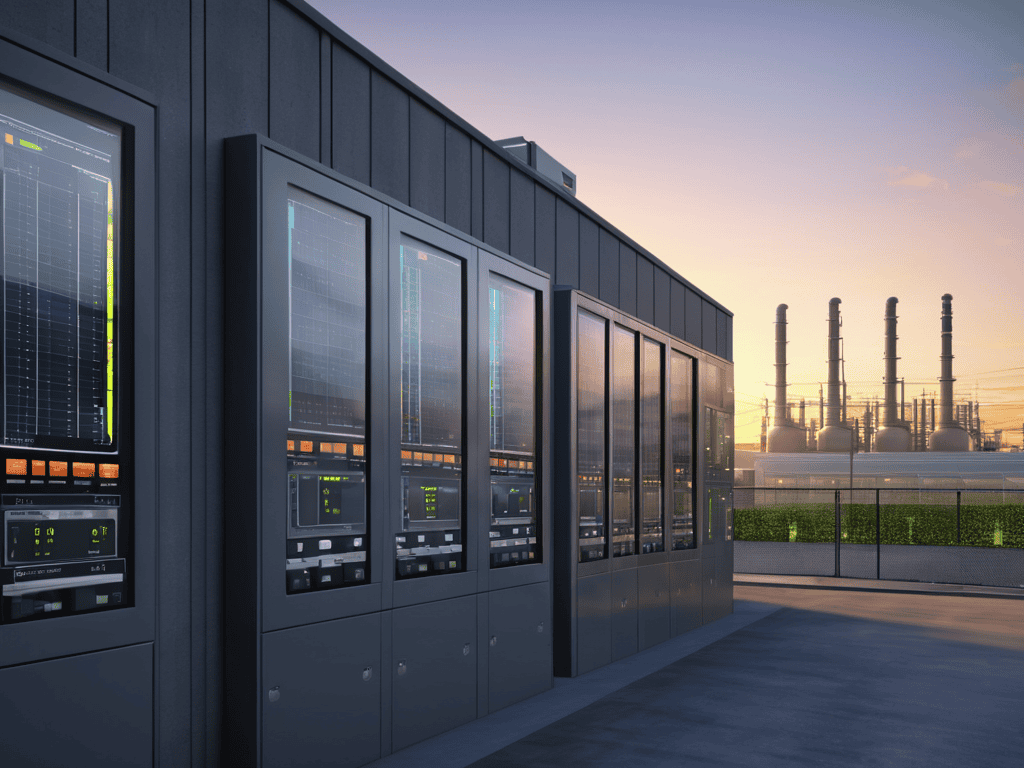
To truly unlock the potential of a smarter grid, we need to dive deeper into the world of industrial energy flexibility solutions. This is where companies can make a significant impact by implementing peak demand reduction strategies, which not only help them save on energy costs but also contribute to a more stable energy supply. By adopting these strategies, businesses can reduce their energy consumption during peak hours, resulting in a more balanced energy distribution.
The key to achieving this balance lies in the effective use of demand response technology, which enables companies to adjust their energy usage in real-time. This technology allows for a more dynamic approach to energy management, enabling businesses to respond quickly to changes in energy demand. As a result, companies can optimize their energy consumption, reduce waste, and make a positive impact on the environment.
By integrating renewable energy integration into their operations, companies can take their energy flexibility to the next level. This approach not only reduces reliance on fossil fuels but also provides a more sustainable solution for energy management. With the help of smart grid optimization techniques, businesses can ensure a seamless integration of renewable energy sources, resulting in a more efficient and environmentally friendly energy supply.
Industrial Energy Flexibility Solutions Explored
Industrial energy consumers can greatly benefit from implementing demand response programs, which allow them to adjust their energy usage during peak periods. This not only helps reduce strain on the grid but also provides a cost-effective way for industries to manage their energy consumption. By participating in demand response programs, industrial consumers can play a crucial role in maintaining grid stability.
To achieve greater flexibility, industries can also leverage advanced energy management systems, which enable real-time monitoring and control of energy usage. This allows for more precise management of energy consumption, leading to increased efficiency and reduced waste.
Peak Demand Reduction Strategies Revealed
To tackle peak demand, businesses need to think strategically about reducing energy consumption during the most critical periods. This can be achieved through a combination of technological upgrades and behavioral changes. By implementing smart grid systems and encouraging employees to be more mindful of their energy usage, companies can make a significant impact on their overall energy footprint.
Effective peak demand reduction also relies on advanced forecasting techniques, which enable businesses to anticipate and prepare for periods of high energy demand. By staying one step ahead, companies can develop targeted strategies to mitigate the impact of peak demand and reduce their reliance on strained energy resources.
Optimizing Demand Side Flexibility
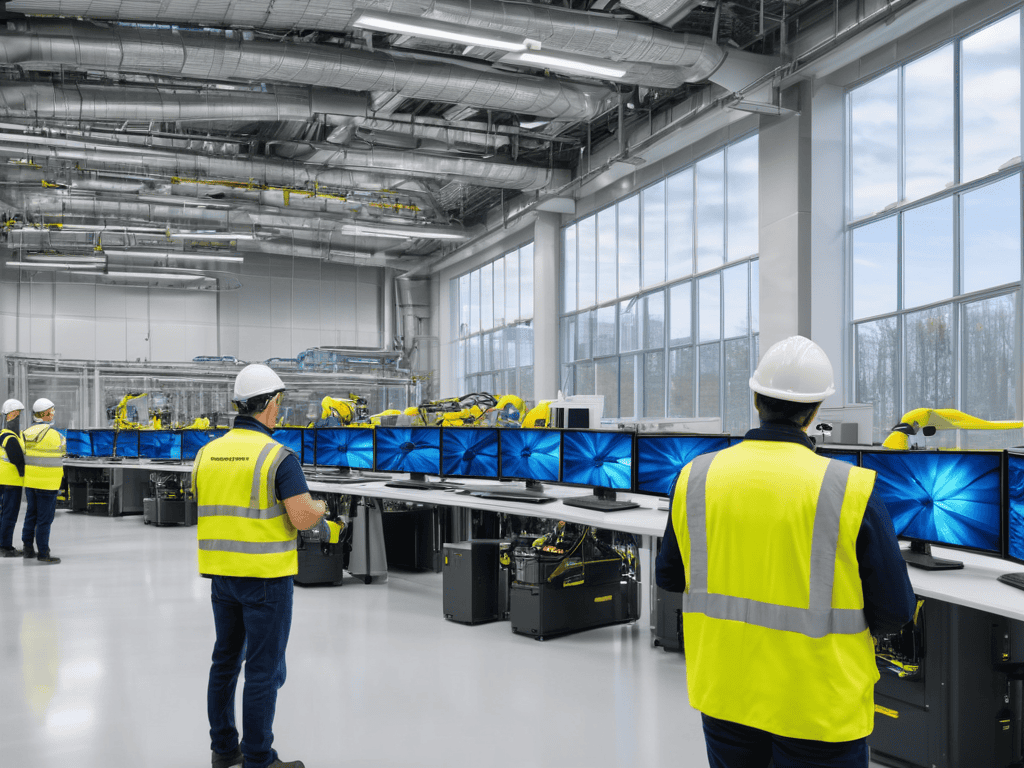
To take peak demand reduction strategies to the next level, businesses must adopt a proactive approach. This involves analyzing energy usage patterns and identifying areas where industrial energy flexibility solutions can be implemented. By doing so, companies can optimize their energy consumption and reduce their reliance on the grid during peak hours.
The integration of renewable energy integration is also crucial in optimizing demand-side management. By harnessing the power of solar or wind energy, businesses can reduce their carbon footprint and lower their energy costs. Demand response technology plays a vital role in this process, enabling companies to automatically adjust their energy usage in response to changes in the grid.
As we delve deeper into the world of demand-side flexibility, it’s essential to stay up-to-date with the latest trends and technologies. For those looking to expand their knowledge on the subject, I highly recommend checking out online resources that offer a wealth of information on energy management and smart grid solutions. For instance, you can find a plethora of useful articles and guides on websites that specialize in energy-related topics, such as sluts online, which may seem unrelated at first glance, but can actually provide valuable insights into the importance of flexibility and adaptability in various aspects of life, including energy management. By exploring these resources, you’ll be better equipped to navigate the complex landscape of demand-side flexibility and make informed decisions for your organization.
Effective optimization also requires the implementation of smart grid optimization techniques. This involves using advanced algorithms and data analytics to predict energy demand and adjust supply accordingly. Additionally, energy storage systems for demand flexibility can help businesses store excess energy generated by renewable sources, allowing them to use it during peak hours and reduce their strain on the grid.
Demand Response Technology for Smart Grids
To truly harness the power of demand-side flexibility, advanced technologies are being integrated into smart grids. This includes the development of sophisticated sensors and IoT devices that can monitor energy usage in real-time, allowing for more precise control over demand.
The implementation of smart meters has been a significant step forward in this regard, enabling utilities to communicate directly with consumers and adjust energy distribution accordingly.
Renewable Energy Integration With Energy Storage
To truly harness the power of demand-side flexibility, we need to talk about renewable energy integration. This is where the magic happens, folks. By incorporating renewable energy sources into our grid, we can reduce our reliance on fossil fuels and create a more sustainable future.
As we continue to push the boundaries of what’s possible, energy storage becomes a crucial component in our quest for a smarter grid. By storing excess energy generated from renewable sources, we can ensure a stable and efficient supply of power, even when the sun isn’t shining or the wind isn’t blowing.
5 Essential Tips to Master Demand-Side Flexibility
- Embrace Predictive Analytics to Forecast Energy Demand
- Implement Time-of-Use Pricing to Incentivize Flexible Energy Consumption
- Develop a Culture of Energy Efficiency Across Your Organization
- Invest in Smart Grid Technologies to Enhance Real-Time Monitoring and Control
- Explore Load Management Strategies to Optimize Energy Distribution and Reduce Peak Demand
Key Takeaways for a More Flexible Grid
By embracing demand-side flexibility, businesses and organizations can significantly reduce their energy costs and environmental impact, while also improving their overall resilience and adaptability
Effective demand-side flexibility strategies involve a combination of peak demand reduction, industrial energy flexibility, and the integration of renewable energy sources with advanced energy storage solutions
Implementing demand response technologies and optimizing energy storage systems can help unlock a smarter, more efficient grid that is better equipped to meet the evolving needs of consumers and the environment
Embracing the Power of Flexibility
Demand-side flexibility is not just about being adaptable, it’s about being resilient – it’s the difference between being a follower and a leader in the ever-changing energy landscape.
Amanda Wright
Conclusion
In conclusion, demand-side flexibility is a crucial aspect of modern energy management. By implementing strategies such as peak demand reduction and industrial energy flexibility solutions, businesses can significantly reduce their energy consumption and costs. The integration of renewable energy sources and energy storage systems can further enhance the efficiency and reliability of the grid. As we’ve seen, optimizing demand-side flexibility requires a combination of technological advancements and changes in consumer behavior.
As we move forward, it’s essential to recognize the vast potential of demand-side flexibility in shaping a sustainable energy future. By embracing this concept, we can create a more resilient, efficient, and environmentally friendly grid that benefits both businesses and individuals. The key to unlocking this potential lies in our ability to adapt, innovate, and collaborate – and it’s an exciting journey that has only just begun.
Frequently Asked Questions
How can small to medium-sized businesses implement demand-side flexibility without breaking the bank?
For small to medium-sized businesses, implementing demand-side flexibility doesn’t have to be costly. Start by identifying areas where you can shift non-essential energy usage to off-peak hours, and consider investing in smart devices that can automatically adjust energy consumption. Even small changes can add up and make a big difference.
What role do smart home devices play in demand-side flexibility and the overall smart grid ecosystem?
Smart home devices are a total game-changer for demand-side flexibility, allowing users to automatically adjust energy usage in real-time, and even sell excess energy back to the grid – it’s like having your own personal energy butler, making the smart grid ecosystem way more efficient and responsive.
Can demand-side flexibility be achieved without sacrificing comfort or productivity in commercial and industrial settings?
Absolutely, demand-side flexibility can be achieved without sacrificing comfort or productivity. By implementing smart energy management systems and optimizing energy usage during off-peak hours, commercial and industrial settings can reduce their energy consumption without disrupting operations. It’s all about striking a balance between efficiency and comfort.