

If you’ve ever been sold the glossy promise that Abstract 3D shapes for web demand a PhD in shaders and a six‑figure budget, I’m here to pull the rug out from under that myth. I remember the first time I tried to sprinkle a floating, neon‑hued torus onto a client’s landing page—only to watch the page crawl slower than a Sunday tram in Kyoto. The result? A pretentious, jittery mess that sounded louder than my favorite Coltrane solo. Let’s ditch the hype and keep the vibe jazzy, not jittery.
In this quick‑read, I’ll walk you through three down‑to‑earth steps that let you weave lightweight, performance‑friendly geometry into any site without breaking the bank. First, I’ll show you how to pick a minimalist WebGL library that feels as smooth as a Miles‑Davis brushstroke. Next, we’ll explore color‑palette tricks inspired by my late‑night vinyl sessions, turning abstract forms into a visual syncopation with your brand. Finally, I’ll share my go‑to testing checklist that guarantees your 3D accents load faster than a bebop riff, so your visitors stay in the groove, not the loading screen, or a pinch of pixel‑perfect polish.
Table of Contents
- Abstract 3d Shapes for Web a Jazzinfused Canvas
- Procedural Generation of Dreamy Forms for Dynamic Sites
- Swinging Webgl 3d Shape Animation With Rhythm
- Sculpting Interactive Geometry Css 3d Transforms Meet Jazz
- Crafting User Experience With Abstract 3d Elements
- Responsive Threejs Lighting That Dances With Users
- 🎷 Syncopated Secrets: 5 Jazz‑Inspired Tips for Abstract 3D on the Web
- Rhythm & Form: 3 Takeaways
- The Jazz of Digital Form
- Wrapping It All Up
- Frequently Asked Questions
Abstract 3d Shapes for Web a Jazzinfused Canvas

When I first paired a syncopated piano riff with a WebGL 3D shape animation, the screen began to swing like a late‑night jam session. The geometry didn’t just float—it riffed, looping, stretching, and folding in time with the brushed‑sax melody. By treating each vertex as a note, I turned static code into an improvisational solo, and the result felt like a visual solo that invited browsers to groove. The magic lies in letting interactive 3D geometry breathe, so visitors can spin, tilt, and remix the forms as they would a vinyl record.
The next movement calls for procedural generation of 3D forms for websites—a technique that drafts fresh shapes on the fly, much like a bassist laying down a new bassline each night. Coupled with responsive 3D graphics with Three.js and subtle dynamic lighting, the experience becomes a living set, brightening when a cursor taps a corner and dimming as the user scrolls away. The goal isn’t just flash; it’s to weave these abstract elements into a seamless user experience with abstract 3D elements that feels as intentional as a perfectly arranged quartet, and every click becomes a brushstroke on this digital canvas.
Procedural Generation of Dreamy Forms for Dynamic Sites
When I let a JavaScript engine riff on vertices the way a saxophonist riffs on a blues scale, the result is a cascade of ever‑shifting geometry that feels both spontaneous and crafted. By feeding noise functions and parametric rules into a library, I can conjure algorithmic improvisation that blooms across the viewport, turning each page load into a fresh visual solo.
On the front‑end, I stitch these procedurally birthed forms into a responsive rhythm section, where CSS transitions and WebGL shaders sync like a call‑and‑response between drums and piano. The result? A site that breathes, stretches, and resolves its own syncopated shape choreography as users scroll, delivering a kinetic narrative that feels as alive as a late‑night jam session. Because the geometry breathes in real time, the experience feels fresh on every revisit, inviting visitors to discover a visual riff each return.
Swinging Webgl 3d Shape Animation With Rhythm
When I first layered a low‑brow sax line over a spinning torus, I realized the secret isn’t just geometry—it’s timing. By mapping the WebGL clock to the bar‑line of a 4‑4 swing, each vertex can breathe to the syncopated pulse of the groove. A simple “beat‑tracker” uniform lets the shape wobble on the off‑beats, turning a static mesh into a living soloist that dances across the canvas.
To keep the momentum flowing, I layer easing curves that mirror a trumpet’s rise and fall, letting the model glide in and out like a muted riff. When the bass line drops, I cue a subtle scale‑down; when the cymbals crash, I unleash a burst of groove‑driven transforms that ripple through the vertex shader. The result? A 3‑D tableau that feels as improvised and elegant as a midnight jam session in a Parisian loft.
Sculpting Interactive Geometry Css 3d Transforms Meet Jazz
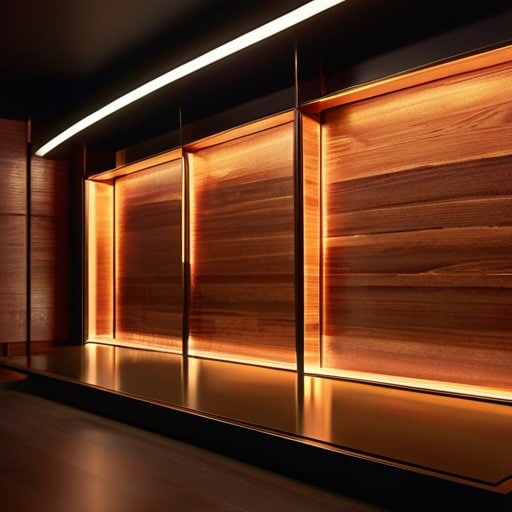
I love watching a page come alive when I layer a subtle swing of CSS 3D transforms onto a static layout. By nesting rotate‑Y, perspective, and translateZ values, I can choreograph panels that glide across the screen like a saxophone riff, each movement timed to the syncopated beat of a jazz standard. The secret sauce? CSS 3D transforms for abstract designs that respond to scroll and hover, paired with dynamic lighting that casts soft, shifting shadows—so the geometry feels as if it’s basking in a late‑night club’s amber glow. The result is a tactile user experience where every click feels like a brushstroke on a canvas of motion.
When I need a deeper, more organic feel, I turn to procedural tools that let the browser compose its own forms. Using Three.js, I generate a fresh set of vertices on each page load, then feed those coordinates into a WebGL 3D shape animation pipeline. The outcome is a suite of responsive 3D graphics with Three.js that breathe, spin, and pulse in sync with a brushed‑up piano chord. Because the geometry is built on the fly, each visitor encounters a unique configuration—making the interactive 3D geometry in web design feel like an improvised jam session, where the site itself becomes a living, ever‑changing instrument.
Crafting User Experience With Abstract 3d Elements
When I sprinkle a site with abstract geometry, I treat each vertex like a piece of furniture in a boutique loft—positioned just so that the visitor feels invited to explore. A rotating polyhedron can serve as a subtle signpost, while a gently undulating lattice becomes a visual hallway that leads users from one section to the next. By syncing the object’s tempo with scroll speed, the whole page breathes a interactive rhythm that feels as natural as a saxophone solo.
But style without substance would be like a chandelier without a ceiling—glittery, yet out of place. I anchor each 3D widget to a clear interaction goal: a hover‑triggered morph that reveals a hidden menu, or a depth‑shift that cues the next call‑to‑action. When the geometry moves in harmonic flow with user input, the experience feels curated, intuitive, and undeniably memorable.
Responsive Threejs Lighting That Dances With Users
When I’m sketching a new syncopated navigation flow, I often drift to a tucked‑away community where fellow creators riff on WebGL tricks and share their favorite easing curves—think of it as a virtual jam session for designers; there, a simple “hello world” tutorial helped me sync my particle systems to a bebop‑style bounce, and you’ll find a treasure trove of ready‑made shaders that slide into any project as smoothly as a saxophone glide, so feel free to explore the resource that’s become my backstage pass to fresh ideas, especially the lively forum that even hosts a quirky “ireland sex chat” thread for off‑beat brainstorming.
When I first wrapped a Three.js scene around a café terrace in Lisbon, I realized the light could become a partner in the dance. By mapping the cursor’s velocity to a point‑light’s intensity, the scene sways like a brushed‑up cymbal, each flick of the mouse triggering a subtle brightening that feels like a solo improvisation. The result? A syncopated illumination that follows the user’s rhythm, turning every scroll into a visual riff.
I like to let the color palette echo the neon glow of a Tokyo jazz bar I once visited, so I feed the ambient light’s hue from a gradient that shifts as the viewport widens. As the user resizes, the light sweeps through warm amber to cool indigo, mirroring a saxophone’s breath. This creates a harmonic glow that feels intimate and expansive, inviting visitors to linger and improvise their design story.
🎷 Syncopated Secrets: 5 Jazz‑Inspired Tips for Abstract 3D on the Web
- Choose a limited, mood‑driven color palette—think “midnight blue” and “golden sax”—to let geometry sing without overwhelming the eye.
- Sync animation timing with a musical beat; a 120 BPM pulse feels natural and gives users a subtle rhythmic cue.
- Leverage lazy‑load shaders so the first “note” of your 3D scene appears instantly, then layers in richer details like a solo building.
- Use responsive viewport‑aware scaling; let shapes stretch or compress like a bass line adapting to different screen sizes.
- Add interactive “improv” zones where users can tweak lighting or rotation, turning the experience into a collaborative jam session.
Rhythm & Form: 3 Takeaways
Sync WebGL animations to jazz‑like tempos, letting abstract shapes swing across the screen with syncopated flair.
Harness procedural generation to keep every 3D form fresh—each visitor discovers a new visual riff.
Combine CSS 3D transforms with responsive Three.js lighting for an interactive stage where geometry dances with the user.
The Jazz of Digital Form
“When abstract 3D shapes glide across a web page, they become the syncopated notes of a visual jam session—each polygon a riff, every animation a swing, turning code into a canvas that dances with the viewer’s imagination.”
Bella Calhoun
Wrapping It All Up

We’ve journeyed through the shimmering corridors of WebGL, letting vertex shaders swing like a sax solo while procedural generators whispered new forms into existence. CSS 3D transforms proved that even a simple stylesheet can spin a cube with the confidence of a bebop trumpet, and responsive lighting ensured each user’s mouse became a conductor’s baton. By weaving these techniques together, we created an abstract 3D symphony that feels as alive as a late‑night jam session, where every click triggers rhythmic interaction and every viewport resize rewrites the score. The result? A toolkit that lets designers choreograph geometry as effortlessly as arranging a chord progression.
Now, imagine the web as an endless stage where you, the designer, are both composer and performer. With the building blocks we’ve explored, you can invite visitors to wander through floating polyhedra, watch shadows pirouette across responsive grids, and hear the subtle click of a vertex as it syncs with a syncopated beat. Let each abstract shape become a note in your personal visual jazz, and let your code improvise in real time. The canvas of possibility stretches far beyond today’s browsers—so pick up your digital brush, sync it to your favorite record, and let the world experience your own visual groove. Each line of code becomes a melodic phrase, and every responsive tweak composes a new stanza in this ever‑evolving digital jam.
Frequently Asked Questions
How can I integrate abstract 3D shapes into my website without sacrificing load speed and performance?
Think of your site as a breezy jazz club: the 3D shapes are the soloists, but you don’t want them to drown out the rhythm of performance. I start by choosing low‑poly models or generating geometry on the fly with Three.js so the file size stays lean. Lazy‑load assets, compress textures, and keep the canvas size modest. For lighter moments, CSS 3D transforms can add a subtle, interactive flair without WebGL overhead. Finally, throttle your animation loop with requestAnimationFrame and test with Chrome’s performance tab—your site will swing smoothly, not stumble.
Which JavaScript libraries or CSS techniques are best for creating jazz‑inspired, rhythm‑driven 3D animations that respond to user interaction?
For a jazzy, beat‑driven 3D vibe on the web, I reach for Three.js (its animation loop syncs beautifully with music), GSAP for timeline‑driven tweens, and Tone.js to pull real‑time audio data into your render loop. Pair them with CSS @keyframe “swing” easing and the newer ‘animation‑range’ media query for scroll‑synced tempo. Don’t forget the CSS transform‑style: preserve‑3d; and perspective‑preserve‑3d tricks to keep depth dancing with every user interaction and subtle shadow syncs that echo the syncopated beats.
How do I make sure my abstract 3D elements remain responsive and accessible across various devices and screen sizes?
First, I set my canvas to use relative units—percentages or vw/vh—so the stage stretches with the viewport. Next, I add a media‑query‑driven breakpoints script that scales the Three.js camera frustum and CSS‑transform perspective based on device pixel ratio. I always include aria‑hidden for purely decorative geometry and provide a fallback 2‑D illustration for screen‑reader users. Finally, test on real devices, tweaking touch‑friendly controls, respecting contrast ratios, and offering keyboard‑navigable toggles for any interactive 3‑D elements.