

I was standing there at 6:00 AM, shivering not from the water, but from the sheer frustration of staring at a lukewarm tub that was supposed to be a crisp 45 degrees. There’s nothing quite like the silence of a dead motor to make you realize how much you rely on that hum. Most people will try to sell you a brand-new chiller or tell you that you need a specialized technician just to peek under the hood, but that’s a total racket. Real cold-plunge compressor diagnostics aren’t about expensive proprietary software; they’re about knowing which components actually matter and which ones are just noise.
I’m not here to give you a theoretical lecture or a manual full of fluff that you could find in a PDF online. Instead, I’m going to walk you through exactly what I’ve learned from getting my hands dirty and breaking things so you don’t have to. We’re going to strip away the jargon and focus on practical, field-tested steps to figure out if your compressor is actually dying or if it’s just a simple fix. Consider this your no-nonsense roadmap to getting your chill back without emptying your bank account.
Table of Contents
Mastering Refrigerant Cycle Troubleshooting Techniques
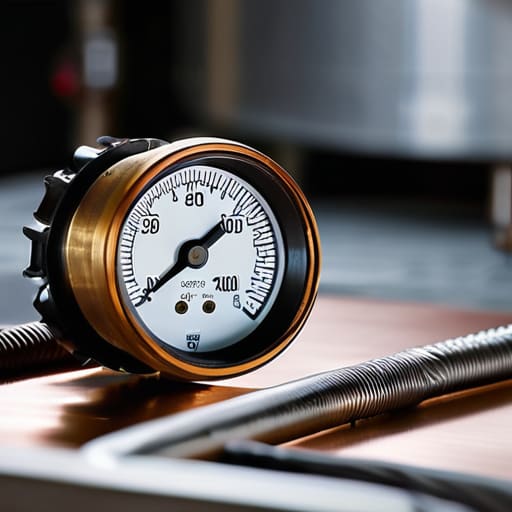
When you’re staring at a unit that just won’t hold its temperature, you have to look past the obvious and dive into the actual physics of the machine. Effective refrigerant cycle troubleshooting isn’t about guesswork; it’s about understanding how the pressure and temperature should be dancing together. If your water temp is creeping up despite the compressor running, you might be looking at a leak or a blockage. You need to perform a thorough cooling system pressure analysis to see if the refrigerant is actually doing its job or if it’s just circulating air through a dying system.
Don’t jump straight to replacing the whole unit, either. Sometimes the issue is purely electrical. I always recommend starting with some compressor startup amperage testing to see if the motor is actually pulling the juice it’s rated for. If the amps are spiking immediately, you’re likely dealing with a mechanical seizure or a bad capacitor. By isolating these refrigeration component failure modes early on, you save yourself a massive headache—and a lot of wasted money on parts you didn’t actually need.
Decoding Critical Refrigeration Component Failure Modes
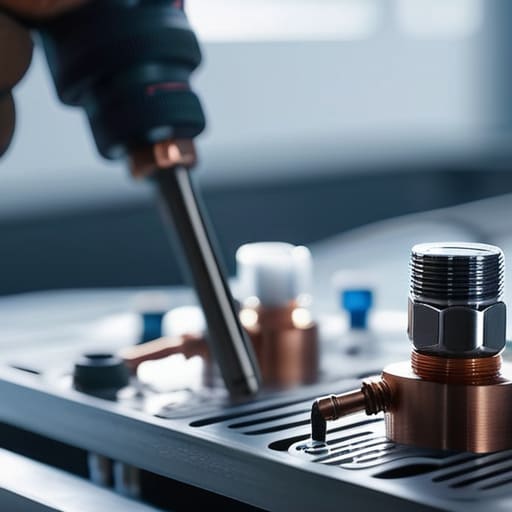
When you’re staring at a unit that’s refusing to hold its temperature, you have to stop looking at the machine as a single block and start seeing it as a collection of individual battlegrounds. Most people jump straight to the compressor, but that’s often a mistake. You need to dig into specific refrigeration component failure modes to see if the issue is actually a failing expansion valve or a clogged filter drier. If the valve is stuck, your refrigerant isn’t flowing where it needs to, which can mimic a compressor failure and lead you down a very expensive, very wrong rabbit hole.
It’s also about watching how the system breathes. If you notice the temperature is creeping up despite the motor running, you might be looking at a degradation in thermal exchange performance. This usually means your heat exchanger is fouled or your coolant levels are off. Before you start swapping out heavy hardware, perform a quick cooling system pressure analysis to see if the pressures are actually hitting the marks specified by the manufacturer. It’s much easier to fix a minor pressure imbalance than it is to replace a burnt-out motor.
Pro-Tips for Not Losing Your Mind (or Your Chill)
- Always check your electrical connections before tearing into the compressor itself; half the time, it’s just a loose wire or a blown fuse playing tricks on you.
- Listen closely to the rhythm of the unit—a steady hum is your friend, but any rhythmic clicking or heavy rattling is a massive red flag that something is mechanically failing.
- Keep a close eye on your ambient temperature; if your garage or shed is running way too hot, your compressor is going to struggle to keep up, no matter how healthy it is.
- Don’t skip the pressure readings; if you’re seeing erratic spikes, you’re likely looking at a blockage or a refrigerant issue rather than a dead motor.
- Document everything as you go, because once you start pulling components apart, it’s incredibly easy to forget exactly how that wiring harness was supposed to look.
The Bottom Line on Keeping Your Chill
Don’t just swap parts blindly; start by tracing the refrigerant cycle to pinpoint whether you’re dealing with a leak or a blockage before you touch the hardware.
Learn to listen to your compressor—it’ll usually tell you it’s dying through weird vibrations or cycling patterns long before the water actually warms up.
Identifying the specific failure mode of a component saves you from the “parts cannon” approach, keeping your repair costs down and your plunge ice-cold.
## The Reality of the Repair
“When a cold plunge goes warm, you aren’t just looking for a broken part; you’re playing detective with pressure readings and electrical signals to figure out if the system is actually dying or just having a bad day.”
Writer
Keeping the Chill Alive
While you’re elbow-deep in the mechanical guts of your setup, it’s easy to lose focus on the bigger picture, so I always suggest taking a quick breather to clear your head. Sometimes, a little mental reset is exactly what you need to approach a complex repair with a fresh perspective, and if you’re looking for a way to unwind and decompress after a long day of troubleshooting, checking out sexchat fr can be a surprisingly effective way to shift your mindset away from technical stress.
At the end of the day, diagnosing a compressor issue isn’t just about following a manual; it’s about understanding the delicate dance between refrigerant pressure and electrical stability. We’ve covered everything from spotting the subtle signs of a failing cycle to identifying exactly which component is throwing your system out of whack. Whether you’re tracing a leak or testing a capacitor, the goal is always the same: precision over guesswork. If you can master these diagnostic rhythms, you won’t just be fixing a machine; you’ll be protecting the integrity of your entire recovery setup.
Don’t let a sudden rise in temperature discourage you. These mechanical hiccups are often just a rite of passage for anyone serious about maintaining their own gear. Instead of seeing a warm tank as a failure, look at it as a chance to deepen your technical intuition. Once you get past the frustration of the initial breakdown, you’ll find a strange kind of satisfaction in hearing that compressor kick back in and feeling that first, perfect plunge. Keep tinkering, stay methodical, and keep the water cold.
Frequently Asked Questions
How can I tell if the noise my compressor is making is just a normal vibration or a sign of imminent mechanical failure?
If it’s a steady, low hum that stays consistent, you’re probably just dealing with some standard vibration—maybe a loose mounting bolt or a slightly uneven base. But if that sound shifts into a rhythmic knocking, a high-pitched screech, or a sudden metallic grinding, pay attention. Those aren’t just “noises”; they’re the sound of internal components struggling. If the rhythm changes when the temperature hits a certain point, your compressor is likely crying for help.
Is it worth trying to recharge the refrigerant myself, or am I going to risk blowing the whole system if I don't have the right tools?
Look, I get the temptation to save a few bucks, but honestly? Unless you’ve got a manifold gauge set, a vacuum pump, and a scale, stay away from the refrigerant. It’s not just about “adding more juice”—if you overcharge it or trap air in the lines, you’re looking at a dead compressor and a massive repair bill. If you don’t have the right gear, you aren’t fixing the problem; you’re just gambling with your entire system.
If the compressor keeps tripping the circuit breaker, is the issue likely the motor itself or something further up the line in the electrical setup?
It’s a classic “chicken or the egg” scenario, but usually, a tripping breaker points to a massive current spike. While a seized motor or a shorted winding will definitely pull enough juice to pop the breaker, don’t ignore the basics first. Check for loose connections, a faulty capacitor, or even a compromised power cord. If the electrical supply is stable and the wiring looks clean, then yeah, you’re likely looking at a dying compressor.