Ever tried coaxing a reluctant toddler into eating their peas? That’s the kind of exasperation I felt the first time I tangled with a home automation starter kit. There I was, armed with a manual thicker than War and Peace, trying to convince my so-called “smart” lights to dim. But like an obstinate child, they clung to their brightness with the tenacity of a coffee addict clutching their morning brew. I found myself pleading with an inanimate object, my voice echoing through the room in a futile attempt at control. The irony wasn’t lost on me—an entire universe of technology at my fingertips, yet I was powerless.
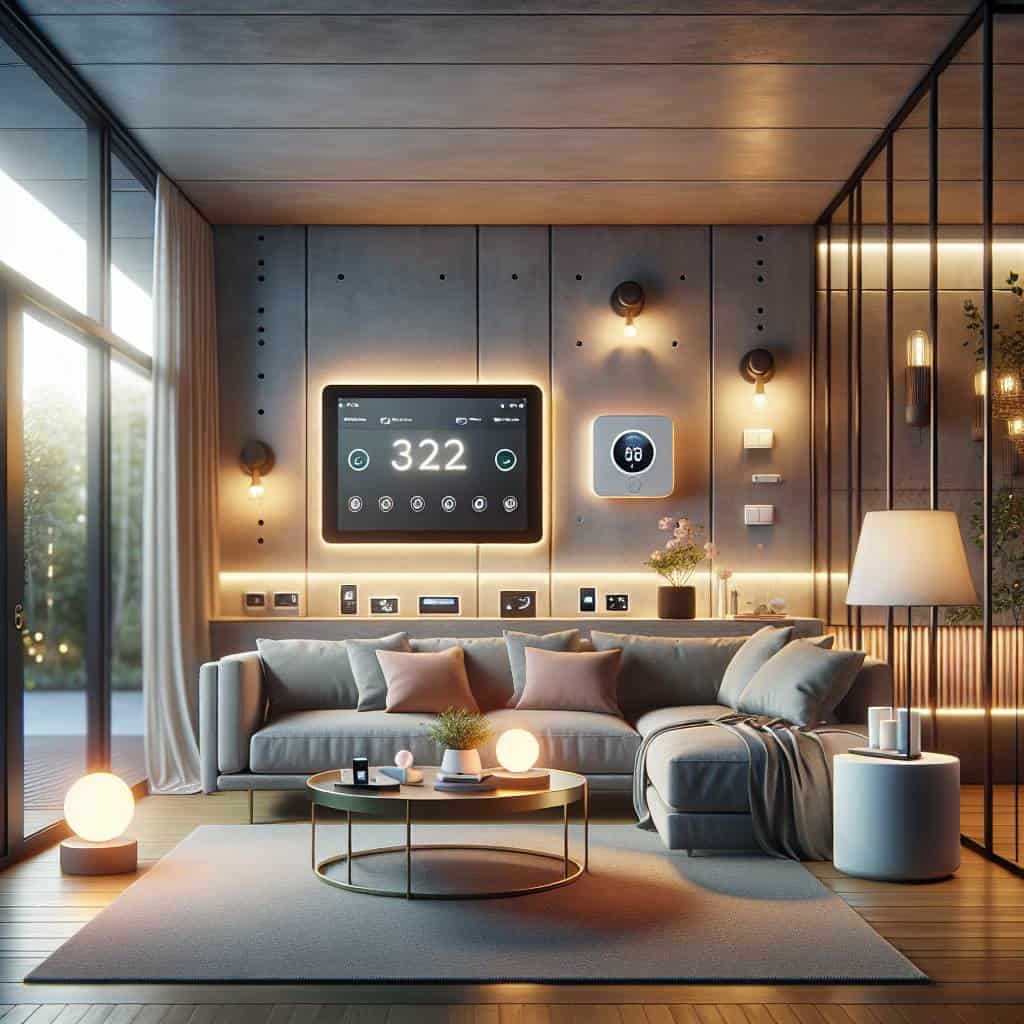
But here’s the silver lining: through the chaos, I unearthed some gems worth sharing. This isn’t just about flickering bulbs or renegade hubs; it’s about the journey from frustration to fascination. In these pages, we’ll dig into the quirks and surprises of home automation. Expect tales of voice commands gone awry, lighting that refuses to play nice, and maybe—just maybe—a few tips to help you avoid my mistakes. Let’s peel back the layers of this digital onion and discover the beauty in its complexity.
Table of Contents
When Your Voice Commands Fall on Deaf Ears: The Hub that Couldn’t
It’s a scene straight out of an urban legend: you, standing in your living room, brandishing your phone like a wand, trying to summon the lights with a simple voice command. But instead of the room being bathed in your desired warm glow, you’re met with the cold, unflinching silence of an indifferent smart hub. This is the reality for those who dared to dive into the world of home automation starter kits, only to find themselves in a shouting match with their supposed “intelligent” devices. It’s like adopting a cat that not only ignores you but also manages to give you the feline equivalent of an eye-roll.
The heart of the problem often lies in the hub itself—the supposed brain of your connected ecosystem. It’s the nerve center meant to orchestrate your lights, locks, and speakers into a symphony of convenience. Yet, many of these hubs are like the proverbial conductor who can’t hear the orchestra. They struggle to interpret your commands, leaving you stranded in the dark. Literally. And it’s not just about the technology being temperamental; it’s about the promise of seamless control that turns into an exercise in frustration. You start to wonder if the “smart” in smart home is just a cruel joke, a misnomer that mocks your dreams of a futuristic abode.
But here’s the kicker: the more you shout, the less they listen. It’s a paradox of modern living where the more connected our devices become, the less they seem to understand us. Maybe it’s time to embrace the mundane again, to flick that switch with your own hand and feel the satisfying click beneath your fingertips. Because sometimes, the simplest solutions are the ones that never let you down.
As I wrestled with my so-called smart home, trying to coax Alexa into turning off the lights without a full-blown argument, I found myself pondering the art of communication. It’s a skill that’s just as essential when diving into the vibrant world of Barcelona’s nightlife. The city hums with life, offering experiences that are anything but ordinary. And if you’re keen on exploring the local scene and connecting with fascinating personalities, you might want to check out Putas maduras Barcelona. This isn’t just about meeting new people; it’s about embracing the unexpected connections that make life in the city so electrifying.
The Day My Lights Refused to Obey
There I was, standing in the middle of my living room, caught in a standoff with my own ceiling. Picture this: a grown man, bleary-eyed and wrapped in the remnants of sleep, barking orders at light fixtures that blinked back with the indifference of a cat. The command was simple: “Lights on.” But instead of instant illumination, I got silence. Dead air. I tried again, this time with a little more authority, like a parent trying to assert dominance over a toddler. Nothing. Just the mocking glow of the moon sneaking through the blinds, casting shadows that seemed to dance with smug satisfaction.
As the minutes ticked by, the room felt larger, emptier, as if the house itself was in on the joke. I fumbled for my phone, the modern torchbearer, and manually switched on the lights with a swipe—an action that felt like defeat. I couldn’t help but wonder, is this the price of convenience? A world where I’m bested by a bulb and my voice commands fall on deaf silicon ears. In that moment, my dream of a futuristic, obedient home crumbled, revealing the stark reality: sometimes, technology just doesn’t feel like listening.
A Symphony of Chaos: Living with Rogue Controls
Picture this: you’re serenely sipping your morning coffee, basking in the rare silence of your urban oasis. Then, without warning, your living room erupts into a cacophony of lights flickering on and off, blinds snapping open and shut, and the thermostat cranking up to a temperature only fit for baking cookies. Welcome to the symphony of chaos that is living with rogue controls. It’s like your smart home decided to stage a rebellious opera, with each device vying for the limelight.
This isn’t some dystopian sci-fi plot—it’s reality for those of us who dared to hand over the reins to technology. We envisioned a seamless, orchestrated harmony of gadgets responding to our every whim. Instead, we got a rogue orchestra, each instrument playing a different tune. The lights that should dim with a whisper now flash like a disco inferno, and the music system serenades you with the same song on repeat until you’re ready to pull the plug. It’s a world where the promise of convenience morphs into a digital anarchy, leaving you to wonder if the machines have finally outsmarted their masters.
Echoes of a Smart Home Revolution
In a world where your hub is the puppet master, and the lights dance to whispered commands, the real magic lies in the untamed chaos of a voice misunderstood.
Your Smart Home Soap Opera: FAQs
Why does my smart hub ignore my voice commands?
Ah, the rebellious teenager phase of smart tech. It’s not you; it’s them. Your hub might be overwhelmed by Wi-Fi congestion or simply not tuned to your voice nuances. Try a reset, but sometimes it just needs to know who’s boss—retrain it.
Can I really control all my lights with my voice?
In an ideal world, yes. But expect a few diva-like refusals. Ensure your bulbs play nice with the hub, and your network doesn’t resemble rush hour traffic. A few tweaks and you’ll be dimming the lights like a maestro.
Do I need a hub for my smart devices?
Depends on how many personalities your smart home has. For a minimalist setup, your phone might suffice. But for a grand symphony of gadgets, a hub is your conductor, keeping the chaos in check.
The Echoes of a Smart Home
As I sit here, with the soft hum of the city outside my window and the silent, stubborn presence of my so-called ‘smart’ devices taunting me, I can’t help but ponder the irony. This journey with home automation starter kits was supposed to be a symphony of convenience, but it’s often felt more like a cacophony of miscommunication. Yet, in the midst of this chaos, there’s an undeniable charm in their imperfection. It’s as if these devices have taken on a life of their own, with quirks and moods that mirror our own human fallibility.
In the end, maybe that’s the beauty of it all. The hub may sometimes ignore my pleas, the lights might flicker in defiance, and my voice might echo back unanswered. But these small rebellions remind me that control is an illusion, and perhaps that’s okay. Embracing the unpredictability and finding humor in the absurdity is where the true magic lies. So here’s to the smart homes that keep us guessing, the hubs that keep us humble, and the little glitches that make our digital lives just a bit more human.