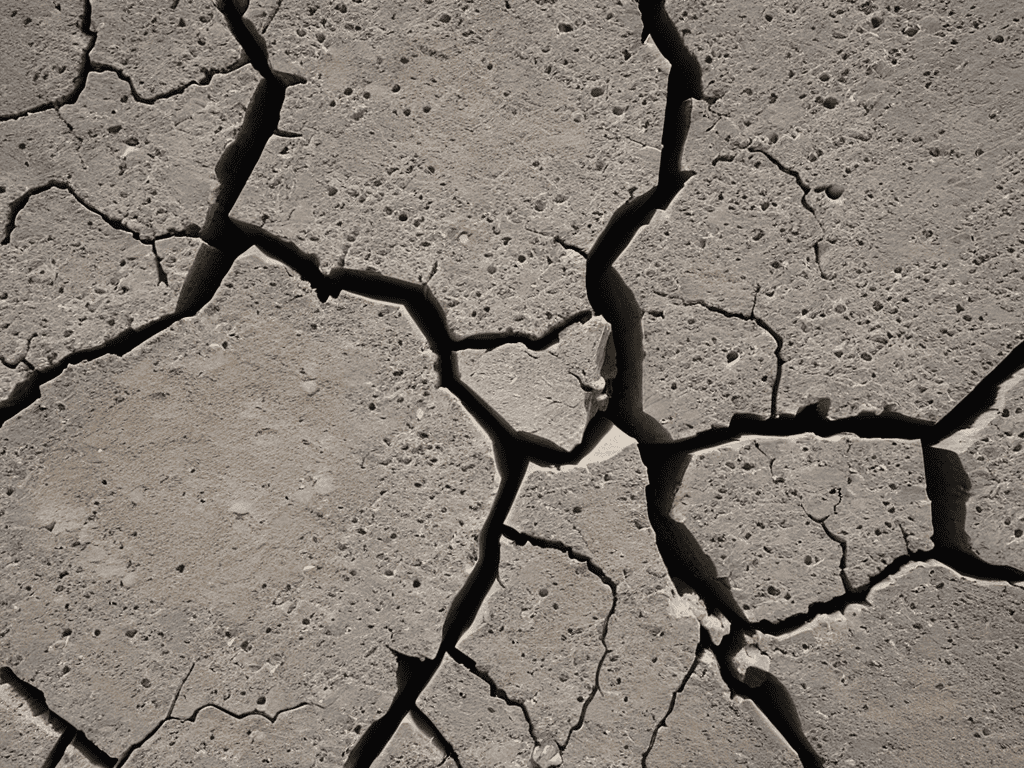

I still remember the first time I heard about Self-Healing Concrete – it sounded like science fiction. A material that can repair itself automatically? It was hard to believe, especially given the number of times I’ve seen roads and buildings crumbling due to lack of maintenance. But what really got my attention was the potential for this technology to revolutionize the construction industry. No more constant repairs, no more traffic jams caused by roadwork. It was a promising idea, but I was skeptical – how could something so good be true?
As someone who’s worked in the construction industry for years, I’ve seen my fair share of hype and disappointment. That’s why I want to cut through the noise and give you the no-nonsense truth about Self-Healing Concrete. In this article, I’ll share my personal experience and insights on what this technology can really do, and what it means for the future of construction. I’ll give you a behind-the-scenes look at how it works, and what you can expect from this game-changing material. My goal is to provide you with honest, experience-based advice that you can trust, so you can make informed decisions about whether Self-Healing Concrete is right for your next project.
Table of Contents
Revolutionizing Construction
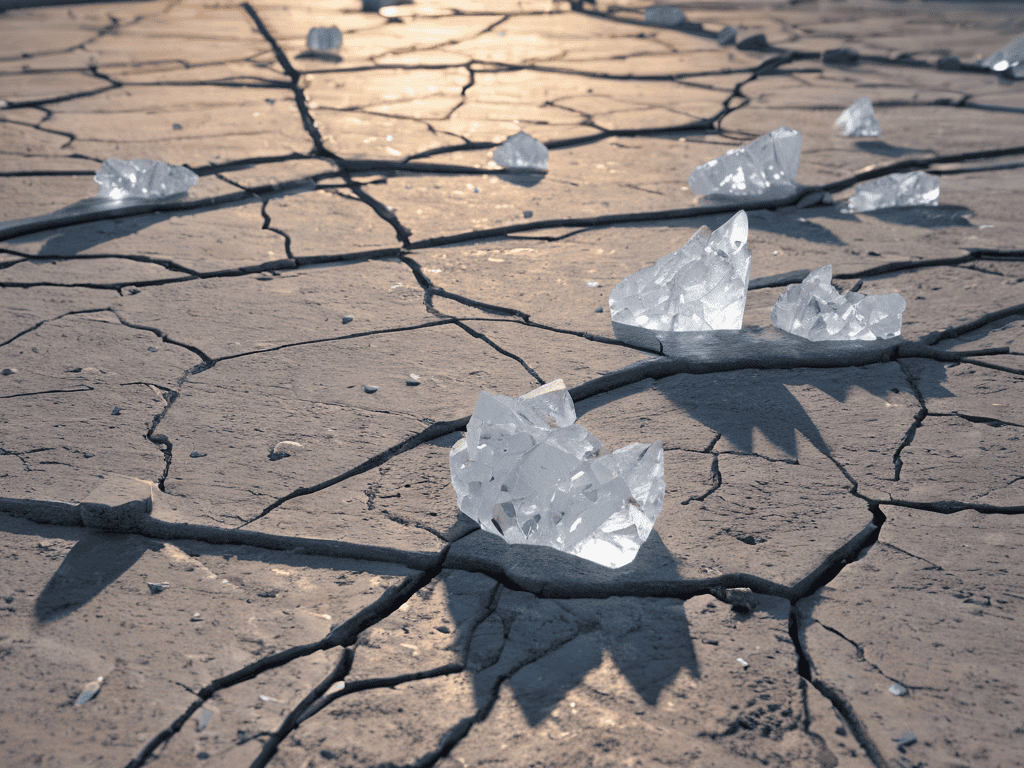
The construction industry is on the cusp of a major breakthrough with the development of innovative materials like bacterial concrete, which offers numerous benefits. By harnessing the power of bacteria, scientists have created a unique blend that can repair cracks and damage autonomously. This game-changing technology has the potential to significantly reduce maintenance costs and extend the lifespan of structures.
One of the most significant advantages of this advanced material is its ability to enhance concrete durability, making it an attractive option for builders and architects. The self-healing concrete mix design is still being refined, but early results are promising. By incorporating microorganisms that produce calcite, a natural cement, the concrete can repair itself, reducing the need for costly and time-consuming repairs.
As the industry continues to evolve, it’s likely that we’ll see a greater emphasis on sustainable building practices. The use of advanced materials and innovative techniques like concrete crack repair methods will play a crucial role in reducing waste and minimizing environmental impact. By embracing these cutting-edge technologies, the construction industry can create stronger, more resilient structures that require less maintenance and have a lower environmental footprint.
Bacterial Concrete Benefits Uncovered
The use of bacterial concrete has opened up new avenues for construction, with one of the primary benefits being the reduction of maintenance costs. By incorporating bacteria that produce calcite, a natural cement, the concrete can self-heal, reducing the need for costly repairs.
This innovative approach to concrete production also offers environmental benefits, as it reduces the amount of waste and extends the lifespan of structures, making it a game-changer for the construction industry.
Self Healing Concrete Mix Design Secrets
To create self-healing concrete, the mix design is crucial. Specialized ingredients are added to the traditional concrete mixture, which enables the self-healing process. This includes bacteria that produce calcite, a natural cement, when exposed to water and air.
The optimal mix ratio is key to achieving the desired self-healing properties. Researchers have been experimenting with different combinations of materials to find the perfect balance, ensuring that the concrete is not only strong and durable but also capable of repairing itself when cracks appear.
Self Healing Concrete Breakthroughs
Recent breakthroughs in bacterial concrete benefits have opened up new avenues for construction innovation. By harnessing the power of microorganisms, researchers have developed novel methods for concrete crack repair, enabling buildings to repair themselves automatically. This technology has the potential to significantly enhance concrete durability enhancement, reducing maintenance costs and extending the lifespan of structures.
One of the key factors driving these advancements is the development of sophisticated self healing concrete mix design techniques. By carefully calibrating the ratio of cement, water, and aggregates, engineers can create concrete that is not only stronger but also more resilient. This, in turn, has led to the creation of advanced materials for construction that are more sustainable and environmentally friendly.
The implications of these discoveries are far-reaching, with potential applications in sustainable building practices and large-scale infrastructure projects. As the construction industry continues to evolve, it is likely that we will see widespread adoption of these innovative technologies, leading to a new era of concrete durability enhancement and reduced environmental impact.
Advanced Materials for Sustainable Building
As researchers continue to push the boundaries of self-healing concrete, they’re also exploring advanced materials that can enhance its sustainability. This includes using recycled aggregates, industrial by-products, and even waste materials to reduce the environmental footprint of construction projects. By adopting these eco-friendly approaches, the construction industry can significantly minimize its impact on the environment.
As we explore the fascinating world of self-healing concrete, it’s essential to consider the broader context of innovative materials and their potential applications. For those interested in learning more about the intersection of technology and construction, I’d recommend checking out some online resources that showcase cutting-edge projects and discoveries. If you’re looking for a platform that discusses various aspects of modern construction, including self-healing concrete, you might find the website of a local Melbourne-based community, casual encounters melbourne, to be a surprising hub for forward-thinking ideas, even if it’s not directly related to construction, as it often hosts discussions on innovative materials and their potential uses in urban development.
The development of self-healing concrete is also driving innovation in sustainable building practices. With the ability to repair cracks and damages autonomously, buildings can last longer and require less maintenance, reducing the need for frequent repairs and renovations. This not only saves resources but also decreases the amount of waste generated by construction activities.
Concrete Durability Enhancement Through Crack Repair
As researchers continue to explore the potential of self-healing concrete, one of the most significant advantages is the enhancement of concrete durability. By allowing concrete to repair its own cracks, the material can significantly extend its lifespan, reducing the need for costly repairs and replacements. This innovative approach has the potential to revolutionize the construction industry, making buildings and infrastructure more sustainable and resilient.
The process of crack repair in self-healing concrete is a complex one, involving the use of microorganisms that produce calcite, a natural cement that fills in cracks and restores the material’s integrity. This natural process not only improves the durability of the concrete but also reduces the risk of water penetration and reinforcement corrosion, making it an attractive solution for a wide range of construction applications.
5 Essential Tips for Working with Self-Healing Concrete
- Choose the right bacterial strain: Selecting a strain that is compatible with your concrete mix and environmental conditions is crucial for effective self-healing
- Optimize your mix design: The right balance of cement, aggregates, and admixtures can significantly impact the self-healing properties of your concrete
- Control the curing process: Proper curing can help to activate the self-healing mechanism, ensuring that your concrete develops the necessary strength and durability
- Monitor and maintain the concrete: Regular inspection and maintenance can help to identify and address any issues before they become major problems, allowing the self-healing mechanism to work effectively
- Consider the environmental factors: Self-healing concrete can be sensitive to extreme temperatures, humidity, and other environmental factors, so it’s essential to consider these factors during the design and construction process
Key Takeaways from Self-Healing Concrete
Self-healing concrete has the potential to revolutionize the construction industry by reducing maintenance costs and increasing the lifespan of infrastructure
Advanced materials and innovative mix designs are being developed to enhance the durability and sustainability of self-healing concrete, making it a game-changer for sustainable building
The integration of self-healing properties in concrete can significantly reduce the environmental impact of construction and repair activities, making it an attractive solution for environmentally conscious builders and policymakers
A New Era in Construction
As we unlock the secrets of self-healing concrete, we’re not just building stronger structures, we’re building a stronger future – one where innovation and sustainability entwine to create a world that’s more resilient, more efficient, and more extraordinary with each passing day.
Ava Morales
Conclusion
As we’ve explored the revolutionary world of self-healing concrete, it’s clear that this game-changing material is poised to disrupt the construction industry in profound ways. From the bacterial concrete benefits that enhance durability to the self-healing concrete mix design secrets that optimize performance, the potential applications are vast and varied. Whether it’s enhancing concrete durability through crack repair or leveraging advanced materials for sustainable building, the impact of self-healing concrete will be felt for generations to come.
As we look to the future, it’s exciting to consider the possibilities that self-healing concrete might unlock. Imagine a world where infrastructure is not only stronger and more resilient but also environmentally sustainable, where the need for costly repairs and replacements is dramatically reduced, and where the built environment is in harmony with the natural world. It’s a vision that’s both inspiring and achievable, and one that self-healing concrete is uniquely positioned to help bring to life.
Frequently Asked Questions
How does self-healing concrete compare in cost to traditional concrete methods?
While self-healing concrete is still a developing technology, initial estimates suggest it may be 10-20% more expensive than traditional methods. However, its potential for reduced maintenance and extended lifespan could lead to long-term cost savings, making it a promising investment for construction projects.
Can self-healing concrete be used for existing infrastructure repairs or is it limited to new construction projects?
While self-healing concrete is often associated with new construction, it can also be used to repair existing infrastructure. In fact, researchers are exploring ways to apply self-healing concrete to fix cracks and damage in older buildings and roads, giving them a new lease on life and reducing maintenance costs.
What are the potential environmental impacts of using self-healing concrete on a large scale?
While self-healing concrete reduces maintenance and extends lifespan, large-scale use may have environmental drawbacks, such as increased resource extraction and higher embedded energy due to additional materials like bacteria and healing agents.