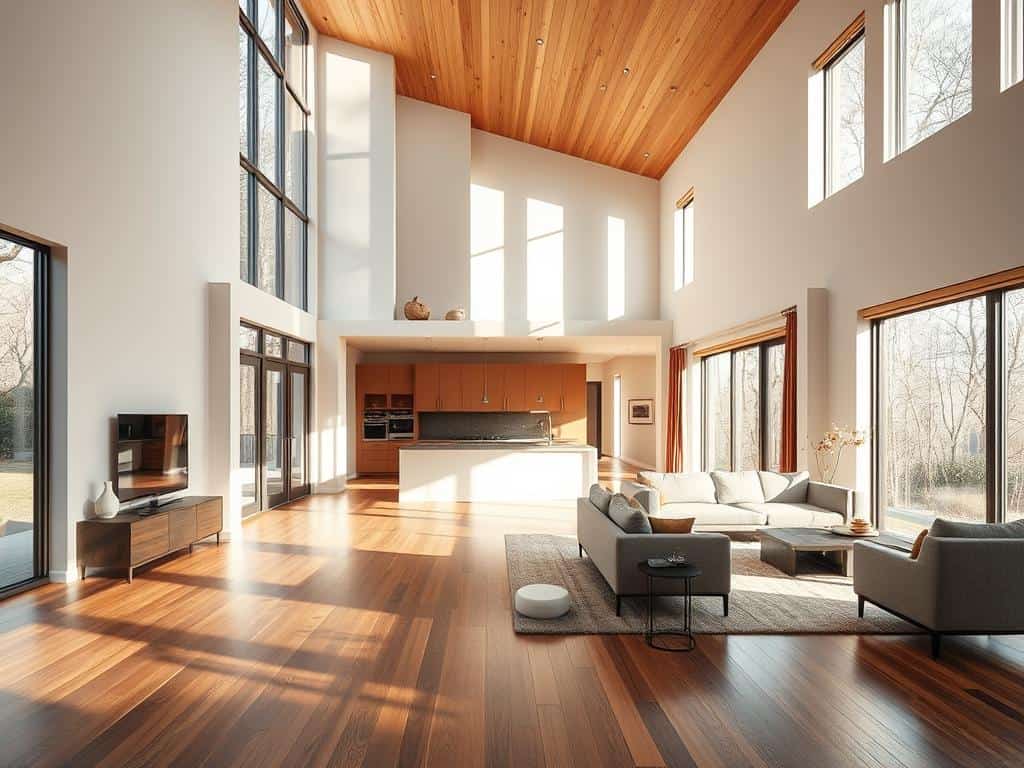

When I visited my friend’s new home, I felt overwhelmed by the open concept design. The 2,300 square feet of space lacked clear boundaries, making it hard to find intimacy. Watching my friend try to cook while keeping an eye on his kids, I realized the need for functional layouts is growing.
The COVID-19 pandemic changed how we see our living spaces. Many of us now want defined areas for specific uses. This shift in architectural trends is not just about home flow. It’s about creating spaces that meet our individual needs and lifestyles.
Key Takeaways
- Open concept homes are becoming less popular as buyers favor defined spaces.
- The average home size has increased, highlighting the need for more defined areas.
- The pandemic has sped up the demand for dedicated work and relaxation spaces.
- Designers are now using furniture and partitioning to reimagine layouts.
- Each part of a home can have its own design and personality.
The Shift Away from Open Concept Homes
Home design is changing, with a move towards defined spaces for different activities. The open concept layout, once popular, is losing favor. Now, people want quiet areas for work or relaxation.
This change shows a growing need for spaces that are both intimate and practical.
Declining Popularity in Home Design
Today, many prefer layouts that focus on purpose over openness. Walls and partitions are back, creating boundaries. These changes help make each space more functional.
They also support focused tasks and allow for private areas without distractions.
Rising Costs Impacting Layouts
The increase in construction costs is leading to smaller, smarter homes. Homeowners are now choosing spaces more carefully. They want purposeful layouts that are both useful and affordable.
Desire for More Defined Spaces
Remote work has made adaptability key. Home offices are being redesigned for privacy and productivity. This meets the changing work habits of today.
The comeback of dining rooms and cozy areas shows a love for socializing and personal space. It blends old and new, making homes both functional and welcoming.
New Trends in Home Layouts
Home layouts are changing, moving towards new designs that fit today’s lifestyles. Sectioned spaces are becoming popular, making homes more functional and beautiful. These trends help create clear areas for different activities, thanks to smart technology.
Sectioned-Off Spaces and Their Benefits
Sectioned spaces offer privacy and personalized living areas. They improve noise control and save energy. This setup allows for dedicated spaces like home offices or playrooms, giving family members their own zones.
Emphasis on Multifunctional Rooms
Younger homeowners love multifunctional rooms for their flexibility. These rooms can be used for dining, relaxing, and more. This trend encourages creative designs that are both stylish and practical, meeting the needs of modern families.
Incorporating Technology in Design
Smart technology is key in today’s home layouts. It makes homes more comfortable and easy to use. By combining tech with design, we can create spaces that are both beautiful and efficient.
Creating a Personalized and Cozy Environment
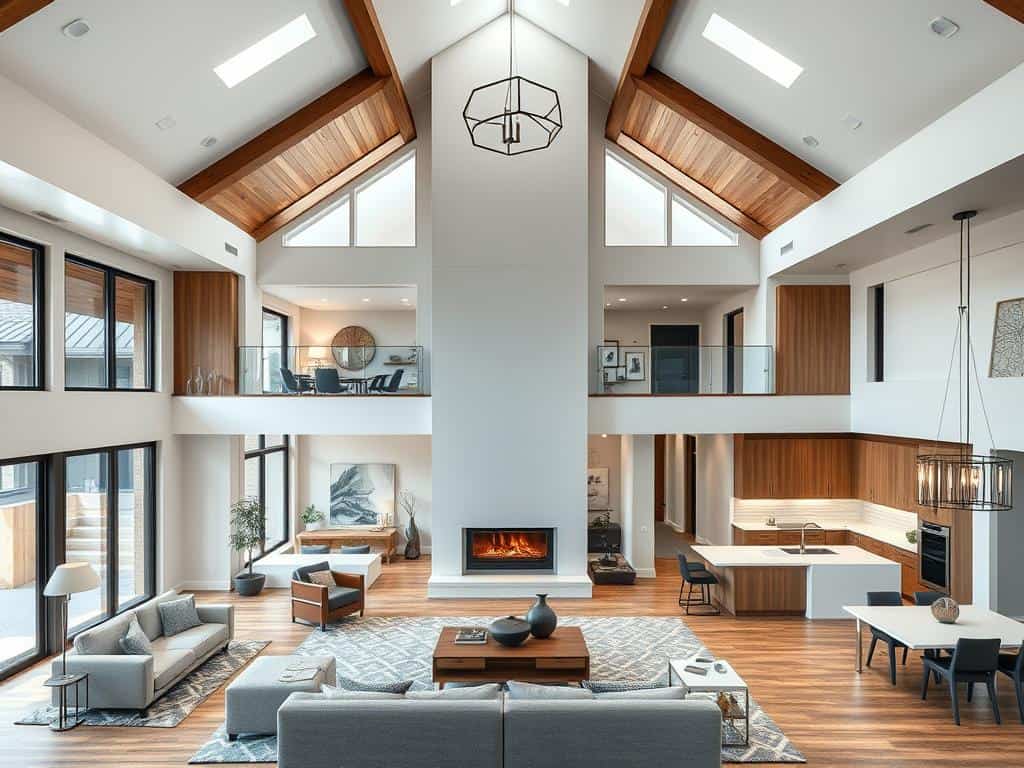
Today’s homeowners want both style and comfort. They focus on making their homes unique. Designers use detailed work and special materials to make homes feel good to look at and touch.
They choose rich textures and bold colors. This makes homes feel warm and welcoming, not cold and simple.
Color, Texture, and Craftsmanship Trends
Designers now use soft browns, deep reds, and muted yellows. These colors make big rooms feel cozy. They also use natural materials like wood and soft fabrics to add warmth.
Each piece, from furniture to decor, is made with care. This shows how important it is to make a home truly yours.
The Appeal of Warm and Earthy Tones
Warm colors make a space feel welcoming and calm. They help connect different areas in open layouts. By using different lights, I can highlight certain spots, making the space feel cozier.
This careful use of color and light brings peace and connection to the space.
Embracing a Philosophy of Individuality
Personalization shows who we are, making our homes truly our own. Adding family photos, unique art, and heirlooms tells our home’s story. Furniture and special corners define spaces and create a sense of warmth and community.
This approach makes everyday life more meaningful, helping us feel closer to our surroundings.
Conclusion
The future of home design is changing, moving away from open concept layouts. Instead, we’re seeing a rise in personalized homes. Open concept designs may feel spacious, but they lack privacy and organization.
Today’s home layouts focus on creating defined spaces. These spaces meet both family needs and the desire for entertaining. This shift shows a growing need for homes that reflect our individuality and are functional.
Home buyers now want cozy, defined spaces. Traditional layouts offer better soundproofing and privacy, which families value. These designs also make organizing easier, turning each room into a personal sanctuary.
This mix of modern utility and personal touch is shaping the future of home design. It’s about finding a balance between beauty and practicality.
The homes of tomorrow will focus on comfort, safety, and belonging. By understanding these needs, we can create spaces that nurture families. These homes will be warm and reflect the unique tastes of their inhabitants.