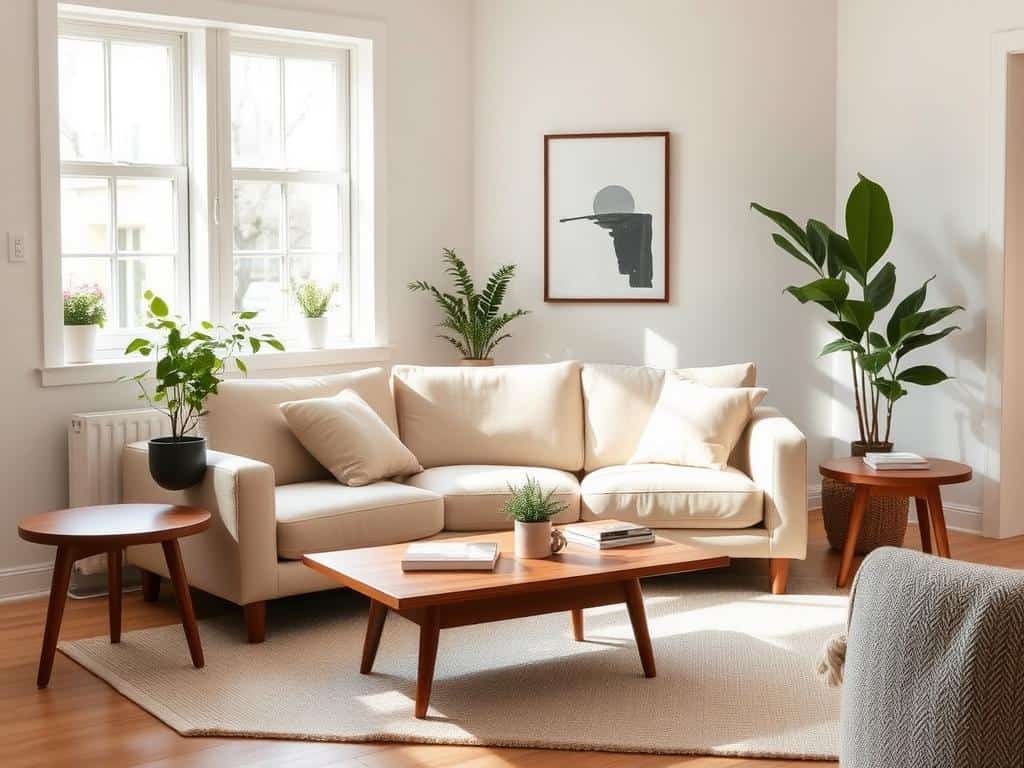

When I visited a friend’s home, I felt a calm wash over me. The room was painted in soft colors, with sunlight pouring in. The furniture was both cozy and stylish, showing off Scandinavian design’s charm.
This design style is all about keeping things simple and useful. It’s a way of living that’s becoming popular worldwide. It’s about creating a peaceful space, free from clutter.
Scandinavian design focuses on quality over quantity. It’s about choosing a few, well-made items that add value to your home. This approach has its roots in valuing local craftsmanship and making things accessible to everyone.
In this article, we’ll dive into what makes Scandinavian design so appealing. You’ll discover its core elements and how to bring this style into your own home.
Key Takeaways
- Scandinavian design is renowned for its use of natural materials and neutral colors.
- Timeless aesthetics emphasize functionality without sacrificing beauty.
- The design celebrates clean lines and simplicity.
- Scandinavian design promotes a calming atmosphere that prioritizes light and space.
- Incorporating classic furniture pieces can enhance any space.
What Makes Scandinavian Design So Popular?
Scandinavian design is loved for its mix of practicality and beauty. It makes spaces welcoming and useful. This design uses simple materials, clean lines, and little decoration to create calm areas.
Practicality and Functionality
Scandinavian design puts practicality first. It designs furniture to fit well in small spaces, keeping things tidy. For example, benches and coffee tables often have hidden storage, solving the problem of little room.
Each piece is made to be useful, adding to the room’s feel. This makes every item count, improving the space’s vibe.
Timeless Aesthetic
Scandinavian design’s lasting charm comes from natural materials and calm colors. These elements stay stylish over time, unlike fast-changing trends. The shift from bold 1960s styles to milder 2010s shows its timeless appeal.
Homes with these features show how a classic look can stay current for years.
Minimalism and Clarity
Minimalist design is key in Scandinavian style, creating a clean look. Choosing a few, well-thought-out items helps spaces stay modern and simple. This simplicity leads to peaceful, cozy spaces, filled with natural light and plants.
Key Characteristics of Scandinavian Design
Scandinavian design is known for its mix of minimalism, functionality, and coziness. It uses natural materials and neutral colors. This creates a calm atmosphere that shows the beauty of the Nordic landscape.
This design makes spaces welcoming. It also supports sustainable design, caring for the environment.
Natural Materials and Neutral Colors
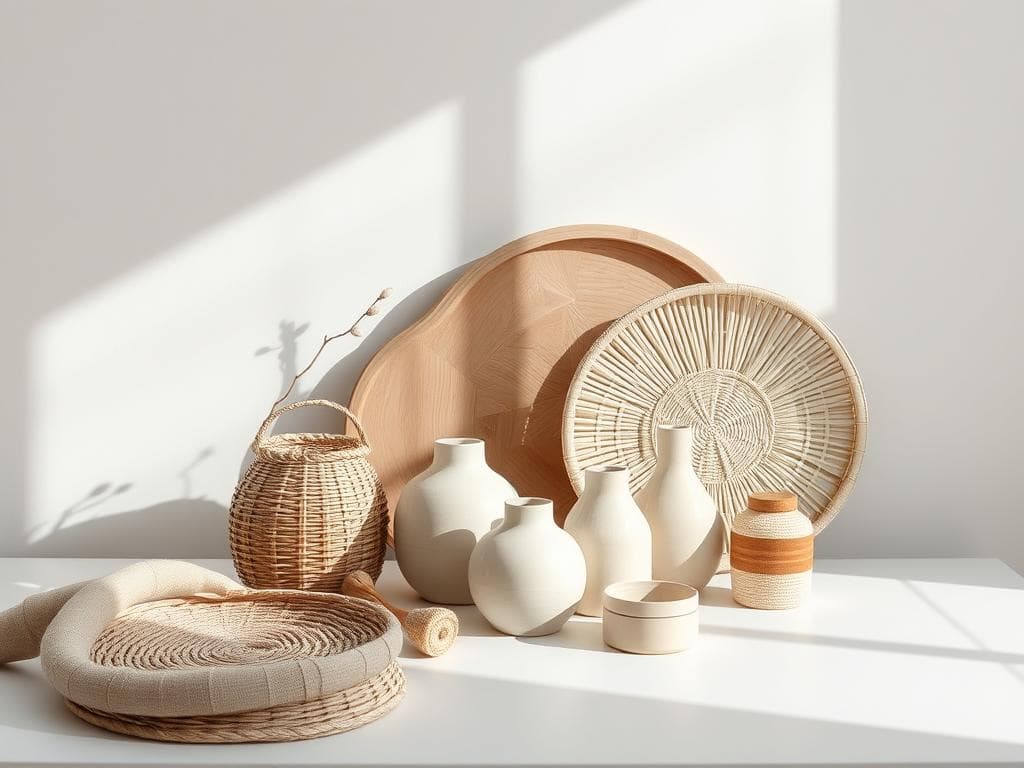
Scandinavian design loves natural materials. Raw wood, wool, and woven textures like cane or rattan are key. A palette of neutral colors, like grays, soft greens, and warm browns, adds to the calm.
Each material chosen brings a sense of place. It connects interiors to the natural world.
Clean Lines and Simplicity
Scandinavian design is all about clean lines and simple shapes. Every piece is chosen for its beauty and function. This simplicity makes spaces feel calm and clutter-free.
Large windows and light-colored walls let in lots of natural light. This makes spaces feel open and airy.
Quality Craftsmanship
Quality craftsmanship is a big part of Scandinavian design. Artisans focus on sustainable design, making each piece with care. This ensures items are not only beautiful but also last long.
This approach supports a lifestyle that values durability and ethical consumption. The thoughtful use of these elements creates stylish spaces that feel connected to their surroundings.
Incorporating Scandinavian Design Into Your Space
To truly embrace Scandinavian design, I find it essential to start with minimalism. This mindset involves assessing which items in my space are indispensable while identifying those that can be set aside. The process of decluttering not only helps create well-organized spaces but also promotes a sense of calmness. By focusing on a neutral base, I choose pale paint colors such as crisp whites or soft beiges to enhance serenity and elegance.
Start with Minimalism
I believe that limiting vivid colors allows the lighter hues to take center stage. Incorporating soft pastels like blue or pink adds depth to the color palette. Using the 80/20 rule lets me merge styles seamlessly, maintaining a cohesive look while introducing small, vibrant accents that contrast beautifully. Opting for light wood flooring or polished concrete enhances brightness and openness within my home, essential elements of Scandinavian design.
Focus on Functionality and Comfort
Choosing multipurpose furniture, such as storage ottomans or modular sofas, maximizes the functionality of my living space. I pay attention to clean lines and minimalist styling, allowing the beauty of simplicity to shine. Adding natural materials like wood furniture and wool textiles creates an inviting, warm atmosphere. I often incorporate living greenery, which adds a refreshing touch, enriching the organic feel that complements Scandinavian design principles.
Conclusion
Embracing Scandinavian design lets us make calm living spaces. These spaces mix simple looks with great function. By using natural materials and clean lines, we can live simply.
This style is more than looks. It makes our homes comfortable and peaceful. This comfort improves our daily lives.
Natural light and open designs are key in Scandinavian homes. They make spaces feel bright and welcoming. Designers like Alvar Aalto and Arne Jacobsen have left a big mark on this style.
Adding cozy textures and sustainable materials makes spaces even more beautiful. A neutral color palette adds warmth and beauty to any room.
Exploring Scandinavian design in my home shows me its power. It creates a space that is both simple and organized. This way, my home becomes a sanctuary that is both beautiful and practical.